
Brand


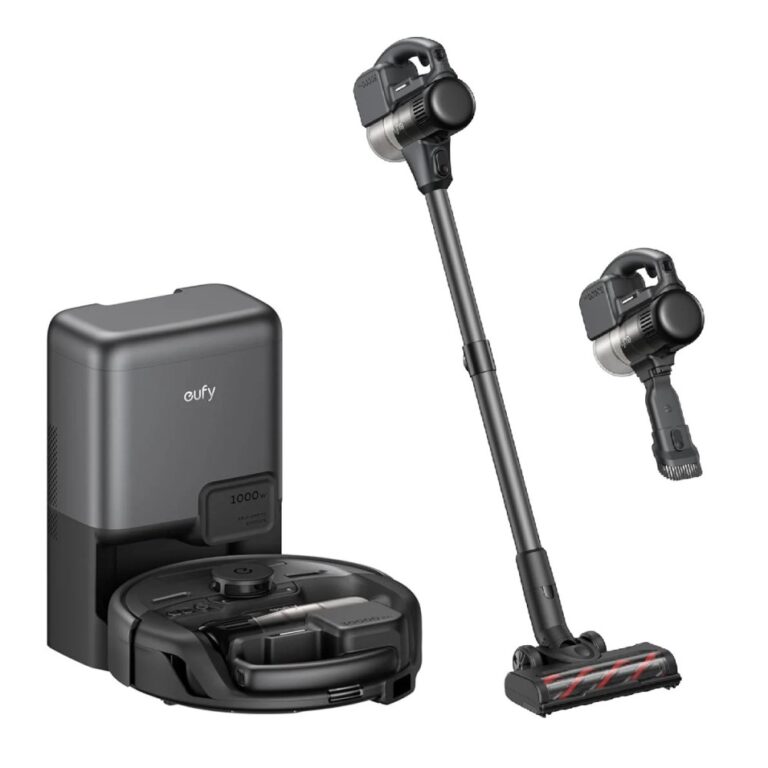
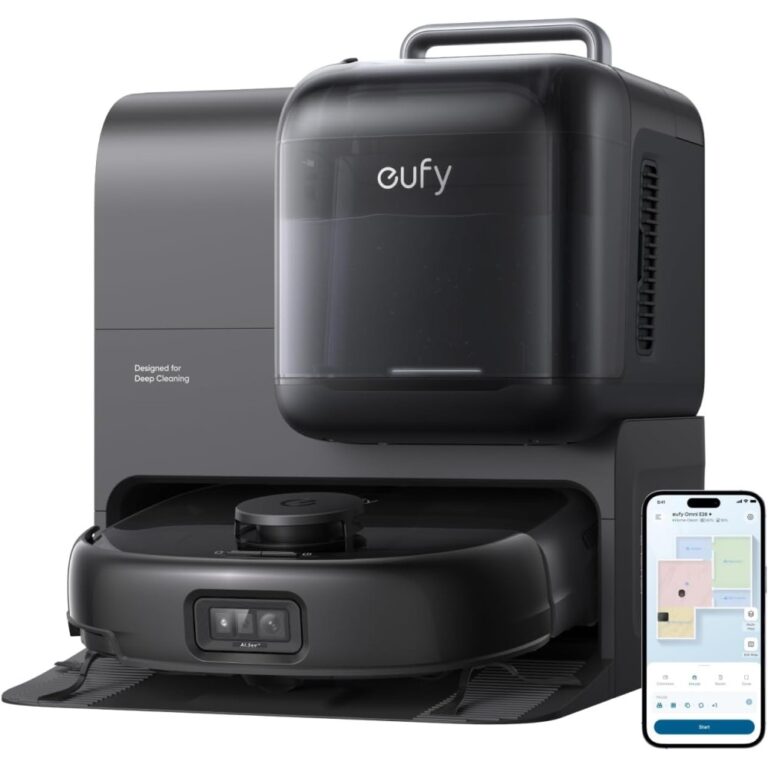
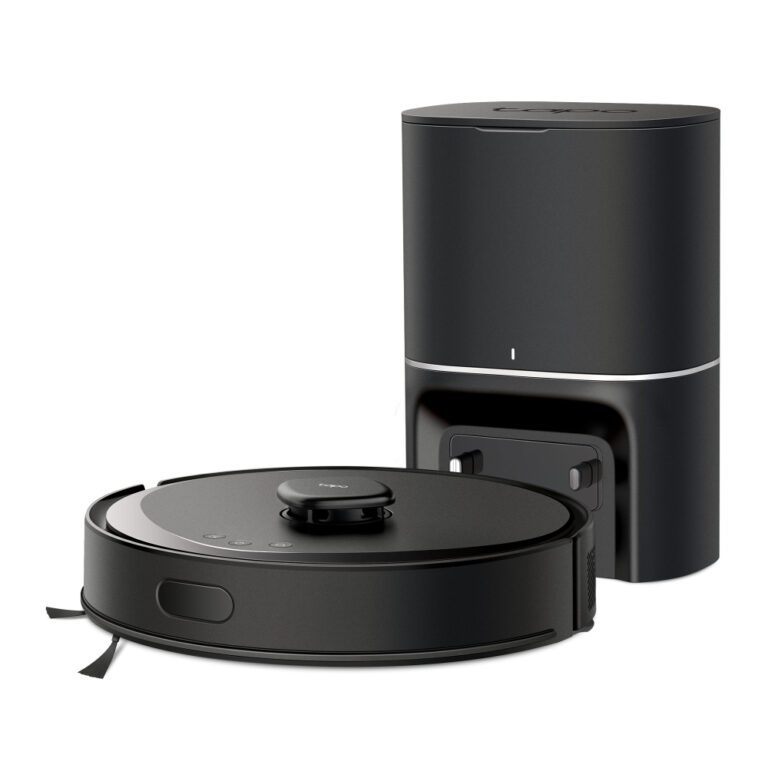
A robot vacuum is bought to remove a chore, and how completely it does that depends on three things.
Navigation. Cheaper models move semi-randomly and eventually cover a room. LiDAR or camera navigation builds a map, cleans in orderly rows, remembers the layout and lets you send it to a specific room or set no-go zones. On anything larger than a flat, that difference is the one you notice most.
The base station. A self-emptying base transfers debris into a large bag, so instead of emptying a small bin after every run you deal with it every few weeks. On models that mop, the station may also wash and dry the pads — which matters, because a mop pad left damp in a machine smells.
Vacuum and mop combined. Useful on hard floors. Check how the machine handles carpet: better models lift the mop or avoid carpet using the map.
Practical expectations: robots need floors reasonably clear of cables and small objects, and they will not replace an occasional proper clean of edges and corners.
See also smart home.
No account yet?
Create an Account