






Price
Availability
Shop Categories

Ethernet Cables

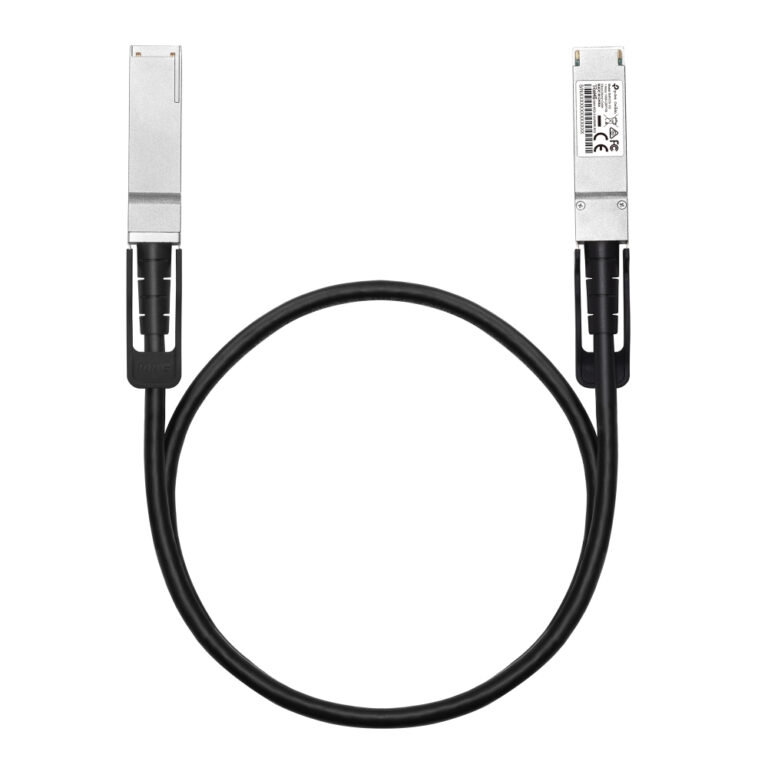
TP-Link Omada SM9220-1M Passive QSFP28 Twinax Cable 1 m 100 Gbit/s Black

In stock

Original price was: £80.39.Current price is: £74.81.
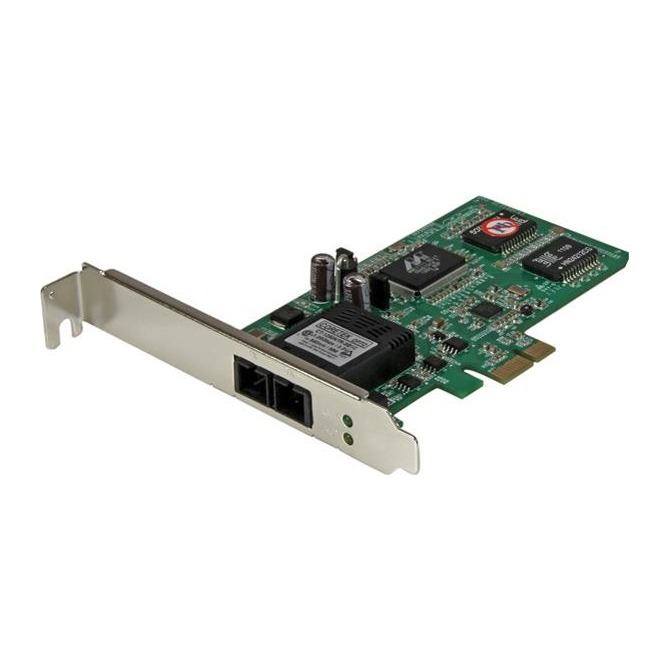
StarTech.com PEX1000MMSC2 Realtek PCIe Gigabit Fibre Network Card SC Connector 550m Multimode

In stock

Original price was: £206.39.Current price is: £195.29.

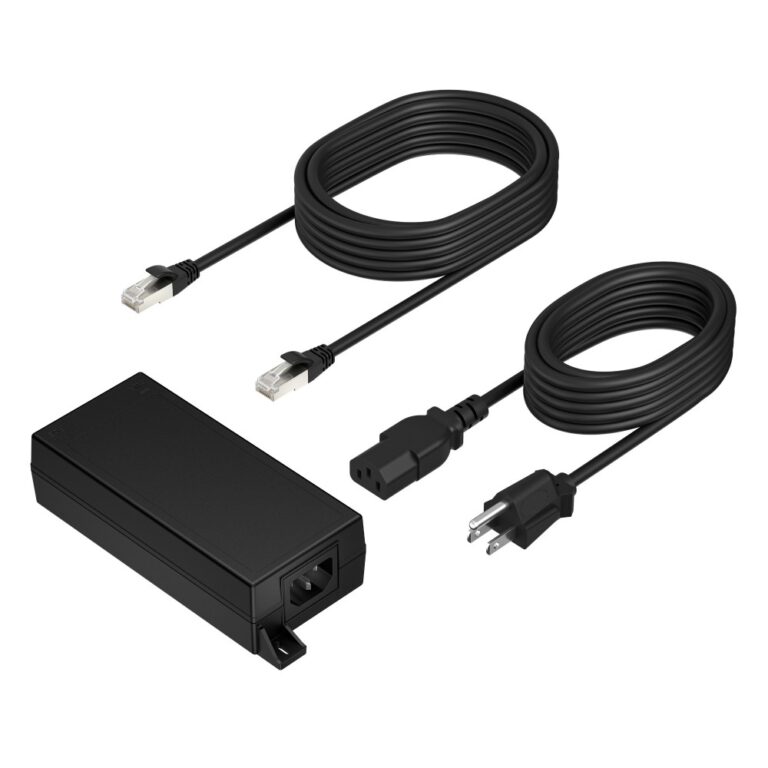
HP Poly PoE++ 65W 2.5G Adapter with 3.66m CAT6A Cable and Power Cord Black

In stock

Original price was: £75.59.Current price is: £70.68.

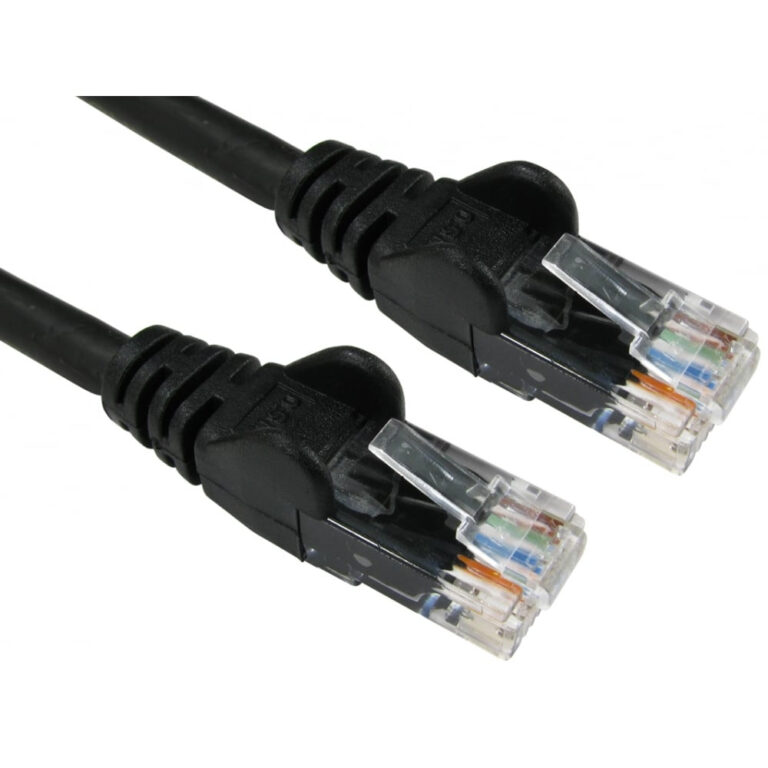
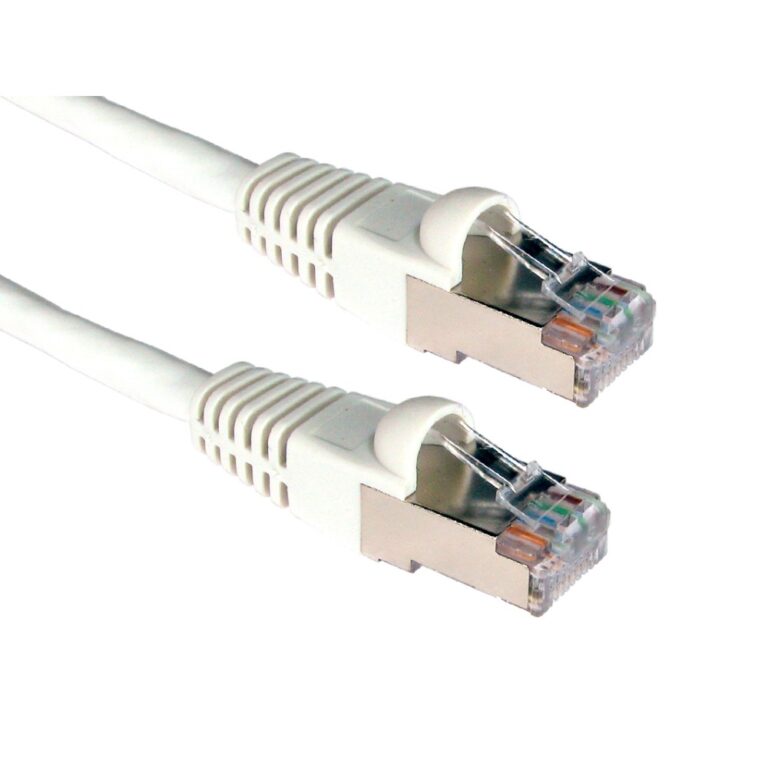
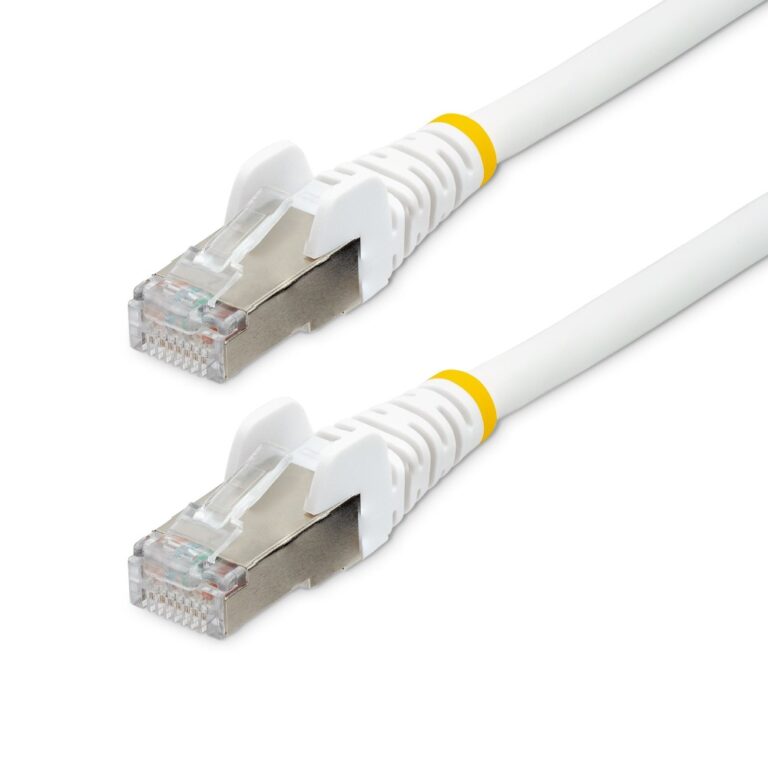
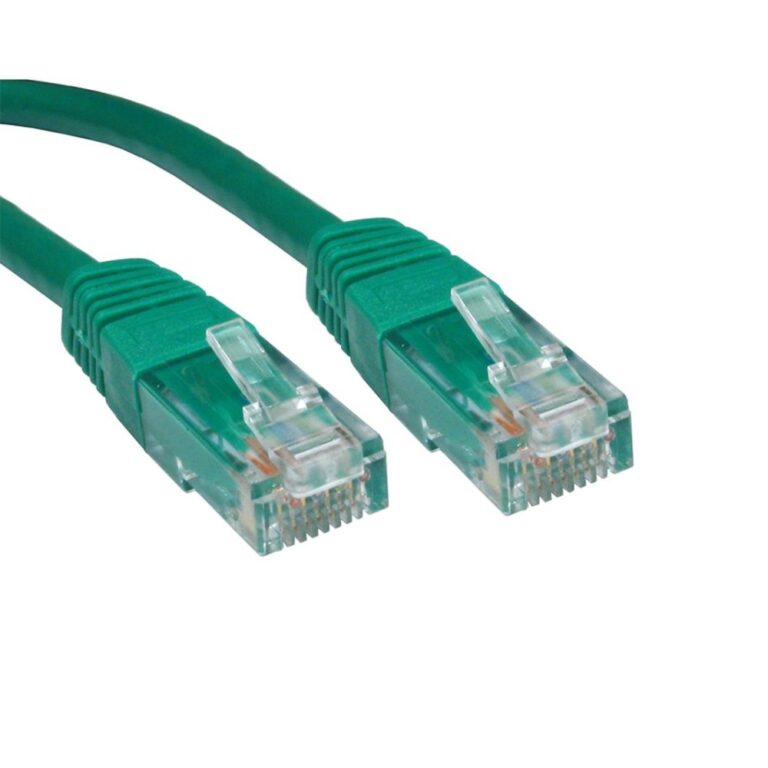
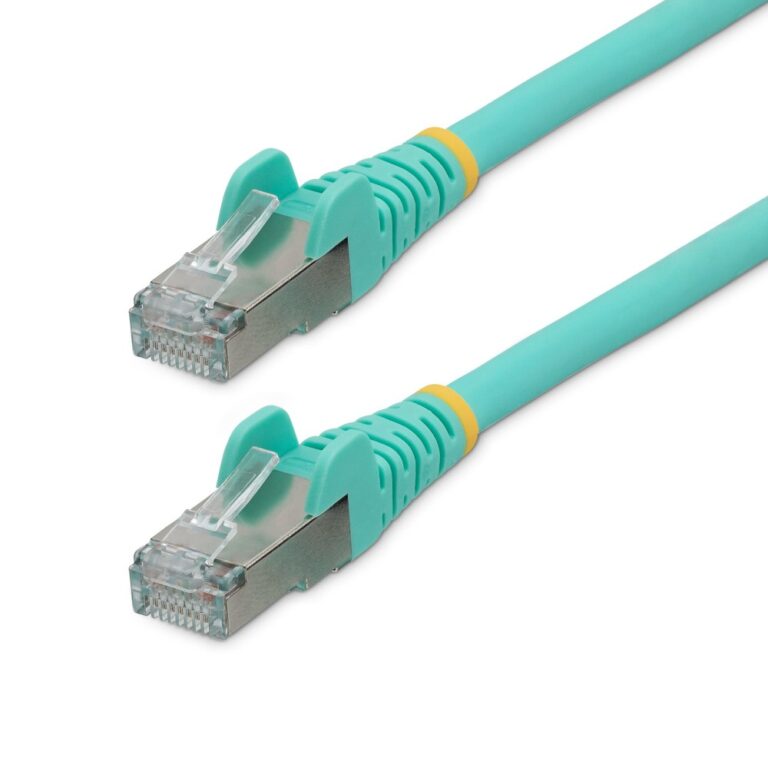
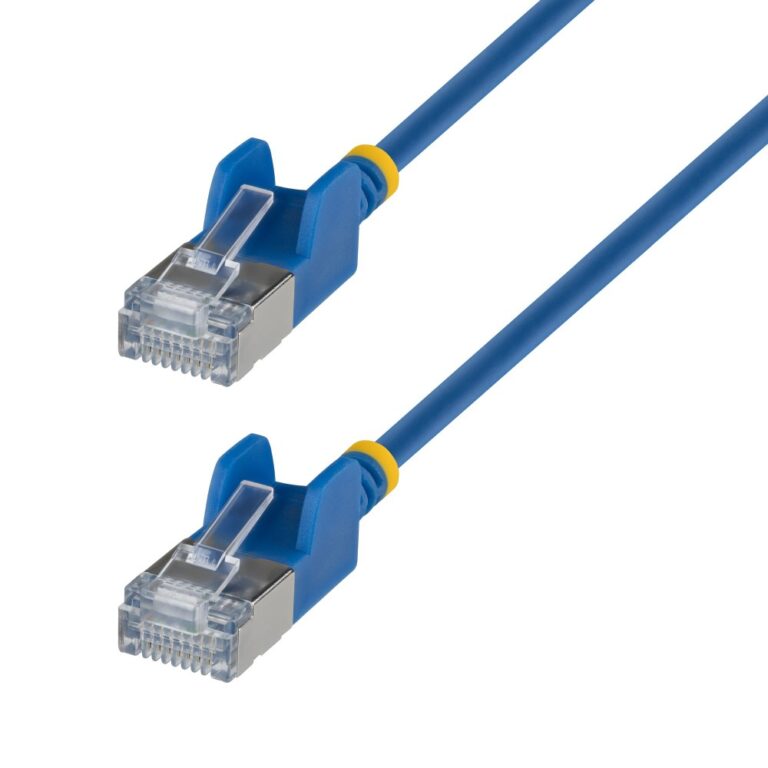
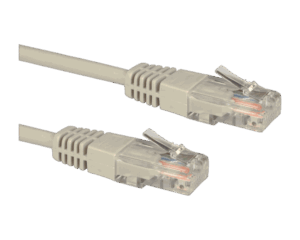
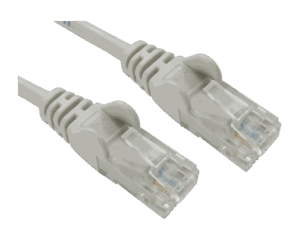
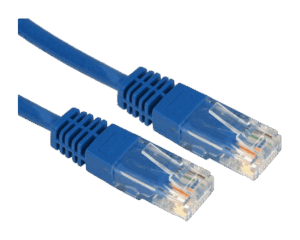
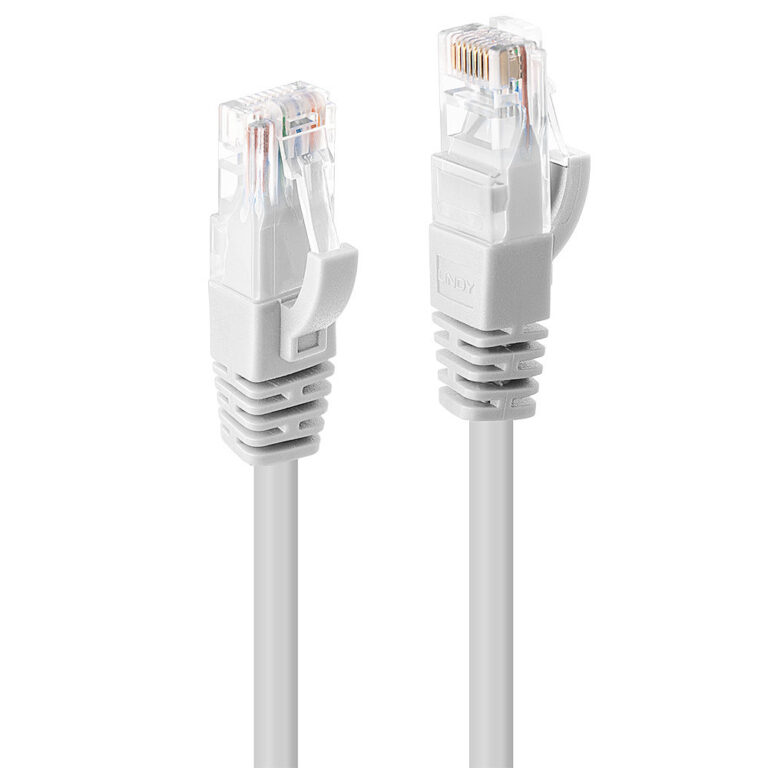
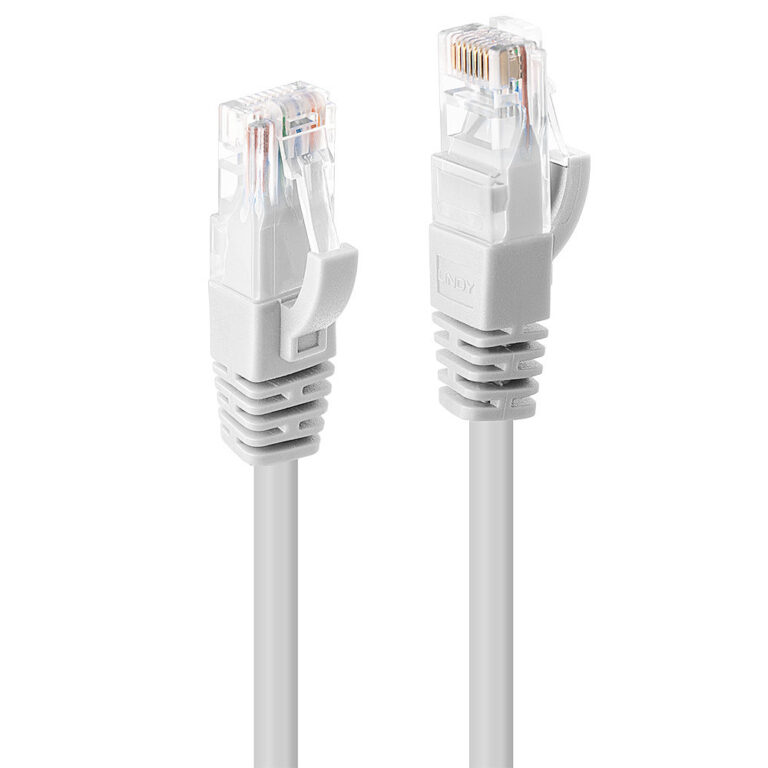
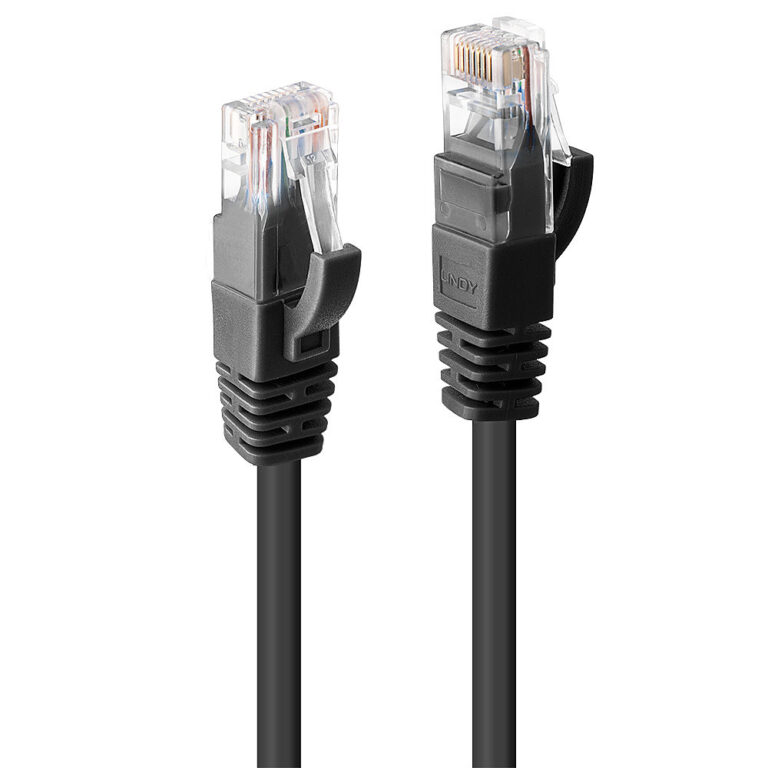
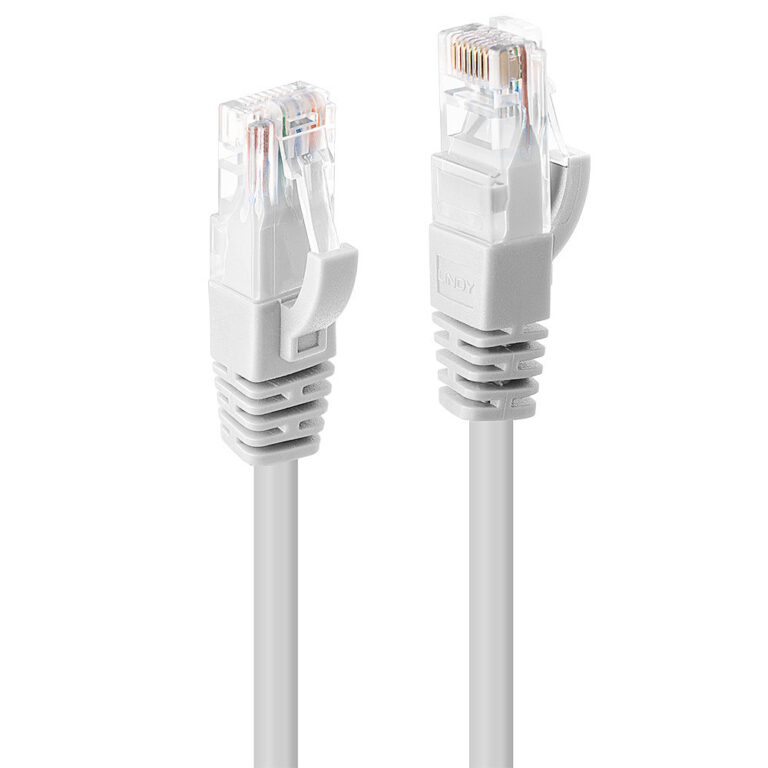
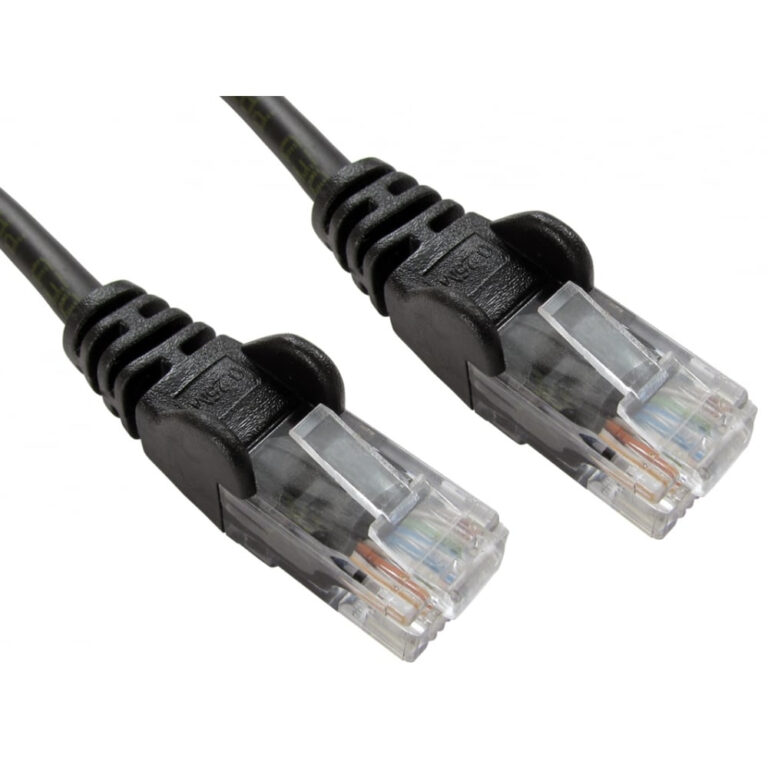
An Ethernet cable is still the fastest and steadiest way to connect a computer, console, TV or access point. A wired link does not care about walls, neighbours or how many phones are on your Wi-Fi.

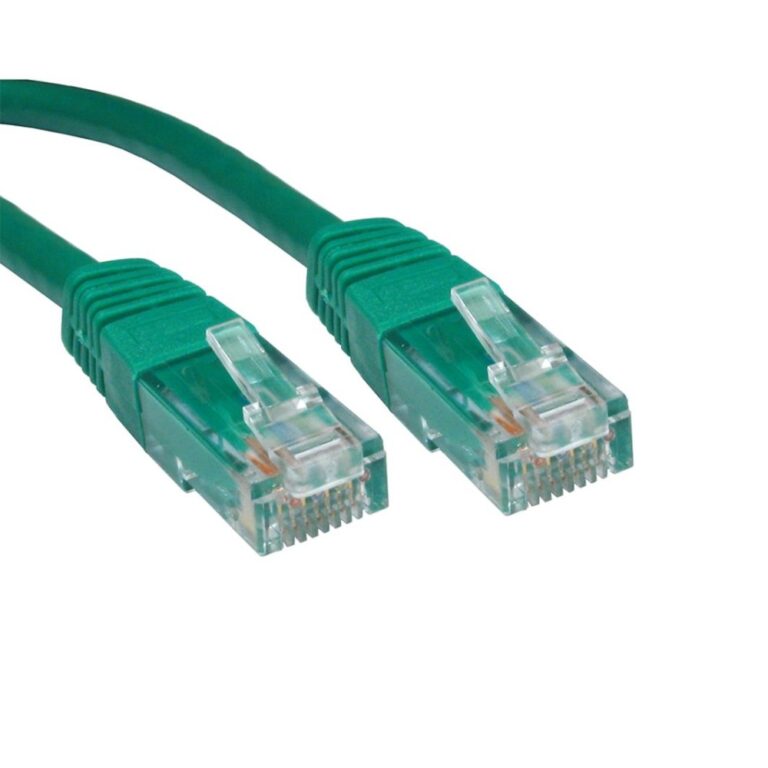
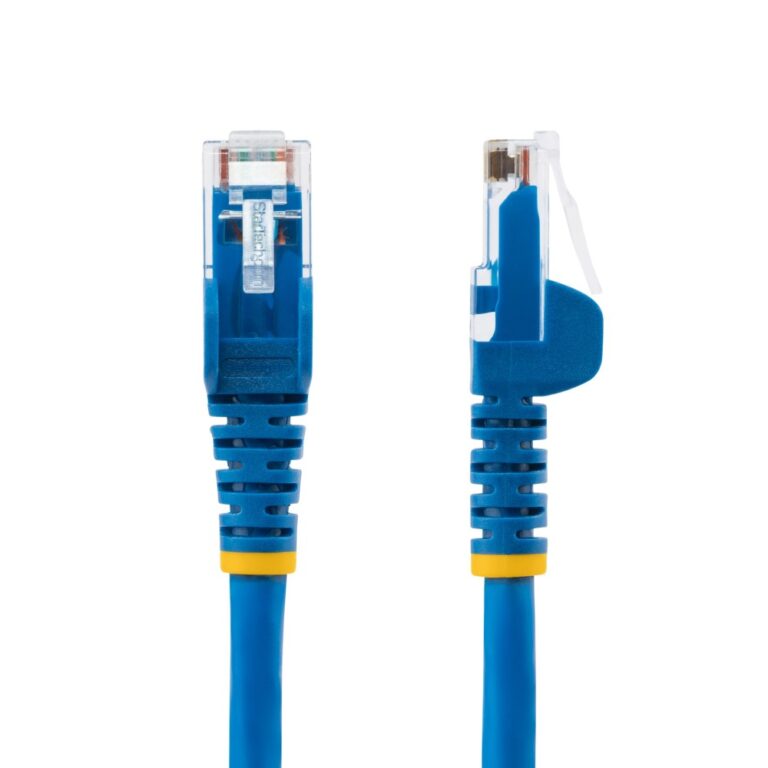
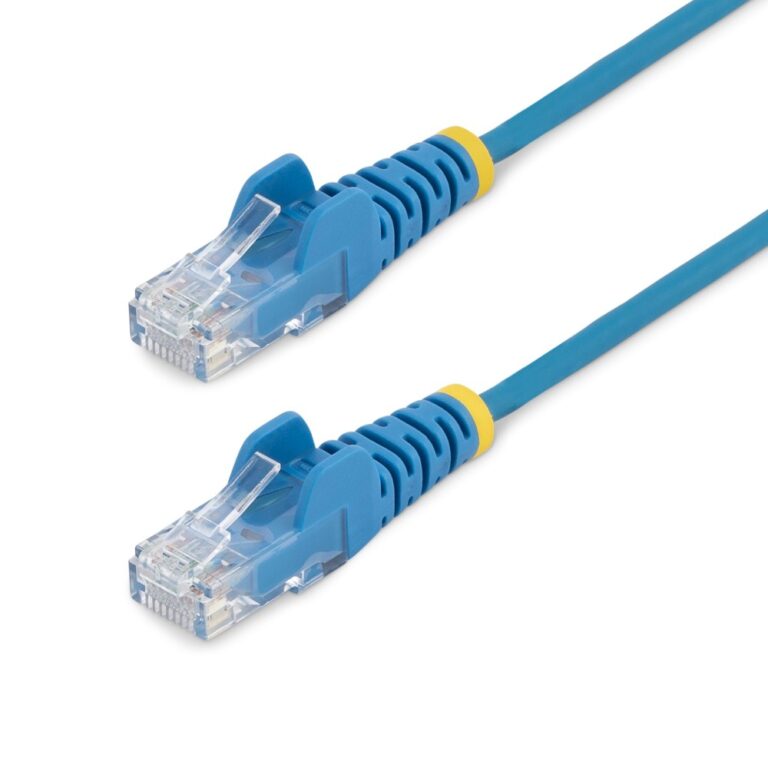
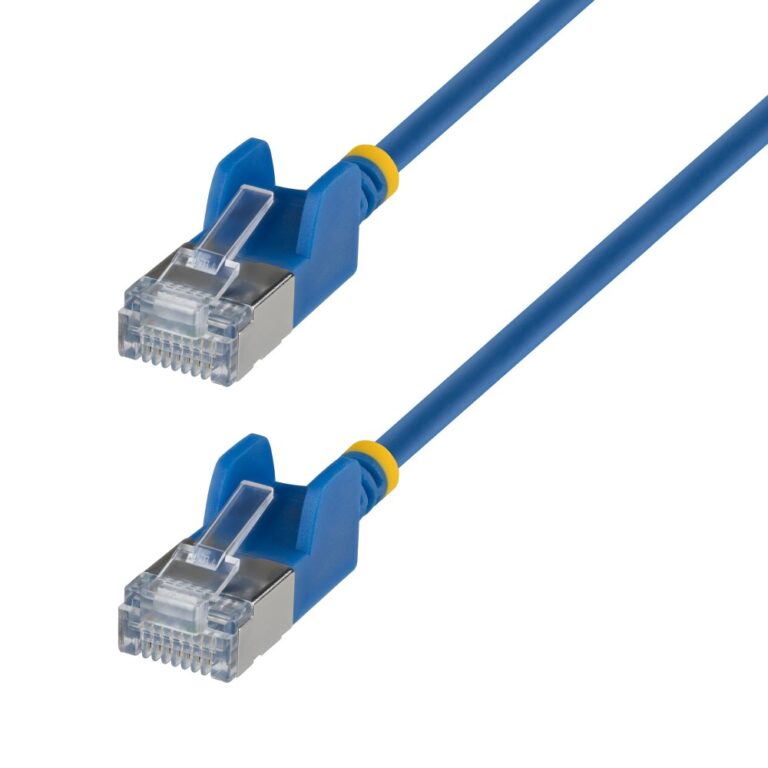
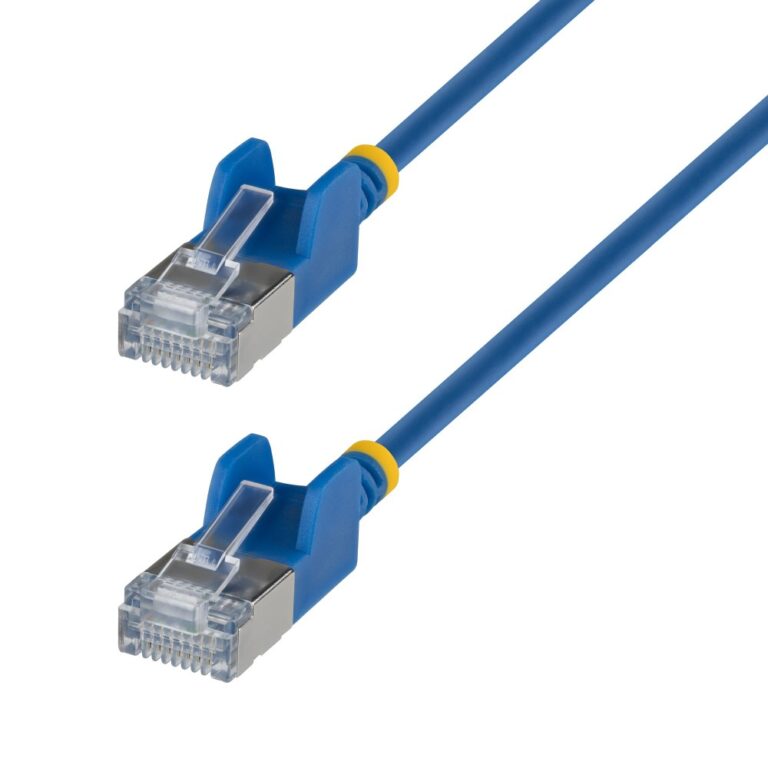
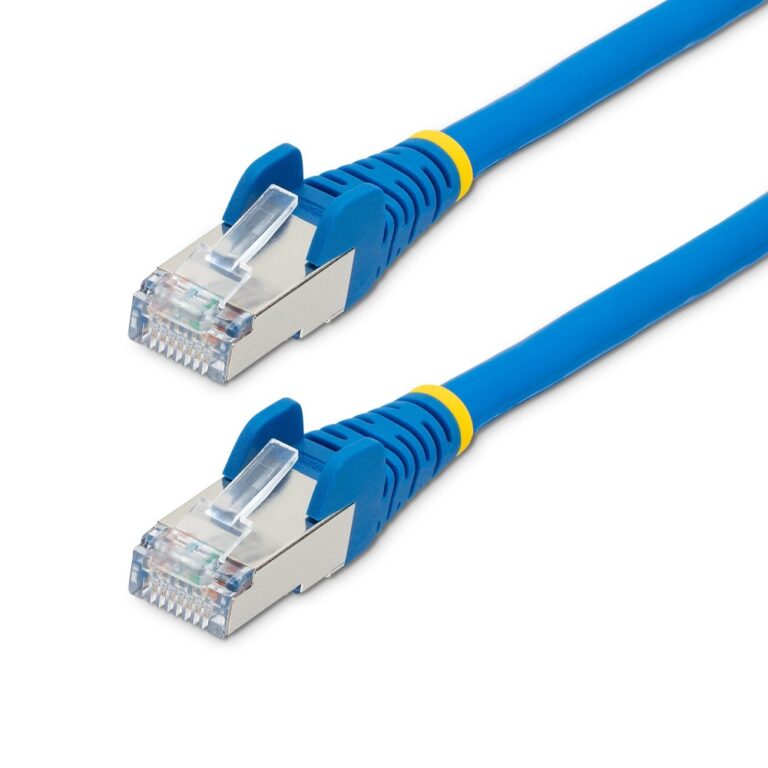
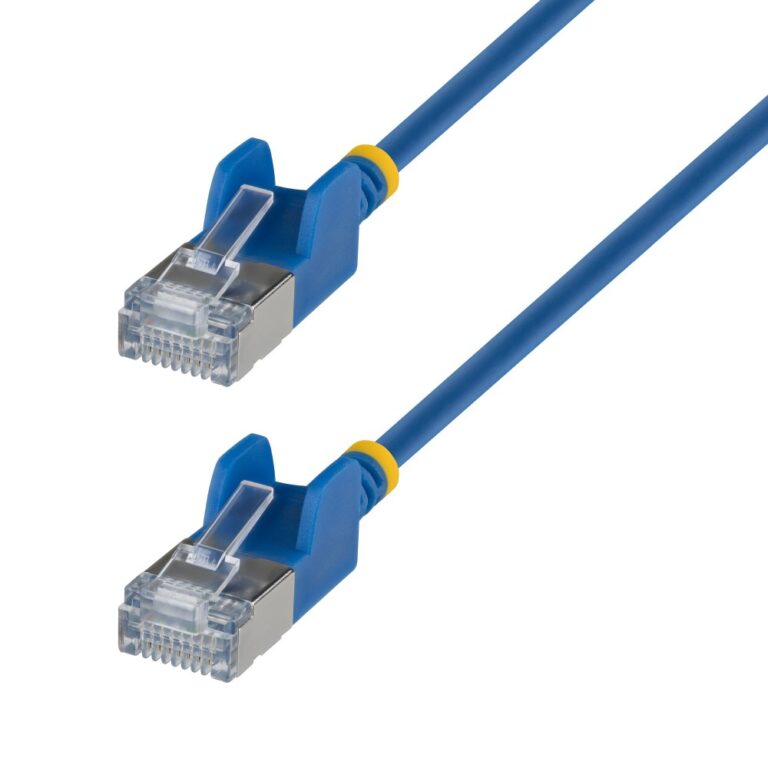
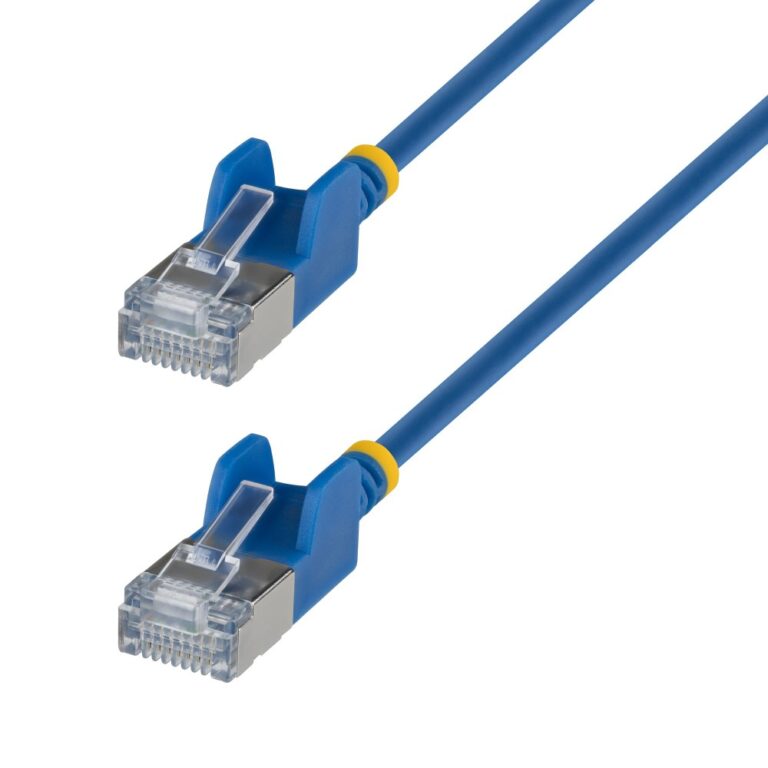
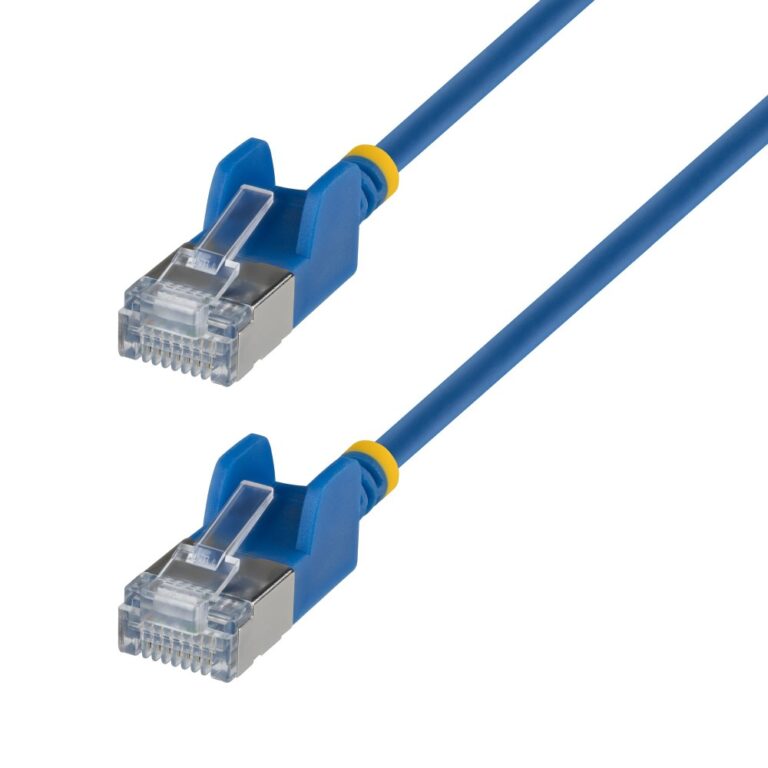
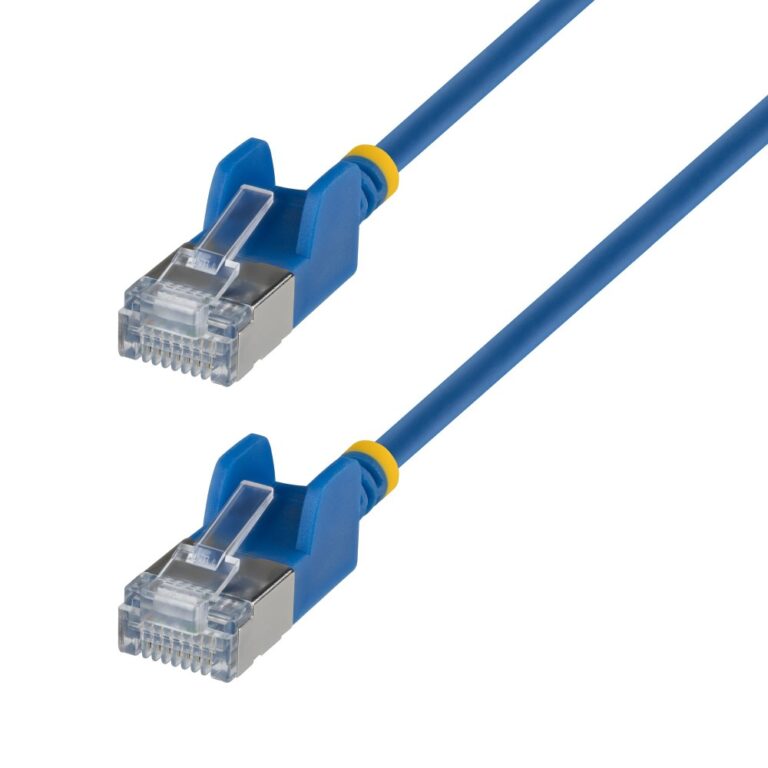
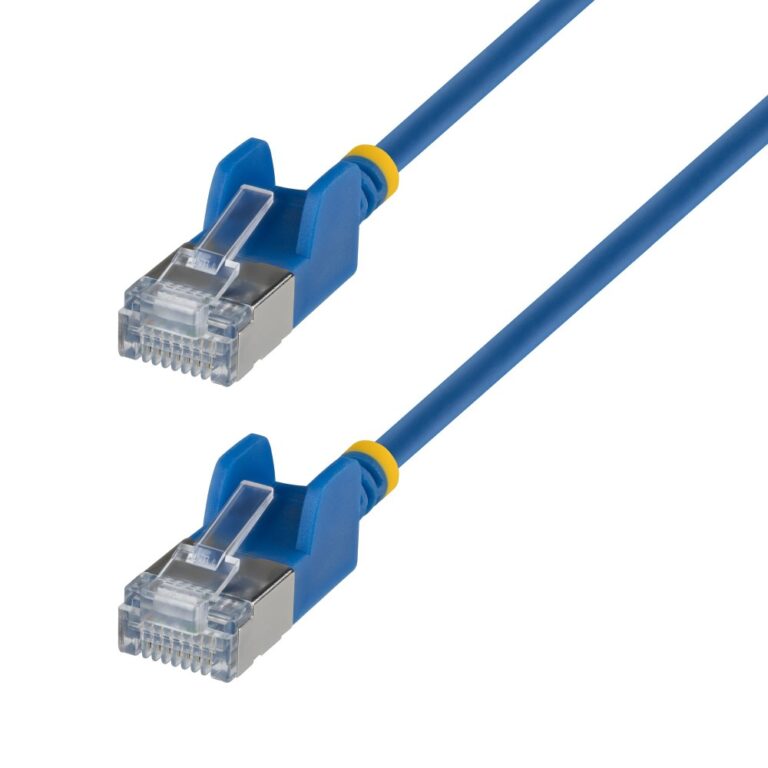
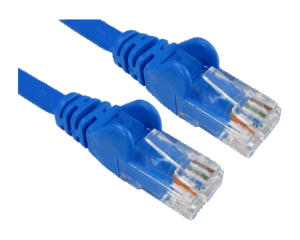
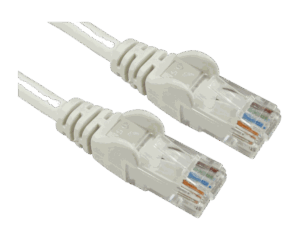
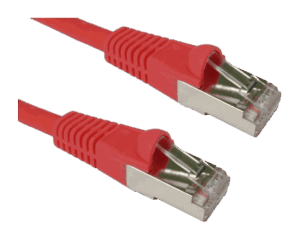
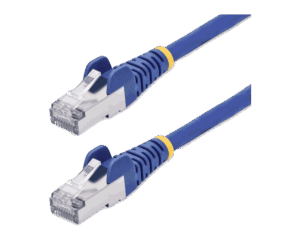
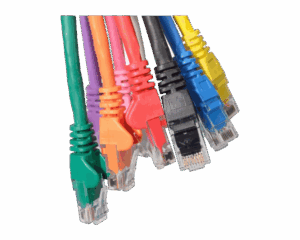
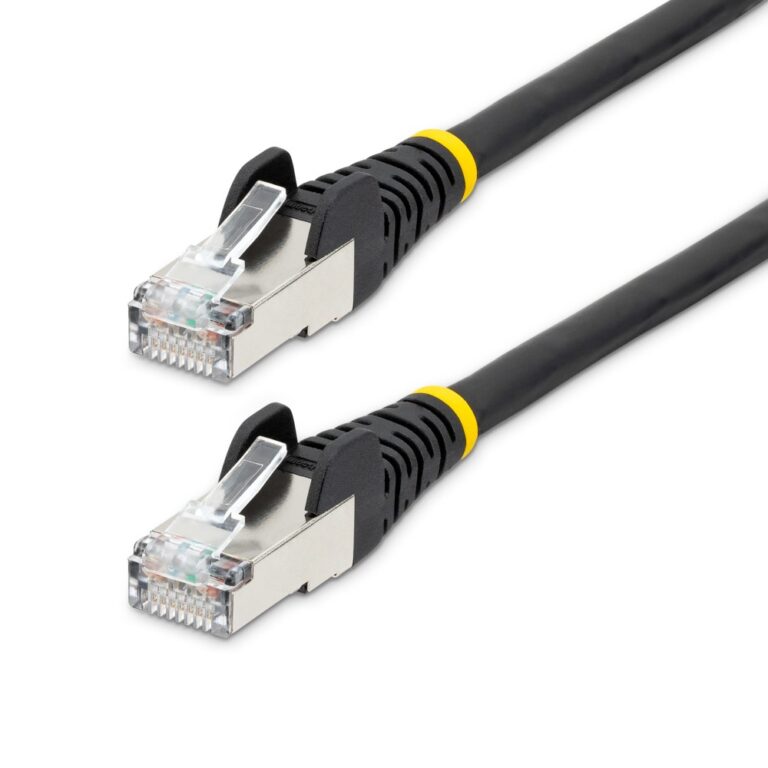
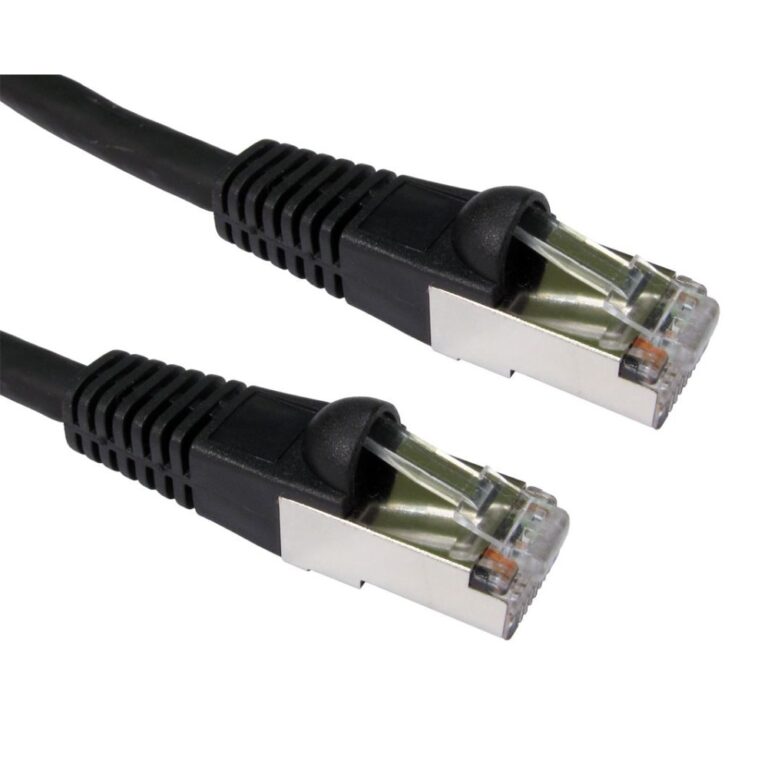
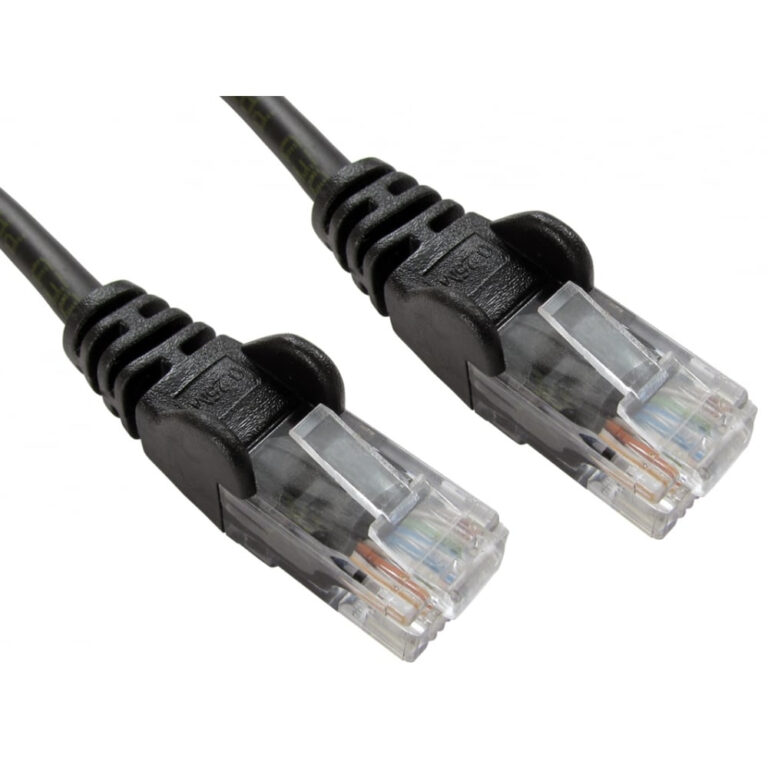
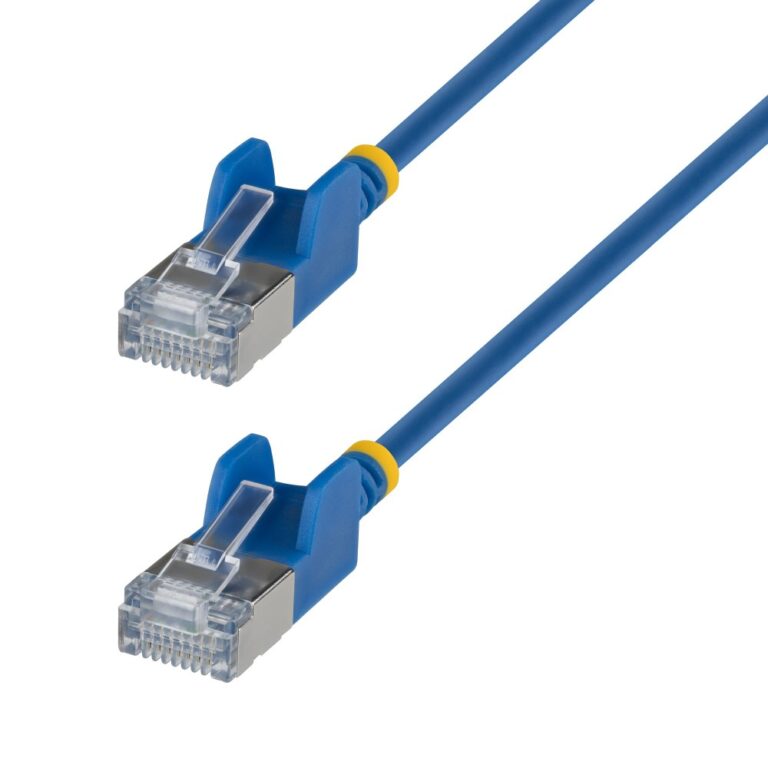
The range covers Cat5e, Cat6, Cat6a and Cat8 patch leads in lengths from half a metre up to ten metres and beyond. The category number is a speed and distance rating rather than a quality grade: Cat5e carries full gigabit and is enough for most homes, Cat6 is the sensible default on a new install, and Cat6a is what you want for 10 Gigabit runs or for PoE++ cameras and access points, because the extra shielding is what keeps the signal clean over a long run. Cat8 is built for short, very fast links between switches and is overkill at a desk.

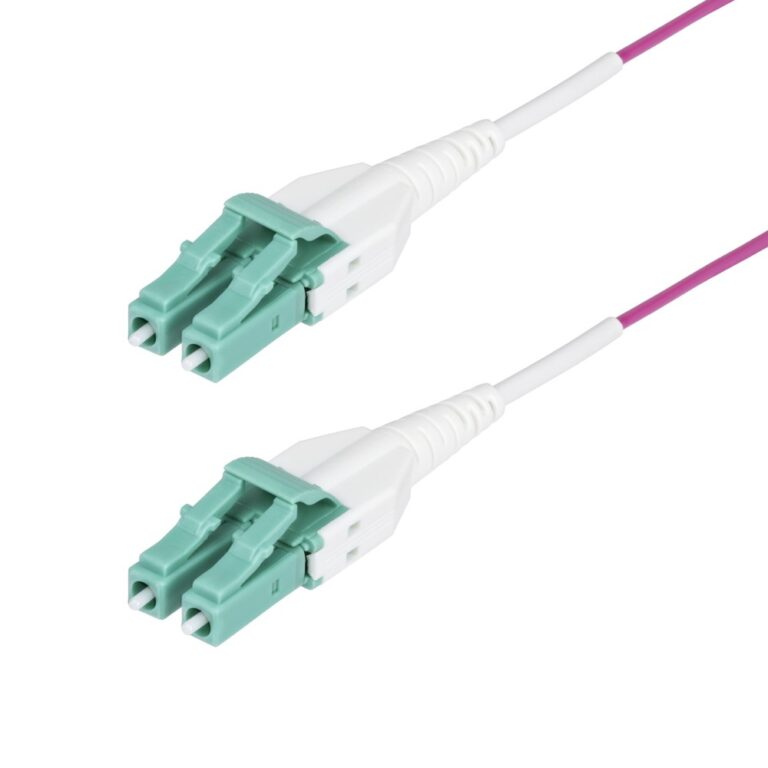
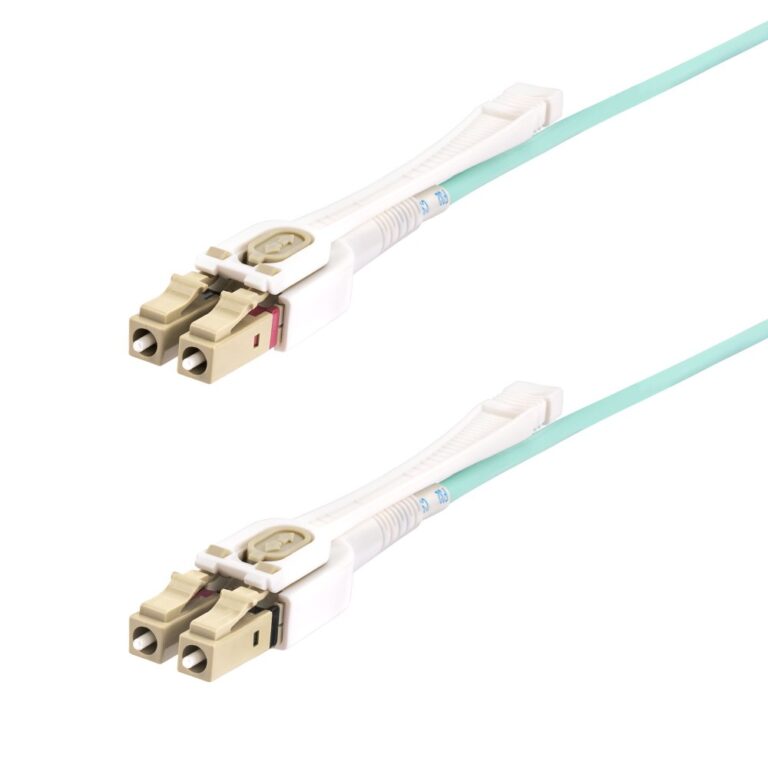
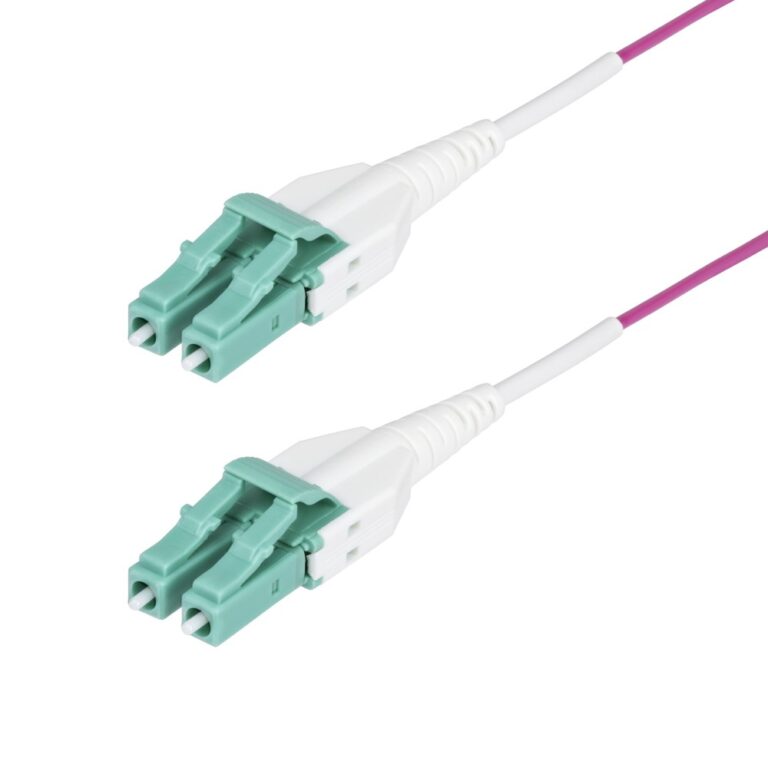
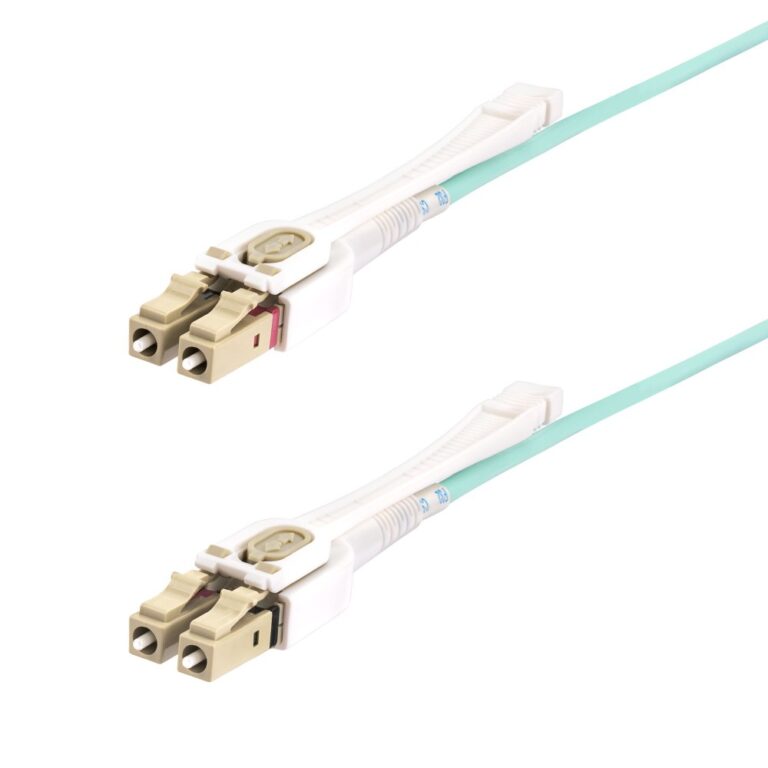
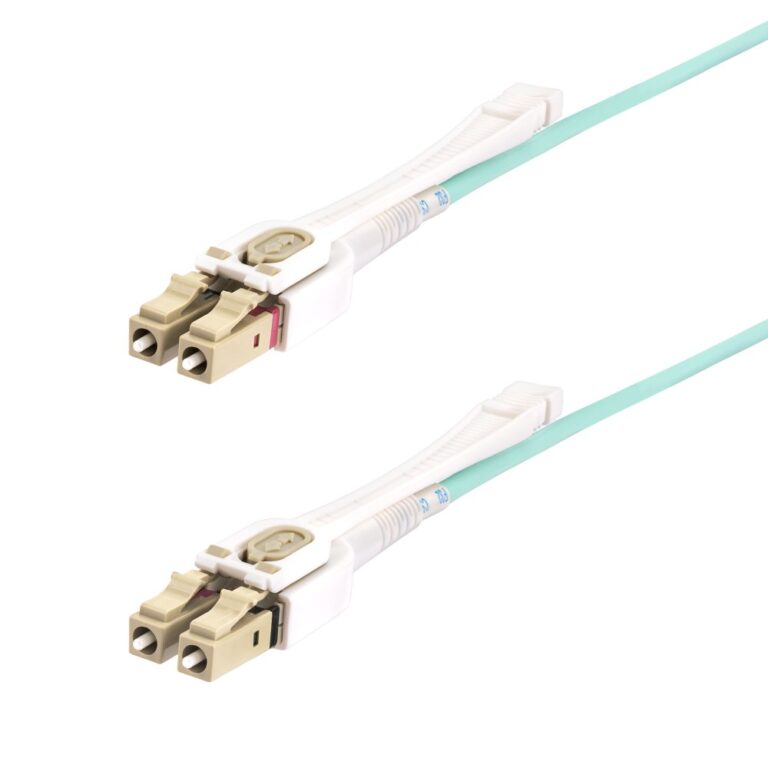
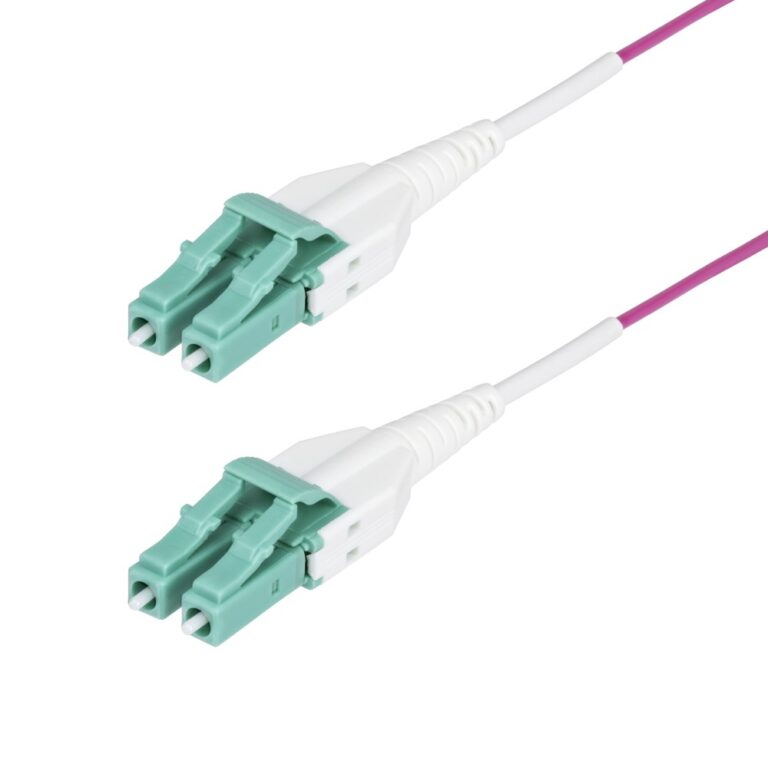
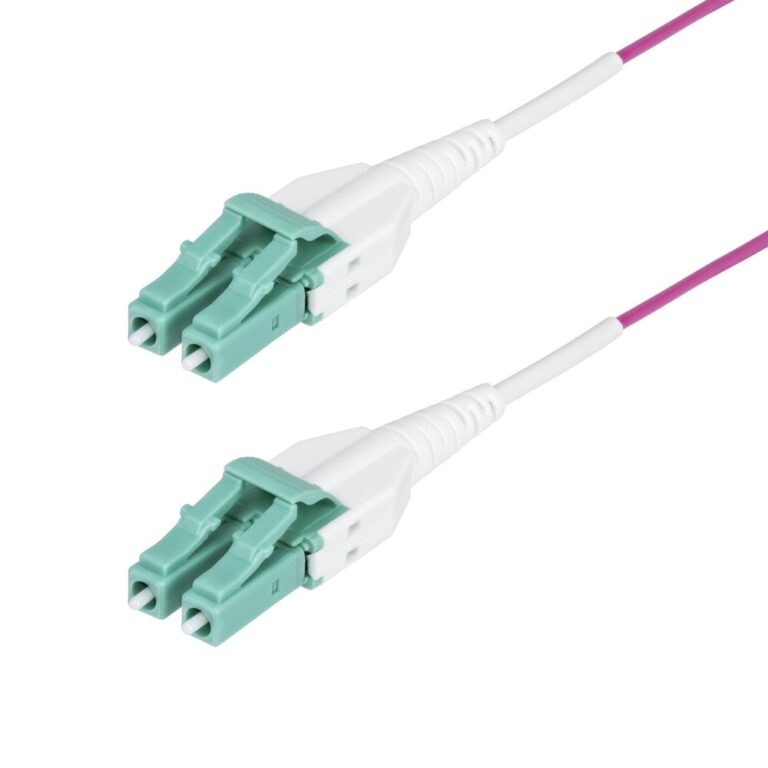
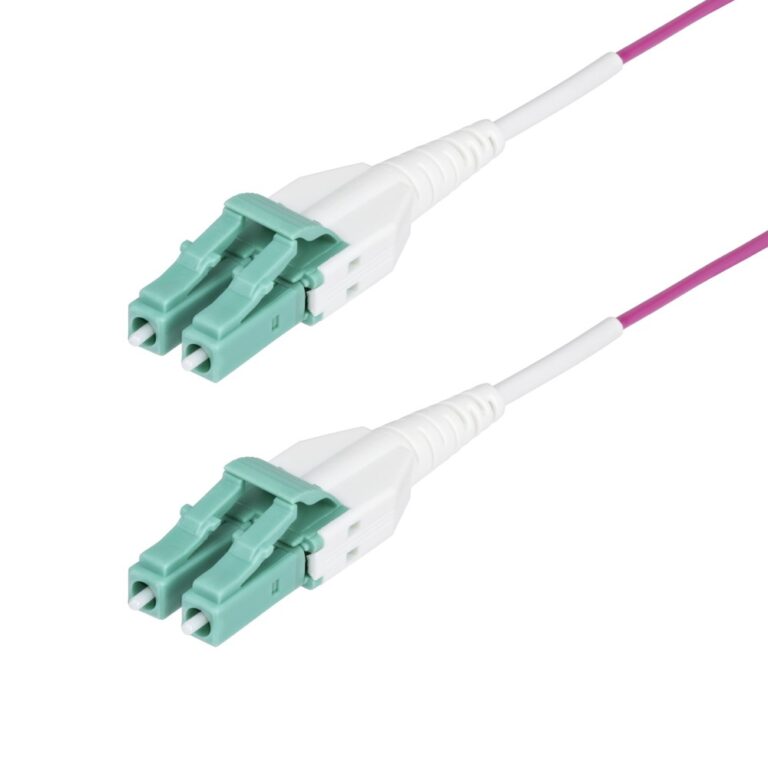
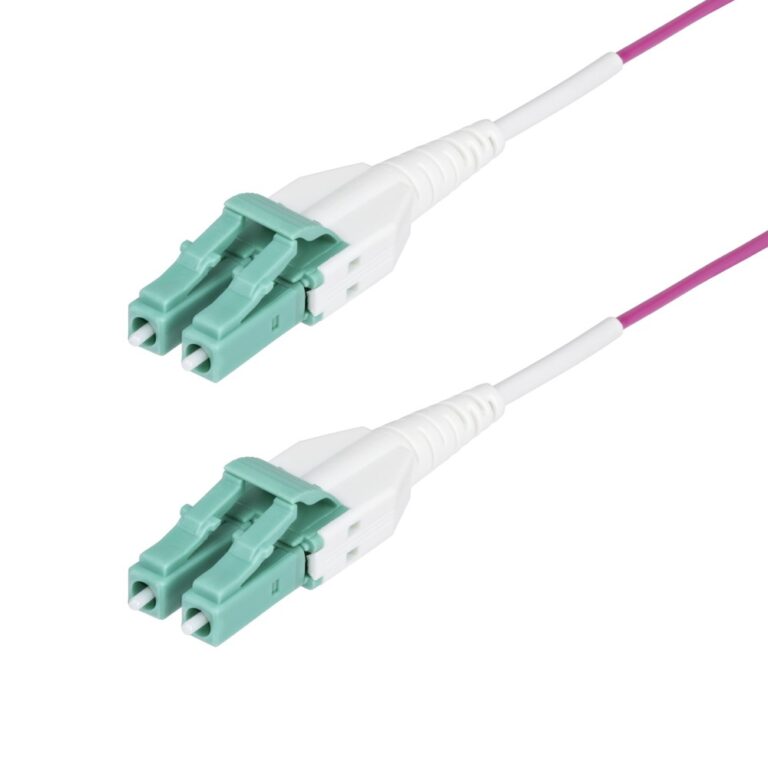
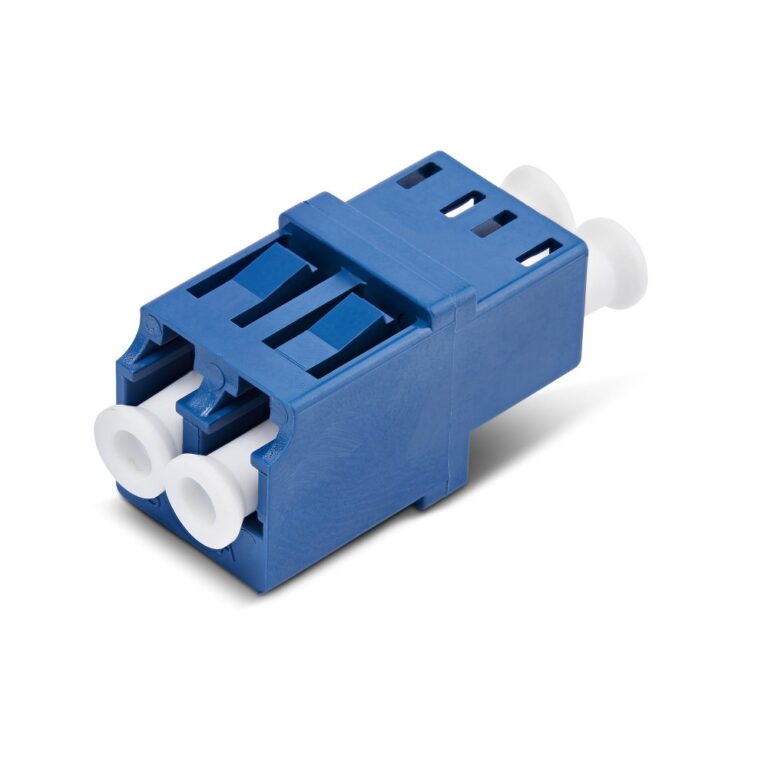
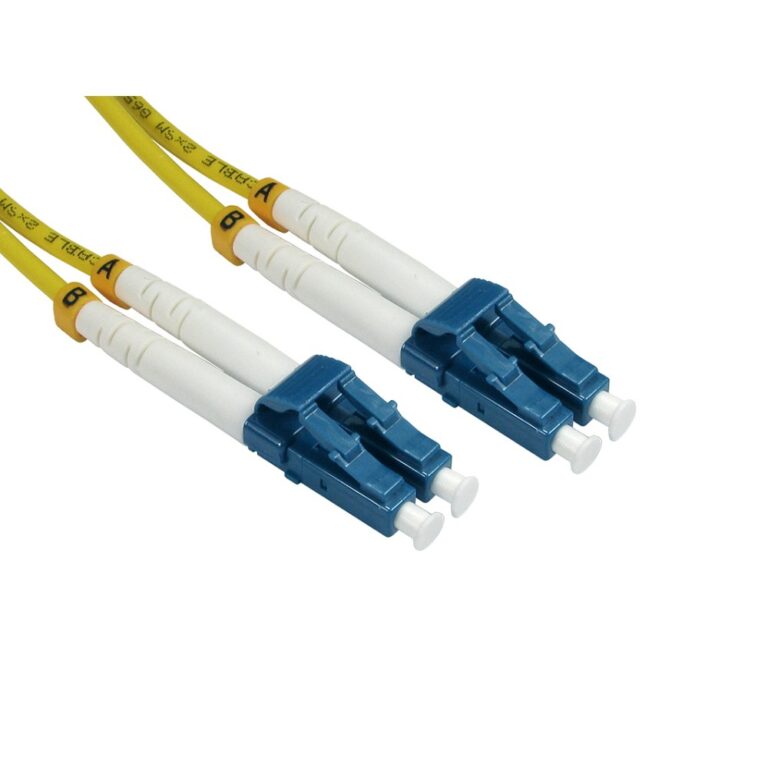
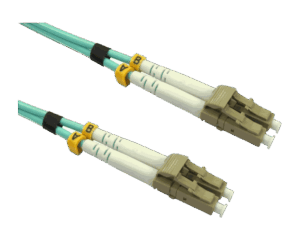
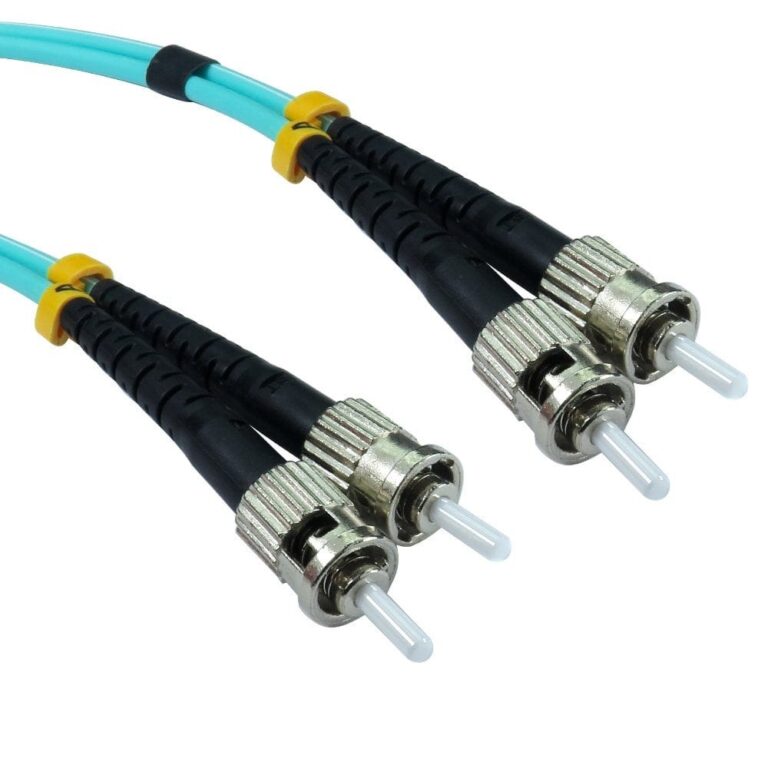
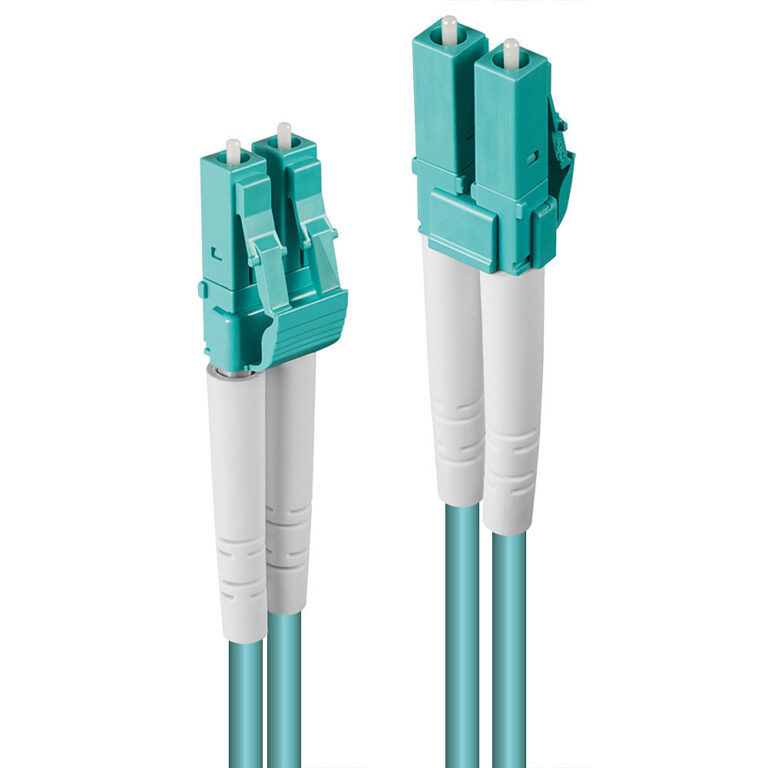
The jacket matters as much as the number. UTP is fine inside a house; shielded and LSZH versions are the ones to use in trunking, in ceilings and anywhere a fire officer will ask about the cable. LC fibre patch leads sit in this range too, for the links between switches.

Building out the rest of the network? Pair these with our network switches.

Network Cables Buying Guide and FAQ

This Network Cables range covers network cables. Below are the common questions.

Which network cable do I need?

Cat6 is a sensible all-round choice for a fast, reliable wired connection. For most home networks, Cat6 is a safe pick.

What length of cable should I buy?

Measure the run and add a little slack so the cable reaches comfortably without strain. Shorter cables keep things tidy, while longer runs suit connecting rooms or reaching a router across the house.

Will a wired connection be faster than Wi-Fi?

A wired network connection is usually faster and far more stable than Wi-Fi, with lower latency, which is ideal for gaming, large downloads and video calls. Where you can, wire your main devices for the best results.