
Brand
 ANTECANTEC 20
 ASROCKASROCK 49
 ASUSASUS 21
 ASUS ACCESSORIESASUS ACCESSORIES 22
 BEQUIETBEQUIET 43
 CITCIT 3
 COOLERMASTERCOOLERMASTER 11
 CORSAIRCORSAIR 21
 CRONUSCRONUS 4
 DEEPCOOLDEEPCOOL 9
 EVO LABSEVO LABS 3
 FRACTAL DESIGNFRACTAL DESIGN 4
 GAMEMAXGAMEMAX 8
 GIGABYTEGIGABYTE 13
 HP POLYHP POLY 4
 LENOVOLENOVO 3
 MSIMSI 21
 SEASONICSEASONIC 22
 STARTECHSTARTECH 2
 TARGETTARGET 1
 VIDAVIDA 12

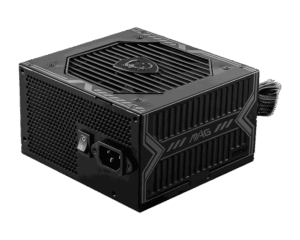
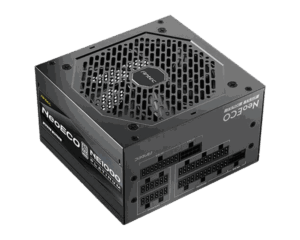
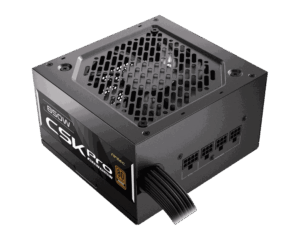
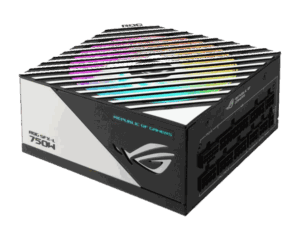
New
New
New
Save £19
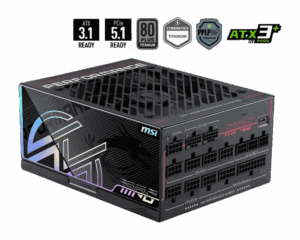
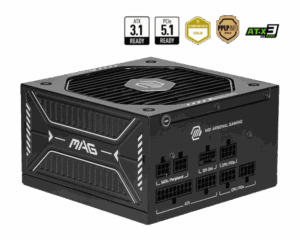
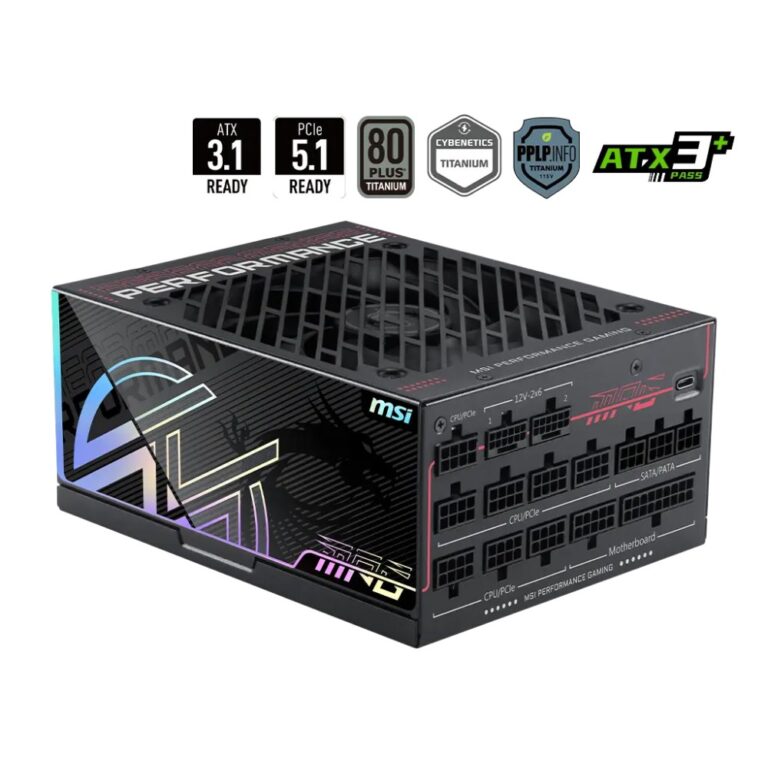
MSI MPG Ai1300TS Power Supply Unit 1300 W ATX 3.1 80 Plus Titanium Fully Modular Black
In stock
Original price was: £369.59.£350.39Current price is: £350.39.

Save £18
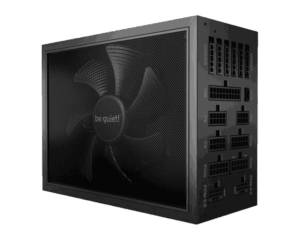
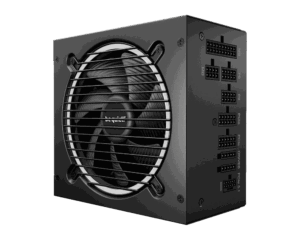
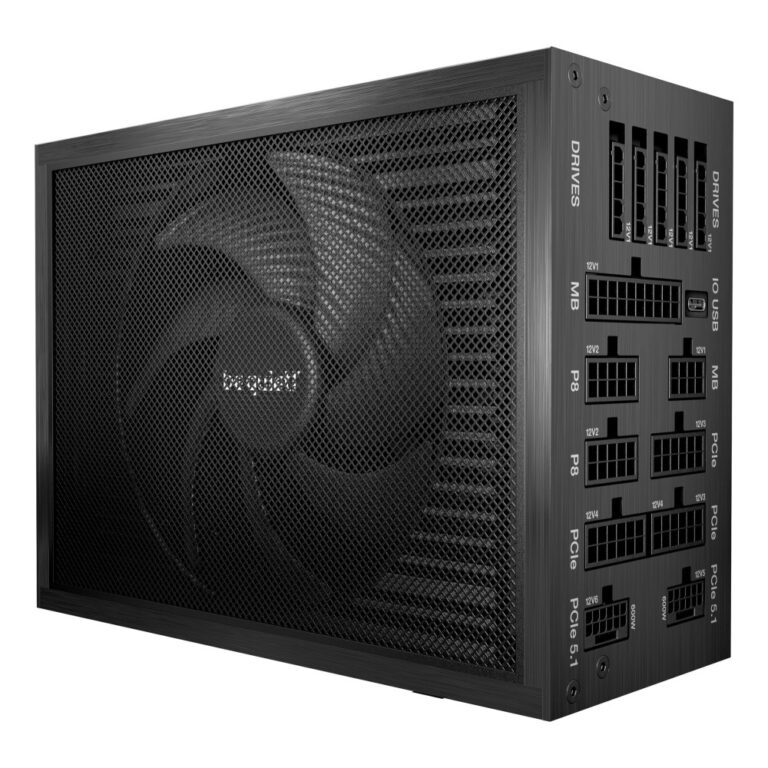
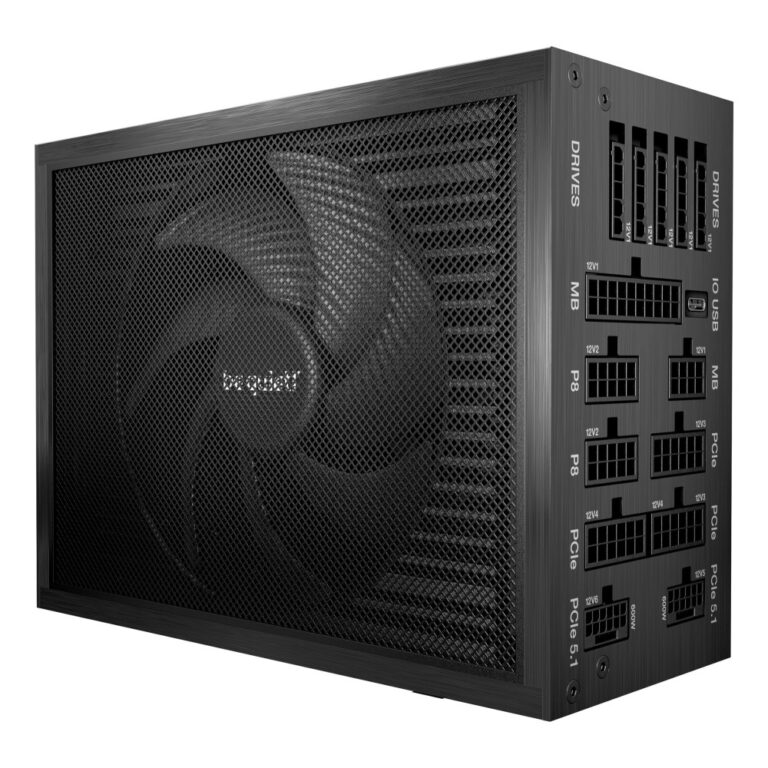
be quiet! Dark Power Pro 13 1300W Power Supply ATX 3.0 80 Plus Titanium Modular
In stock
Original price was: £323.99.£305.99Current price is: £305.99.
Save £8.40
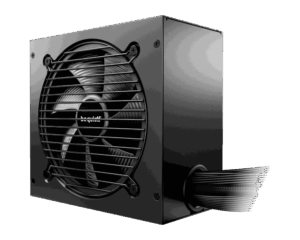
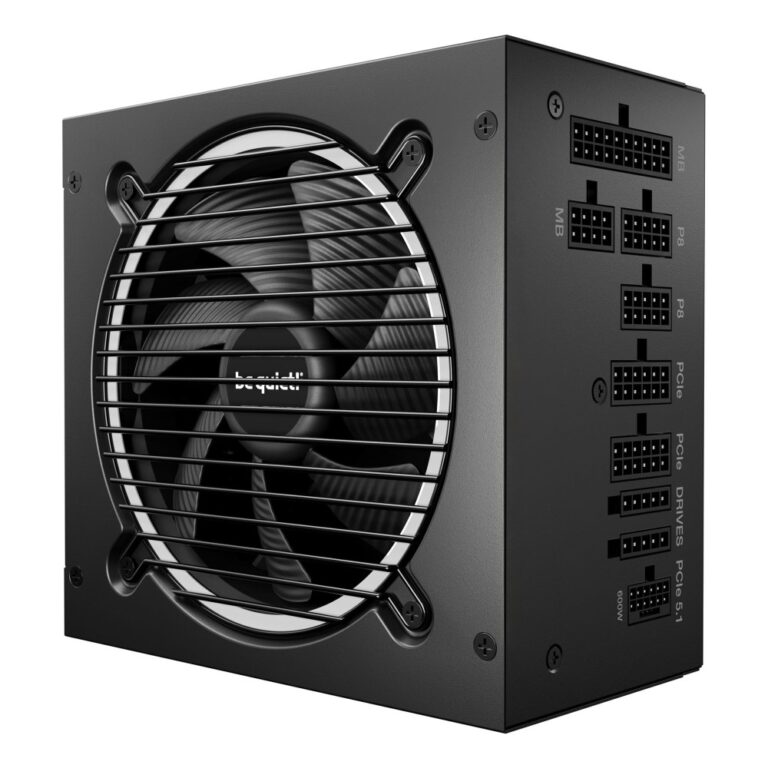
be quiet! Pure Power 13 M 850W Power Supply 80 PLUS Gold Fully-Modular Black
In stock
Original price was: £125.99.£117.59Current price is: £117.59.
Save £16
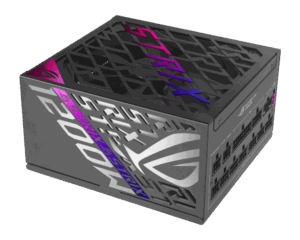
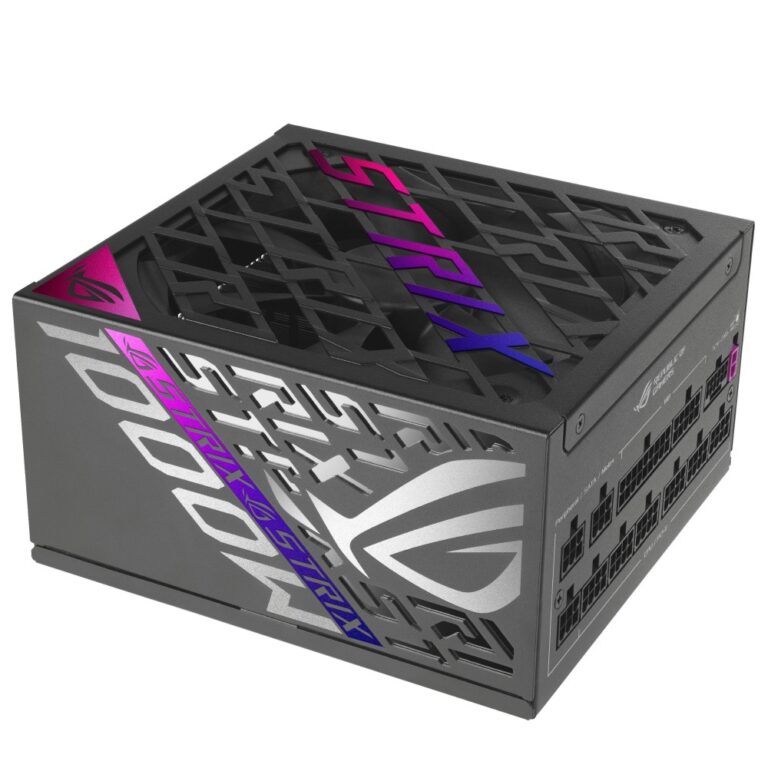
ASUS ROG Strix 1000W Power Supply, 80 PLUS Platinum, Fully-Modular, ATX 3.1, Black
In stock
Original price was: £254.39.£238.79Current price is: £238.79.
Save £12
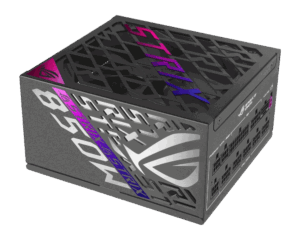
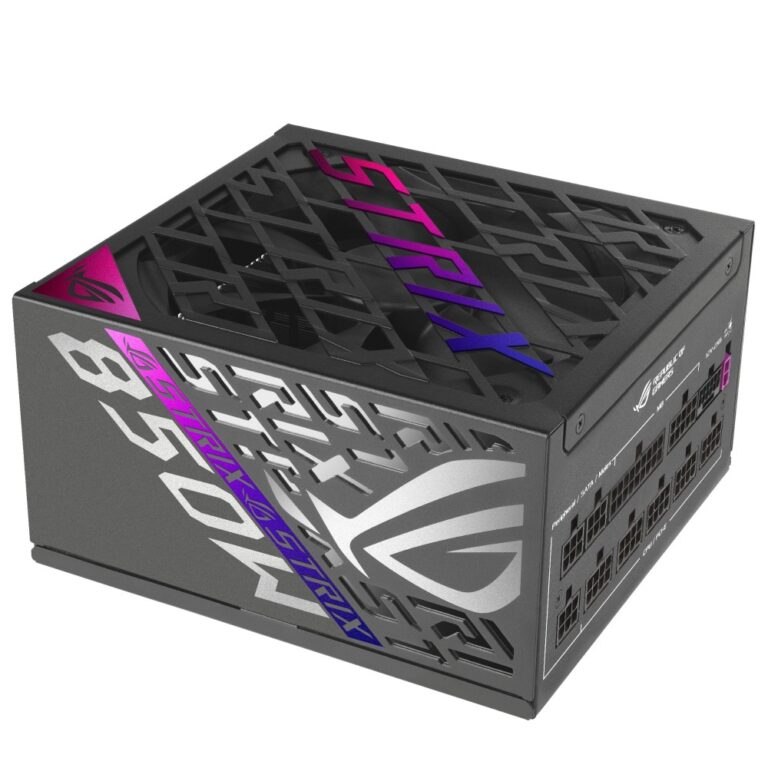
ASUS ROG Strix 850W Platinum Power Supply, ATX 3.1, Fully Modular, Black
In stock
Original price was: £184.79.£172.79Current price is: £172.79.
Save £8.40
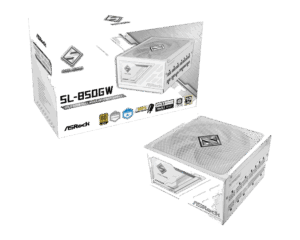
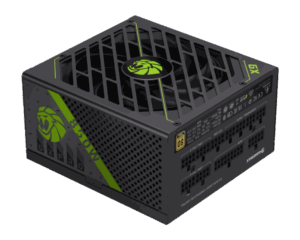
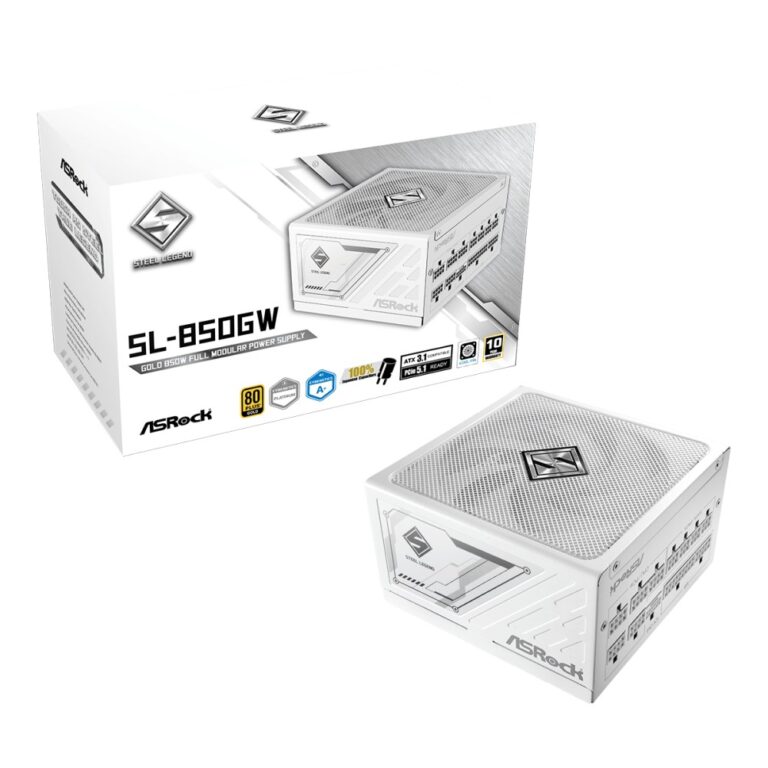
ASRock SL-850GW Steel Legend 850W 80 PLUS Gold Fully Modular ATX Power Supply White
In stock
Original price was: £146.39.£137.99Current price is: £137.99.
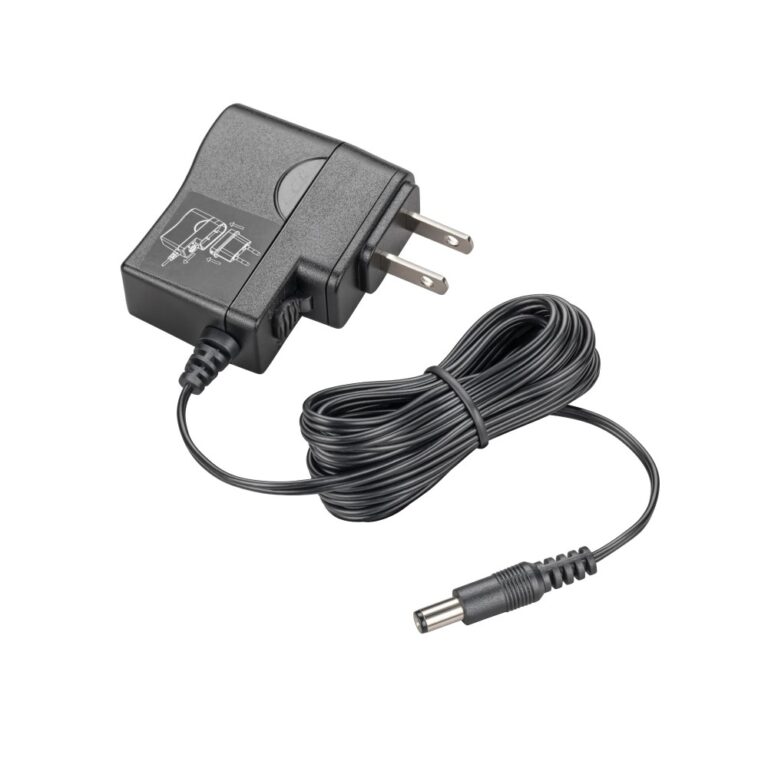
Save £1.20
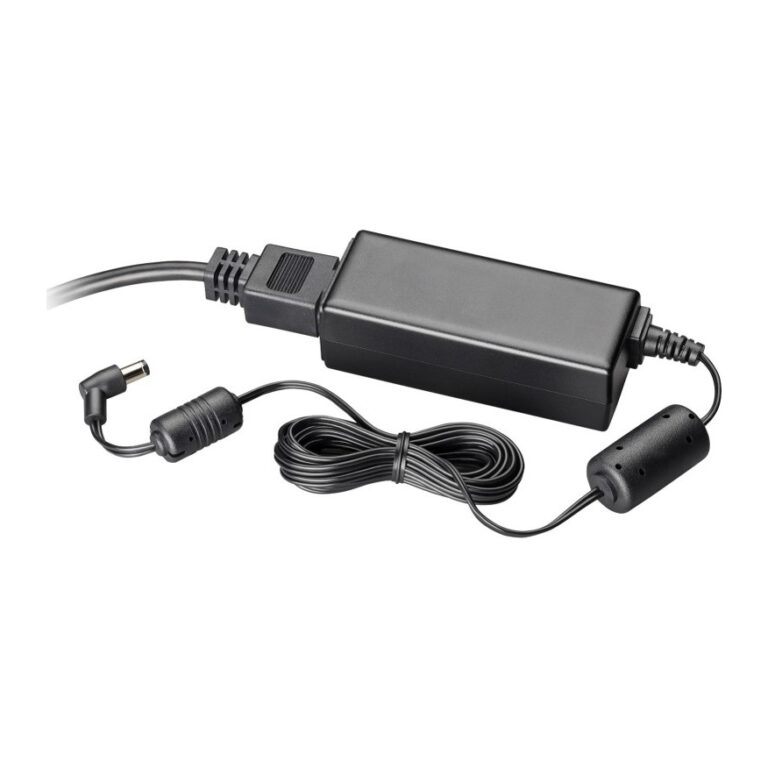
HP Poly Savi Office Universal AC Power Supply Straight Plug -9V 500mA Black
In stock
Original price was: £19.19.£17.99Current price is: £17.99.
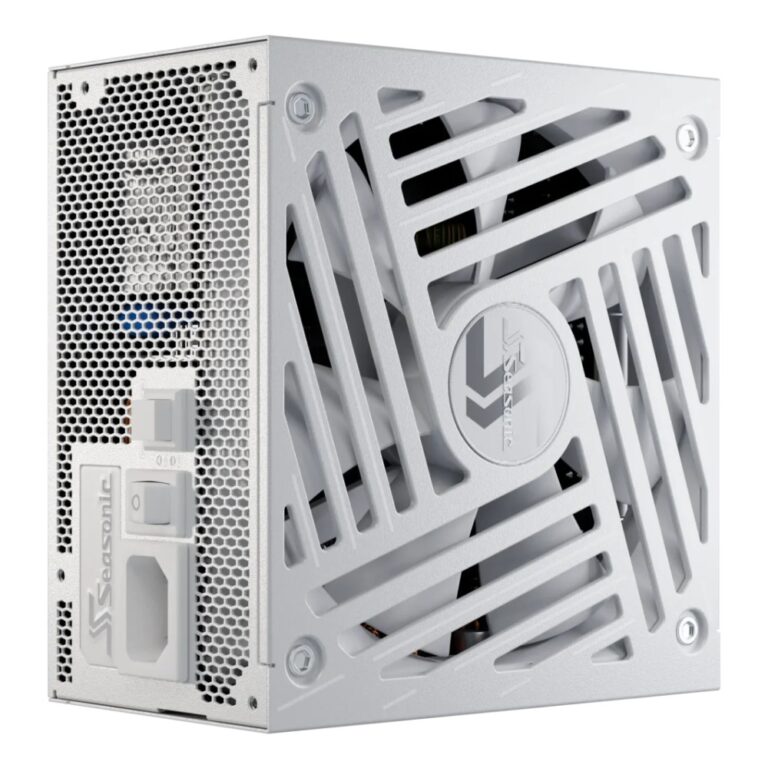
Save £9.60
Seasonic Focus GX-850 850W 80 Plus Gold Modular PSU White
In stock
Original price was: £161.99.£152.39Current price is: £152.39.
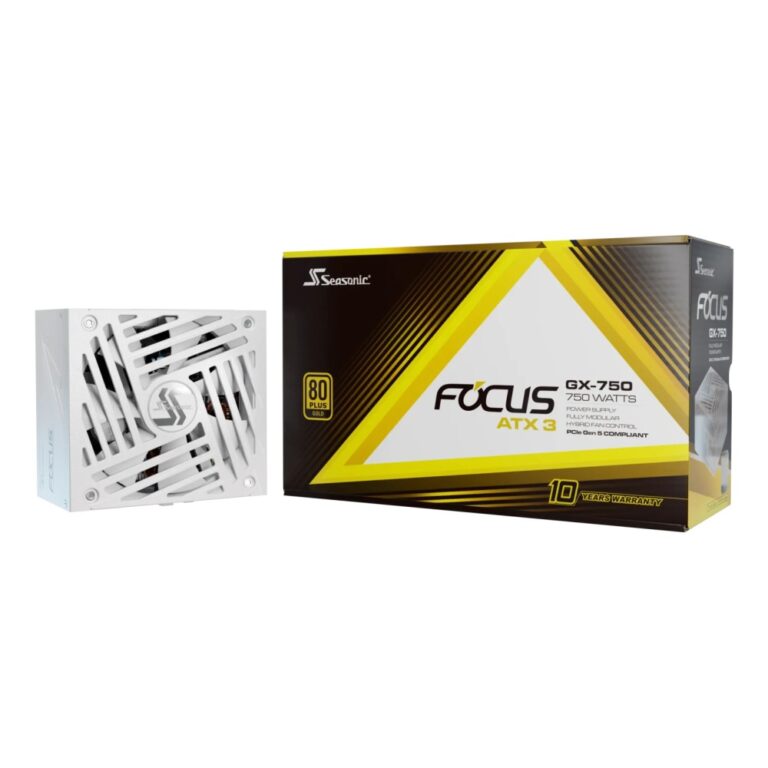
Save £8.40
Seasonic Focus GX 750W 24-pin ATX White PSU
In stock
Original price was: £147.59.£139.19Current price is: £139.19.
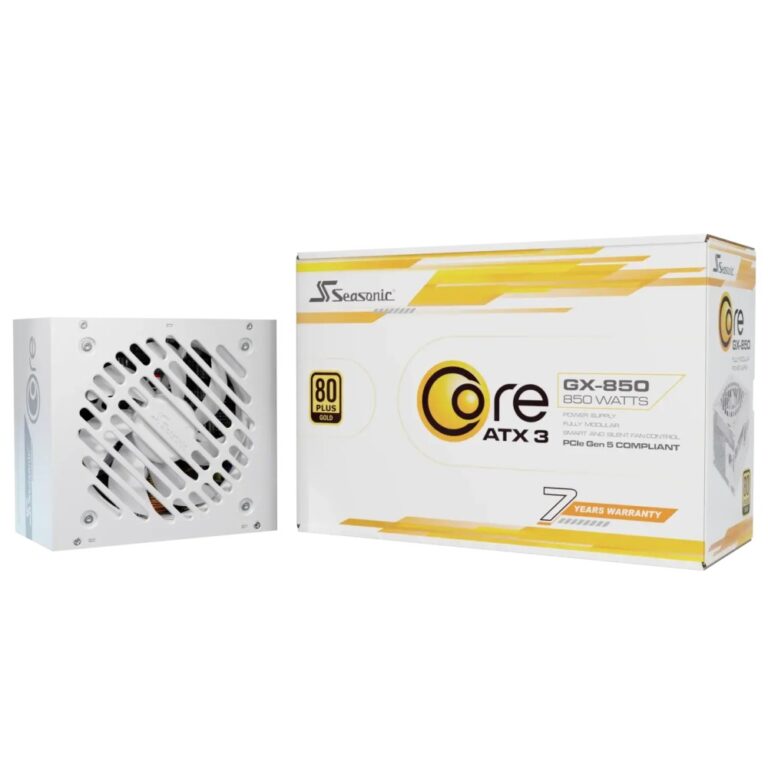
Save £9.60
Seasonic CORE GX-850, 850W ATX Power Supply, White
In stock
Original price was: £143.99.£134.39Current price is: £134.39.
Save £7.20
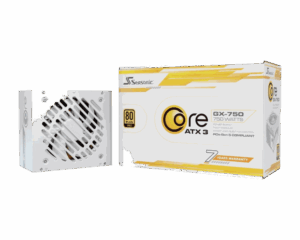
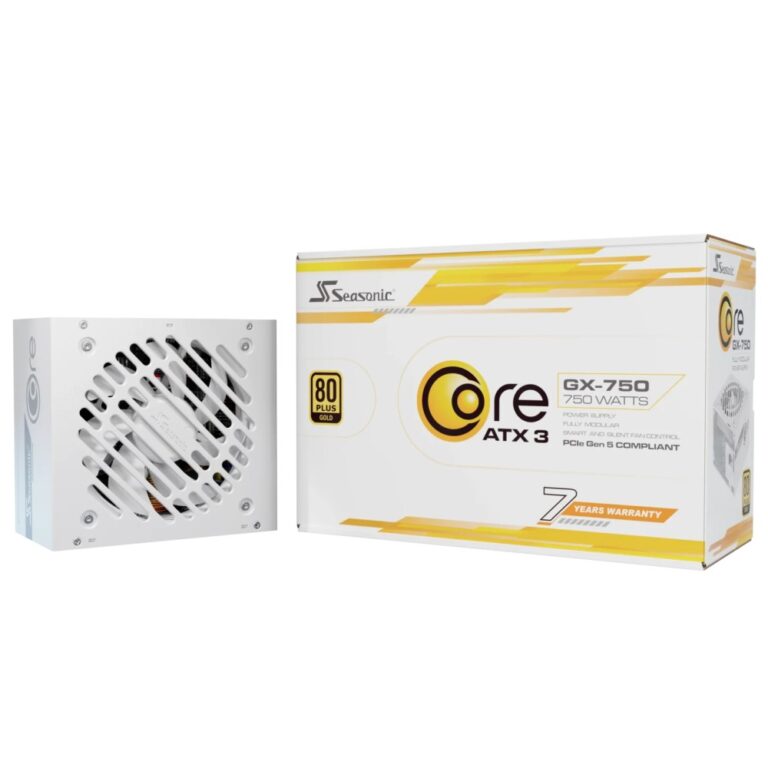
Seasonic CORE GX-750 750W 80 PLUS Gold Fully-Modular ATX 3.1 Power Supply, White
In stock
Original price was: £121.19.£113.99Current price is: £113.99.
Save £7.20
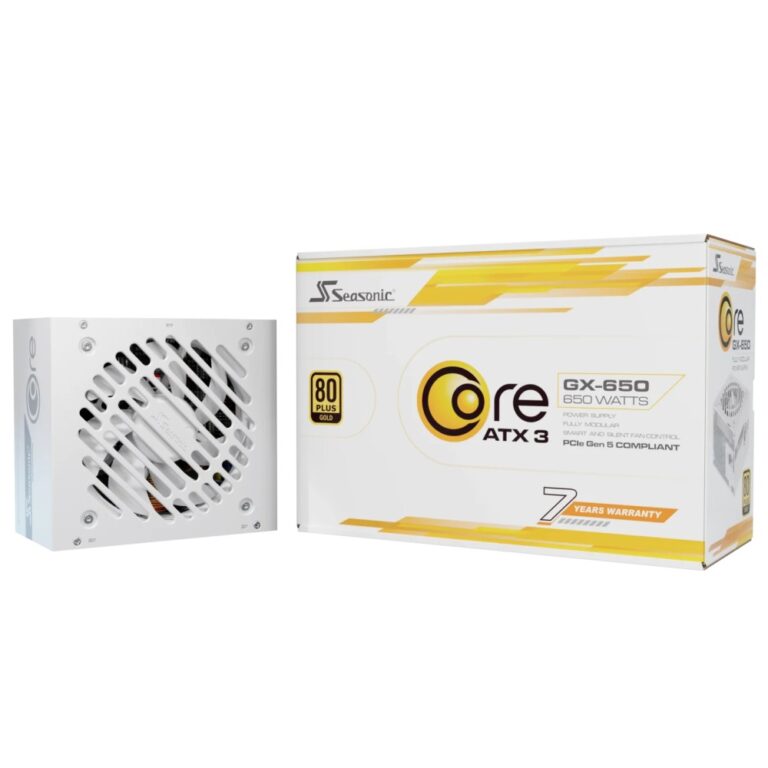
Seasonic CORE GX-650 650W 80 PLUS Gold ATX PSU
In stock
Original price was: £111.59.£104.39Current price is: £104.39.
Save £7.20
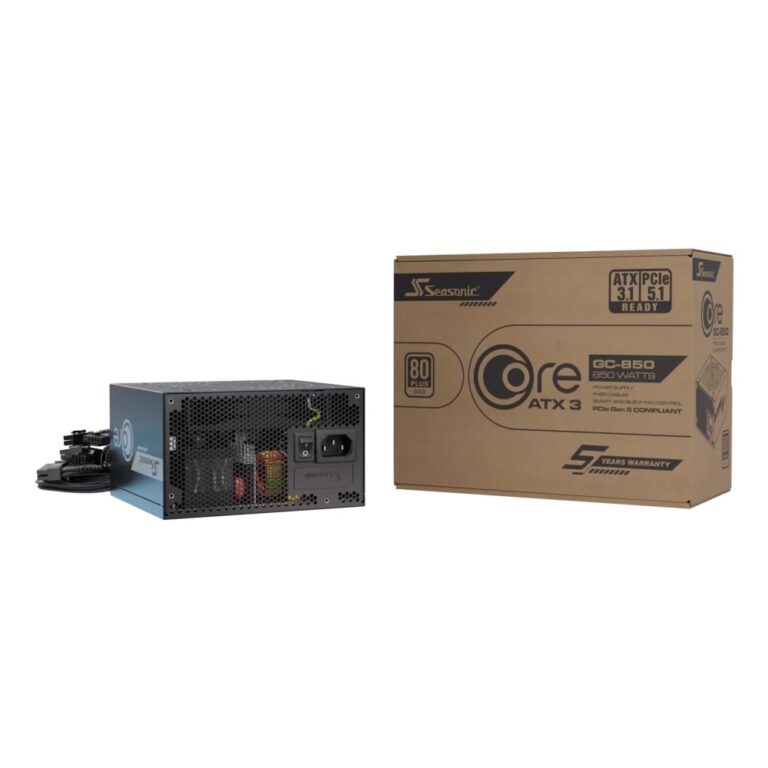
Seasonic CORE GC-850 ATX 3.1 850W Power Supply Black
In stock
Original price was: £113.99.£106.79Current price is: £106.79.
Save £6.00
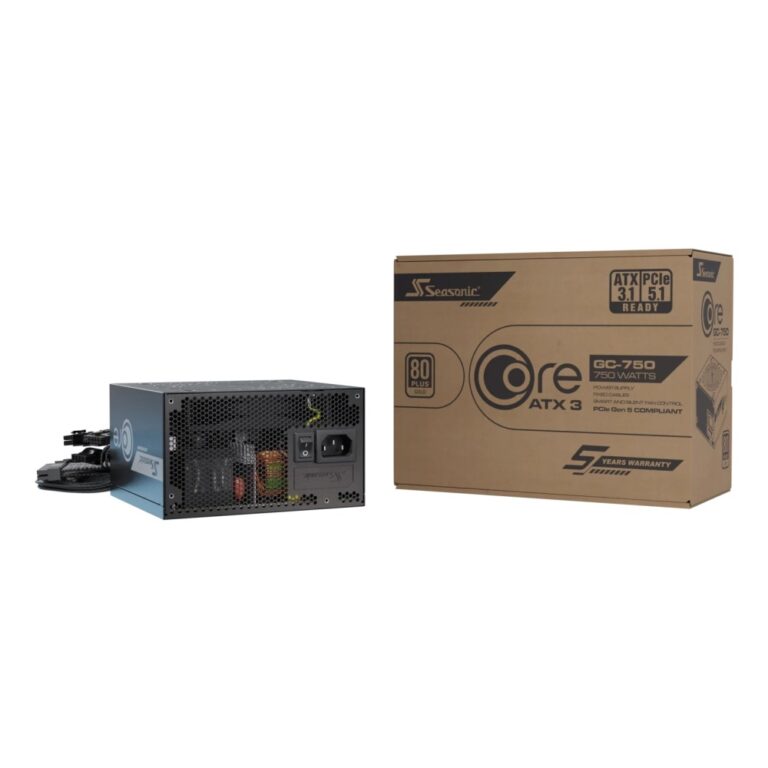
Seasonic CORE GC-750 ATX 3.1 PSU 750W Black
In stock
Original price was: £98.39.£92.39Current price is: £92.39.
Save £6.00
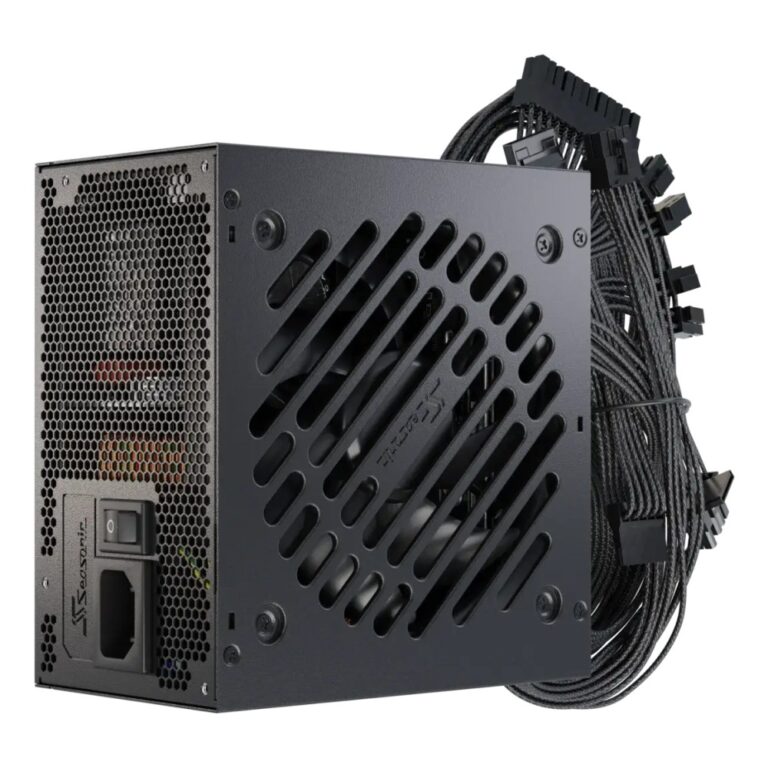
Seasonic CORE GC-650 650W ATX 3.1 PSU Black
In stock
Original price was: £86.39.£80.39Current price is: £80.39.
Save £3.60
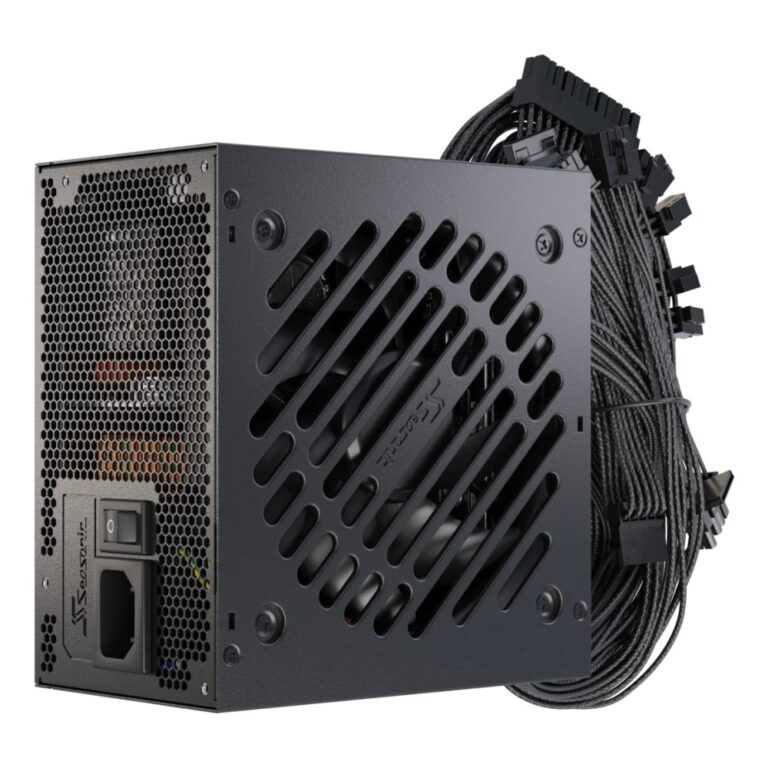
Seasonic CORE BC-650 650W 80 PLUS Bronze ATX PSU
In stock
Original price was: £63.59.£59.99Current price is: £59.99.
Save £9.60
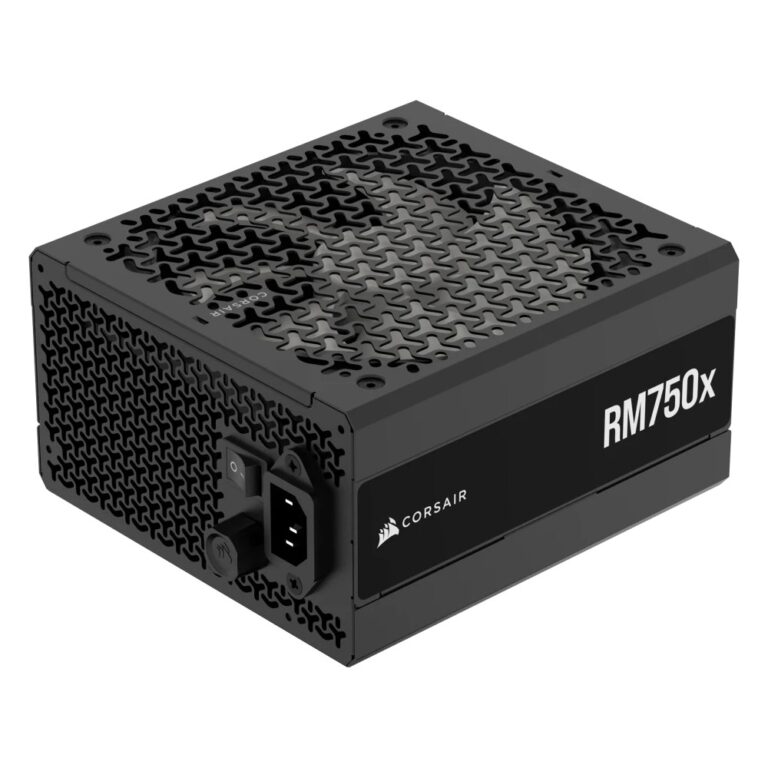
Corsair RM750x Power Supply 750W 80 PLUS Gold Fully Modular ATX 3.1 Black
In stock
Original price was: £149.99.£140.39Current price is: £140.39.
Save £13
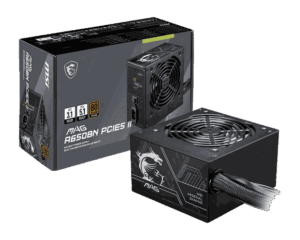
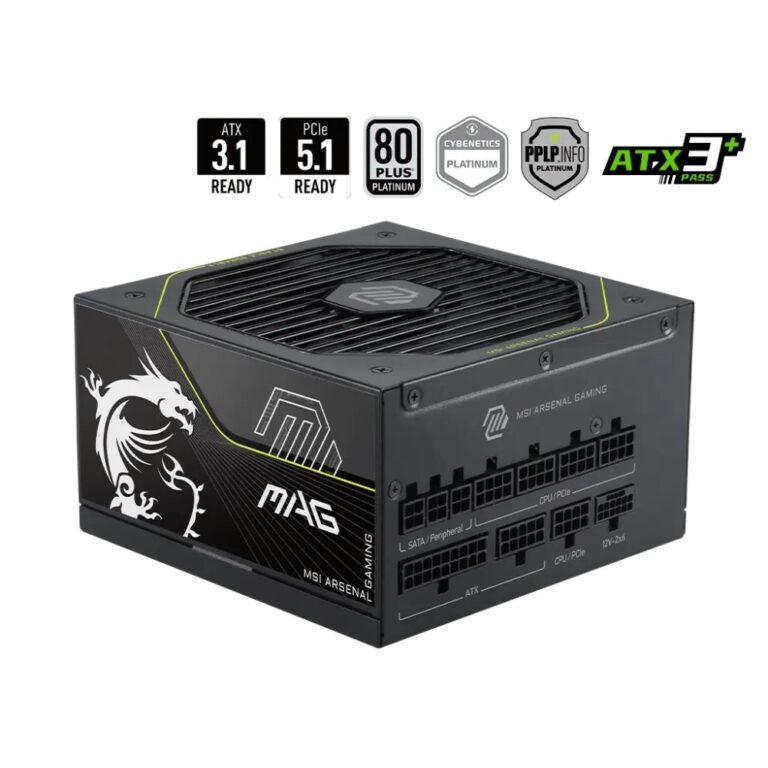
MSI MAG A1200PLS 1200W PCIe 5 ATX PSU Black
In stock
Original price was: £199.19.£185.99Current price is: £185.99.
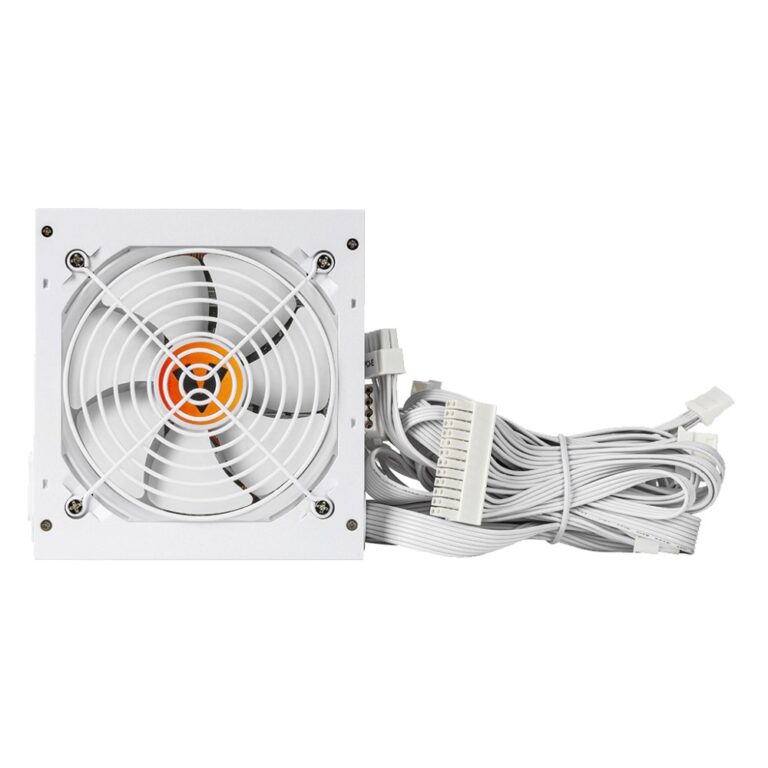
Save £2.40
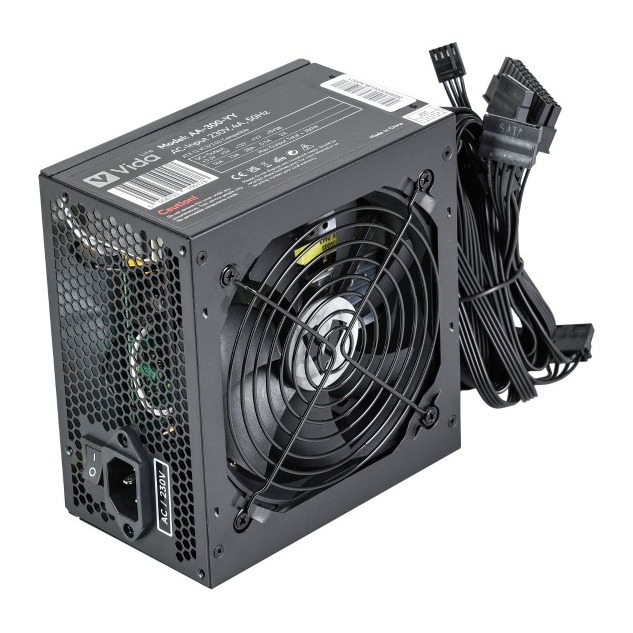
VIDA ATX-500W-WHT 500W ATX PSU White
In stock
Original price was: £37.19.£34.79Current price is: £34.79.
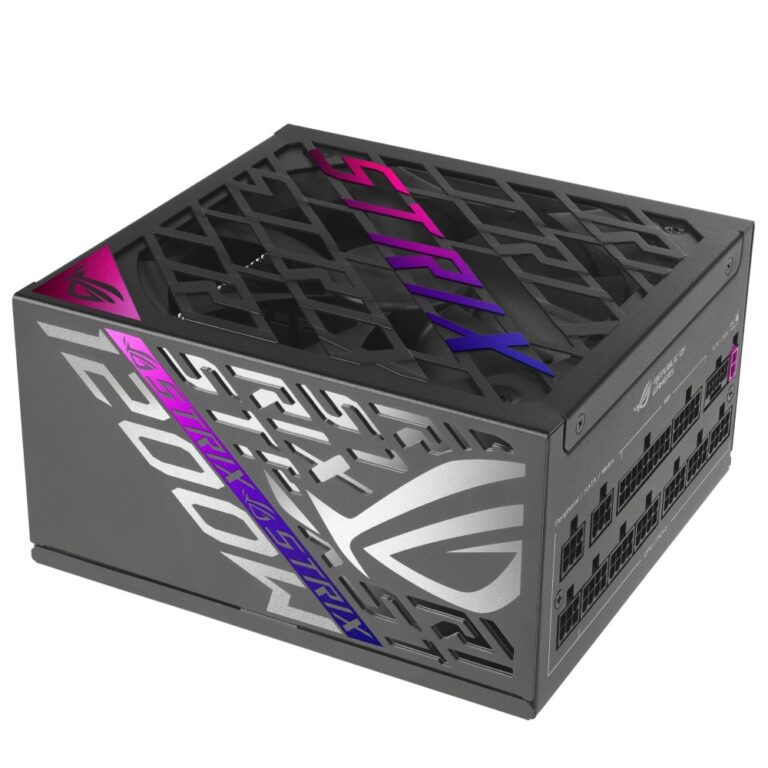
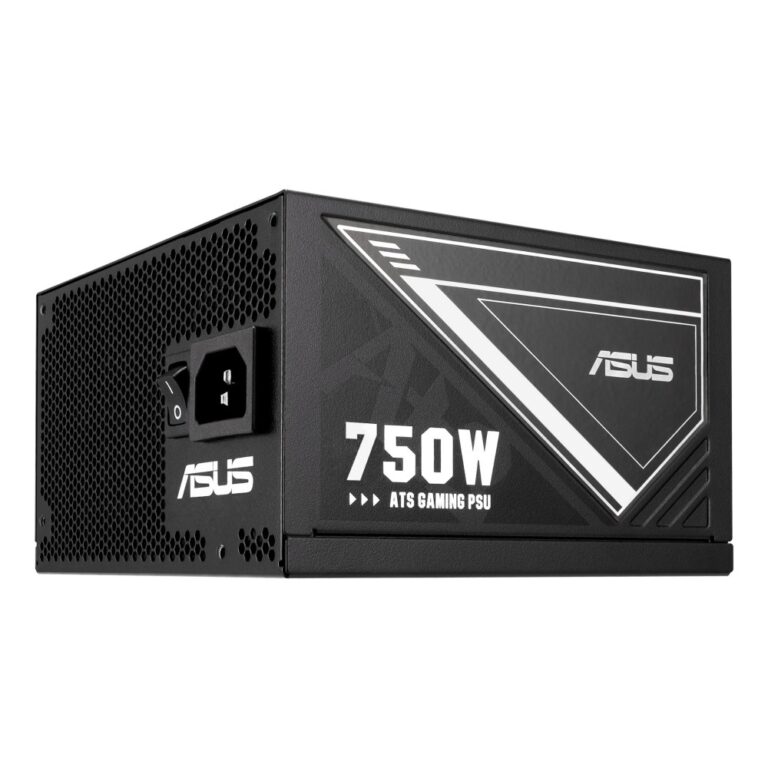
Save £4.80
ASUS ATS-750G 750W ATX Power Supply
In stock
Original price was: £77.99.£73.19Current price is: £73.19.
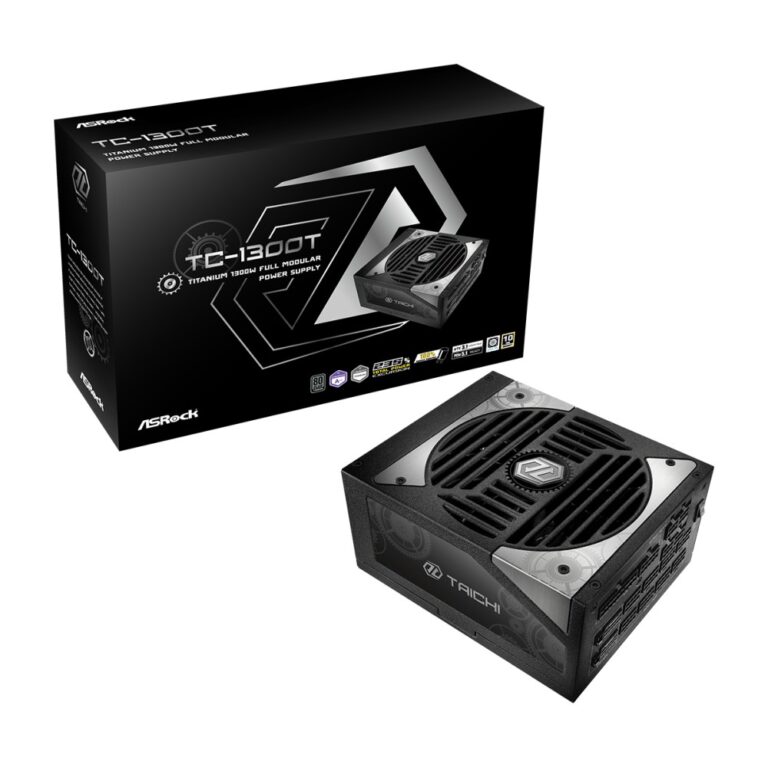
Save £19
Asrock TC-1300T 1300W ATX Power Supply
In stock
Original price was: £323.99.£304.79Current price is: £304.79.
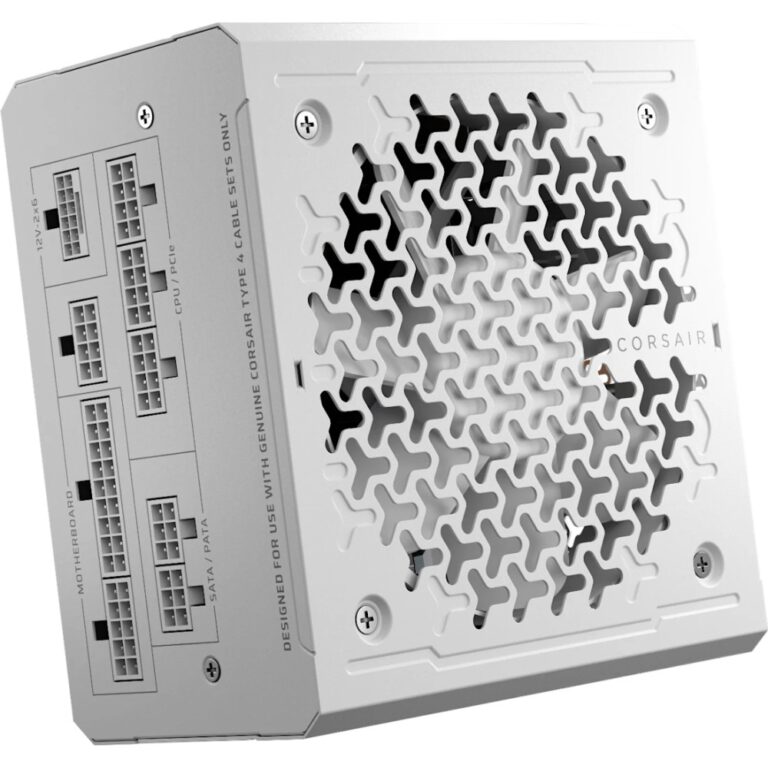
Save £8.40
Corsair RMe Series RM1000e 1000W ATX PSU White
In stock
Original price was: £169.19.£160.79Current price is: £160.79.
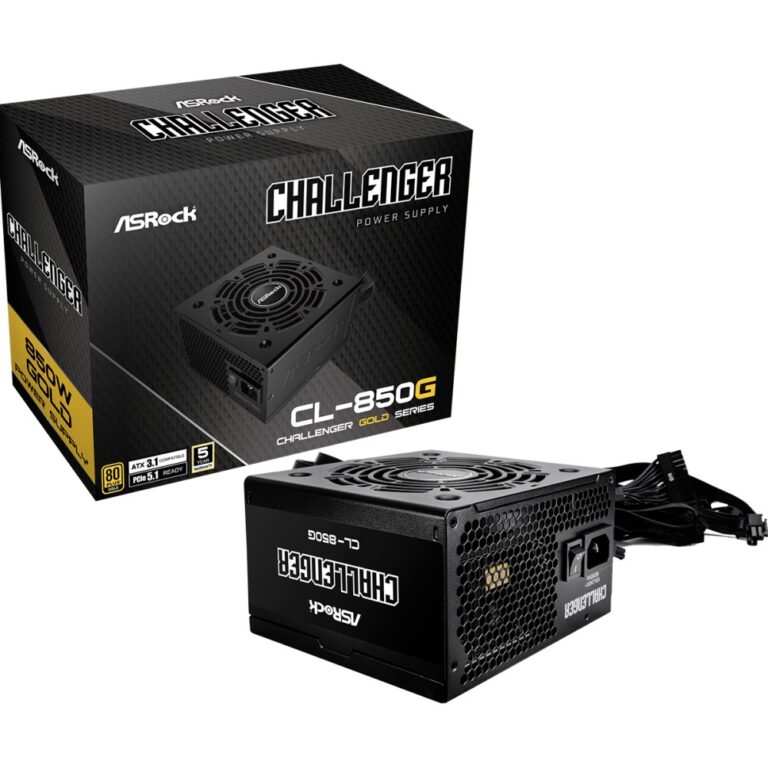
Save £6.00
Asrock Challenger CL-850G 850W ATX PSU Black
In stock
Original price was: £99.59.£93.59Current price is: £93.59.
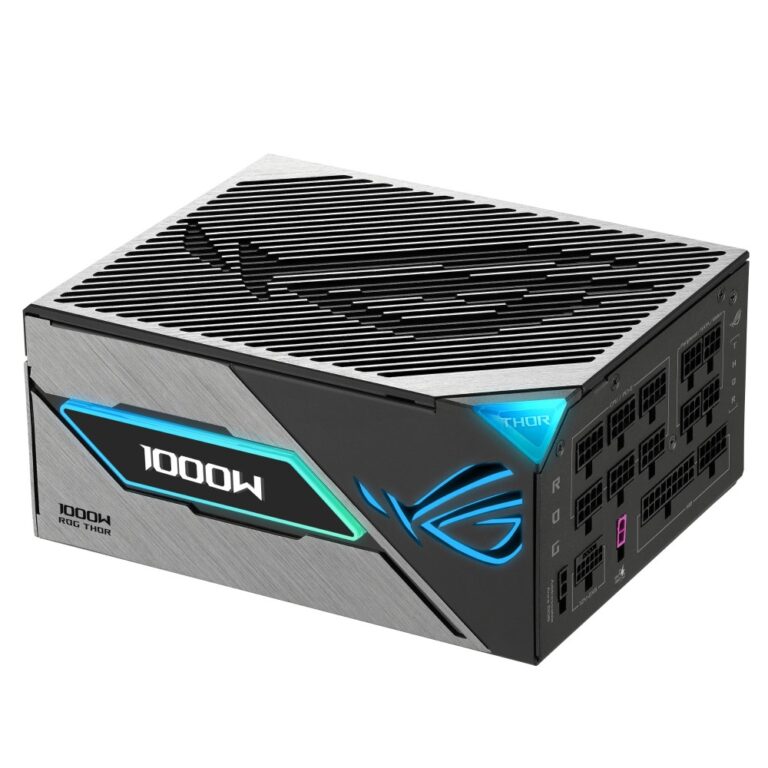
Save £23
ASUS ROG THOR 1000P3 1000W 80 PLUS Platinum ATX PSU Black
In stock
Original price was: £377.99.£355.19Current price is: £355.19.
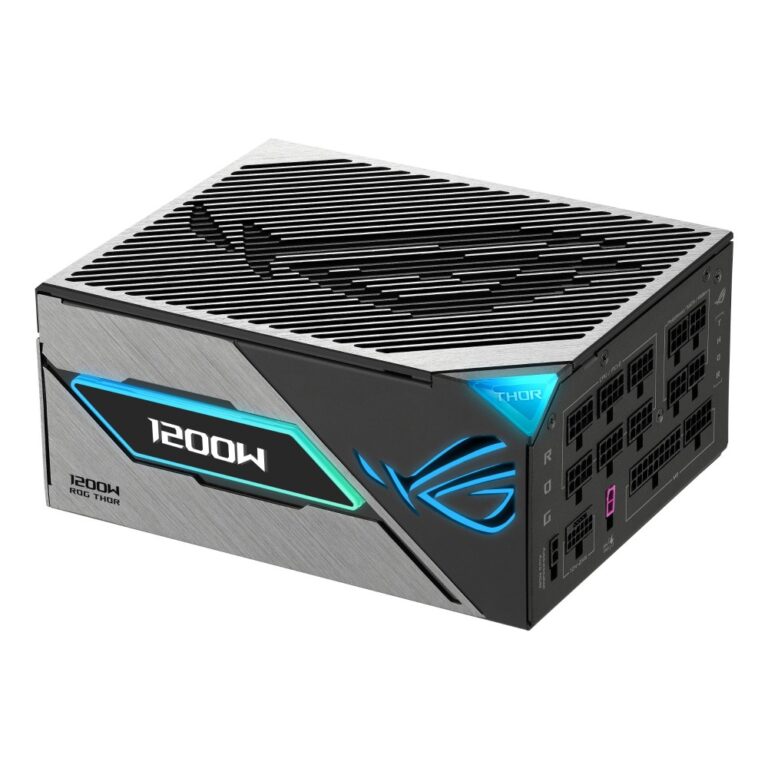
Save £26
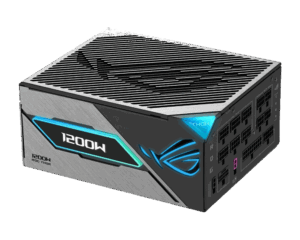
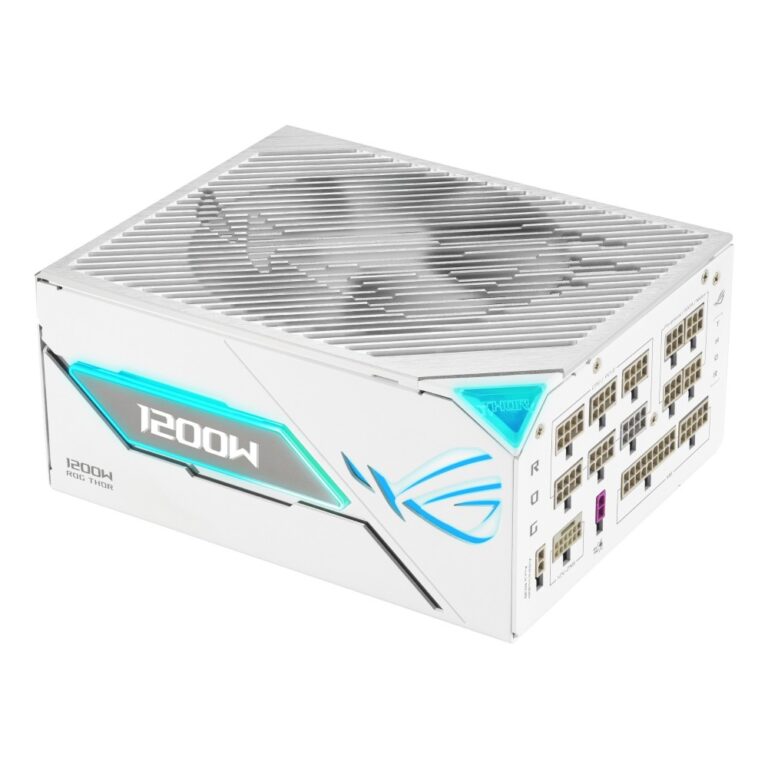
ASUS ROG THOR 1200P3 1200W ATX Power Supply
In stock
Original price was: £443.99.£417.59Current price is: £417.59.
Save £18
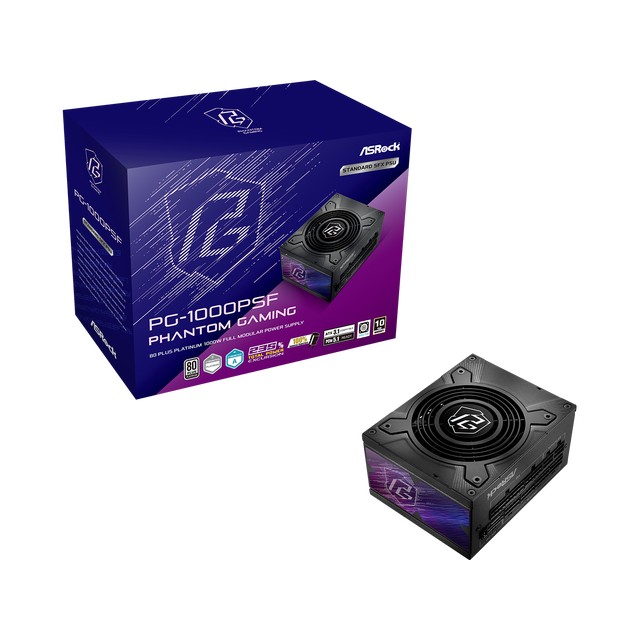
ASRock Phantom Gaming PG-1000PSF 1000W SFX PSU, 80 PLUS Platinum, ATX 3.1, PCIe 5.1, Fully Modular, Black
In stock
Original price was: £265.19.£247.19Current price is: £247.19.
Save £16
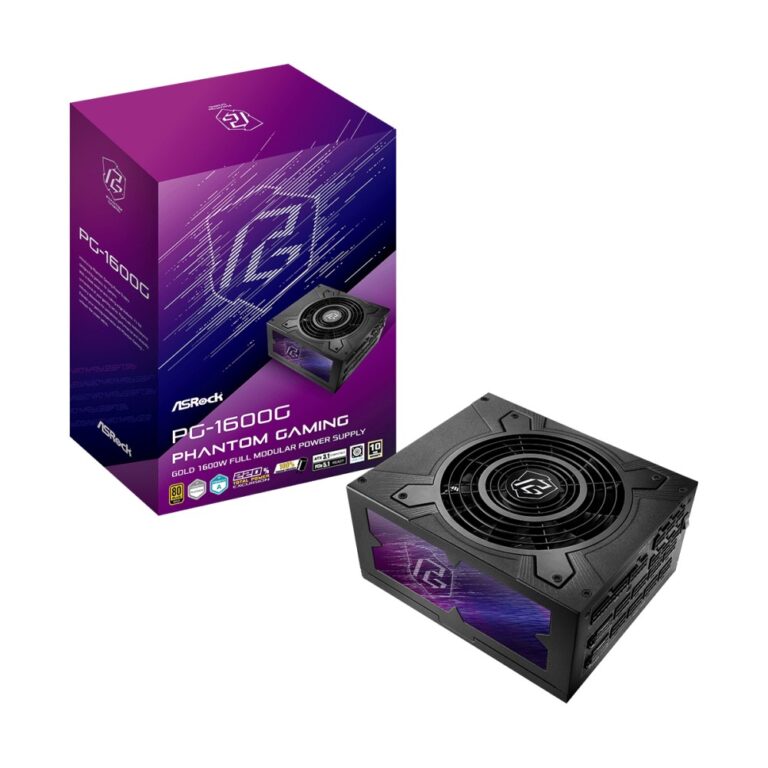
Asrock PG-1600G 1600W ATX PSU Black 20+4 pin
In stock
Original price was: £279.59.£263.99Current price is: £263.99.
Save £14
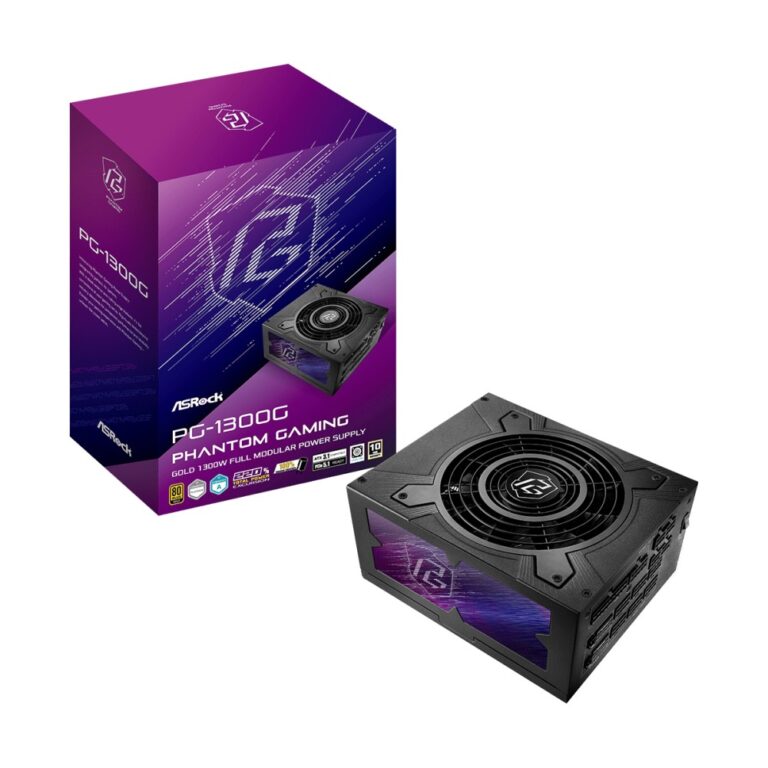
Asrock PG-1300G 1300W ATX PSU Black 20+4 Pin
In stock
Original price was: £213.59.£199.19Current price is: £199.19.
Save £3.60
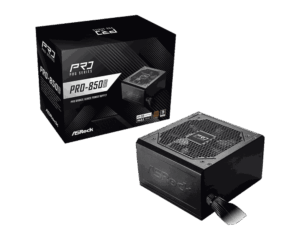
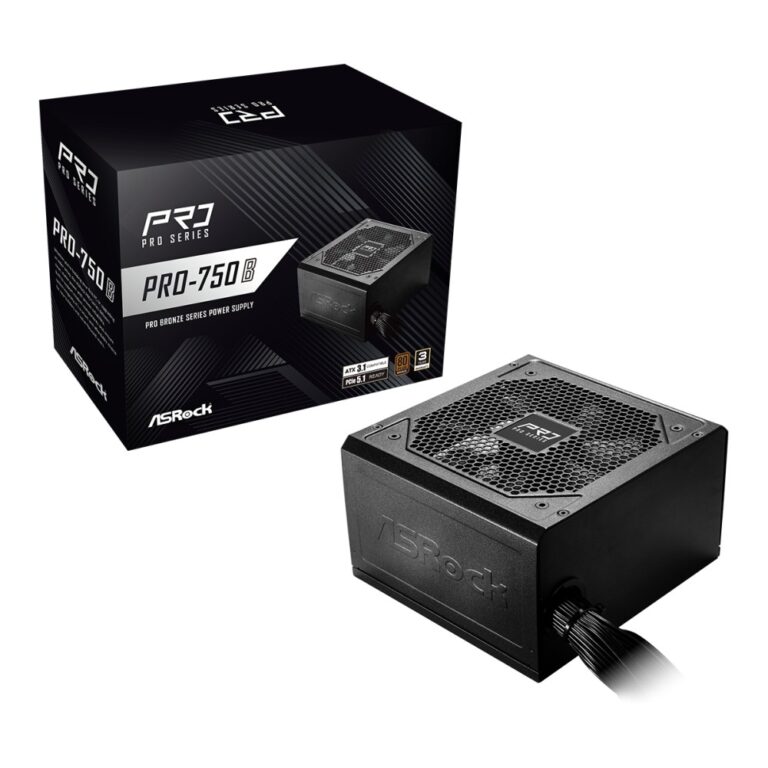
Asrock PRO-750B 750W ATX PSU Black
In stock
Original price was: £67.19.£63.59Current price is: £63.59.