
Brand
 ASROCKASROCK 109
 ASUSASUS 157
 GIGABYTEGIGABYTE 141
 MSIMSI 76
Save £6.00
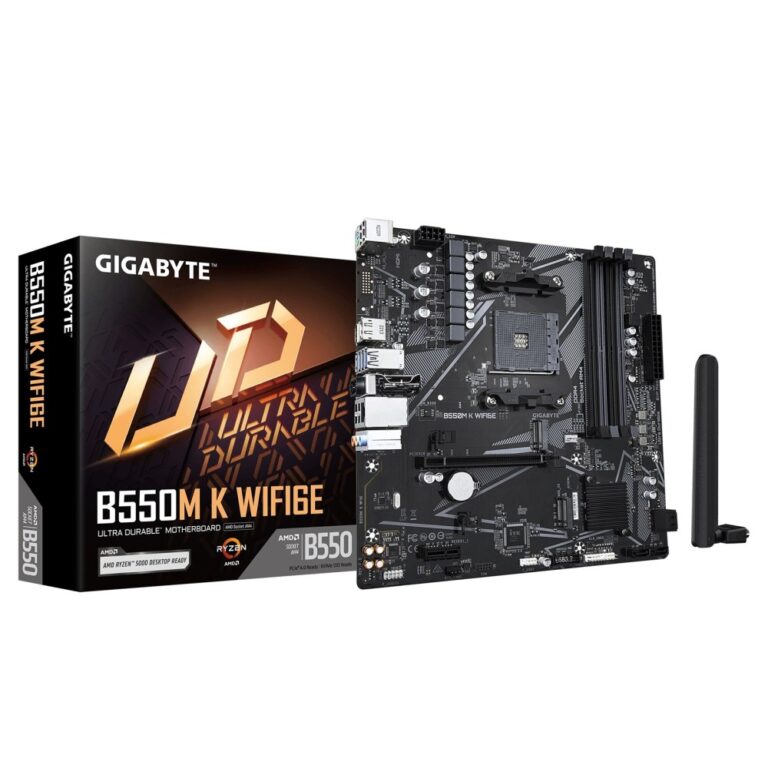
Gigabyte B550M K WIFI6E mATX AM4 Motherboard, 4xDDR4, 2xM.2, GbE LAN
In stock
Original price was: £105.59.£99.59Current price is: £99.59.
Save £3.60
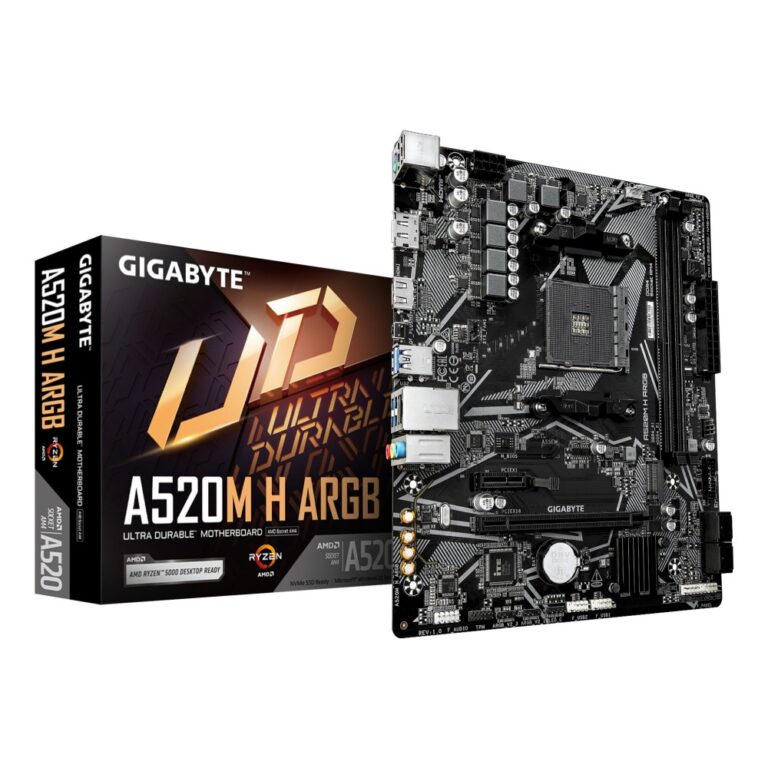
GIGABYTE A520M H AM4 mATX Motherboard – DDR4
In stock
Original price was: £65.99.£62.39Current price is: £62.39.
Save £9.60
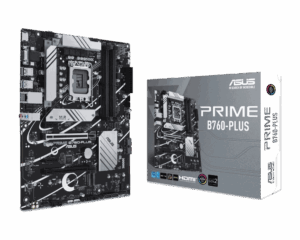
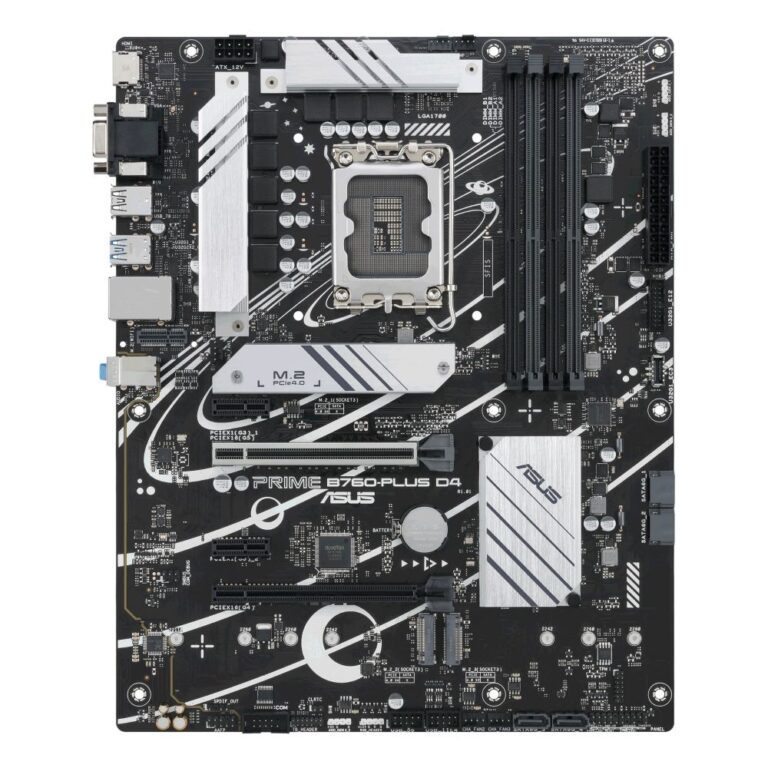
ASUS PRIME B760-PLUS D4 LGA1700 ATX Intel Motherboard
In stock
Original price was: £141.59.£131.99Current price is: £131.99.
Save £31
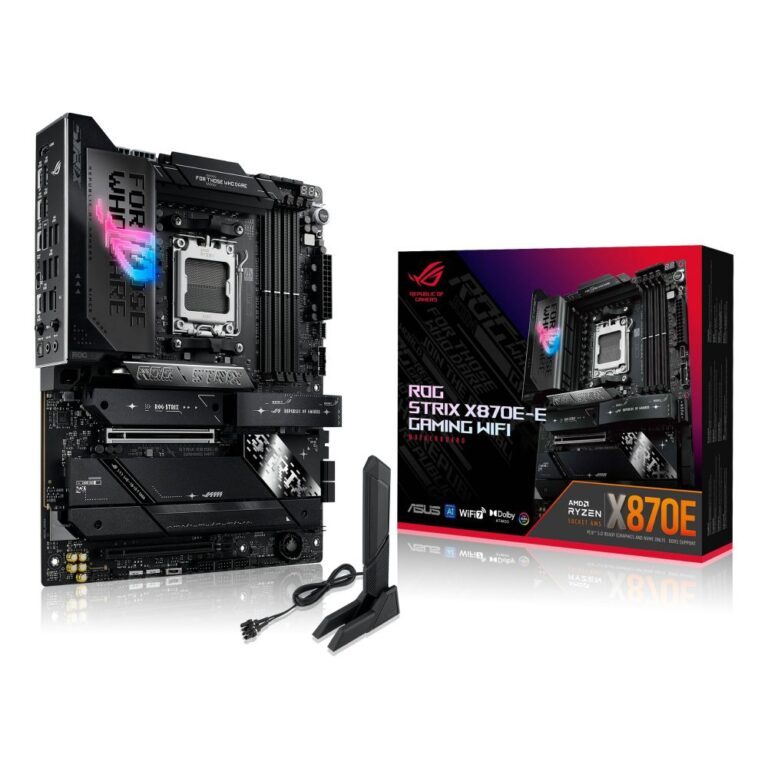
ASUS ROG Strix X870E-E Gaming Motherboard
In stock
Original price was: £484.79.£453.59Current price is: £453.59.
Save £7.20
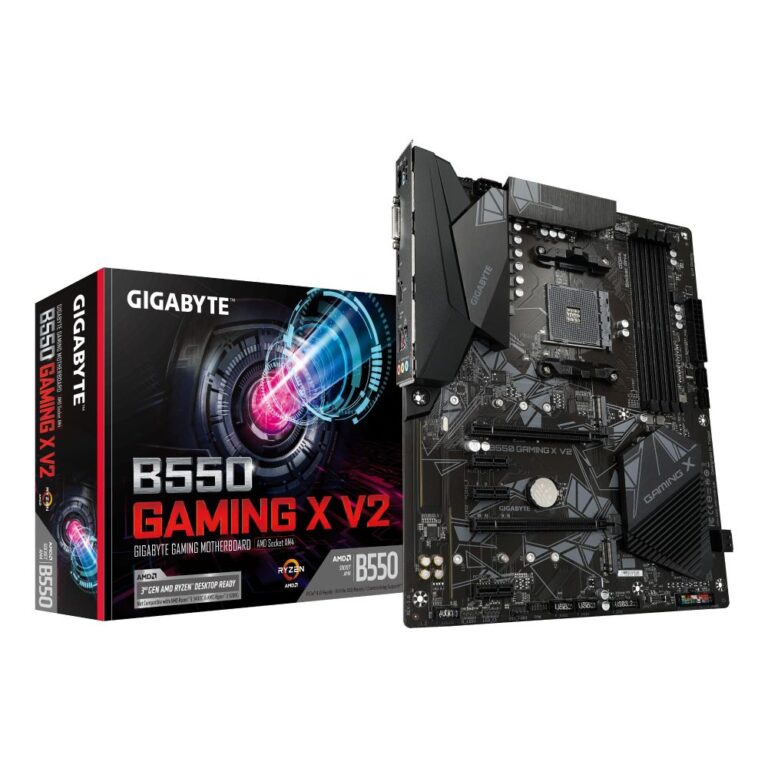
GIGABYTE B550 Gaming X V2 Motherboard
In stock
Original price was: £119.99.£112.79Current price is: £112.79.
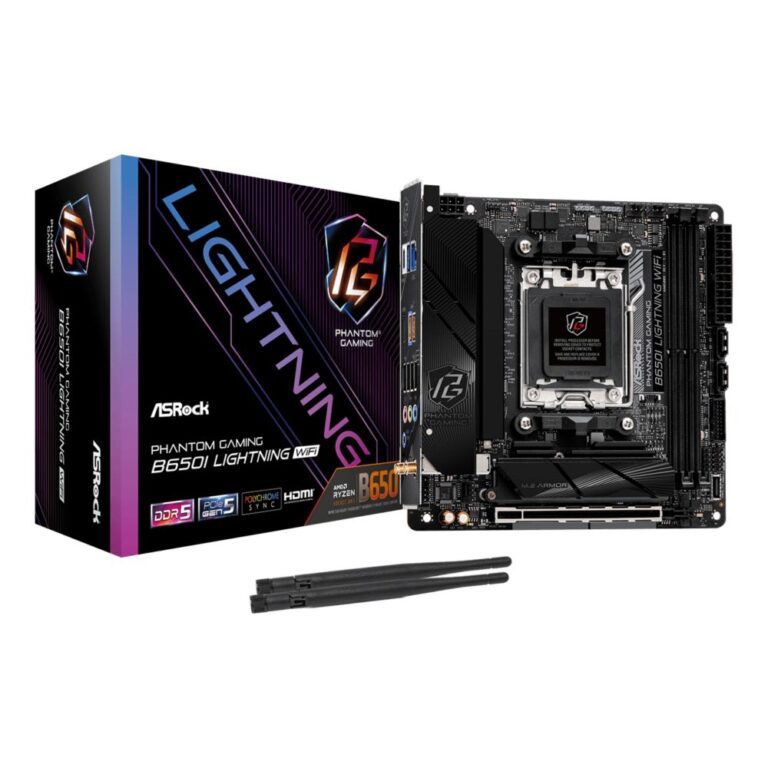
Save £12
Asrock B650I Lightning WiFi AM5 Mini ITX
In stock
Original price was: £171.59.£159.59Current price is: £159.59.
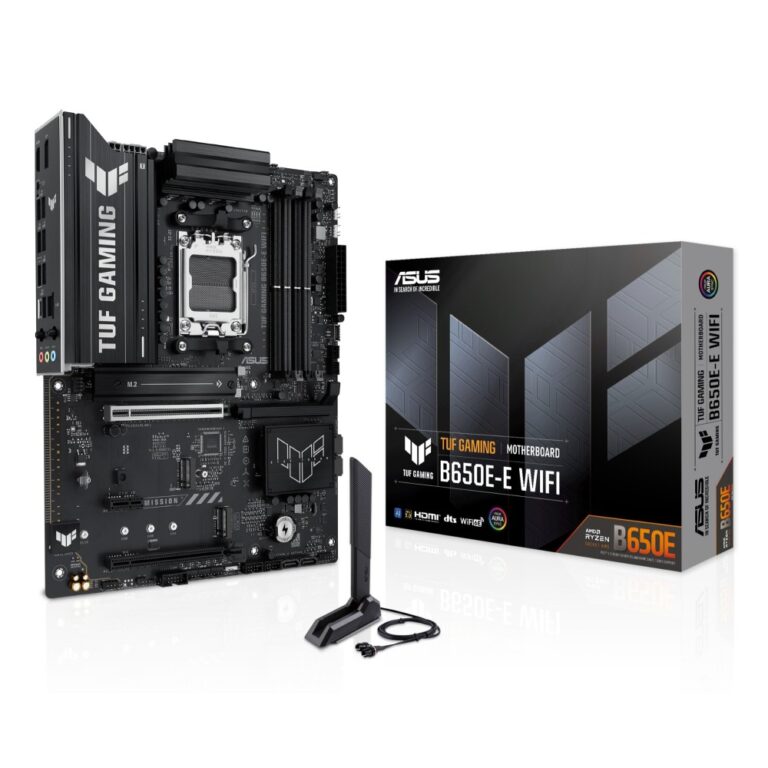
New
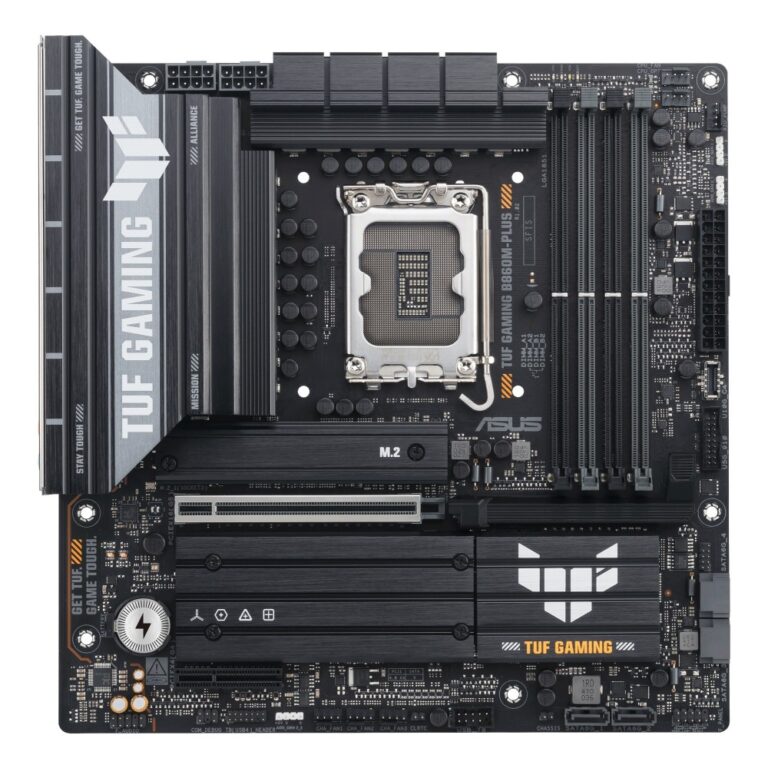
New
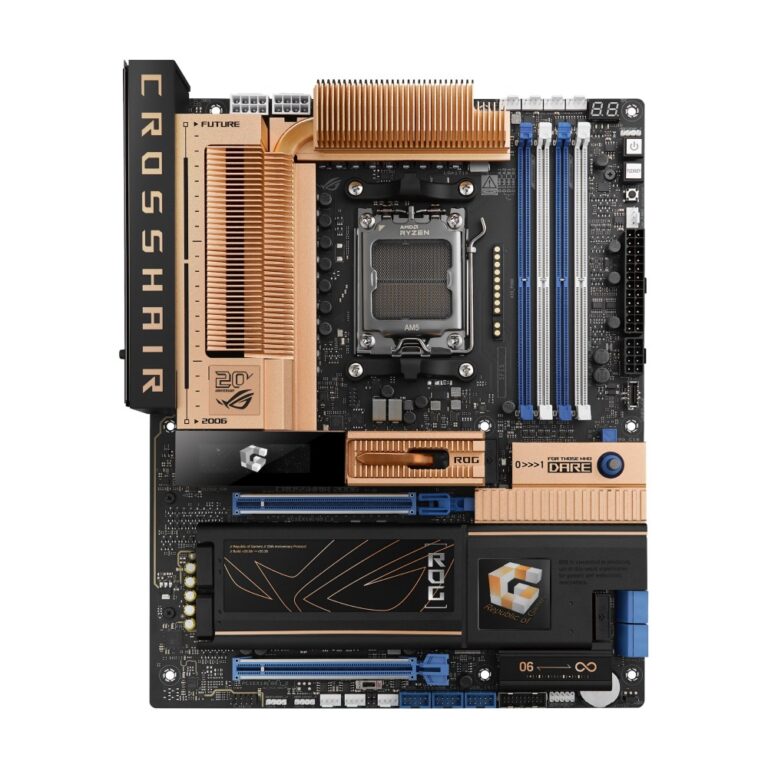
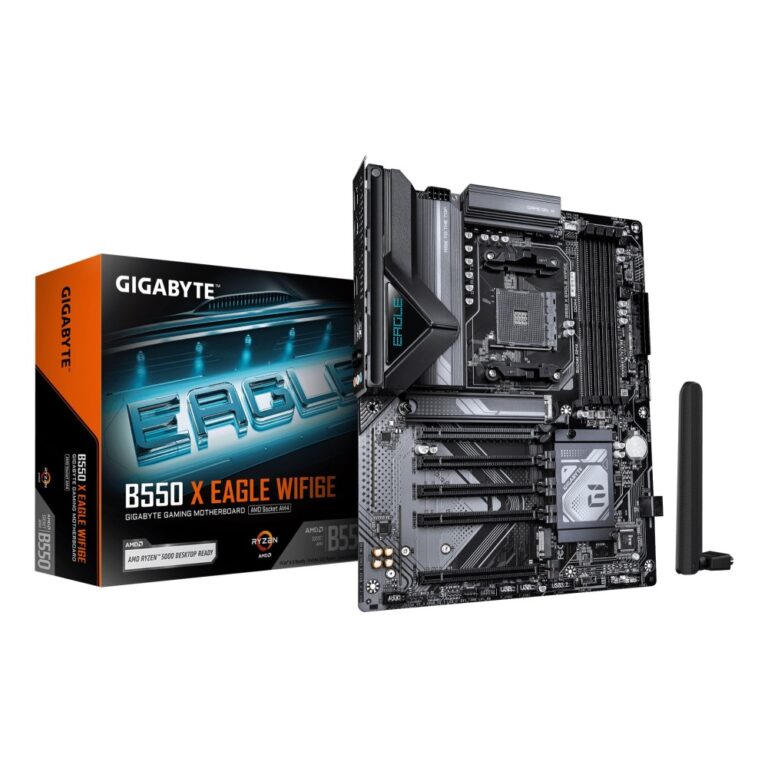
Save £43
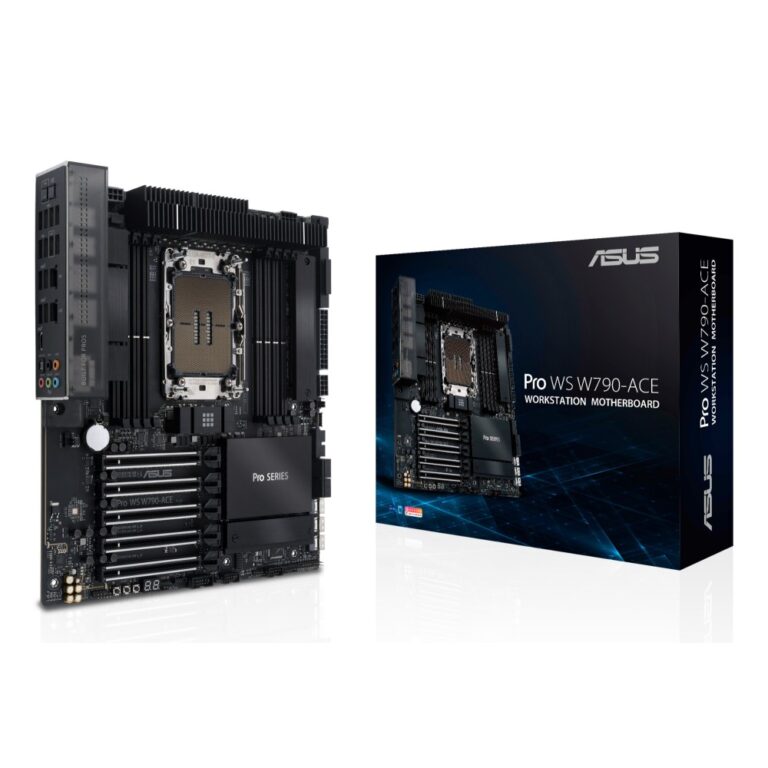
ASUS PRO WS W790-ACE Intel W790 LGA 4677 DDR5 SSI CEB Workstation Motherboard
In stock
Original price was: £860.39.£817.19Current price is: £817.19.
Save £46
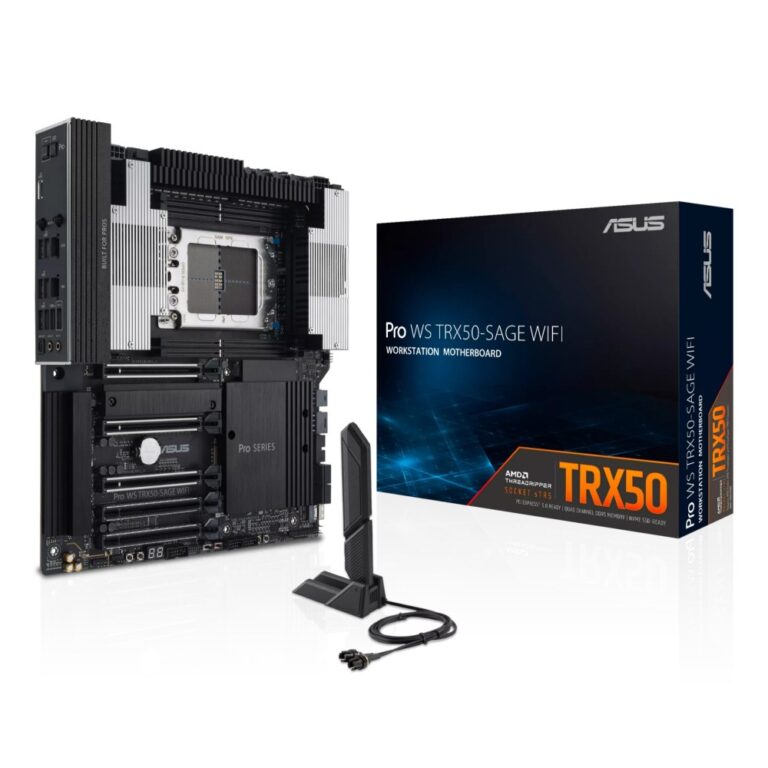
ASUS Pro WS TRX50-SAGE WIFI Workstation Motherboard Socket sTR5 AMD TRX50 SSI CEB DDR5
In stock
Original price was: £860.39.£814.79Current price is: £814.79.
Save £9.60
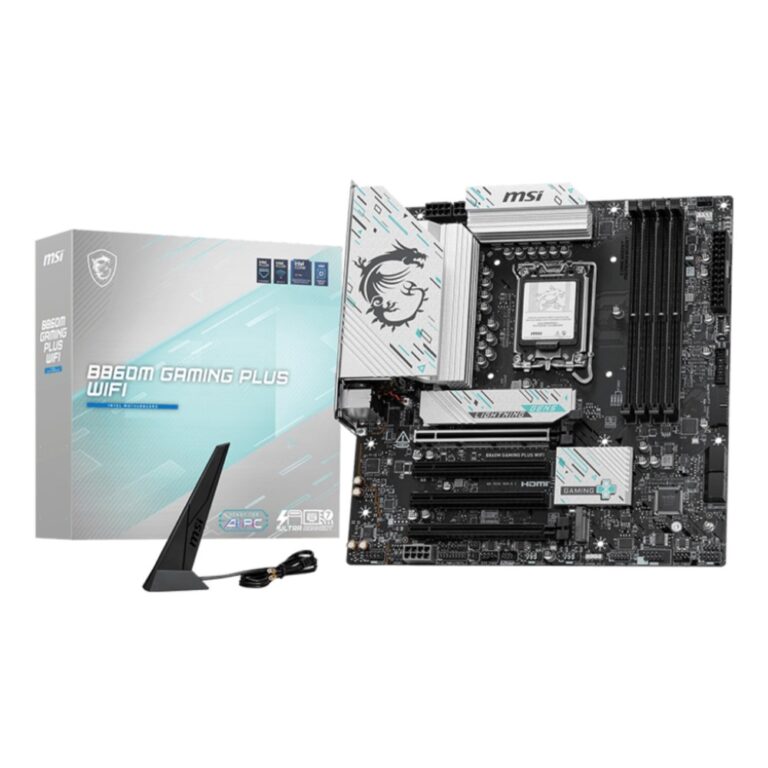
MSI B860M Gaming Plus WiFi Micro-ATX Motherboard – LGA 1851, Intel B860, DDR5, Wi-Fi 7, Black
In stock
Original price was: £178.79.£169.19Current price is: £169.19.
Save £17
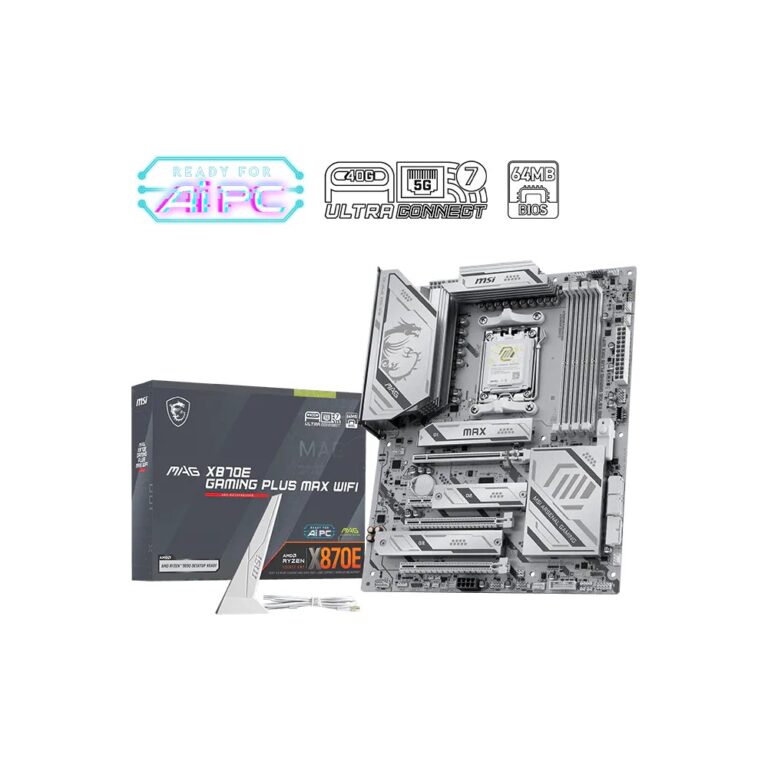
MSI MAG X870E Gaming Plus Max WiFi Motherboard, Socket AM5, AMD X870E, ATX, DDR5, Black
In stock
Original price was: £301.19.£284.39Current price is: £284.39.
Save £30
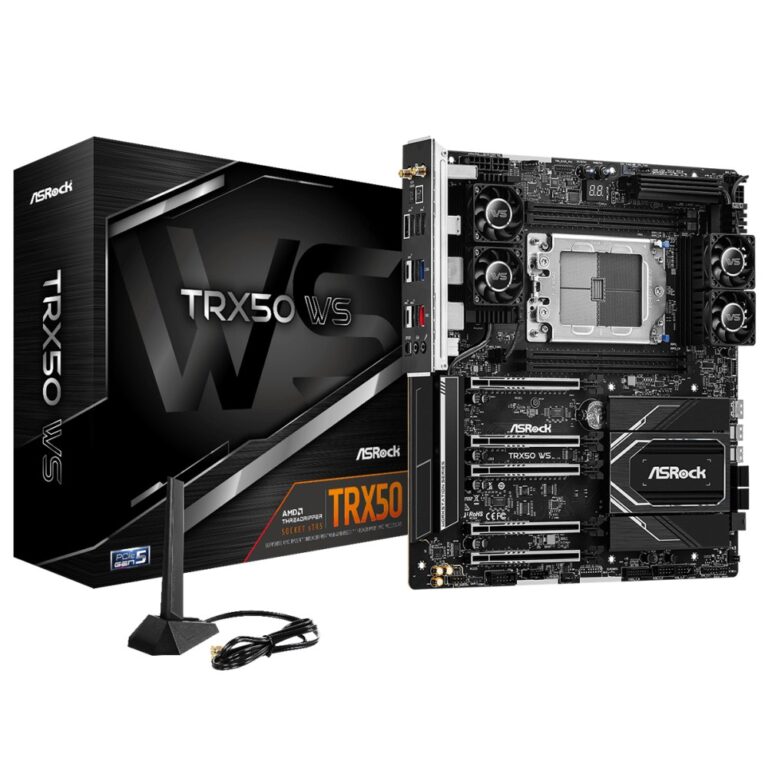
ASRock TRX50 WS Extended ATX Motherboard, Socket sTR5, AMD TRX50, DDR5, Wi-Fi 6E, Black
In stock
Original price was: £586.79.£556.79Current price is: £556.79.
Save £12
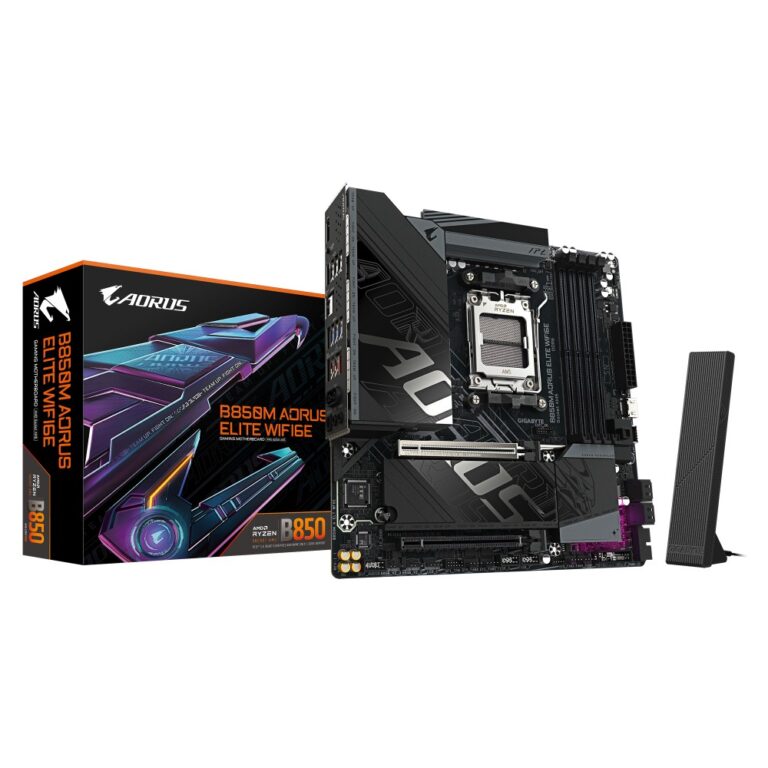
Gigabyte B850M Aorus Elite WiFi 6E Motherboard, Socket AM5, AMD B850, Micro ATX, DDR5
In stock
Original price was: £211.19.£199.19Current price is: £199.19.
Save £23
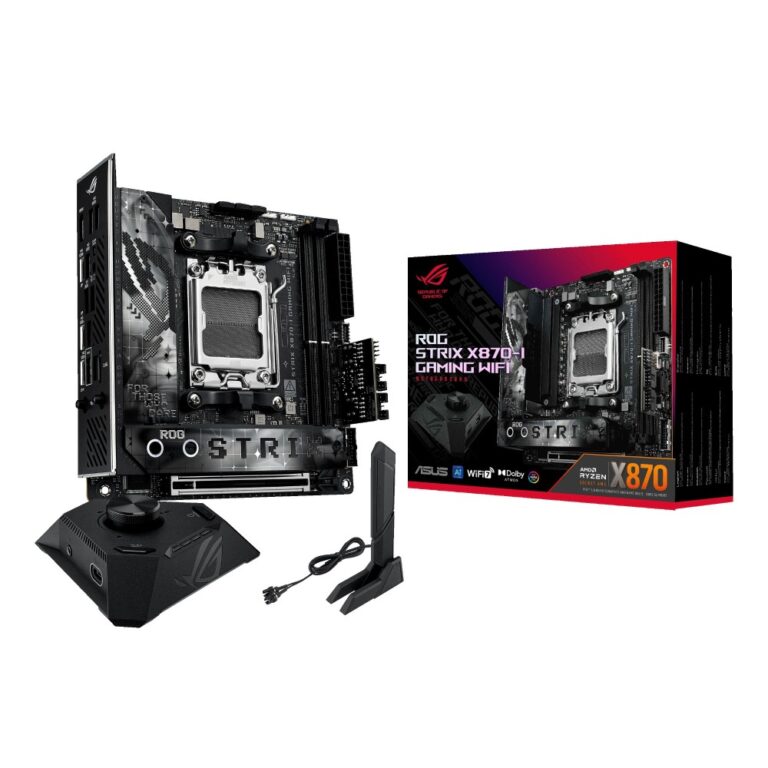
ASUS ROG Strix X870-I Gaming WiFi Motherboard, Socket AM5, X870, Mini-ITX, DDR5, Black
In stock
Original price was: £398.39.£375.59Current price is: £375.59.
Save £9.60
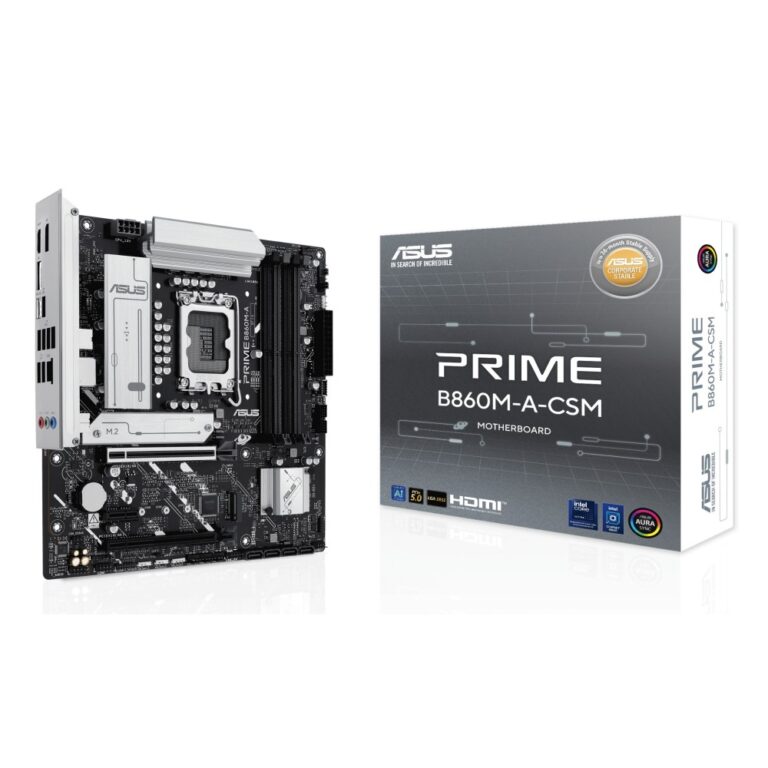
ASUS Prime B860M-A-CSM Micro-ATX Motherboard, LGA 1851, Intel B860, DDR5
In stock
Original price was: £155.99.£146.39Current price is: £146.39.
Save £6.00
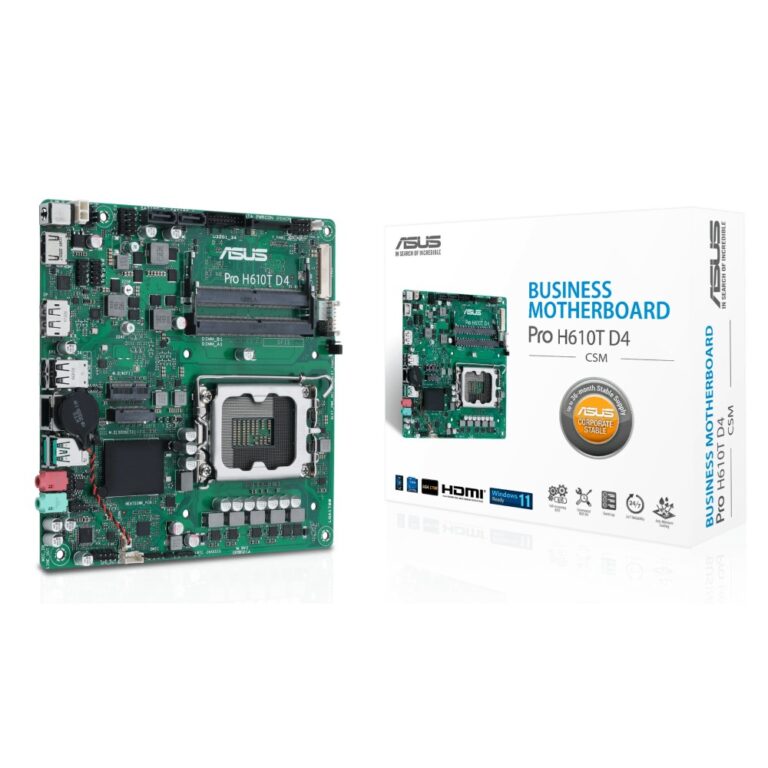
ASUS Pro H610T D4-CSM Intel H610 LGA 1700 Thin Mini ITX Motherboard
In stock
Original price was: £112.79.£106.79Current price is: £106.79.
Save £8.40
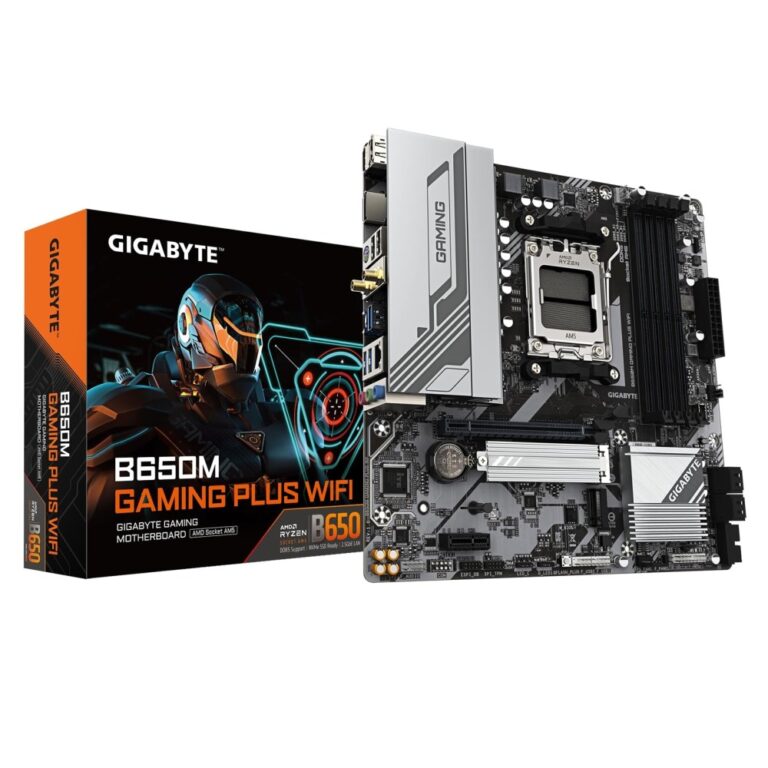
Gigabyte B650M Gaming Plus WiFi Motherboard – AM5, Micro-ATX, DDR5
In stock
Original price was: £149.99.£141.59Current price is: £141.59.
Save £8.40
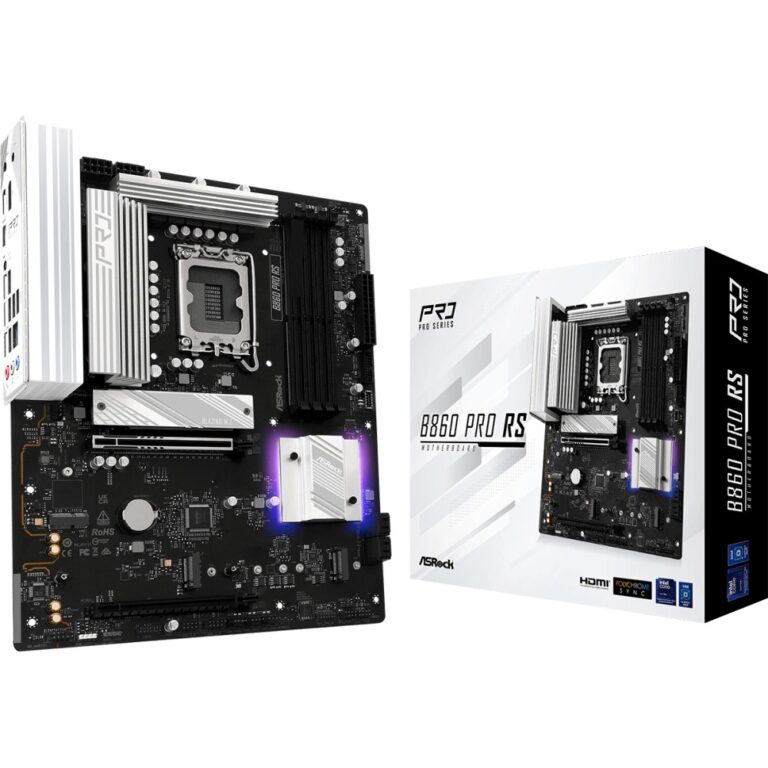
ASRock B860 Pro RS ATX Motherboard, LGA 1851, Intel B860, DDR5
In stock
Original price was: £152.39.£143.99Current price is: £143.99.
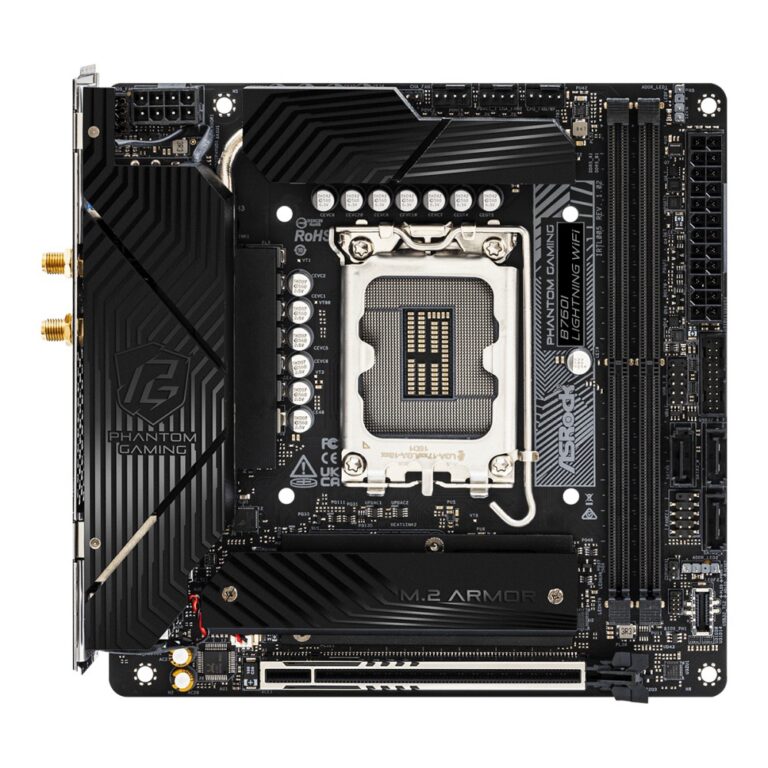
Save £9.60
ASRock B760I Lightning WiFi Mini-ITX Motherboard LGA 1700 Intel B760 DDR5 Black
In stock
Original price was: £185.99.£176.39Current price is: £176.39.
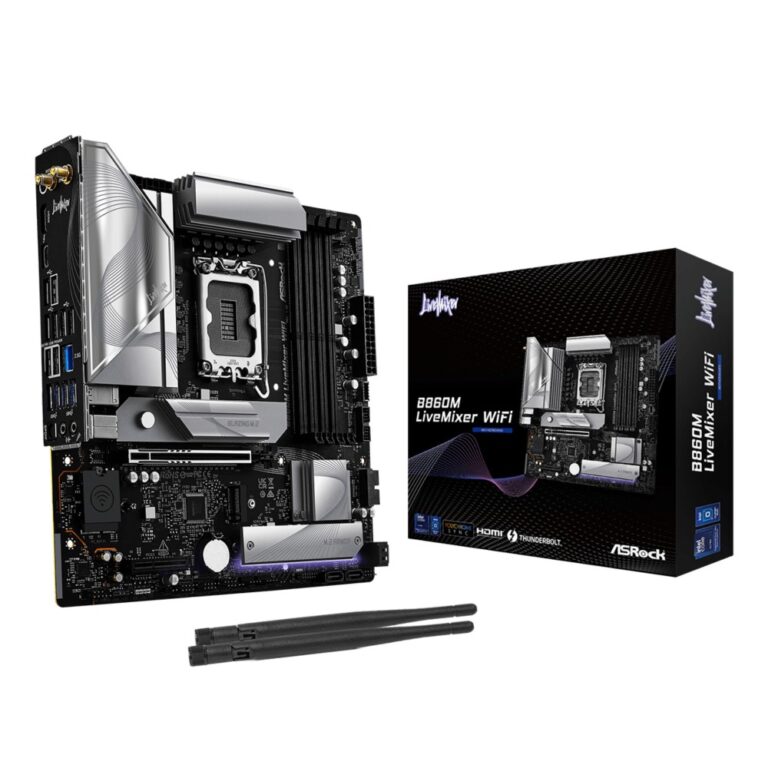
Save £9.60
ASRock B860M LiveMixer WiFi Micro ATX Motherboard, LGA 1851, Intel B860, DDR5
In stock
Original price was: £178.79.£169.19Current price is: £169.19.
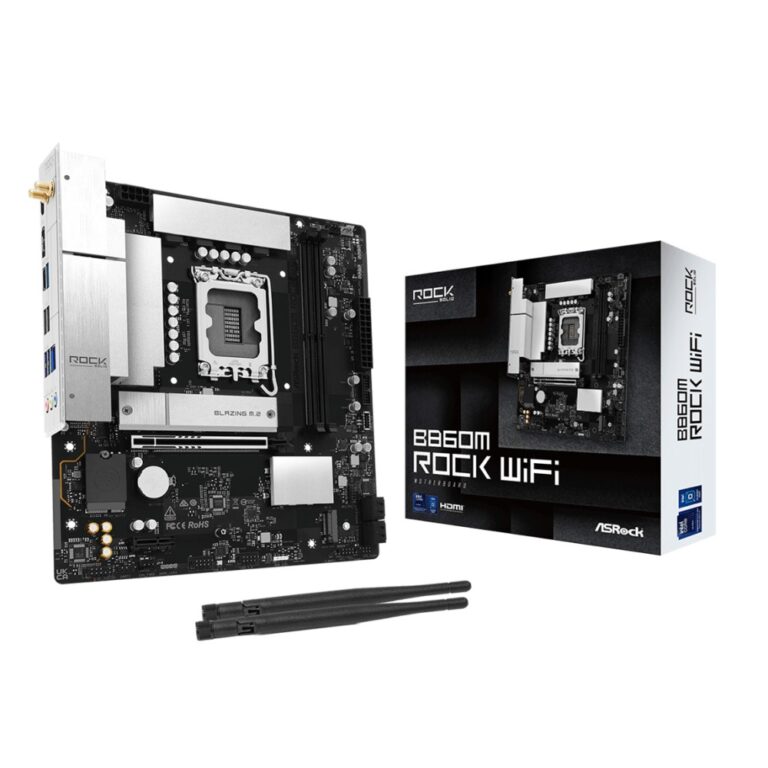
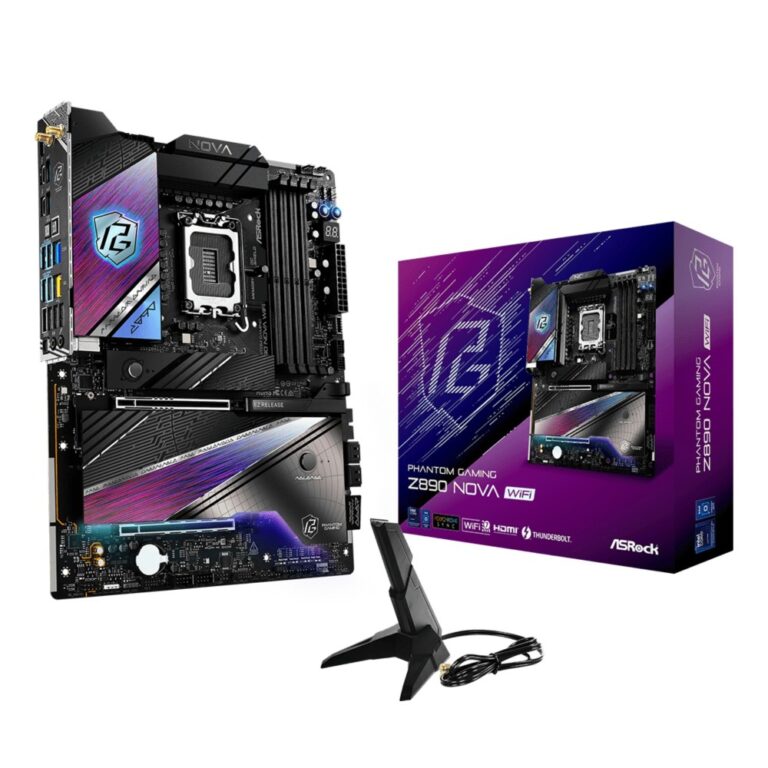
Save £19
ASRock Phantom Gaming Z890 Nova WiFi Motherboard, LGA 1851, Intel Z890, ATX, DDR5, Black
In stock
Original price was: £347.99.£328.79Current price is: £328.79.
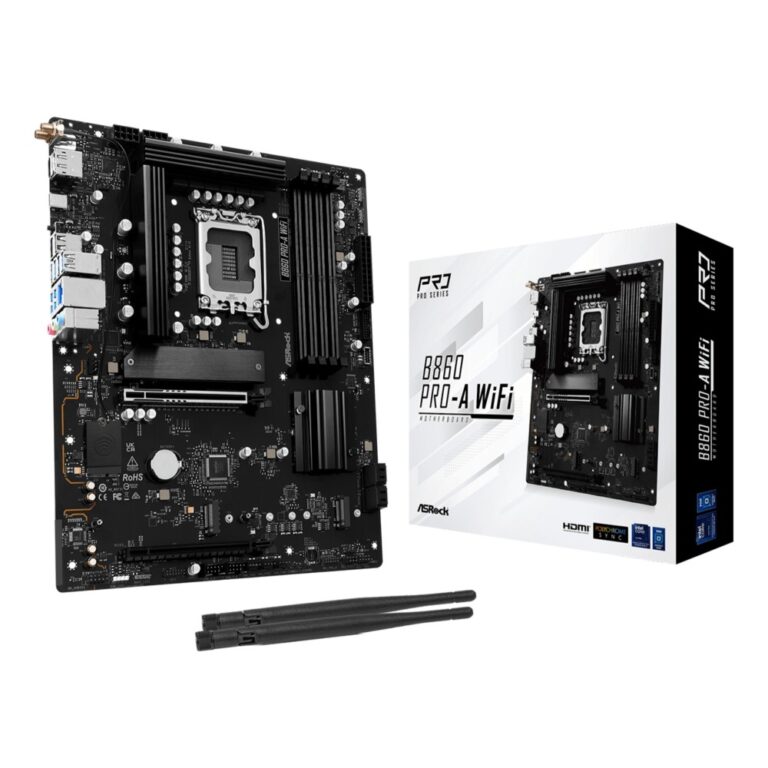
Save £8.40
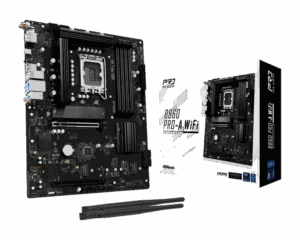
ASRock B860 Pro-A WiFi ATX Motherboard, LGA 1851, Intel B860, DDR5, Wi-Fi 6E
In stock
Original price was: £147.59.£139.19Current price is: £139.19.
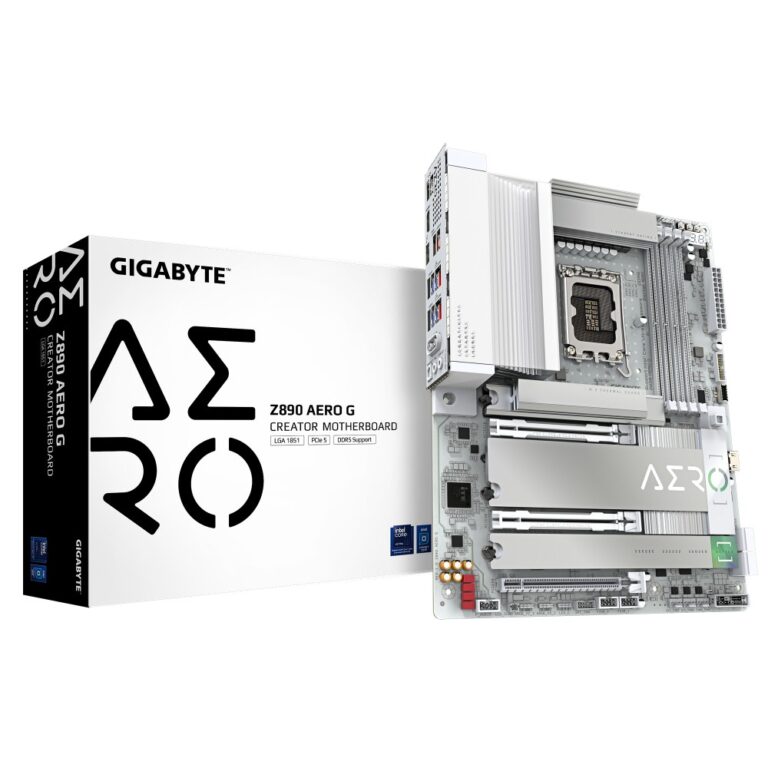
Save £17
Gigabyte Z890 Aero G ATX Motherboard, LGA 1851, Intel Z890, DDR5, Wi-Fi 7, White
In stock
Original price was: £299.99.£283.19Current price is: £283.19.
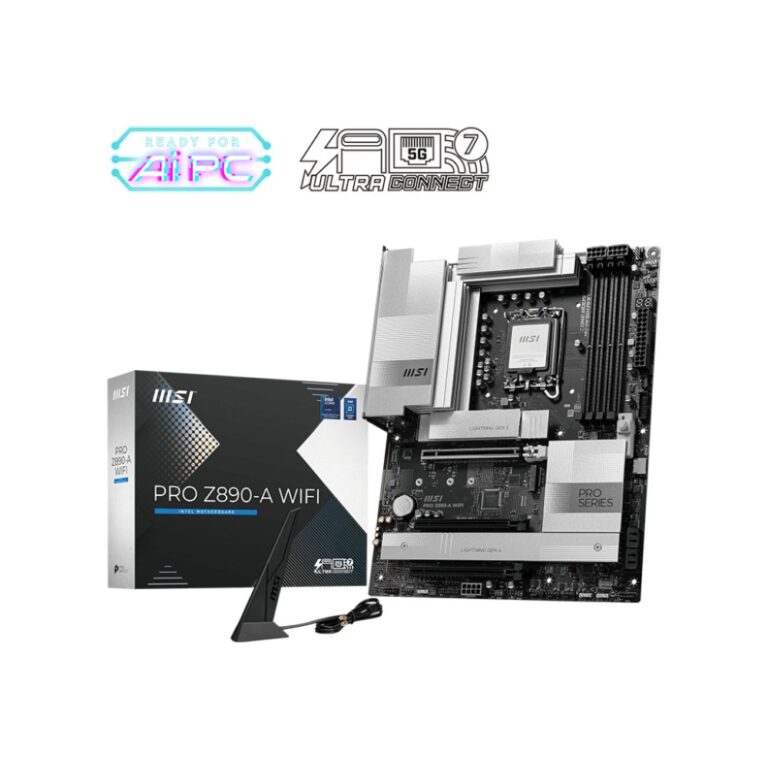
Save £12
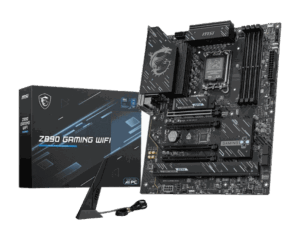
MSI PRO Z890-A WIFI Motherboard LGA 1851 Intel Z890 ATX DDR5 Black
In stock
Original price was: £227.99.£215.99Current price is: £215.99.
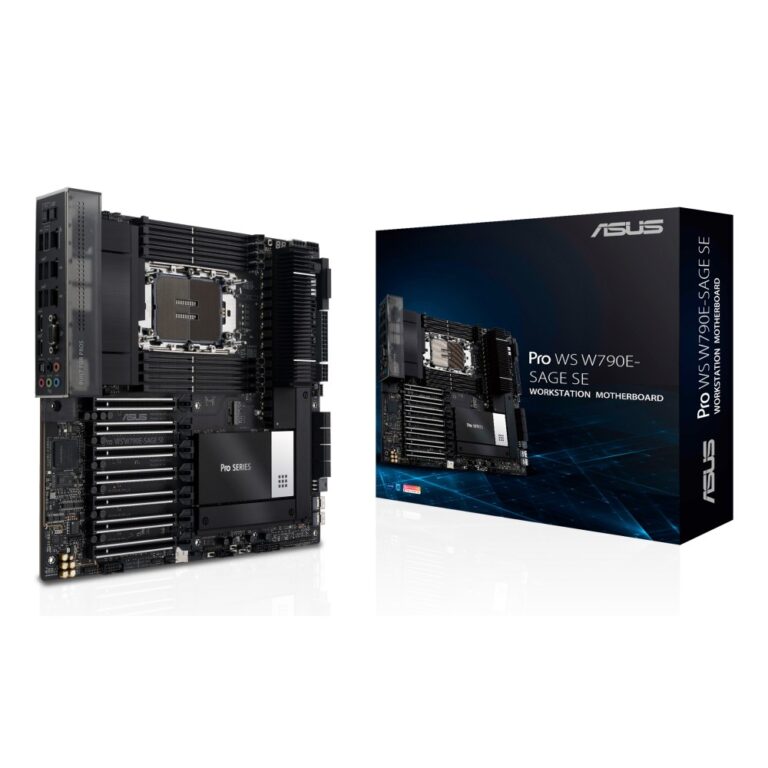
Save £73
ASUS PRO WS W790E-SAGE SE EEB Workstation Motherboard – Intel W790, LGA 4677, DDR5
In stock
Original price was: £1,208.39.£1,135.19Current price is: £1,135.19.
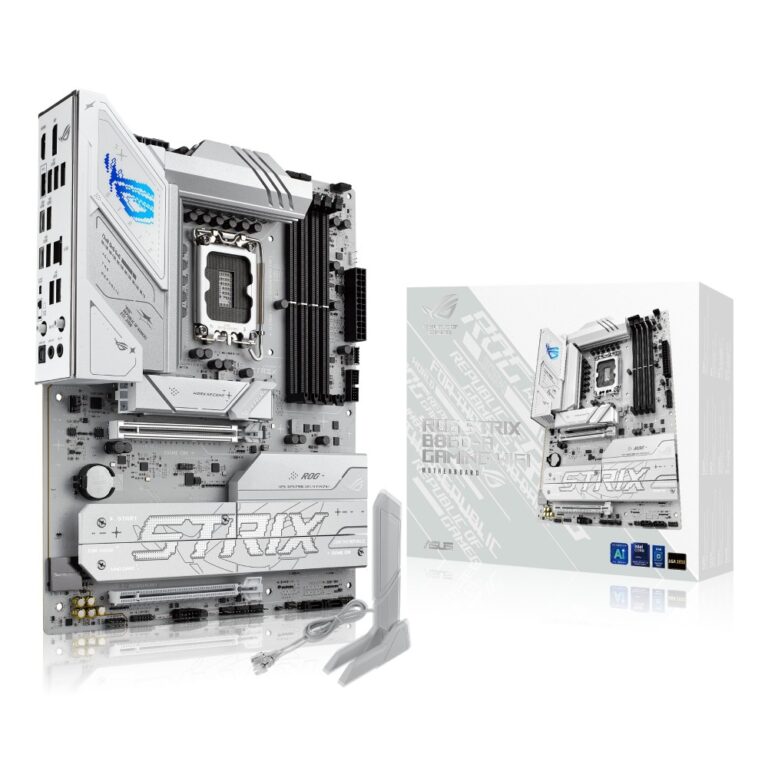
Save £14
ASUS ROG STRIX B860-A GAMING WIFI Motherboard, Intel B860, LGA 1851, ATX, DDR5
In stock
Original price was: £253.19.£238.79Current price is: £238.79.
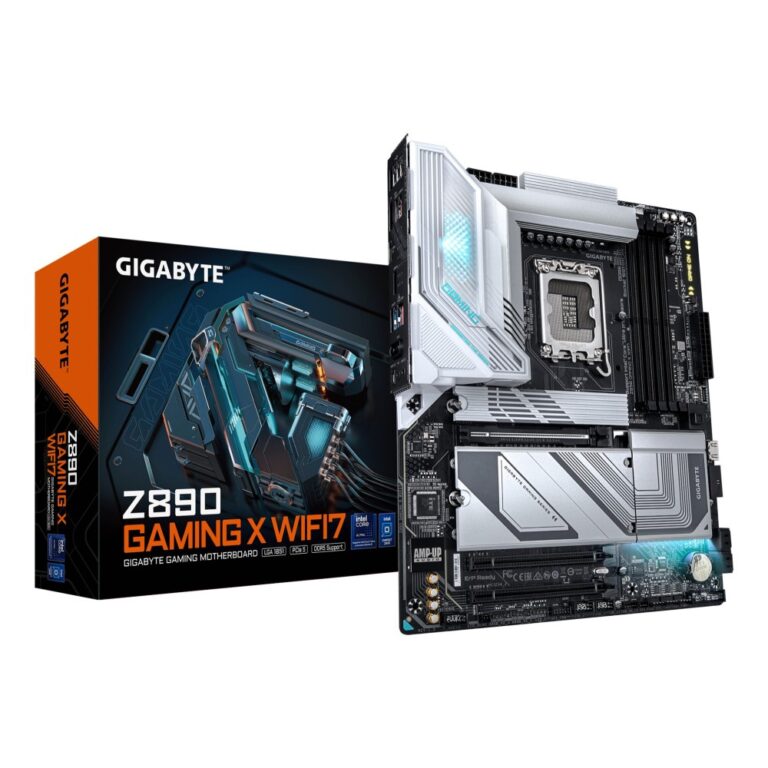
Save £18
Gigabyte Z890 Gaming X WiFi7 Motherboard ATX – LGA 1851, Intel Z890, DDR5, Wi-Fi 7
In stock
Original price was: £255.59.£237.59Current price is: £237.59.
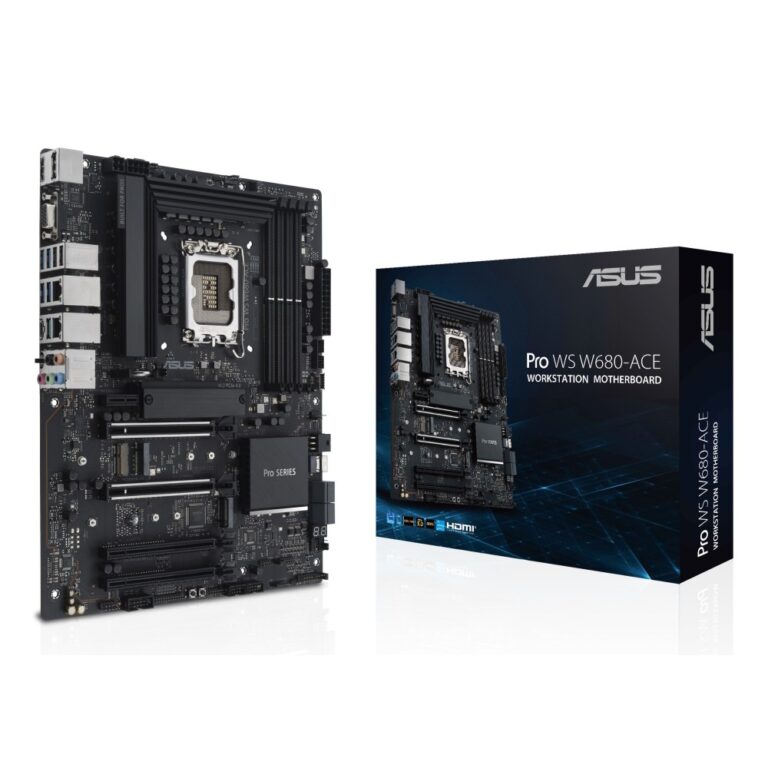
Save £26
ASUS PRO WS W680-ACE Motherboard LGA 1700 Intel W680 ATX DDR5
In stock
Original price was: £512.39.£485.99Current price is: £485.99.
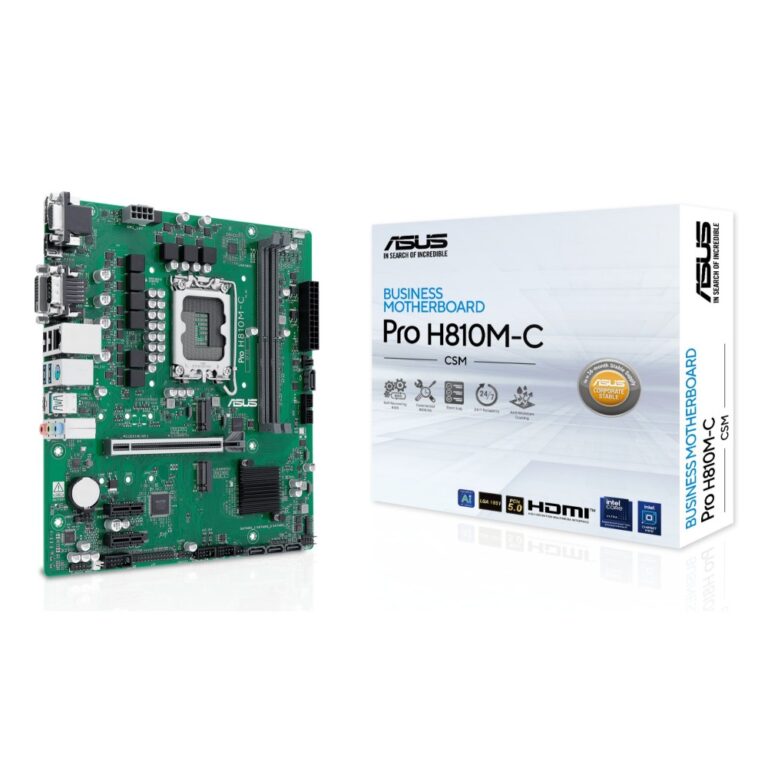
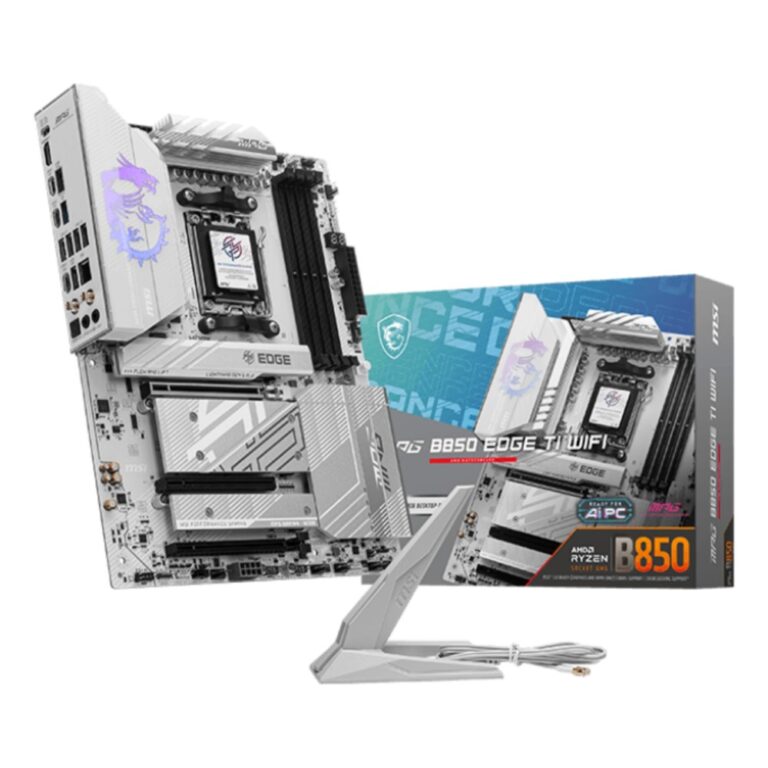
Save £14
MSI MPG B850 EDGE TI WIFI ATX Motherboard for AMD Socket AM5, B850, DDR5, Wi-Fi 7 – White
In stock
Original price was: £251.99.£237.59Current price is: £237.59.
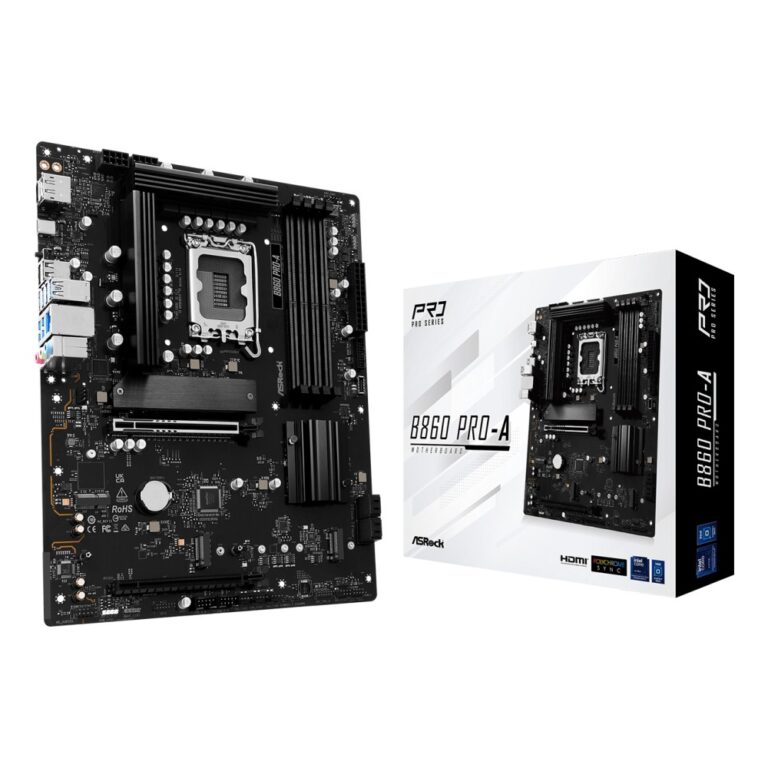
Save £7.20
Asrock B860 Pro-A LGA 1851 ATX Motherboard
In stock
Original price was: £134.39.£127.19Current price is: £127.19.
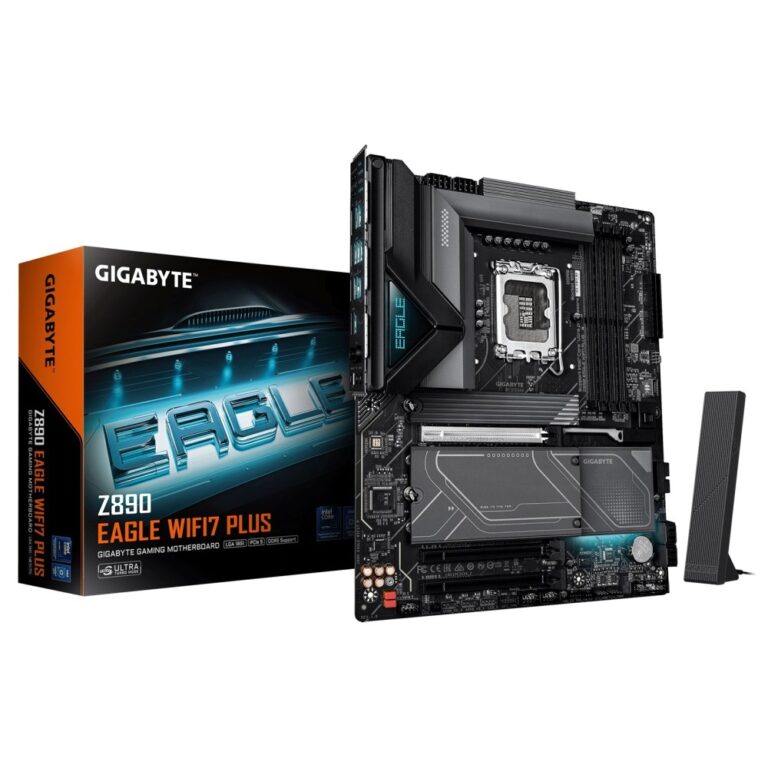
Save £14
Gigabyte Z890 EAGLE WIFI7 PLUS Motherboard, Z890, ATX, DDR5, Wi-Fi 7
In stock
Original price was: £265.19.£250.79Current price is: £250.79.
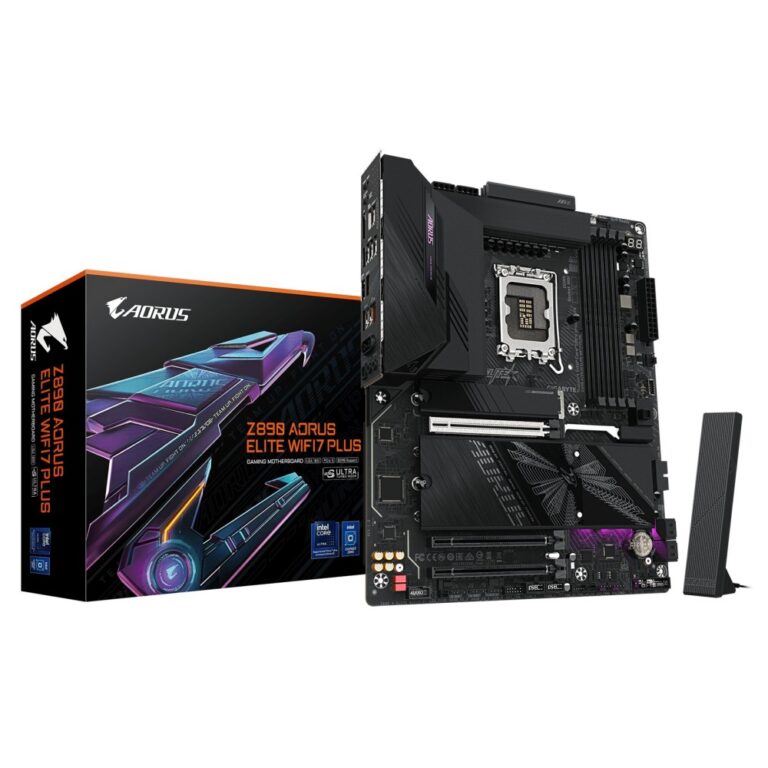
Save £18
Gigabyte Z890 AORUS ELITE WIFI7 PLUS ATX Motherboard, LGA1851, DDR5
In stock
Original price was: £303.59.£285.59Current price is: £285.59.
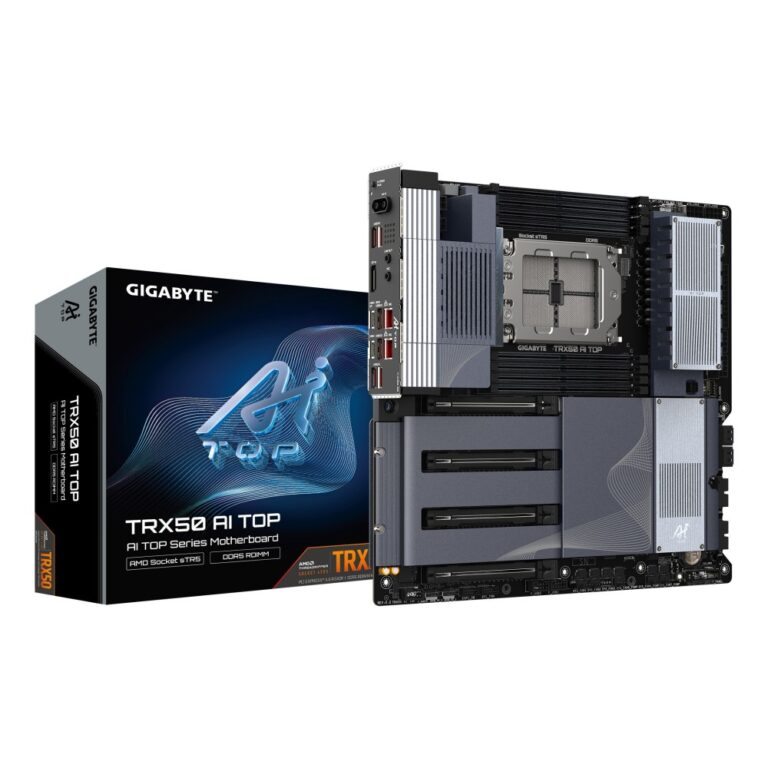
Save £53
GIGABYTE TRX50 AI TOP-2B Motherboard – AMD sTR5, DDR5, PCIe 5.0, Wi-Fi 7
In stock
Original price was: £925.19.£872.39Current price is: £872.39.
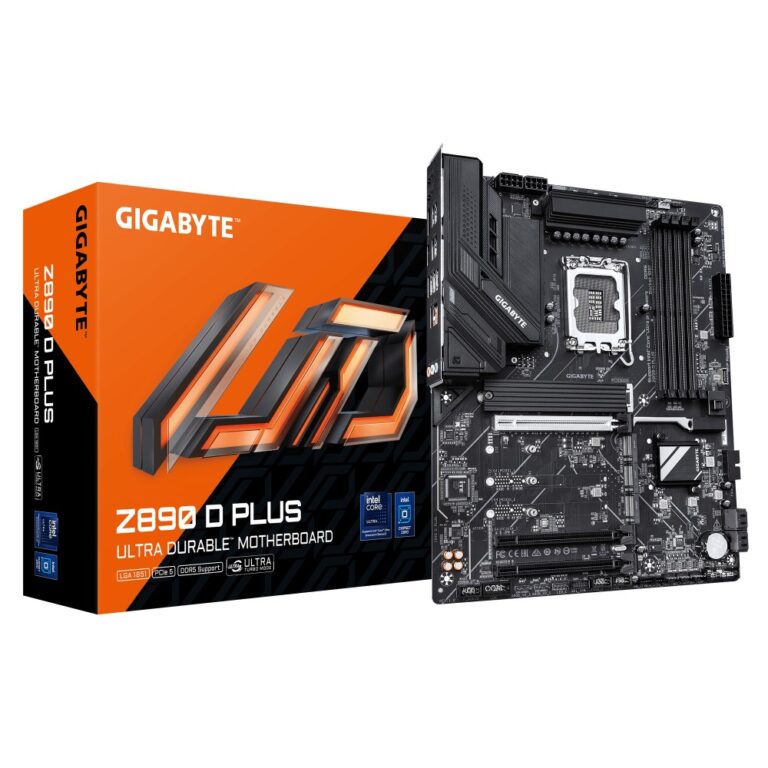
Save £13
GIGABYTE Z890 D PLUS Motherboard – Intel Core Ultra, DDR5, 2.5GbE LAN
In stock
Original price was: £212.39.£199.19Current price is: £199.19.
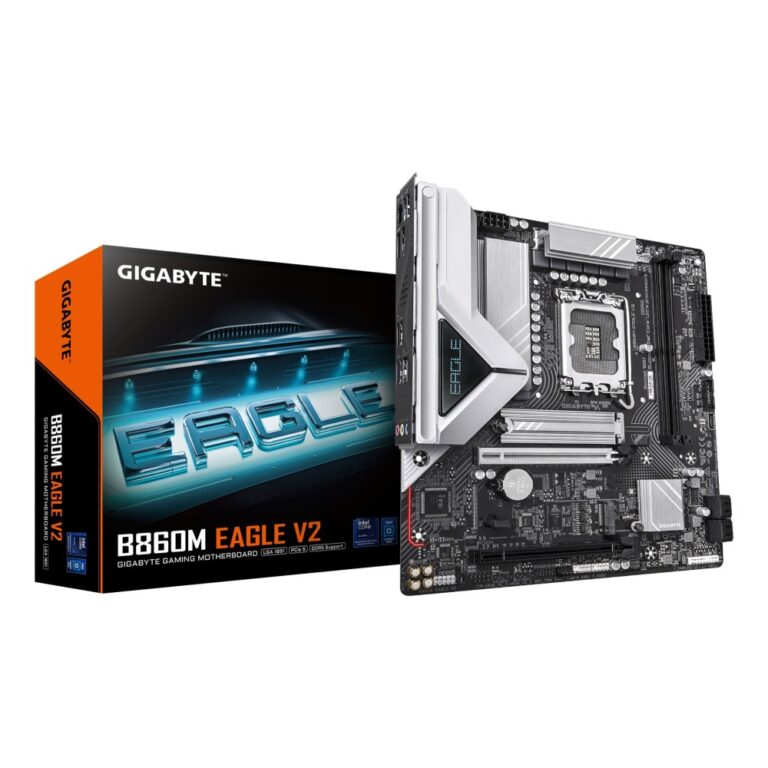
Save £9.60
GIGABYTE B860M EAGLE V2 Motherboard – Intel Core Ultra, DDR5, mATX
In stock
Original price was: £145.19.£135.59Current price is: £135.59.
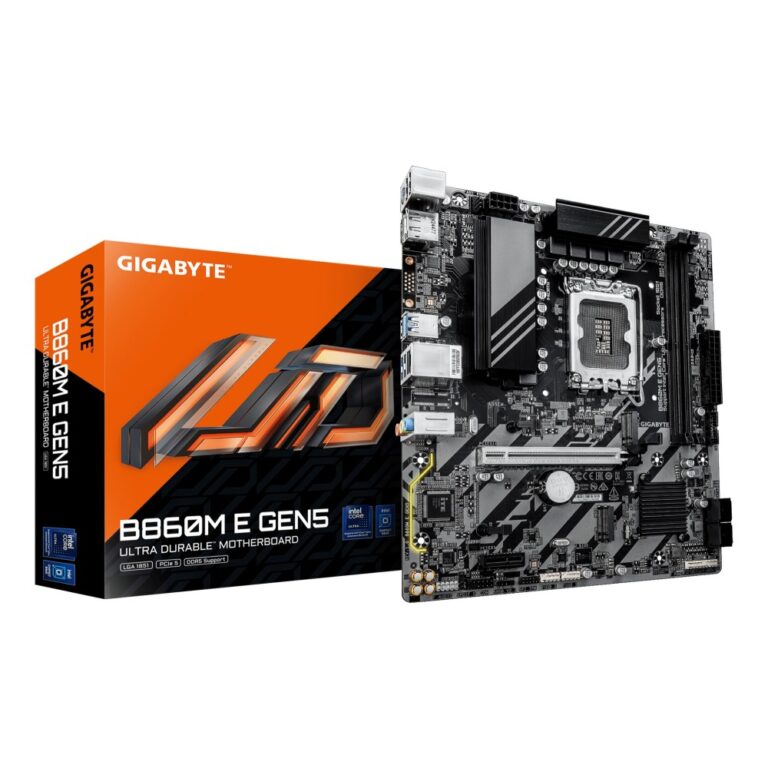
Save £7.20
GIGABYTE B860M E GEN5 Motherboard – Intel Ultra Series, DDR5, 1GbE LAN
In stock
Original price was: £118.79.£111.59Current price is: £111.59.
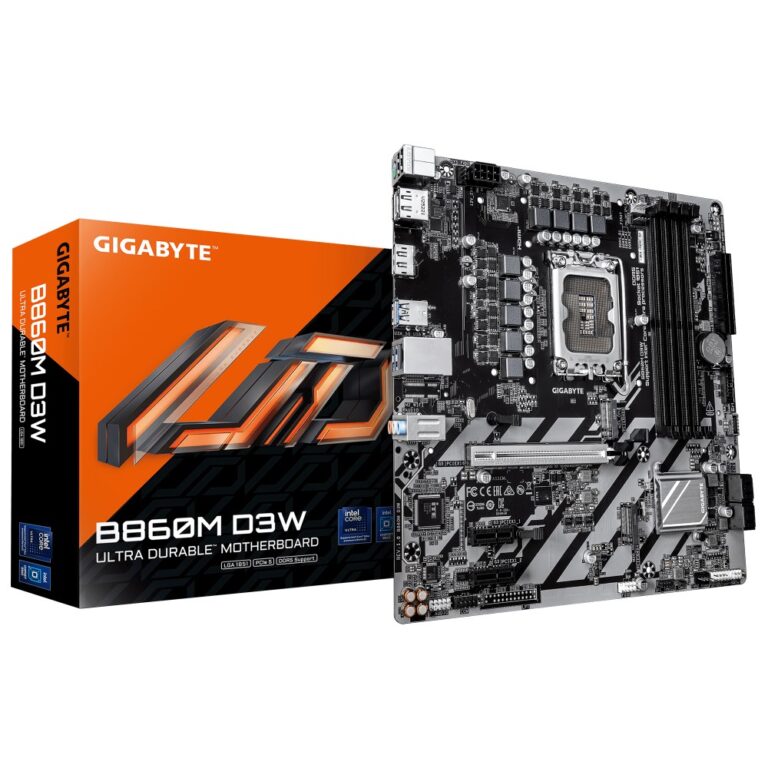
Save £8.40
GIGABYTE B860M D3W Motherboard – Intel Core Ultra, DDR5, 2x M.2
In stock
Original price was: £137.99.£129.59Current price is: £129.59.