


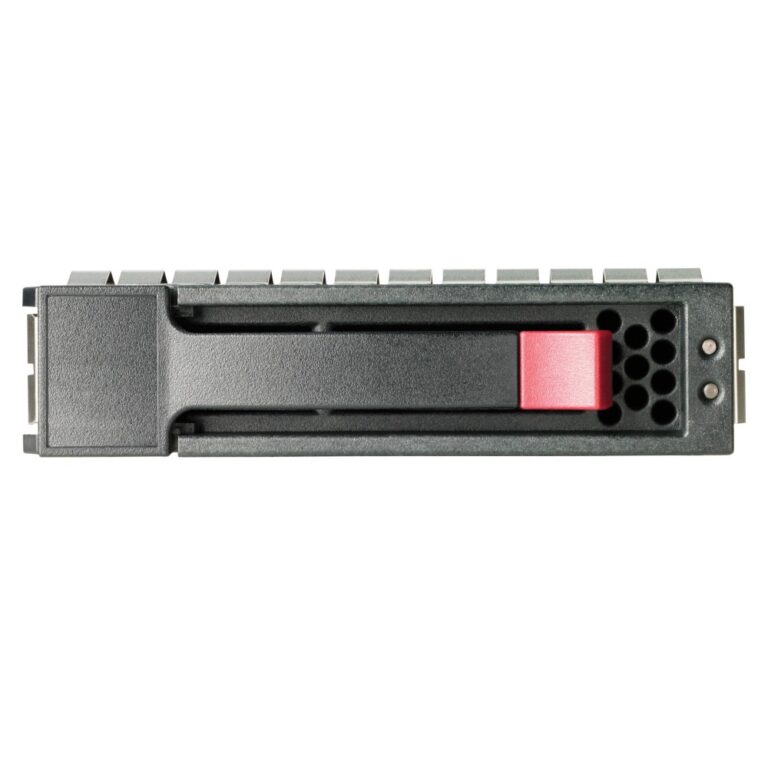
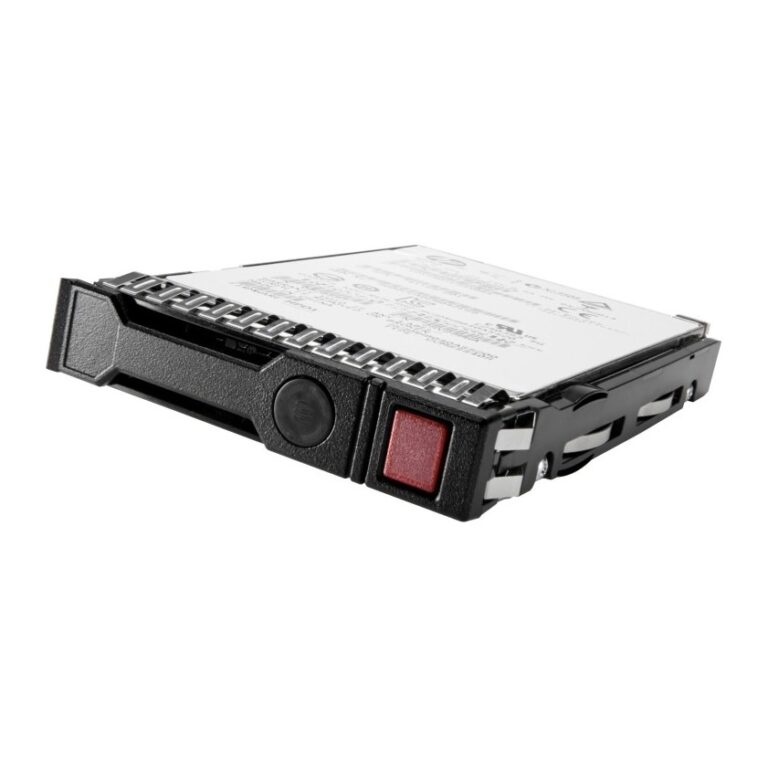
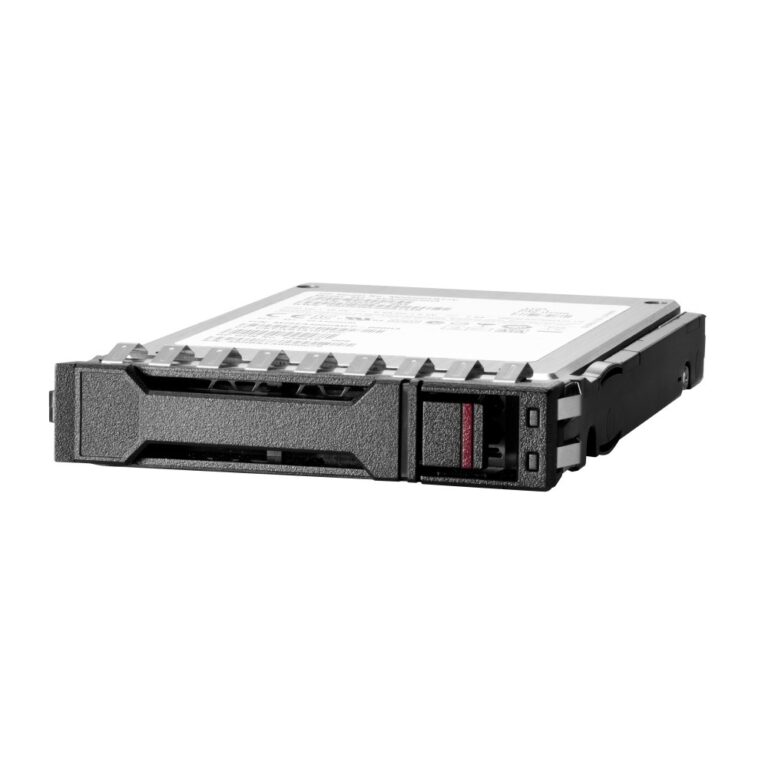
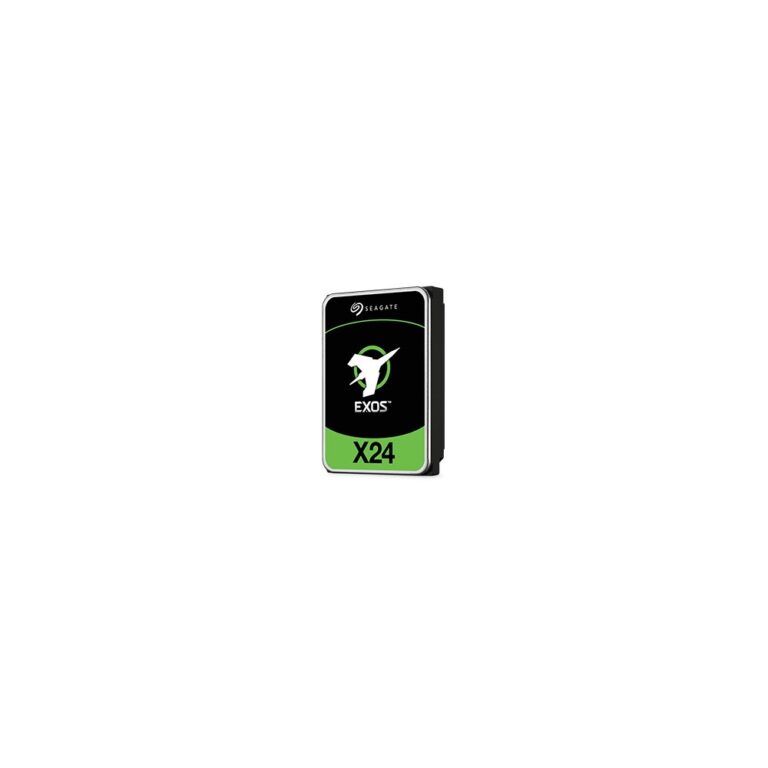
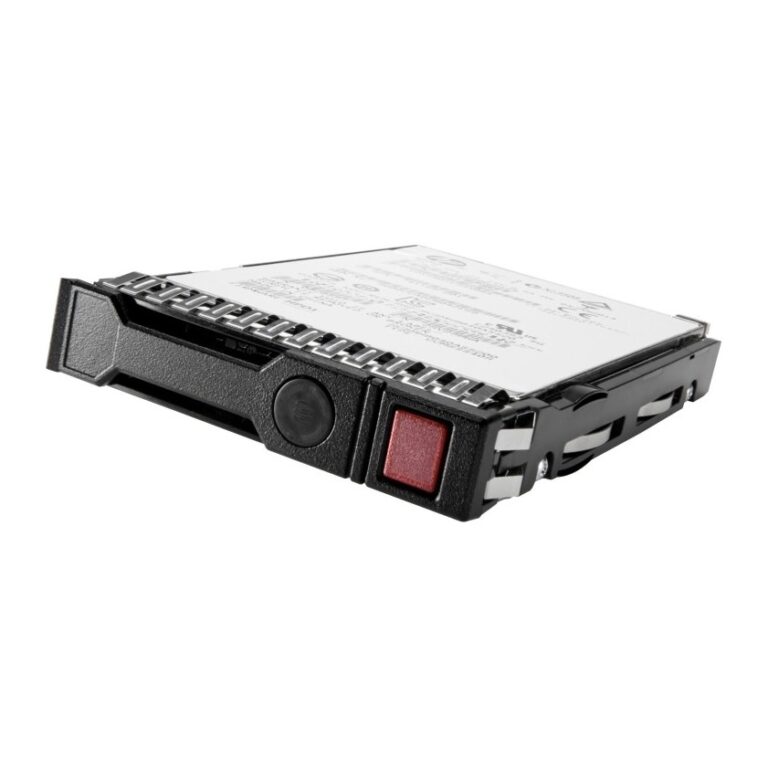
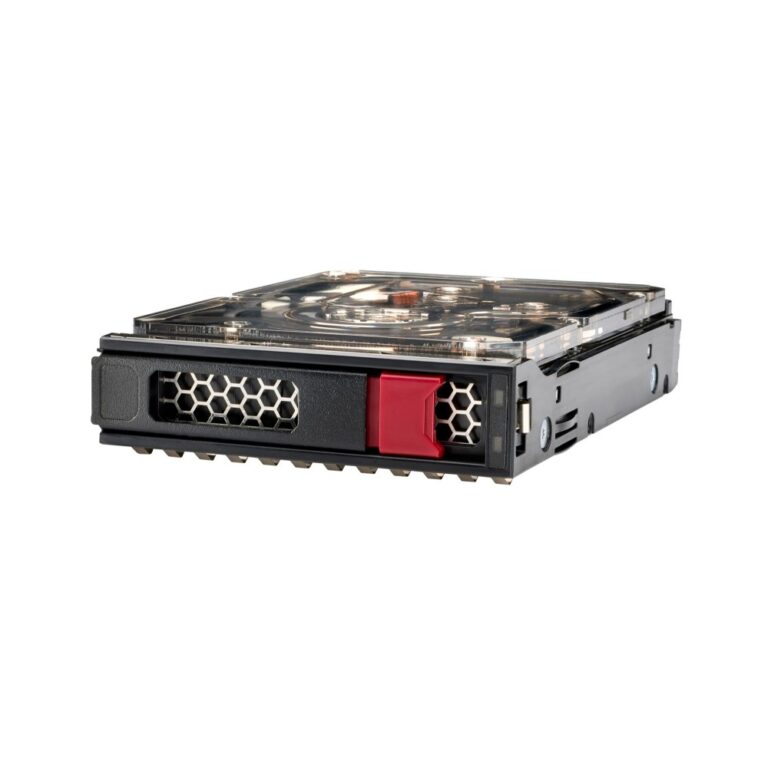


An enterprise or NAS hard drive is built to run continuously, which is a different specification from a desktop drive designed to spin up when you use the machine and stop when you do not.
Three things separate them.
Workload rating. Enterprise drives are rated for a stated volume of data read and written per year, typically far higher than a desktop drive’s. Exceeding a desktop drive’s rating in a busy NAS is a real cause of early failure.
Vibration tolerance. In a multi-bay enclosure, every drive vibrates and each one affects its neighbours. Enterprise drives include sensors and firmware to compensate; desktop drives do not, which is why a desktop drive in a full NAS can perform poorly and wear faster.
Error recovery timing. Enterprise firmware reports a bad sector quickly instead of retrying for a long time, which stops a RAID controller dropping the drive from the array.
For a single drive in a PC that is switched off overnight, a desktop drive is fine and cheaper. For a NAS, a server or anything in RAID, this is the correct part.
See also internal hard drives.
No account yet?
Create an Account