
Brand

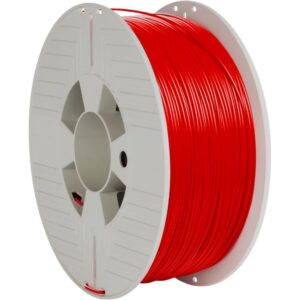
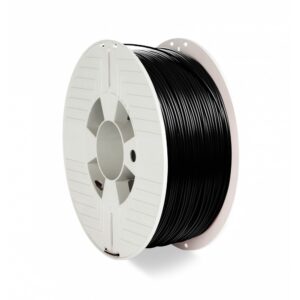
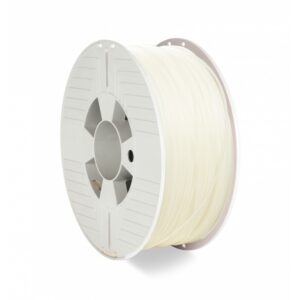
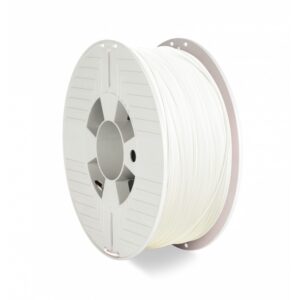
Filament is the plastic a 3D printer melts and lays down, and three things on the label decide whether it will work with your machine.
Diameter. 1.75mm is the standard for almost every consumer printer; 2.85mm exists on some older and industrial machines. They are not interchangeable, and this is the first thing to check.
Material. PLA is the easiest to print with by a distance — it needs a lower temperature, barely warps, does not need an enclosed printer, and produces clean detail. It is the right default for models, prototypes and decorative prints. Its limitation is heat: a PLA print left in a hot car or in direct sun will soften, so it is not the material for functional parts under load or temperature.
Spool weight. 1kg is the standard size and prints a great many models.
One practical point: filament absorbs moisture from the air, and damp filament prints badly — stringing, poor layer adhesion, an audible crackle as it extrudes. Keep spools sealed with desiccant between uses.
See also printers.
No account yet?
Create an Account