Best Noise Cancelling Headphones in 2026: Real Picks, How It Works, and the Truth About Your Ears

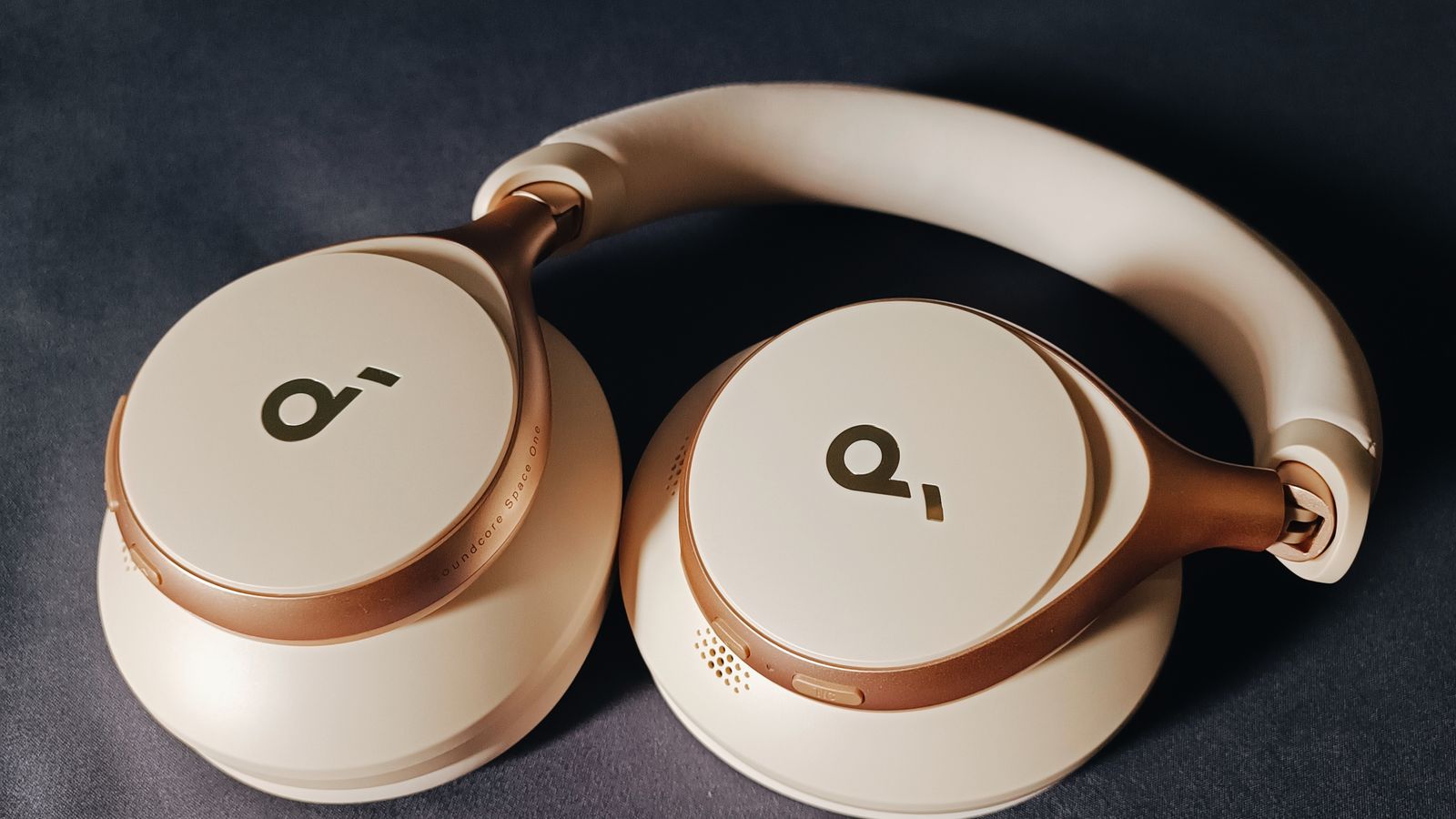
Soundcore Space One noise cancelling headphones in cream and gold

Good noise cancelling headphones feel like a superpower the first time you use them. The bus engine fades, the office hum disappears, and the plane finally goes quiet. It is the one audio feature people say changed how they travel, work and study.

It is also a market full of confusion. Prices run from £25 to £550 for what sounds like the same feature. Two pairs of AirPods 4 sit side by side and only one of them cancels noise. And half the questions we hear are not about products at all: how does it actually work, is it safe for your ears, why does it feel strange on a plane?

This guide answers all of it in plain language: how the technology works, which type suits you, the best noise cancelling headphones and earbuds we actually recommend from our own UK stock at every budget, and honest answers on the safety questions. Every product shown has a live price and ships from the UK.

Noise cancelling works by playing an exact opposite sound wave against the noise around you, and it is brilliant at steady rumble (engines, fans, traffic) and weak against voices and sudden sounds. You no longer need £300 to get it: genuinely good budget options start around £40, the sweet spot sits between £100 and £250, and it is safe for your ears. If you are buying AirPods 4, check the box carefully: only the “with Active Noise Cancellation” version cancels noise.

How noise cancelling actually works

Sound travels as waves. Active noise cancellation (ANC) uses tiny microphones on the outside of the headphones to listen to the noise coming toward you. A chip inside then instantly plays the exact opposite wave through the speaker: where the noise wave goes up, the new wave goes down. The two waves meet at your ear and cancel each other out, the way two equal ripples in water can flatten each other. What is left is close to silence.

Two honest limits follow from the physics:

  • ANC is superb against steady, low sounds. Plane engines, train rumble, air conditioning, fan hum, traffic drone. This is why frequent flyers swear by it.
  • ANC is weak against sudden and high sounds. Voices, a door slam, clattering keyboards. Those are handled by the physical seal of the ear cups or ear tips (called passive isolation), which is why fit matters as much as electronics.

Most good models also offer a transparency mode, which does the reverse: the microphones pipe the outside world in, so you can hear an announcement or a colleague without taking anything off. And adaptive noise cancellation simply means the headphones adjust the strength automatically to what is happening around you.

Headphones, earbuds or neckband?

TypeStrengthsBest for
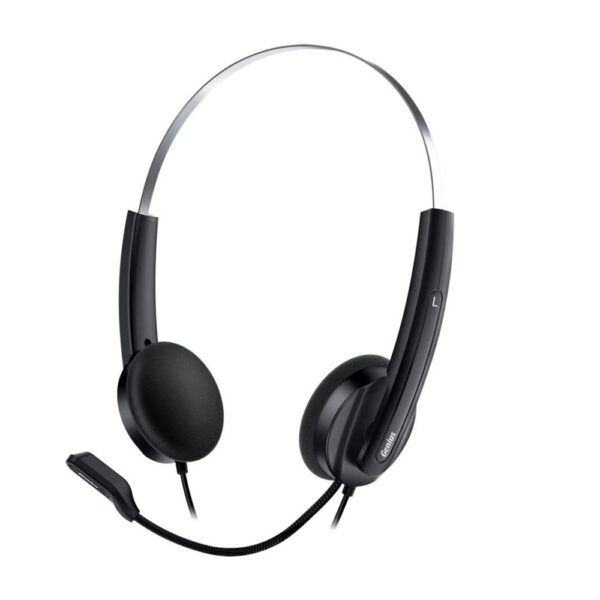
Over-ear headphonesThe strongest cancellation (big cups seal well and fit bigger electronics), most comfortable for long sessions, longest batteryFlights, office days, home focus
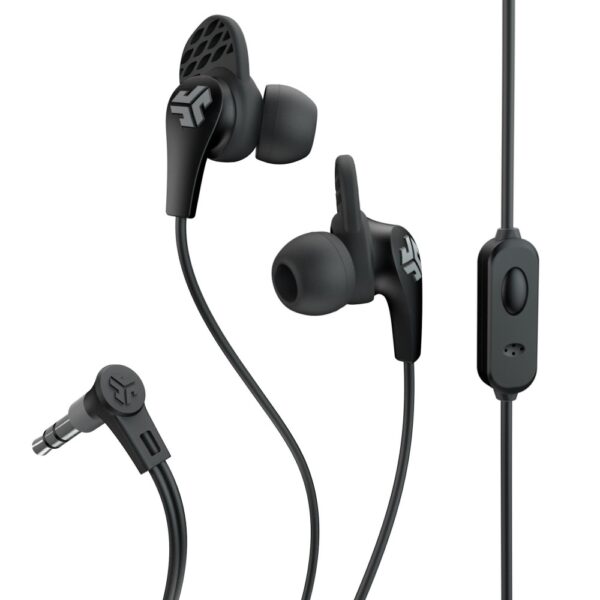
EarbudsPocketable, invisible under a hood or helmet, fine at the gym. The good ones now cancel remarkably wellCommuting, gym, everyday carry
Neckband earbudsCheap, hard to lose, battery lives in the bandTight budgets and workers who take buds in and out all day

The rule of thumb from our counter: if the noise you want gone is a long journey, choose over-ear. If it is the everyday world, earbuds win because you actually carry them.

What matters when you buy (and what is marketing)

  • ANC quality varies hugely. The feature name is the same on a £25 neckband and a £500 flagship; the depth of silence is not. The good news: the gap between £100 and £400 has shrunk a lot in the last few years.
  • Ignore decibel claims. Numbers like “50dB of cancellation” are measured in labs at the exact frequencies where the product shines. No standard exists, so the numbers cannot be compared between brands. Trust reviews and your own ears, not the badge on the box.
  • Comfort decides whether you use them. Clamping force, weight and ear-cup depth matter more after two hours than any spec. Earbuds live or die by tip fit: a loose tip loses the seal, and the seal is half the cancellation.
  • Check the everyday features. Multipoint (connected to laptop and phone at once), wear detection (music pauses when you take them off), a proper app with an equaliser, and case or fold size for your bag.
  • Battery anxiety is over. Almost every over-ear model now runs 30 to 60 hours with ANC on. Earbuds manage 6 to 12 hours plus a few full charges in the case.

The famous names, honestly rated

Three flagships dominate every 2026 comparison: Sony’s WH-1000XM6, Bose’s QuietComfort Ultra (2nd gen) and Apple’s AirPods Max 2. The specialist press has tested them side by side all year, and the consensus is consistent: Bose holds the crown for the deepest silence, especially the low rumble of a cabin at cruising altitude; Sony wins as the best all-rounder for sound quality, features and comfort together; and Apple wins if you live on iPhone and Mac, where the pairing and switching magic is unmatched.

The equally honest footnote: all three cost £300 to £550, and for most people most of the time, the difference between them and the best £150 alternatives is smaller than the price gap suggests. That is exactly where our picks below start.

Our pick for most people

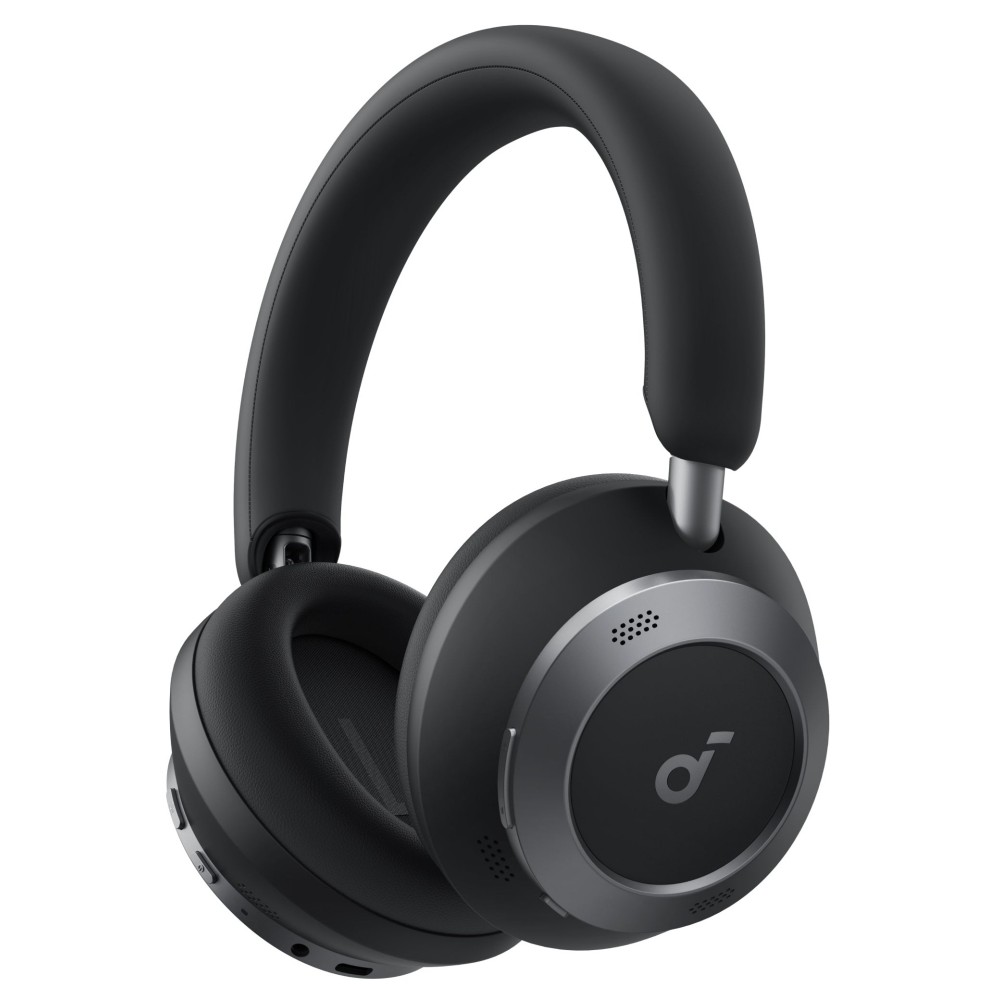
The Soundcore Space One Pro is the pair we point at when someone asks for proper noise cancelling without a flagship price. Strong adaptive ANC, comfortable cups, a sensible app, long battery life, and it folds small enough for a bag pocket. It does ninety percent of what the £400 names do, at well under half the money.

Soundcore Space One Pro Wireless Headband Bluetooth Headset Black

In stock

£156.16 inc VAT
  • Jet Black binaural headband headset with on-ear controls
  • Bluetooth 5.3 wireless connectivity with multipoint pairing
  • Active noise cancelling with Adaptive ANC 3.0 and 5 transparency levels
  • Built-in dynamic drivers with Triple Composite Diaphragms for Hi-Res audio
  • 4 built-in microphones for enhanced call clarity
  • Foldable FlexiCurve design with AUX and USB Type-C cables and pouch included
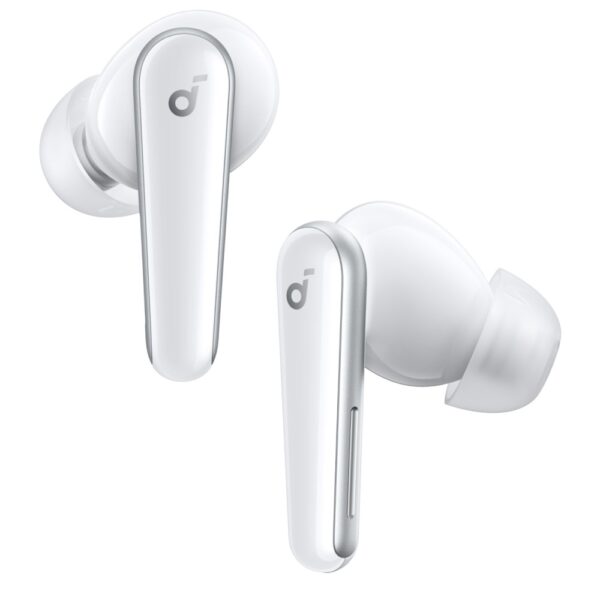
Best noise cancelling earbuds

Earbuds are where cancellation has improved the most in recent years, because the tip already seals your ear canal before the electronics start work. Our three picks, from flagship to sweet spot:

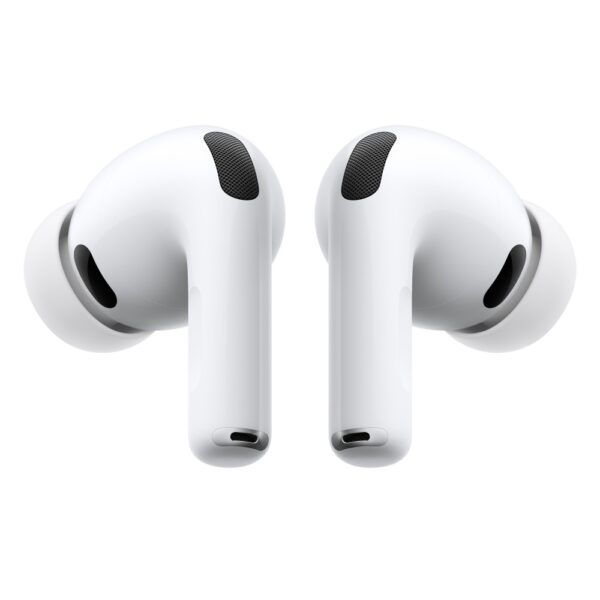
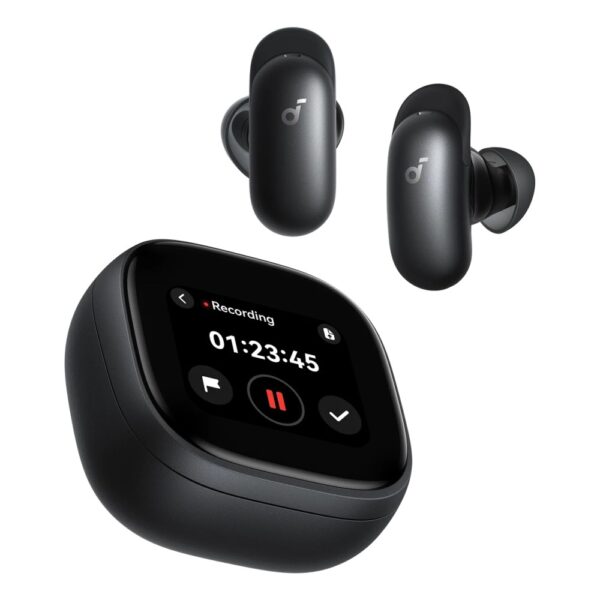
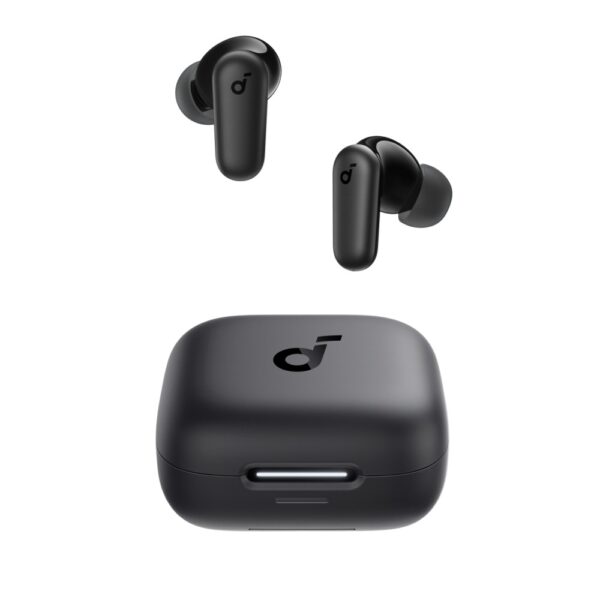
The AirPods Pro 3 are the obvious choice for iPhone owners: superb cancellation, effortless pairing, and features like heart-rate sensing that nothing else matches. The Soundcore Liberty 5 Pro Max is the strongest Android-friendly rival in our range, and the standard Liberty 5 gets you most of that performance at around £100. All three carry hearing-friendly transparency modes for the street.

Best over-ear picks

For long-haul silence and all-day comfort, cups beat buds. The two we stock and rate:

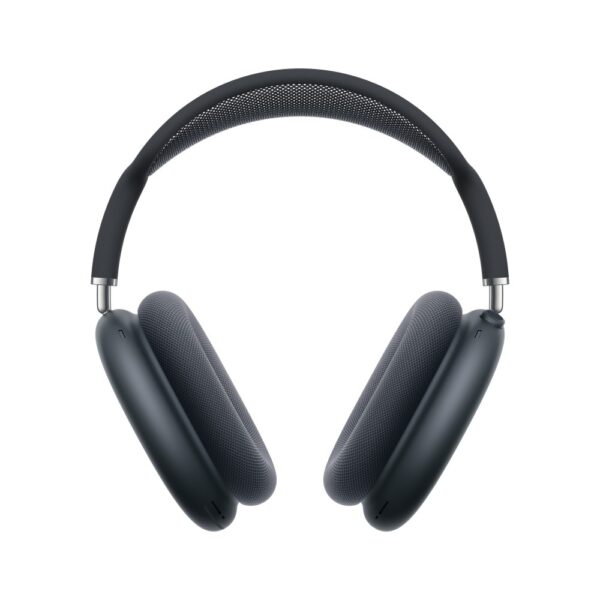
The AirPods Max 2 is the premium seat: beautiful build, Apple’s best cancellation, and effortless switching between iPhone, iPad and Mac. The Anker Space Q45 is the value seat: honest, strong ANC and huge battery life for a fraction of the price. Both are the kind of headphones you forget you are wearing, which is the real test.

Best budget noise cancelling under £50

Budget ANC used to be a gimmick. It is not any more. These will not match a flagship on a runway, but they take the edge off a bus, an office and a washing machine, and they cost less than a night out:

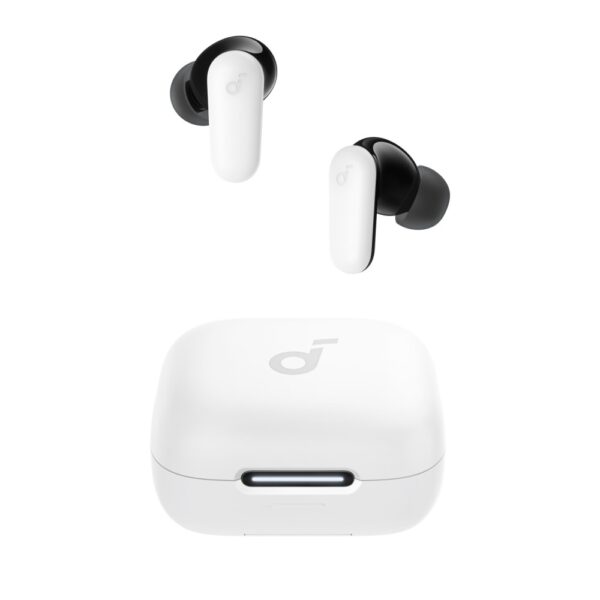
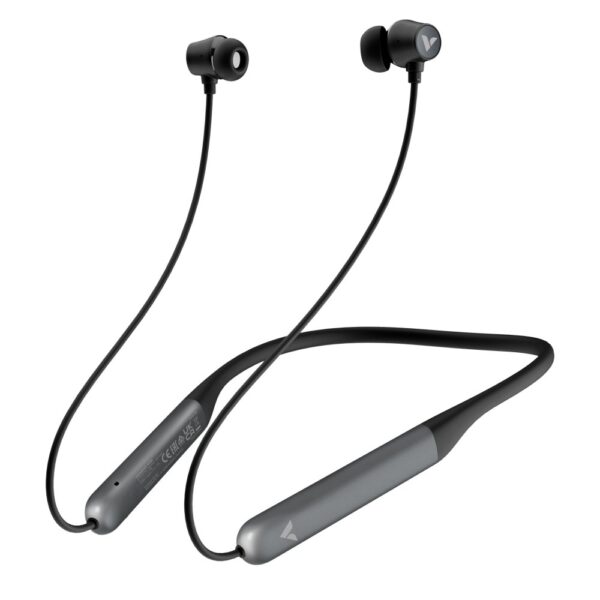
The Soundcore R60i is the best of the three for cancellation, the R50i NC is the bargain, and the Verbatim neckband suits anyone who keeps popping buds in and out all day and does not want to lose them. At this money the rule is simple: buy for the seal and the fit, and treat the ANC as a bonus that genuinely helps.

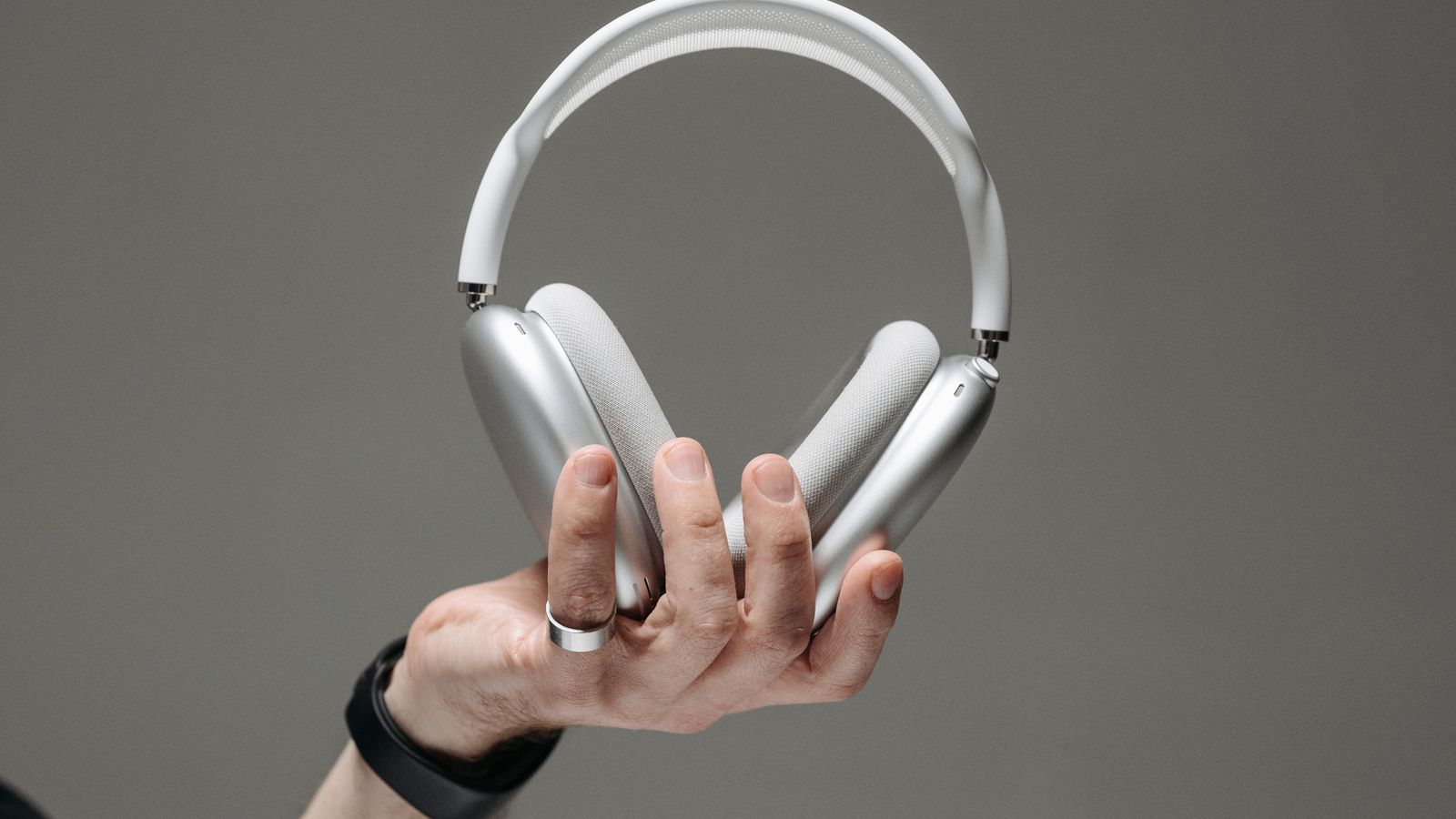
Hand holding silver AirPods Max over-ear noise cancelling headphones
AirPods Max: Apple’s over-ear answer, and one of the most asked-about products in the shop.

The AirPods corner: which ones cancel noise, and how to turn it on

Half the noise cancelling questions we get are AirPods questions, so here are the straight answers.

Which AirPods have noise cancellation?

ModelNoise cancelling?
AirPods 2nd and 3rd generationNo
AirPods 4 (standard)No
AirPods 4 with Active Noise CancellationYes. Same look, different box, roughly £50 more
AirPods Pro (all generations)Yes
AirPods Max (both generations)Yes

How to turn noise cancelling on or off: on AirPods Pro and AirPods 4 with ANC, press and hold the stem of either bud until you hear a chime; each hold switches between Noise Cancellation and Transparency. On AirPods Max, press the Noise Control button on the right ear cup. From the phone, hold the volume slider in Control Centre and tap Noise Control, or ask Siri to “turn on noise cancellation”. If the option is missing, your AirPods are one of the models without ANC, and no setting can add it.

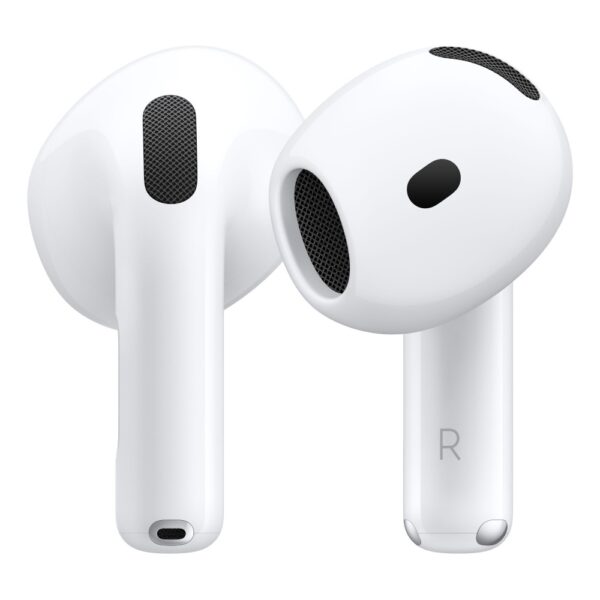
Both versions of AirPods 4 are in our stock, so check the card name carefully before you order:

Is noise cancelling bad for your ears? The honest answer

No. This worry comes up constantly, and the reassurance is real. ANC does not add pressure, radiation or anything physical to your ear; it adds a quiet, opposite sound wave. There is no evidence that the technology damages hearing.

It is actually the opposite in practice. The biggest everyday risk to hearing is volume: people turn music up to drown out the world around them. With the background noise cancelled, most people listen several notches lower, which is genuinely protective over the years.

Two honest footnotes. First, some people feel a strange “pressure” in their ears when ANC switches on, a bit like a plane descending. It is not real pressure; it is your brain reacting to low sounds disappearing while nothing visible changed. It is harmless, and most people stop noticing it within days. Second, ANC headphones are not safety ear defenders: for genuinely dangerous noise like power tools or a factory floor, you still need proper hearing protection rated for it. And no, noise cancelling does not cause tinnitus; unprotected loud noise does.

On sleeping: over-ear headphones are miserable to sleep in, but soft earbuds with ANC work for many side sleepers against a snoring partner or a noisy street, and quiet-focused sleep buds exist for exactly this. For children, look for kids’ models with a volume limiter (85dB); the limiter matters far more than the cancellation.

Questions we get asked about noise cancelling

How do noise cancelling headphones work?

Microphones on the outside listen to the noise around you, and a chip plays the exact opposite sound wave through the speaker. The two waves cancel each other at your ear. It works best on steady low sounds like engines and fans, and least on voices and sudden noises, which the physical seal of the ear cups handles instead.

Is noise cancelling bad for your ears?

No. There is no evidence ANC harms hearing, and it usually helps it, because people listen at lower volumes once the background noise is gone. The odd pressure feeling some people notice at first is a harmless trick of the brain, not real pressure, and it fades with use.

Do noise cancelling headphones protect your hearing?

Indirectly, yes: they let you listen quieter, and volume is what damages hearing over time. But they are not certified ear defenders. For power tools, concerts or industrial noise, use proper rated hearing protection.

Which AirPods have noise cancelling?

AirPods Pro (every generation) and AirPods Max have it. The standard AirPods 2, 3 and 4 do not. The catch: AirPods 4 come in two versions, and only the one sold as “AirPods 4 with Active Noise Cancellation” cancels noise. Check the exact product name before buying.

How do I turn on noise cancelling on AirPods?

Press and hold the stem of either bud until you hear a chime (AirPods Pro and AirPods 4 with ANC), or press the Noise Control button on AirPods Max. You can also hold the volume slider in Control Centre on your iPhone and choose Noise Cancellation, or simply ask Siri. If none of these options appear, your AirPods model does not have ANC.

Are Beats headphones noise cancelling?

Some are, some are not. Beats Studio Pro and Studio Buds have active noise cancelling. Beats Solo 4, one of the most asked-about models, does not have ANC, and neither do the standard Solo Buds. If cancellation is the reason you are buying, check the exact model first.

What do the decibel claims like 50dB mean?

Very little. There is no shared standard for measuring cancellation, so brands quote lab numbers at the frequencies where their product performs best. A bigger number on the box does not reliably mean quieter ears. Judge by reviews and, ideally, your own listening.

Can I sleep in noise cancelling headphones?

Over-ear models are too bulky for side sleeping, but small soft earbuds with ANC work well for many people against snoring or street noise. Keep the volume low or play nothing at all; ANC works fine with no music playing.

Are noise cancelling headphones good for kids?

The feature that matters for children is a volume limiter capped at 85dB, which most kids’ headphones have and most adult models do not. Cancellation is a bonus on top. For children sensitive to noisy environments, simple passive ear defenders are often the better tool.

Why do noise cancelling headphones feel strange at first?

Your brain notices the low rumble of the world vanishing and interprets it as a pressure change, similar to a lift or a plane descending. Nothing is pressing on your ears. For almost everyone the sensation disappears after a few days of use.

Headphones and earbuds in stock right now

Live UK stock and prices:

How we choose, and sourcesPicks are products we stock and hear real customer feedback on; nothing here is sponsored. The flagship verdicts match this year’s side-by-side testing by the specialist press: What Hi-Fi’s Sony XM6 vs Bose QC Ultra comparison, RTINGS’ lab measurements and Tom’s Guide’s three-way test. Prices shown are live and move with the market.

Leave a Reply

Your email address will not be published. Required fields are marked *