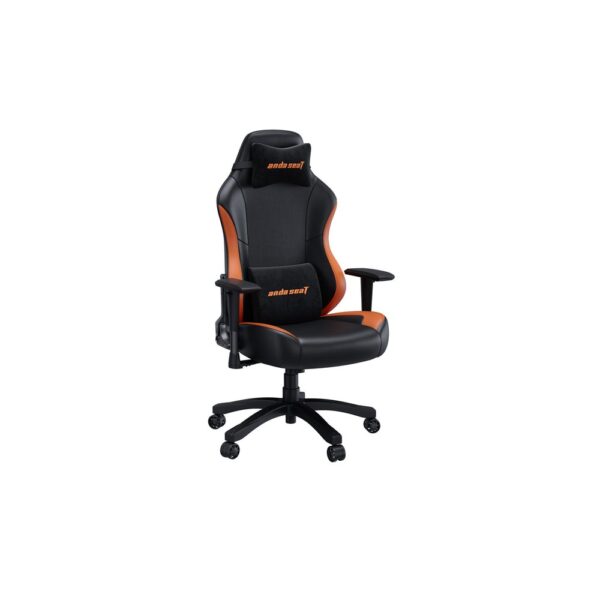
Are Gaming Chairs Bad for Your Back? The Honest Truth (and What to Buy Instead)

Last updated July 2026 · Written by the Hardvance hardware team
Search whether gaming chairs are bad for your back and you will find two camps talking past each other. One swears a gaming chair wrecked their posture. The other has sat in the same one for years with no trouble. Both are telling the truth, which is exactly why an honest answer is more useful than a flat yes or no.
We sell gaming chairs, so we could simply tell you to buy one. Instead, here is the straight version: what a gaming chair does and does not do for your back, why the cheap ones start to hurt over long hours, what actually protects your spine, and when an ergonomic office chair is the smarter buy. We have leaned on basic sitting and posture guidance, what our own team notices after long days at a desk, and what thousands of PC users report online.
A gaming chair is not automatically bad for your back. The trouble is that most cheap ones are built around a racing-car shape for looks, not for sitting eight hours a day, and their thin foam and loose lumbar pillows give up within a couple of years. What actually protects your back is ergonomics: real adjustability, proper lumbar support, a neutral posture and regular movement. A good ergonomic chair, or a genuinely adjustable mesh gaming chair, beats a flashy bucket seat every time.
Are gaming chairs bad for your back? The honest answer
Not because they are called gaming chairs. A chair harms your back when it holds you in a poor position for hours, gives weak support where your spine needs it, and cannot be adjusted to fit your body. Plenty of gaming chairs do exactly that. So do plenty of cheap office chairs.
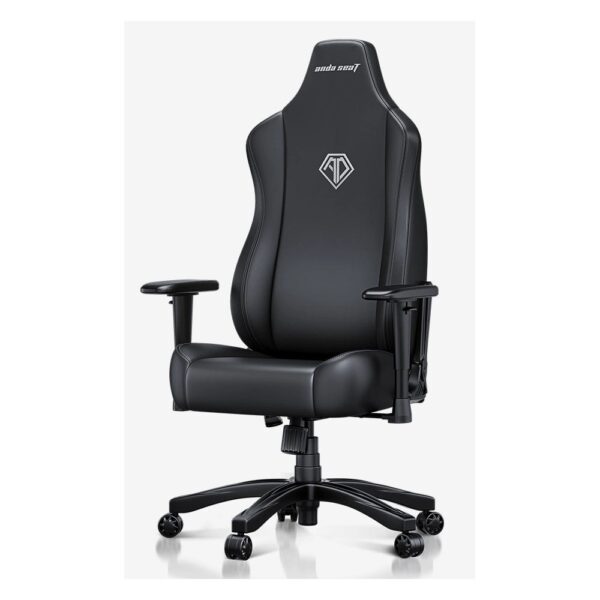
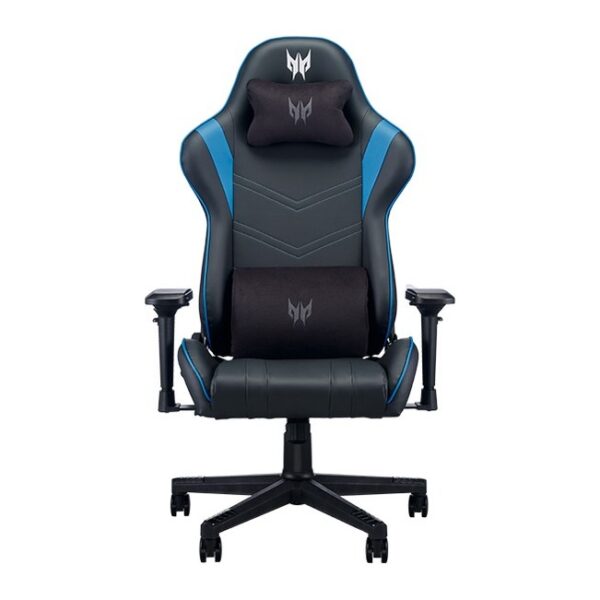
The issue specific to gaming chairs is the shape. The classic racing style is copied from a car bucket seat, which is meant to hold a driver in place against cornering forces, not to support someone typing and gaming through a full working day. Those raised side bolsters and deep contours look fast, but they can push you into one fixed posture and dig into your hips and thighs over time. If you already have back pain, that rigid shape tends to make things worse rather than better.
What the “gaming chair” label actually means
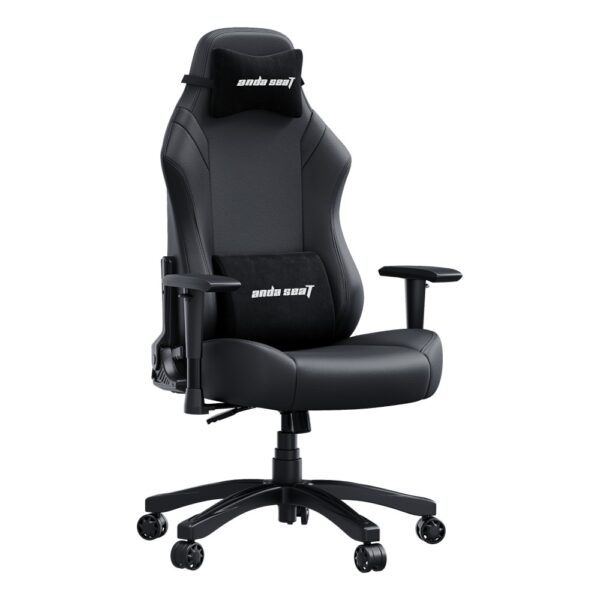
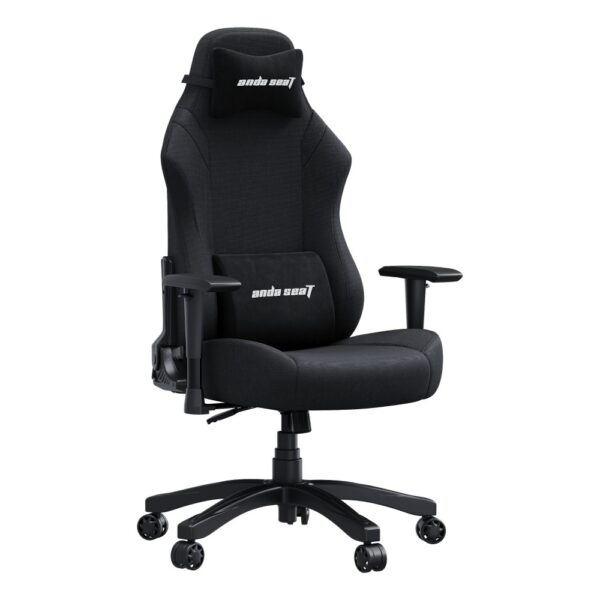
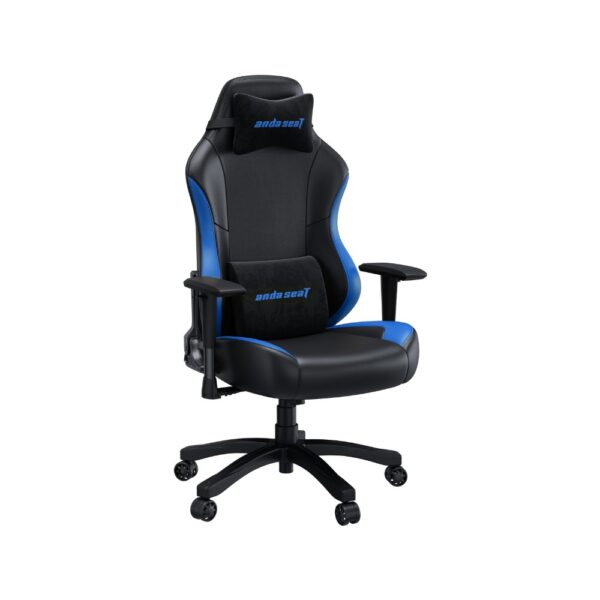
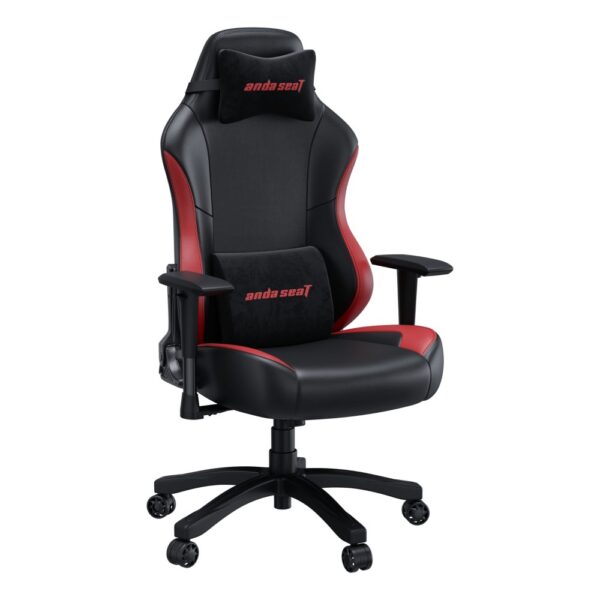
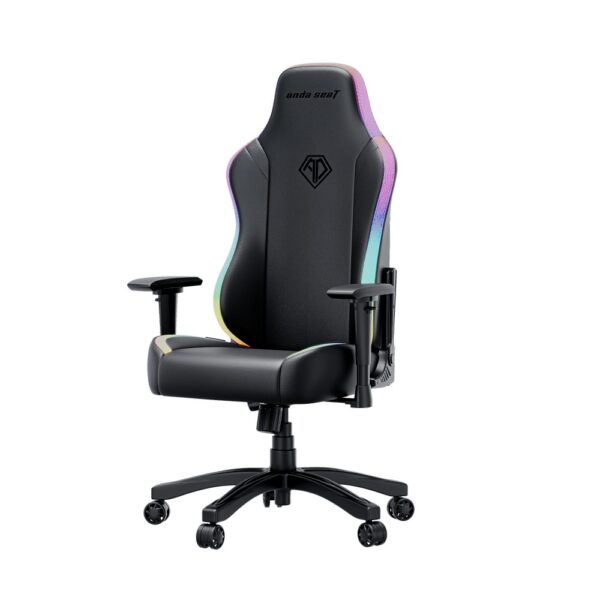
Here is the part the marketing does not put on the box: a gaming chair is a style and a target audience, not a promise of good ergonomics. It usually means a tall racing-style back, bold colours or RGB lighting, a reclining backrest and a couple of loose cushions for the neck and lower back. Some are genuinely well made and highly adjustable. Many are foam-and-faux-leather buckets that happen to wear a gamer paint job.
Spend ten minutes reading what long-time PC users say on forums like Reddit and the same point comes up again and again: the gaming label is largely a marketing tactic, and a solid office chair often does the job better for less. That is not anti-gaming, it is simply what people conclude after living with these chairs for a few years.
Why cheap gaming chairs start to hurt over time
The pain rarely shows up on day one. It creeps in over months as the chair breaks down and your body pays for its shortcuts. The usual failure points:
- Lumbar support that is just a strap-on pillow. It slips out of place, flattens over time and never quite sits where your lower back needs it.
- Foam that compresses. Cheaper seat foam loses its shape within two to four years, so you slowly sink onto the hard base. Good ergonomic chairs hold up for five to ten.
- Faux leather that peels and traps heat. PU leather looks the part for a year or two, then cracks and flakes, and it does not breathe, so long sessions turn sweaty.
- A one-size bucket shape. Fixed bolsters and a set seat depth cannot adapt to different leg lengths and hip widths, so a lot of people never get a truly comfortable fit.
- Too little adjustment. If you cannot set seat height, seat depth, armrests and lumbar independently, you end up adapting to the chair instead of the chair fitting you.
| Feature | Typical racing gaming chair | Ergonomic office chair |
|---|---|---|
| Lumbar support | Loose pillow, slips and flattens | Built in, adjustable height and depth |
| Adjustability | Height, recline, basic arms | Seat depth, 4D arms, tilt tension, lumbar |
| Material | PU leather, warm, tends to peel | Mesh or quality foam, breathable |
| Shape | Fixed racing bucket | Contoured for a neutral posture |
| Typical lifespan | 1 to 3 years | 5 to 10 years |
| Best for | Style, shorter sessions, reclining | Long daily hours and back health |
A chair does not fix your back. Adjustability, a neutral posture and getting up to move do. The "gaming" badge changes none of that.
What actually protects your back
Whatever chair you pick, gaming or office, these are the things that keep you comfortable for the long haul. Treat them as a checklist.
Set the seat height correctly
Your feet should sit flat on the floor with your knees level with, or just below, your hips. If your feet dangle or your knees ride high, the height is wrong.
Get the seat depth right
Leave two to three fingers of gap between the front edge of the seat and the back of your knees. Too deep and you slouch, too shallow and your thighs get no support.
Insist on real lumbar support
It should adjust for height and firmness and fill the curve of your lower back, not a cushion you keep repositioning. This is the single biggest difference between a chair that helps and one that hurts.
Adjust the armrests
Set them so your shoulders relax and your elbows rest at about ninety degrees. Fixed, non-adjustable arms are a common cause of neck and shoulder ache.
Use recline and tilt
Leaning back a little and shifting position through the day is kinder to your spine than sitting bolt upright and locked in one pose. Movement is the point, not stillness.
Move your monitor and your body
Put your screen at eye level so you are not craning your neck, and stand up to stretch every thirty to sixty minutes. No chair, at any price, replaces getting up and moving.
Gaming chair or ergonomic office chair: which should you buy?
There is no single winner, only the right chair for how you actually sit. Match it to your day.
- Buy an ergonomic office chair, or a genuinely ergonomic mesh chair, if you sit six to eight hours or more, work from home, or have any history of back pain. At that point adjustability and support matter far more than looks.
- A good gaming chair is fine if you play for a few hours at a time, want the reclining, roomy feel and the style, and you choose one with proper adjustment and breathable material rather than the cheapest bucket on the shelf.
- If you are big and tall, or on a tight budget, favour proven support over aesthetics. A plain, well-built ergonomic chair will treat your back better than a flashy one that cuts corners.
The honest short version: at the same price, an ergonomic chair usually protects your back better, while a good gaming chair wins on style and reclining comfort. Decide which of those your body needs first, then shop.
What gamers actually say about it
We read a lot of community threads before writing this, and the view among long-time PC users is strikingly consistent. The points that come up most:
- The gaming label is mostly marketing, and a good office chair often does more for less money.
- Cheap gaming chairs degrade fast, and the faux leather and foam are the first things to go.
- People with back pain frequently report that a proper office chair helped where a gaming chair did not.
- The exception that proves the rule: the well-built, genuinely ergonomic gaming chairs get praised for lasting years and staying comfortable. Quality and adjustability, not the badge, are what people actually rate.
How much should you spend, and how long will it last?
In the UK, a basic gaming chair starts around 100 to 150 pounds, a good mid-range one sits between 200 and 400, and premium ergonomic chairs run from 400 well into four figures. Price usually tracks the two things that matter most for your back: the quality of the frame and foam, and how much you can adjust.
On lifespan, treat a cheap chair as a one to three year purchase and a good one as five to ten. That maths often makes the pricier chair the cheaper choice over time, and much kinder to your back. Are expensive gaming chairs worth it? If the money buys real adjustability, better materials and years more use, yes. If you are mostly paying for lights and a brand name on a basic frame, no.
Chairs we would happily sit in all day
If you take one thing from this guide, let it be this: buy for ergonomics, not for the paint job. The chairs worth your money have proper adjustment, supportive lumbar and breathable material, and the mesh models in particular stay cooler and hold their shape over years. Browse our gaming chairs, and if you want to improve a chair you already own, a lumbar back rest and a monitor arm to bring your screen to eye level are cheap, genuinely effective upgrades.
Gaming chairs and your back: common questions
Not automatically, but many cheap ones are over long hours. The racing bucket shape and loose lumbar pillows can lock you into a poor posture, and the foam breaks down within a couple of years. What protects your back is a well-adjusted chair with real lumbar support, whether it is branded for gaming or the office.
A well-made, adjustable one can be, if you set it up correctly and move regularly. A cheap one usually is not. Look for adjustable lumbar, seat depth and armrests rather than a couple of loose cushions.
For long daily hours and back health, a proper ergonomic office chair is usually better. For style, reclining and a few hours of gaming, a good gaming chair is fine. The deciding factor is ergonomics and build quality, not the label on the box.
If you pick one with genuine adjustability and good materials, yes, especially for comfort and style over a few hours. If it is a cheap bucket you will sit in all day, an ergonomic chair is the better use of the money.
The lumbar pillow slips or flattens, the seat foam compresses, and the fixed bucket shape stops fitting your body. All three get worse with cheaper chairs and with more hours a day in the seat.
A cheap one often shows wear within one to three years, with the faux leather and foam failing first. A good ergonomic chair typically lasts five to ten years and holds its support far better.
Only if they are genuinely ergonomic and set up well. For eight-hour workdays, most people are better served by an adjustable office chair. Good posture also depends on your desk, monitor height and taking breaks, not the chair alone.
Usually a steel frame, moulded foam padding, and a cover of PU (faux) leather, fabric or mesh. Mesh and quality fabric breathe better and last longer than cheap PU leather, which tends to peel over time.
The racing styling is largely marketing, but the category is not a scam. When the price buys real adjustability, better foam and a frame that lasts years, it is worth it. When you are mostly paying for RGB and branding on a basic chair, it is not. Judge the chair by its support and materials, not its name.
How we know
Hardvance is a UK retailer. We sell gaming chairs, and we still think you deserve the honest version, because a chair that hurts your back is a chair you send back. This guide draws on established sitting and posture guidance, what our own team notices after long days at the desk, and the consistent experience thousands of PC users share online. We are not medical professionals, so if you have ongoing back pain, please see a physiotherapist or GP as well as choosing a better chair.
About Hardvance Team
The Hardvance hardware team builds, upgrades and troubleshoots custom PCs every day. Our buying guides are practical and free of hype, drawn from hands-on experience across AMD and Intel platforms, and focused on the parts that genuinely matter for your build and your budget.
View all posts by Hardvance Team