Best Graphics Card in 2026: How Much VRAM (and GPU) You Actually Need

0
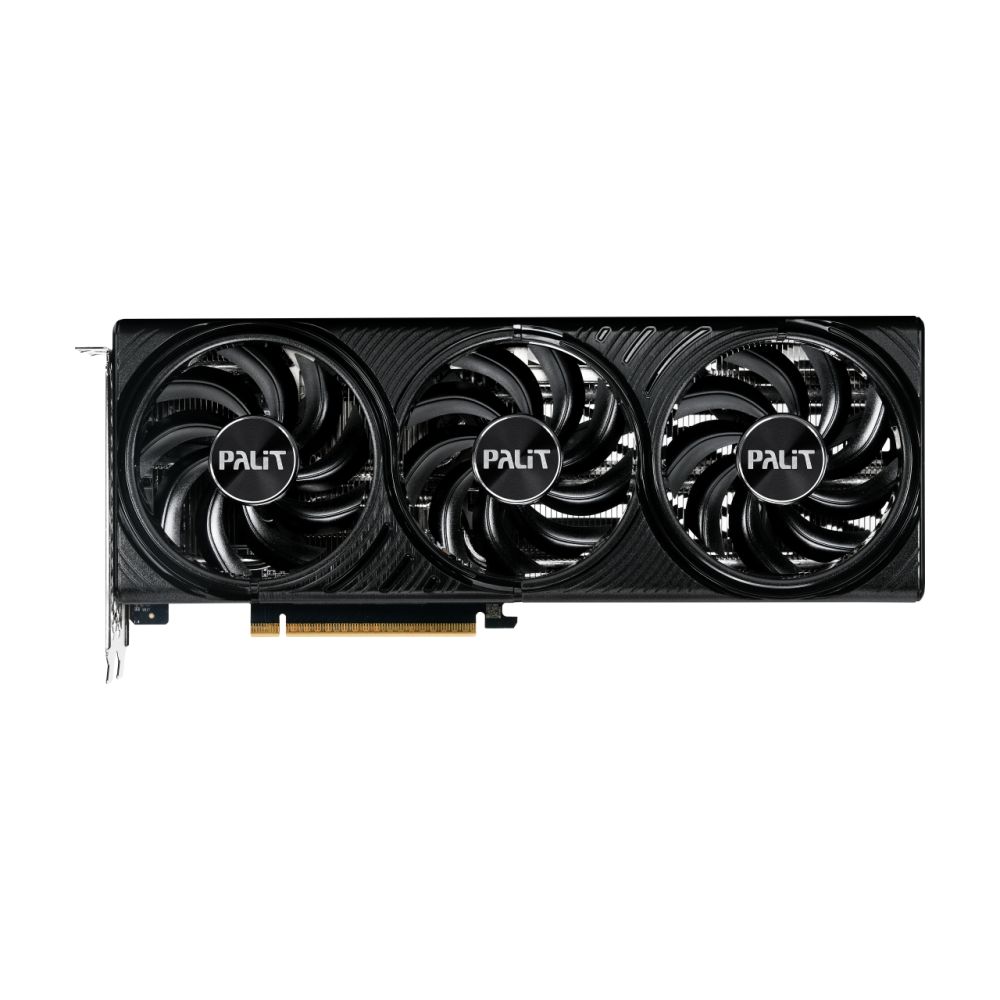
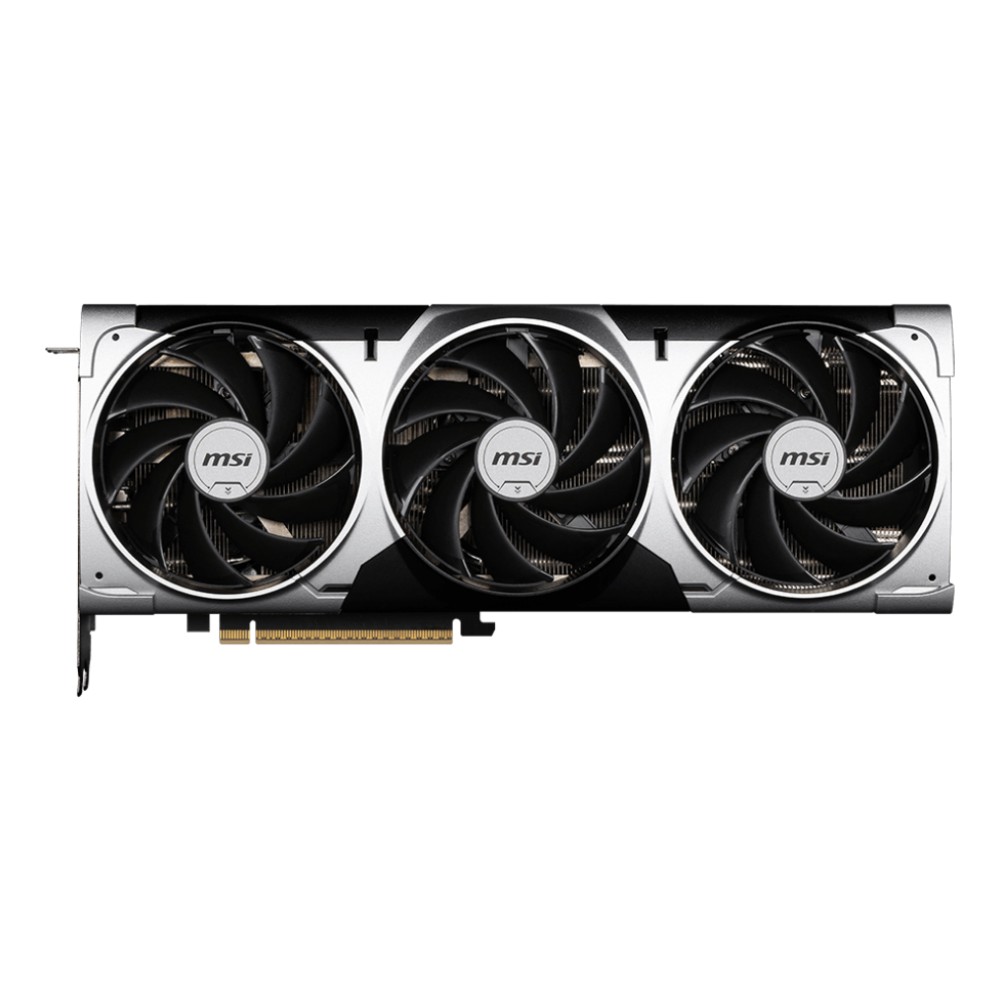
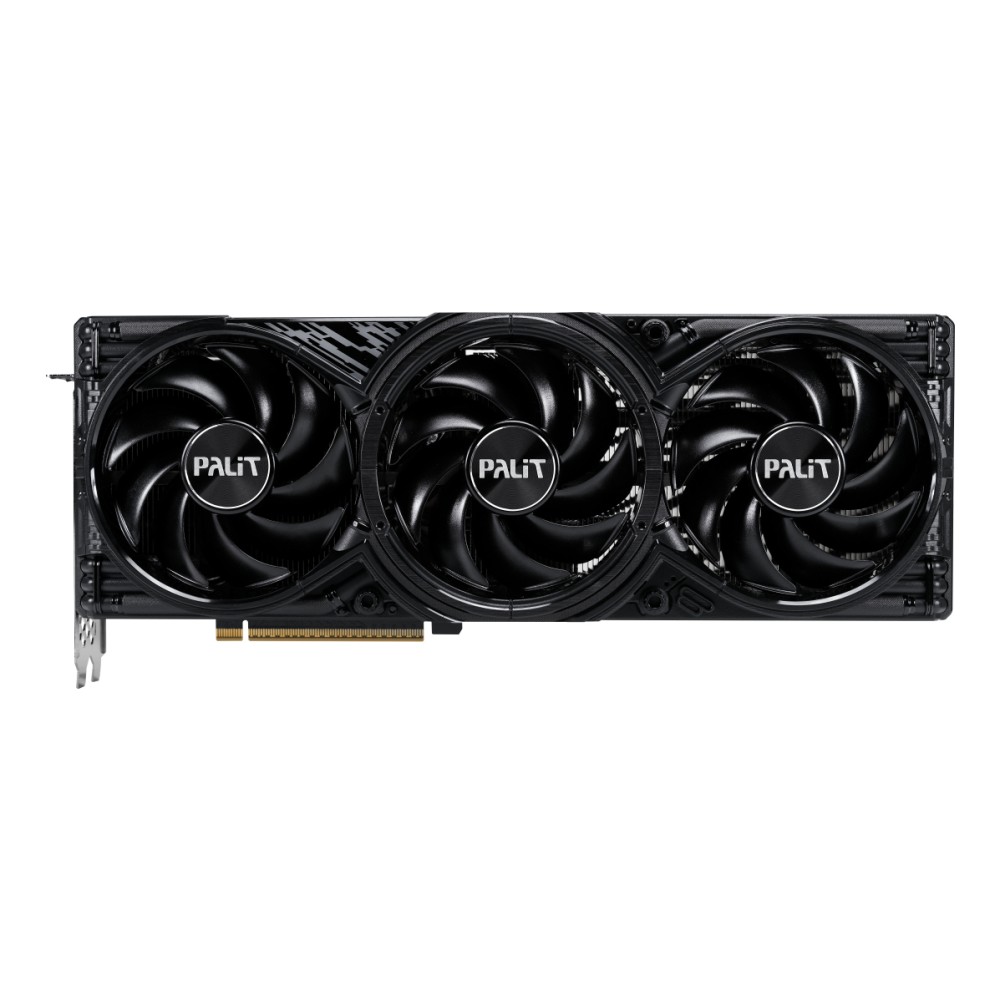
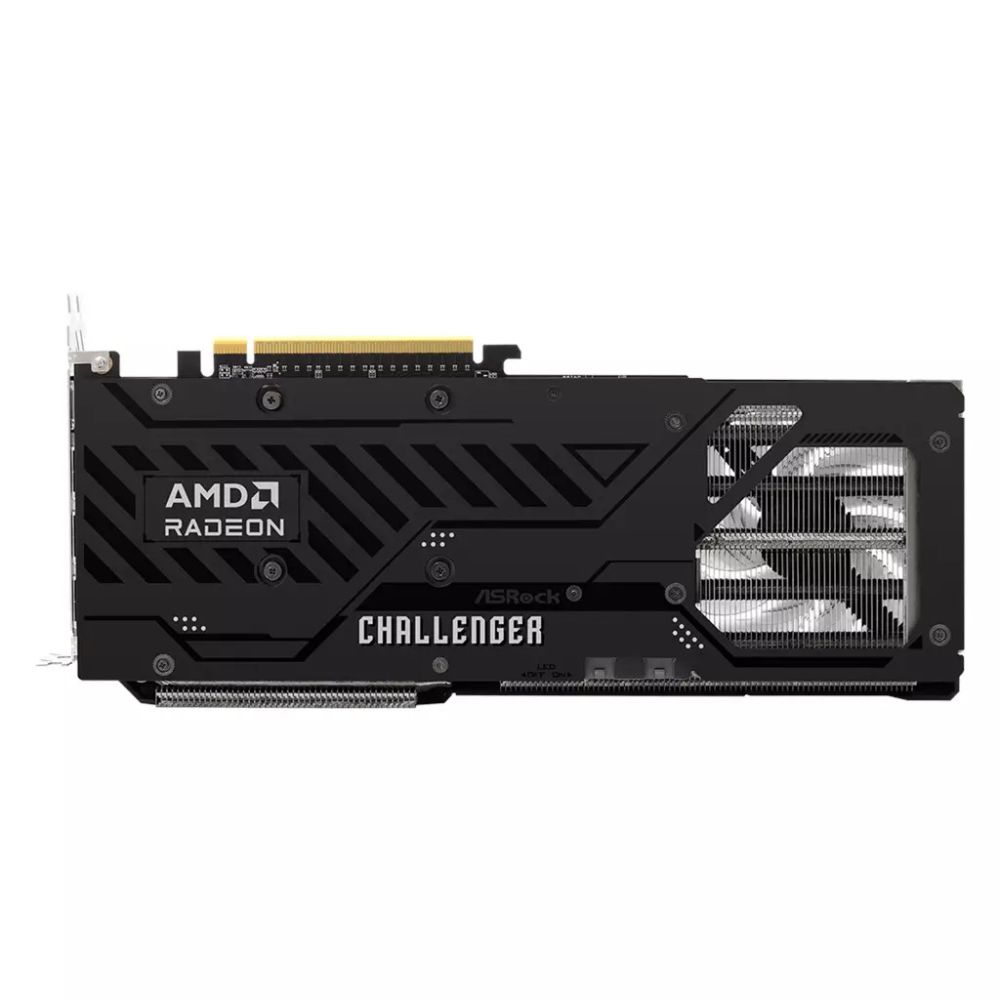
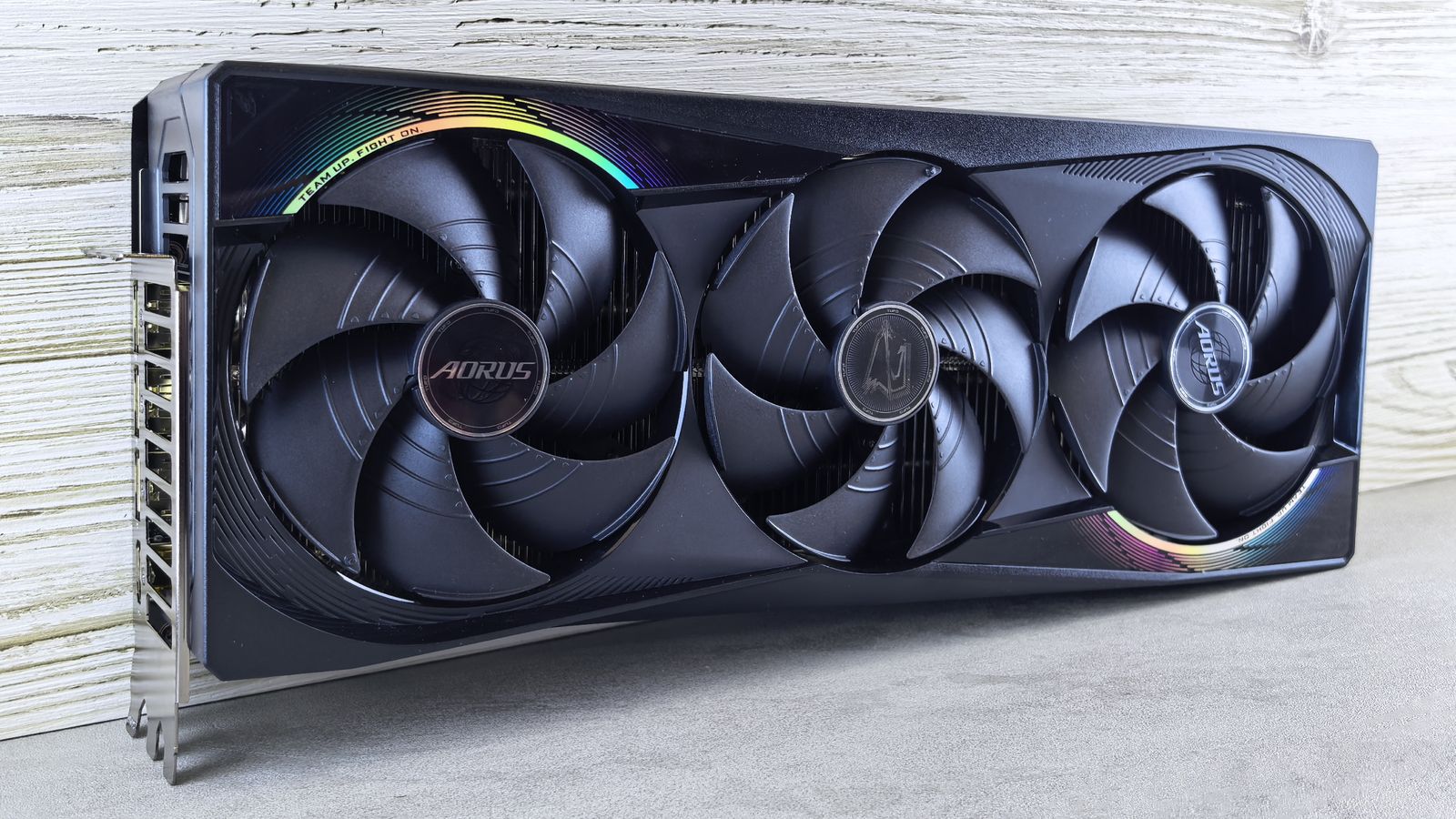
A modern triple-fan gaming graphics card

By James Hartley, PC hardware specialist · Last updated June 2026

Buying the best graphics card 2026 has to offer is the decision that most shapes how your games look and run, and it is usually the most expensive single component in the build. Independent test sites such as TechPowerUp track every model’s specifications. It is also the one people get wrong most often, normally by buying for raw speed and ignoring the thing that quietly ruins the experience a year later: video memory.

This guide cuts through it. We will cover how much VRAM you really need at each resolution in 2026, where the current RTX 50 and Radeon RX 9000 cards sit, and which one to buy for 1080p, 1440p and 4K without overpaying.

Best graphics card 2026: the short answer

How much VRAM do you need in 2026?

Video memory, or VRAM, is the dedicated memory on the graphics card that holds textures, the frame buffer and game assets. When a game needs more VRAM than the card has, it has to shuffle data back and forth over the much slower PCIe bus. You feel that as stutter, textures that load in late or look blurry, and sudden drops in your 1 percent lows even when the average frame rate looks fine.

This is why VRAM, not raw speed, is the number that ages a card. A fast GPU starved of memory still stutters, while a slightly slower card with enough memory stays smooth. In 2026 the line in the sand is 8GB. A growing list of new titles will spill past 8GB at 1080p with high textures or ray tracing, and that is only going one way.

The clearest proof is the RTX 5060 Ti, which exists as both an 8GB and a 16GB card built on the same GPU. In memory-hungry games the 16GB version pulls clearly ahead, not because it is faster on paper, but because it does not run out of room. If two cards are close in price and one has more VRAM, take the memory.

VRAM by resolution, our 2026 guidance:

  • 1080p: 8GB scrapes by for esports and older games. 12GB is comfortable, 16GB is properly future-proof.
  • 1440p: treat 12GB as the floor and 16GB as the target. This is where most gamers should be.
  • 4K: 16GB minimum, and the heaviest titles with ray tracing will use more.

GPU tiers by resolution

Match the card to the screen you actually play on. Buying a 4K card for a 1080p monitor is wasted money, and the reverse is just frustrating.

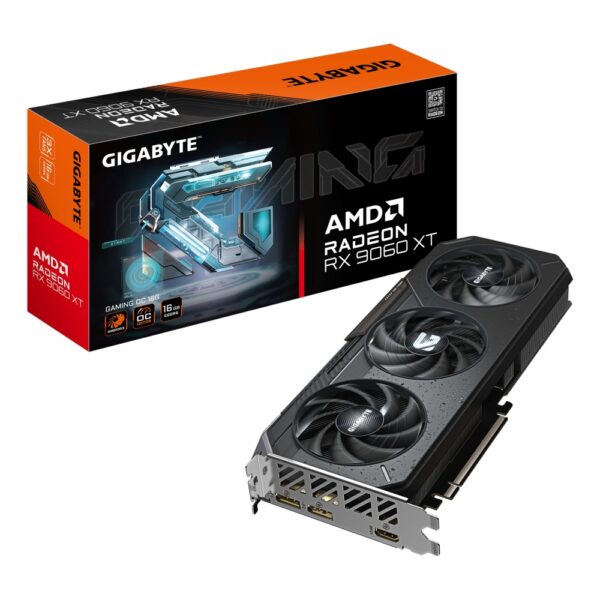
1080p, high refresh: the RTX 5060 Ti 16GB and RX 9060 XT 16GB are the smart picks. They push high frame rates at 1080p and have the memory to stay happy for years. Avoid the 8GB variants unless the PC is purely for esports.

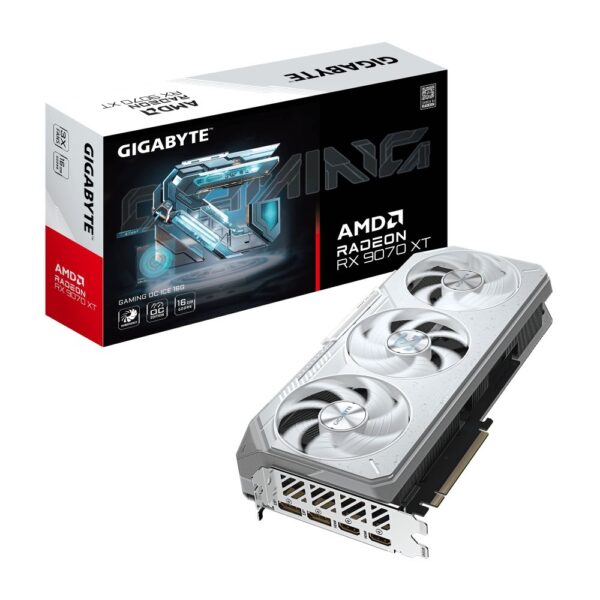
1440p, the sweet spot: this is where most people get the best balance of price and performance. The RTX 5070 (12GB) is a solid start, but the RTX 5070 Ti and RX 9070 XT, both 16GB, are the cards to aim for. They handle 1440p at high refresh today and have headroom for the next few years.

4K: step up to the RTX 5080 (16GB) for smooth 4K in most titles, or the RTX 5090 (32GB) if you want maximum settings with ray tracing and have the budget. A 9070 XT also makes a strong entry-level 4K card if you are happy to lean on upscaling.

Our top pick for most gamers

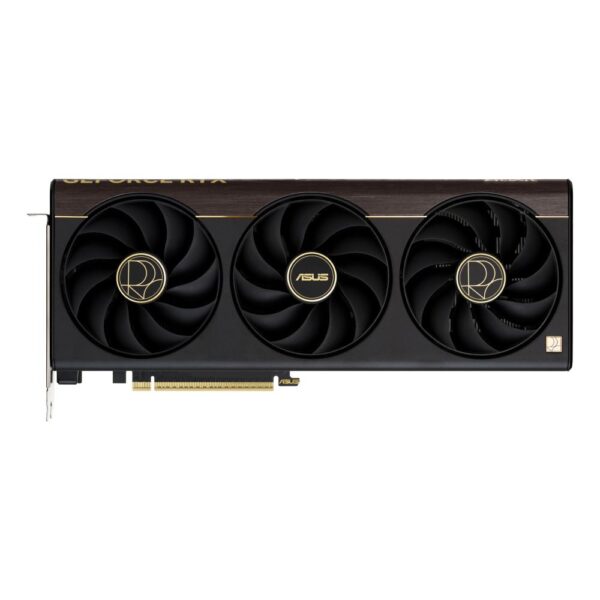
If you want one card that does almost everything well, this is it. The RTX 5070 Ti pairs 16GB of memory with enough power for high-refresh 1440p and capable 4K, and it has the full DLSS 4 feature set. It is the card we recommend to the largest number of people without hesitation.

ASUS ProArt RTX 5070 Ti 16 GB GDDR7

In stock

£1,094.41 inc VAT
  • NVIDIA GeForce RTX 5070 Ti graphics processor with 8960 CUDA cores
  • 16 GB GDDR7 memory on a 256-bit bus at 28 Gbit/s data transfer rate
  • OC edition boost clock of 2610 MHz (base 2588 MHz) via PCI Express 5.0 interface
  • Triple Axial-tech fans with active cooling and 2.5-slot SFF-ready design
  • Display outputs: 1x HDMI 2.1b, 2x DisplayPort 2.1b, and 1x USB Type-C
  • Supports NVIDIA G-SYNC, OpenGL 4.6, and 8K (7680×4320) resolution

Our top picks

Three cards that cover the most common needs, with live pricing.

  • Best value 1080p / entry 1440p: RTX 5060 Ti 16GB. The right amount of memory at a sensible price.
  • Best value 1440p / 4K: Radeon RX 9070 XT 16GB. The rasterisation bargain of this generation.
  • Best for 4K: RTX 5080 16GB. Serious 4K performance with the full NVIDIA feature set.
The best graphics card 2026 picks for high-resolution gaming
Modern cards are large and power-hungry. Check length, slot clearance and your power supply before you buy.

NVIDIA or AMD this generation?

Both are worth buying in 2026, and the right answer depends on what you do. The NVIDIA RTX 50 series leads on ray tracing and on DLSS 4, whose multi frame generation can transform frame rates in supported games. It is also the better choice for content creation and AI workloads. The trade-off is price, and the fact that the cheaper tiers can be light on memory, such as the 8GB 5060 Ti and the 12GB 5070.

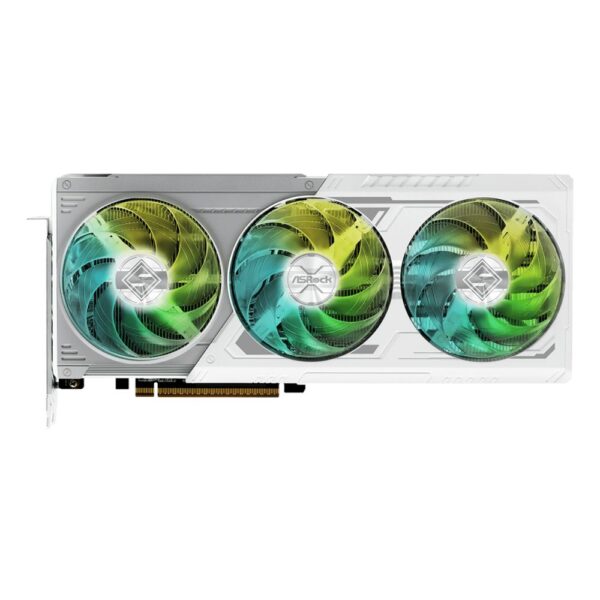
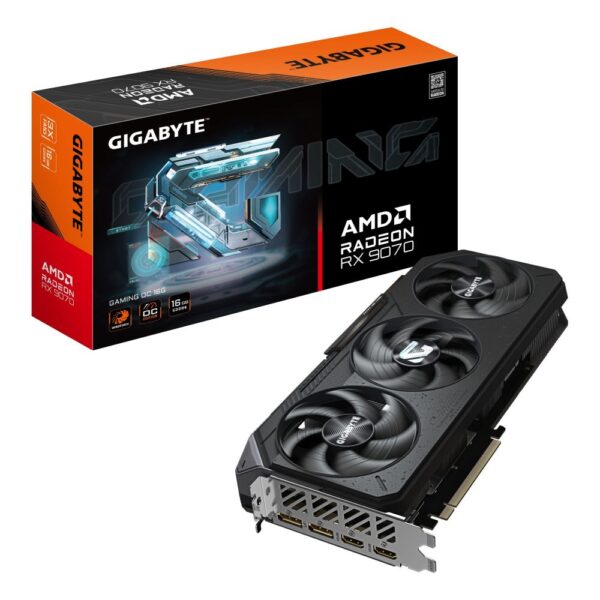
The AMD Radeon RX 9000 series is the value story this generation. You generally get more rasterisation performance and more VRAM for your money, with 16GB across the RX 9070 line, and FSR 4 has closed much of the upscaling gap. For pure gaming on a budget, AMD often gives you the better card per pound.

Put simply: choose NVIDIA if you want the best ray tracing, DLSS or creator and AI performance. Choose AMD if you want the most raw gaming performance and memory for the price. Below are current cards in both camps, with live pricing.

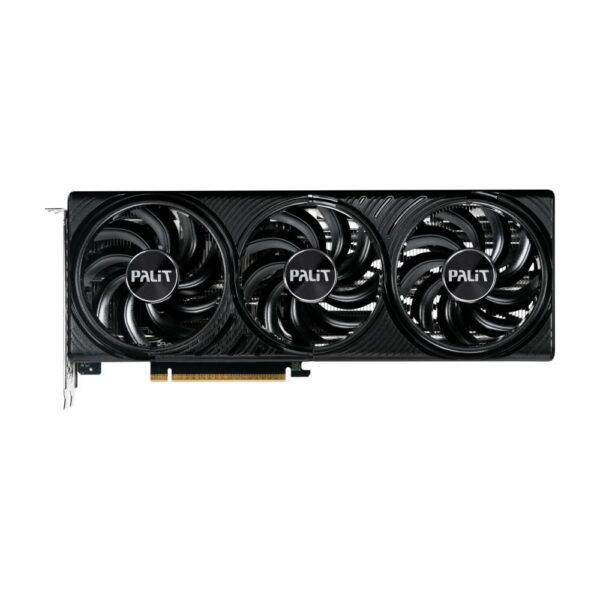
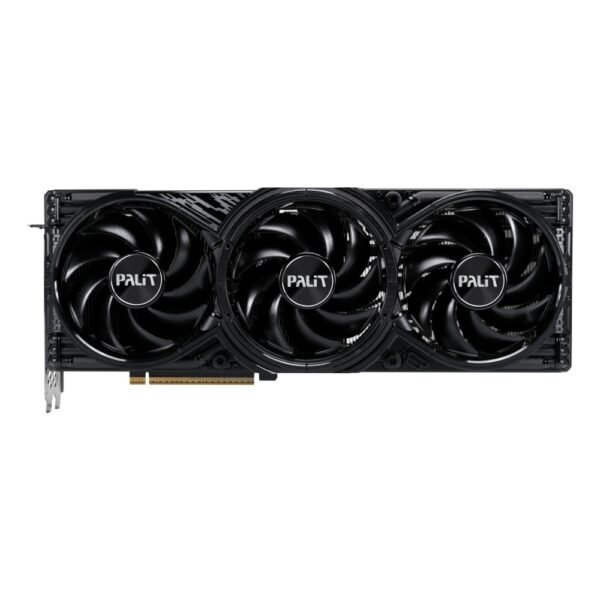
RTX 5070 Ti: the 1440p sweet spot

Our most-recommended tier, from several brands, with live pricing.

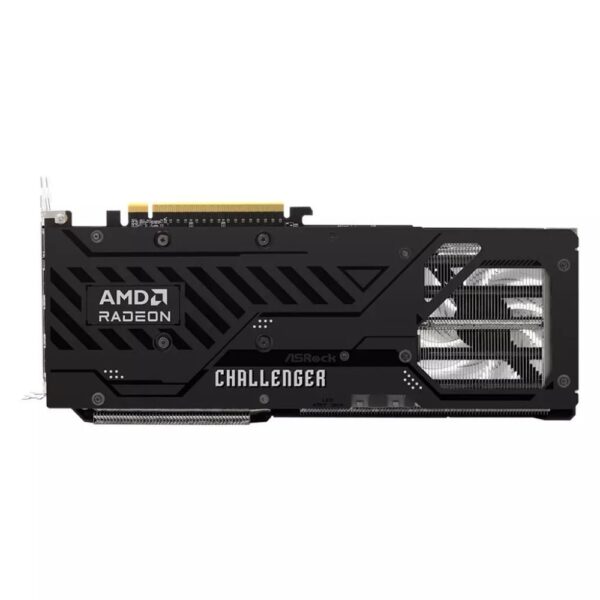
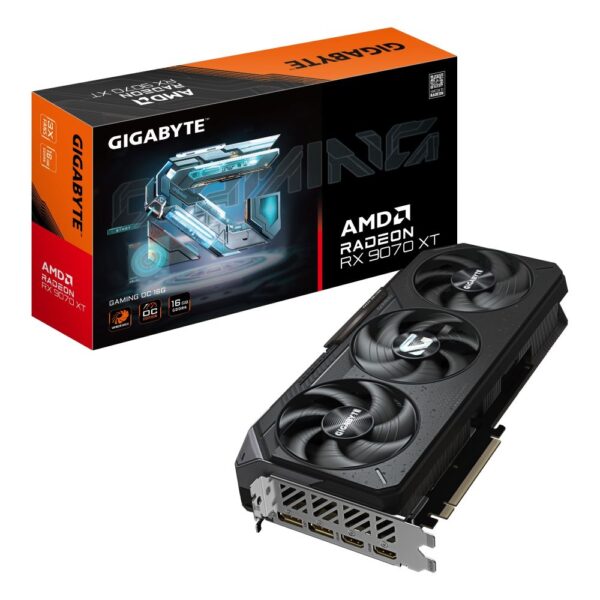
AMD Radeon RX 9000: the value picks

RDNA 4 cards with 16GB and strong rasterisation for the money.

Do not forget the rest of the system

A graphics card does not run on its own. Before you buy, check three things. First, your power supply: modern GPUs draw a lot and spike hard, so you need enough wattage and the right connector. The higher-end NVIDIA cards use a 12V-2×6 connector, which an ATX 3.1 supply provides natively. Our PSU guide covers exactly what to look for.

Second, your processor and memory. At 1080p and 1440p a weak CPU will bottleneck a strong card, so pair a good GPU with a capable chip and at least 32GB of system memory. Our RAM guide explains why 16GB is now the floor and 32GB the sweet spot. Do not pair a 16GB graphics card with 8GB of system RAM.

Third, physical fit. Current cards are long and thick, often taking up two and a half to four slots, so check the length and slot clearance in your case. And if you are buying the card to drive a new screen, our monitor guide helps you match the resolution to the GPU.

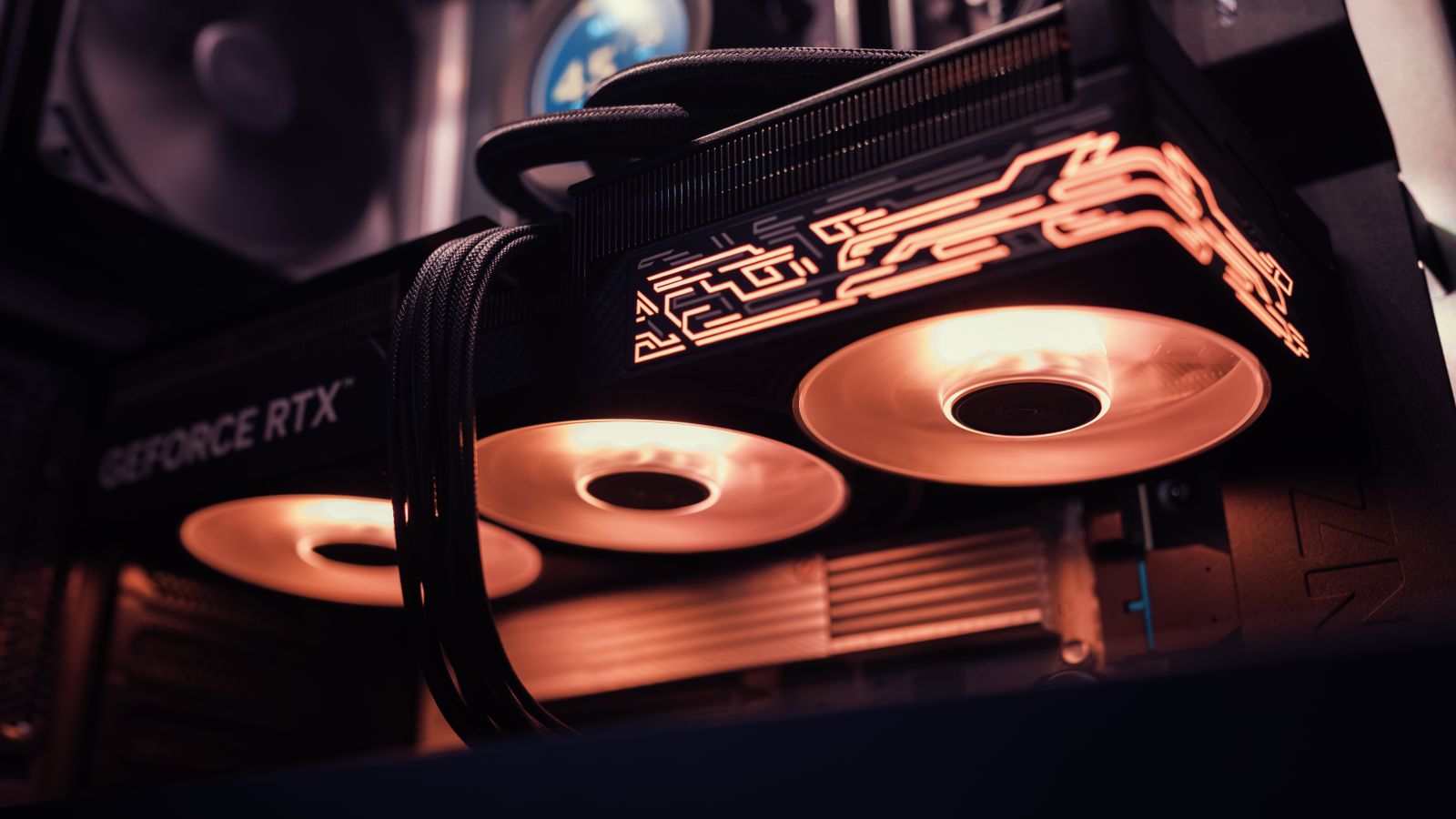
A high-end graphics card with lit fans installed in a PC case
A high-end card installed and running. Match it with a quality PSU and enough case airflow.

Prices and buying used in 2026

Graphics card prices are still high in 2026, and the wider memory shortage that has pushed up RAM costs is feeding into card prices too. The sensible response is not to overspend on raw power you will not use, but to buy the tier with the right amount of VRAM for your resolution and keep it for years.

Used cards can be good value, but go in with your eyes open. You lose the warranty, you cannot always tell how hard a card was worked, and older-generation cards often miss the latest upscaling features and ship with less memory. In a lot of cases a new 16GB card such as the RX 9060 XT will serve you better and longer than a used older flagship. If you do buy used, test it thoroughly on arrival.

Compare these graphics cards

VRAM and target resolution at a glance. No prices, so the table stays accurate. Follow a card to see today’s price and stock.

GPUVRAMBest forNotes
RTX 5060 Ti (8GB)8GB1080p esportsAvoid for new AAA games
RTX 5060 Ti (16GB)16GB1080p / entry 1440pThe version to buy
RX 9060 XT (16GB)16GB1080p / 1440pGreat budget value
RTX 507012GB1440pSolid, 12GB is the floor
RTX 5070 Ti16GB1440p / 4KThe all-round sweet spot
RX 9070 XT16GB1440p / 4KBest rasterisation value
RTX 508016GB4KHigh-end gaming
RTX 509032GB4K / AIFlagship, premium price

Quick recommendation

You play atBuy thisVRAM
1080p, high refreshRX 9060 XT 16GB or RTX 5060 Ti 16GB16GB
1440p (sweet spot)RTX 5070 Ti or RX 9070 XT16GB
4KRTX 5080, or RTX 5090 for maximum settings16-32GB
Budget, future-proofAny 16GB card, avoid 8GB16GB

How we choose what to recommend

Our recommendations come from hands-on building, not spec sheets alone. We build and test AMD and Intel systems with current cards every week, we cross-check our advice against independent reviews, and we only suggest cards we would fit in our own machines. Everything we list is genuine, UK-stocked and covered by full manufacturer warranty.

Frequently asked questions

Is 8GB of VRAM enough in 2026?

Not for modern AAA games. A growing number of new titles spill past 8GB even at 1080p with high textures or ray tracing, which causes stutter and texture pop-in. 8GB is fine for esports and older games, but for anything current, buy a 16GB card.

How much VRAM do I need for 1440p?

Treat 12GB as the minimum and 16GB as the target for 1440p. Cards like the RTX 5070 Ti and RX 9070 XT, both 16GB, are the sweet spot and leave headroom for the next few years.

Is the RTX 5060 Ti 8GB or 16GB version better?

The 16GB version, clearly. Both use the same GPU, but in memory-heavy games the 8GB card runs out of room and stutters while the 16GB card stays smooth. The small extra cost is well worth it.

NVIDIA or AMD in 2026?

Choose NVIDIA (RTX 50) for the best ray tracing, DLSS 4 and creator or AI work. Choose AMD (RX 9000) for more rasterisation performance and more VRAM per pound. For pure budget gaming, AMD is usually the better value this generation.

Will my power supply handle a new graphics card?

Check two things: total wattage and the connector. Modern cards spike hard and the higher-end NVIDIA models use a 12V-2x6 connector that an ATX 3.1 supply provides natively. See our PSU guide for the details.

Where to buy your graphics card

The card that makes you happy for the longest is almost always the one with enough VRAM for your resolution, not the one with the biggest number on the box. For most people in 2026 that means a 16GB card: an RX 9060 XT or RTX 5060 Ti for 1080p, an RTX 5070 Ti or RX 9070 XT for 1440p, and an RTX 5080 or 5090 for 4K.

You can browse our full graphics card range, including the latest NVIDIA GeForce RTX 50 and AMD Radeon RX 9000 cards. Everything we sell is genuine, UK-stocked and backed by full manufacturer warranty, so the card you order is the card you get.

Leave a Reply

Your email address will not be published. Required fields are marked *