How to Choose PC Components in 2026: Where Your Money Actually Matters
Decide what the PC is for, then split the budget to match. In a gaming build the graphics card takes the biggest share, around a current six-or-eight-core CPU, 32GB of DDR5, a fast NVMe SSD and a quality Gold power supply.
Start where it matters for you:
- Gaming buildGraphics card first. How much card you need
- Work and creationCPU and RAM first. Start here
- Upgrading, not buildingMake sure it all fits together
- Just a parts listBuild by use case, ready made
Every component in buying order, with the mistakes priced: below.
Building or upgrading a PC in 2026 comes down to a series of linked decisions. Choose the right parts and they work together quietly well into the future. Get one wrong and you are left with a bottleneck, a compatibility headache, or money spent in the wrong place.
This guide walks through every core component in the order that actually matters, explains what to look for, and links to our in-depth guide for each part. Whether you are after a 1440p gaming rig, a creator workstation, or a quiet everyday machine, the same logic applies: decide what the PC is for, set a budget, then spend it where it counts.
Start with the build, not the parts
The most common mistake is shopping for components before deciding what the machine is for. A 4K gaming PC, a video-editing workstation, and a home-office box share the same parts list, but the money is split very differently. Work out the job first, then the budget, then the split.
As a rough starting point, a gaming build leans hardest on the graphics card, while a creator or workstation build moves more of the budget onto the processor, memory, and storage. The table below is a sensible split to aim for before you fine-tune it.
| Component | Gaming | Creator / workstation | Budget / office |
|---|---|---|---|
| Graphics card | 35-45% | 25-35% | 20-30% |
| Processor | 15-20% | 25-30% | 18-22% |
| Motherboard | 8-12% | 10-12% | 10% |
| Memory | 8-10% | 12-15% | 8-10% |
| Storage | 8-10% | 10-12% | 10% |
| Power supply | 6-8% | 6-8% | 8% |
| Cooling | 4-6% | 5-7% | 4% |
| Case | 5-8% | 5-7% | 6-8% |
The processor
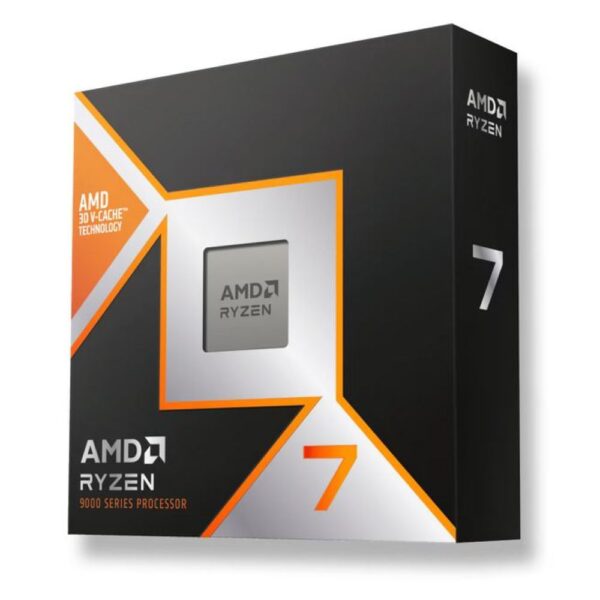
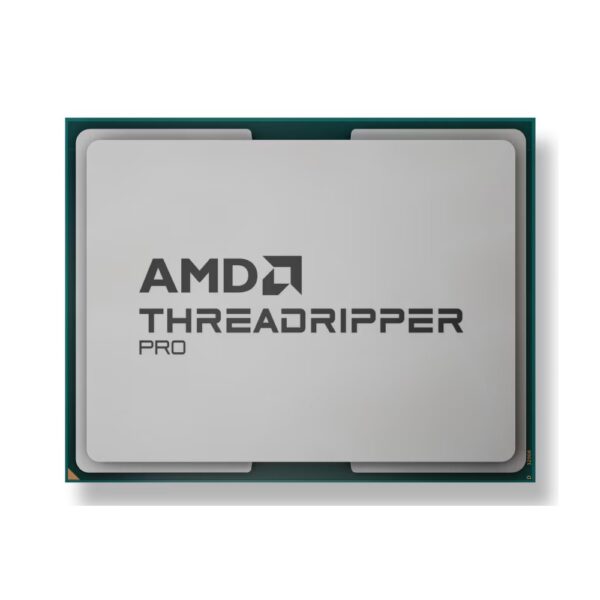
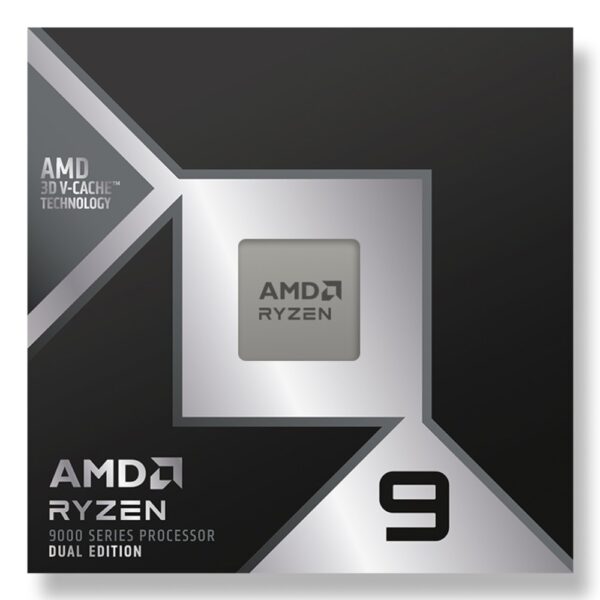
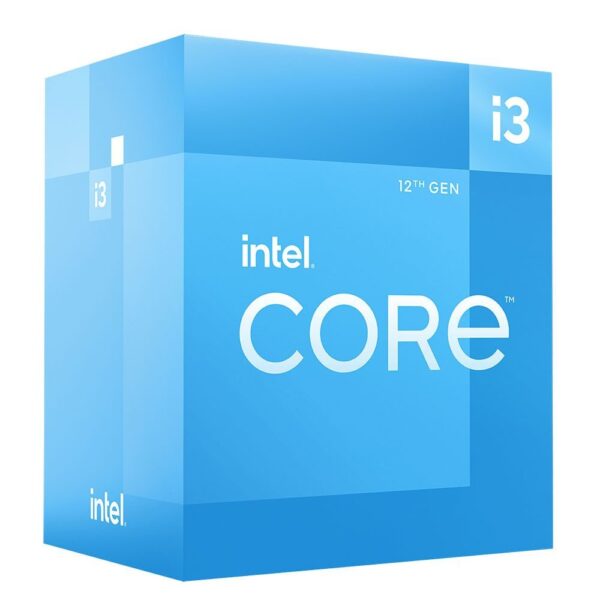
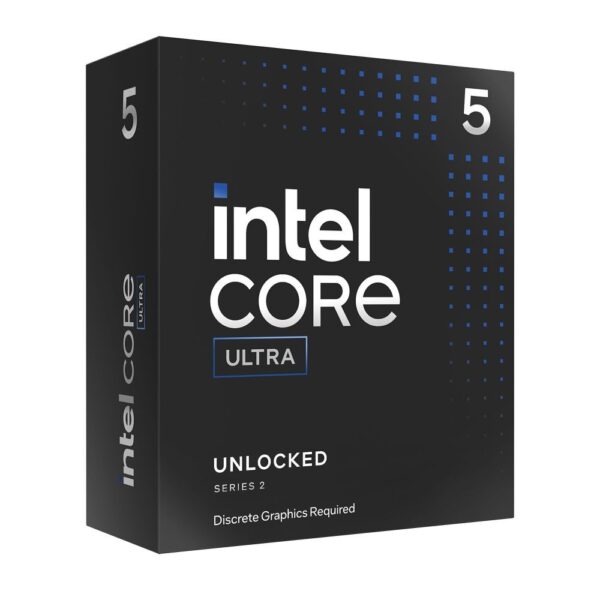
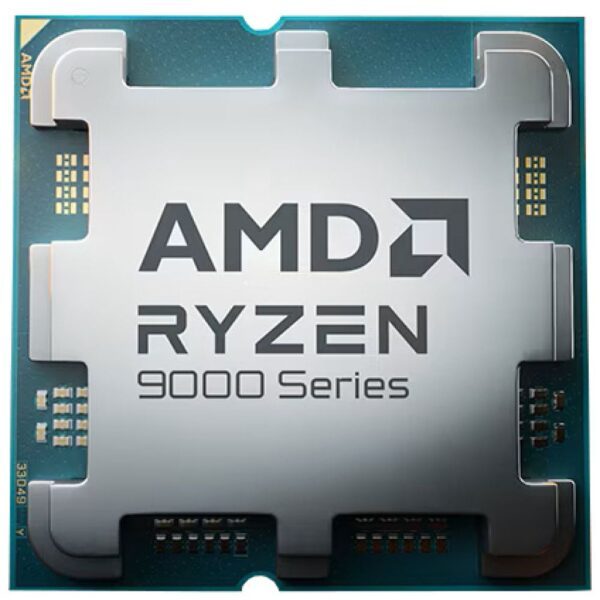
The processor sets the pace for everything else, and it decides your socket and motherboard. For gaming, AMD’s X3D chips with 3D V-Cache still lead, because games care more about cache and per-core speed than raw core count. For editing, rendering, and heavy multitasking, a higher core count earns its keep. Most people are well served by a current six- or eight-core part, and only step up to twelve or sixteen cores if the workload truly uses them.
Check the cooler that comes in the box, if any, and budget for a separate cooler on the higher-power chips.
AMD Ryzen 7 8700G 4.2 GHz 16 MB L3 Box
In stock
AMD Ryzen Threadripper 9960X 4.2 GHz CPU
In stock
Intel Core i5-14600KF CPU (3.5 GHz / 5.3 GHz) LGA1700
In stock
AMD Ryzen 9 9950X3D Processor 16 Cores Socket AM5 5.7 GHz Box
In stock
AMD Ryzen Threadripper 7970X 4 GHz 128 MB L3 Tray
In stock
The motherboard
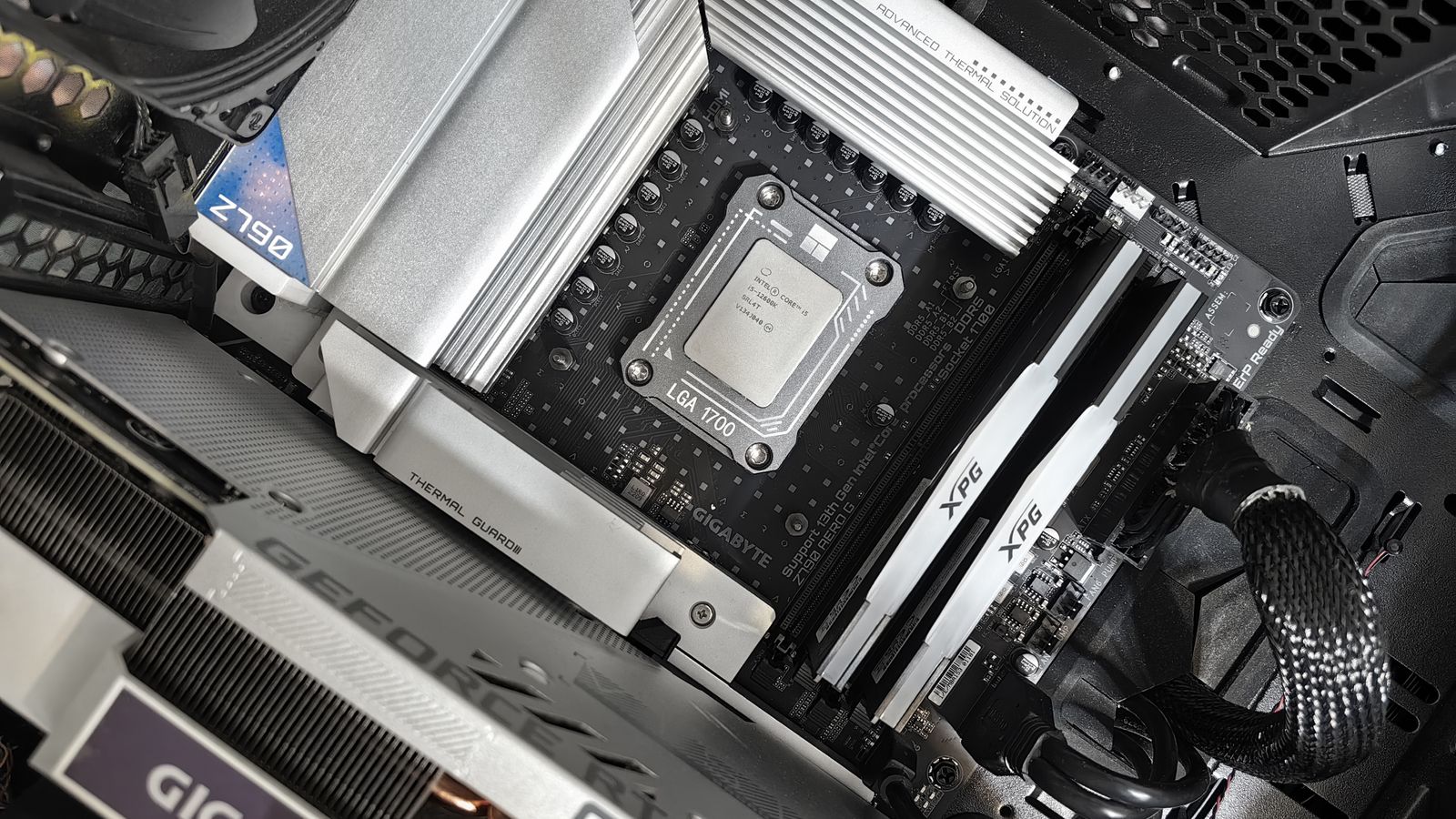
The motherboard does not make your PC faster, but it decides what fits and how far you can upgrade later. Match it to your processor’s socket first, then pick the chipset that gives you the features you need: enough M.2 slots, the right USB ports, and solid power delivery if you plan to run a high-core-count chip. Form factor matters too, since it sets how many memory and expansion slots you get and which cases will take it.
Memory (RAM)
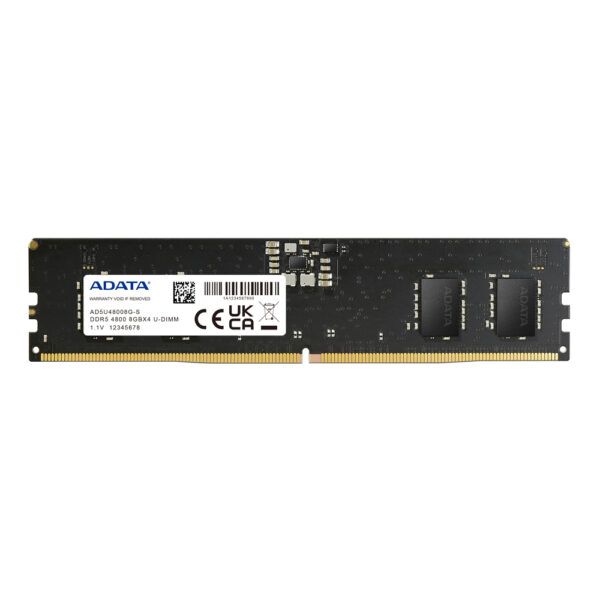
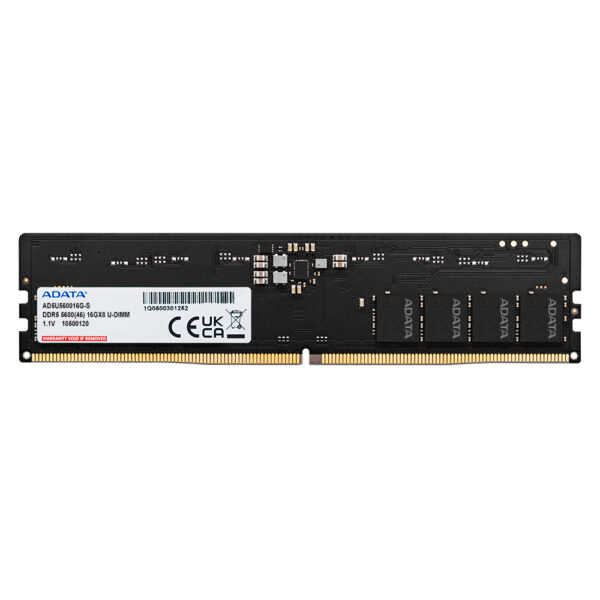
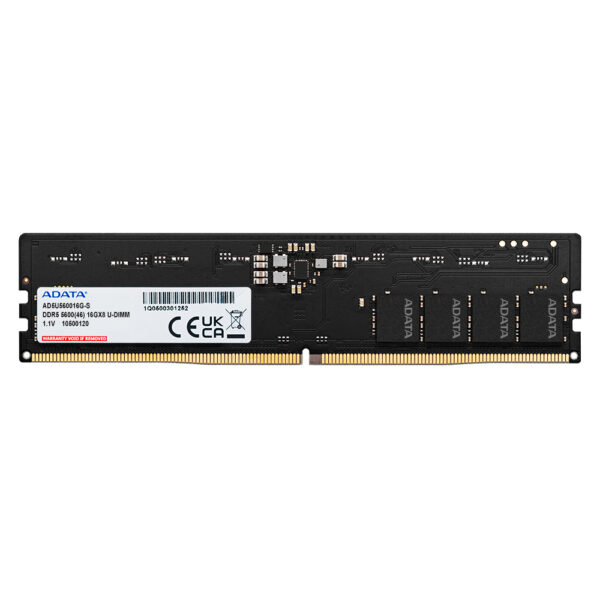
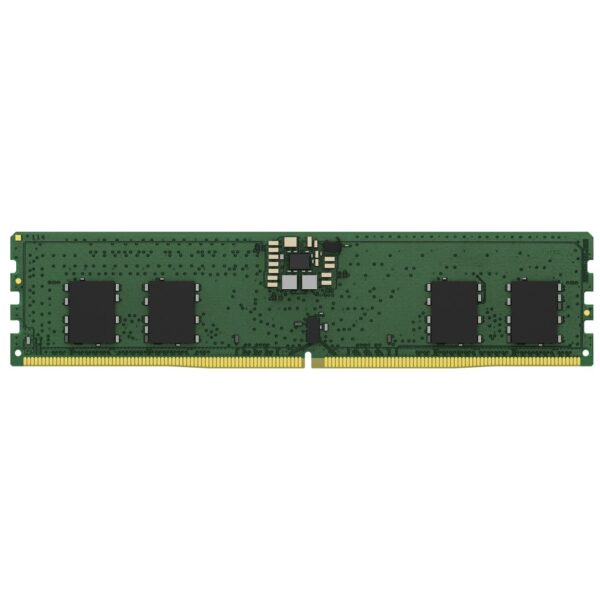
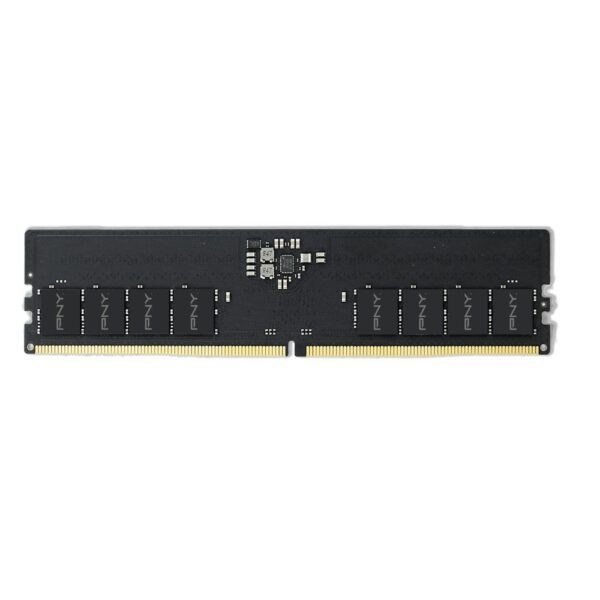
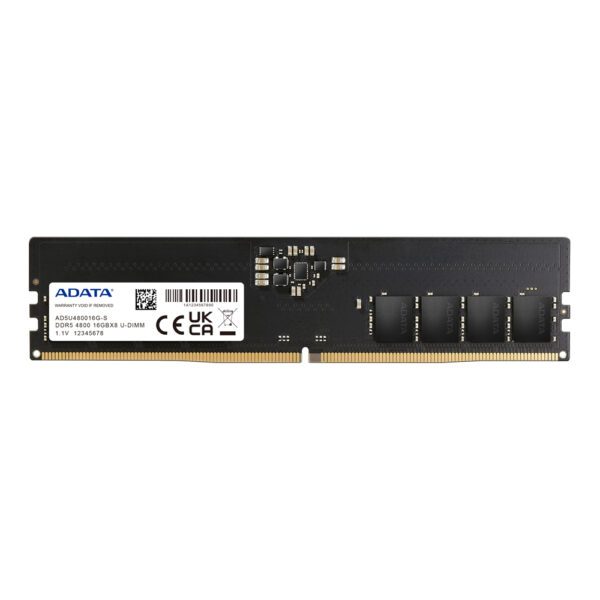
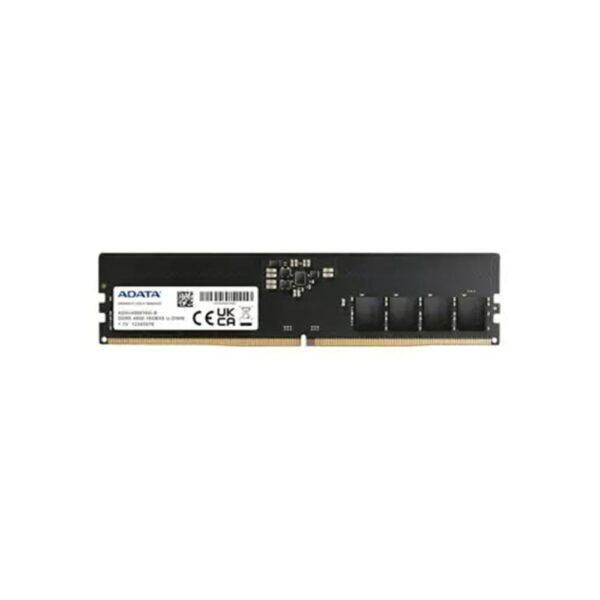
For 2026, 32GB of DDR5 is the comfortable value choice for gaming and general use, with 16GB now the bare minimum and 64GB worth it only for heavy creative work or virtual machines. On AMD’s AM5 platform, a DDR5-6000 kit with CL30 timings hits the balance most builders want, since it keeps the memory and fabric in step without paying for diminishing returns. Buy a single matched kit rather than mixing sticks later.
Adata 8 GB DDR5 4800 MHz ECC Memory Module 1 x 8 GB 288-pin DIMM
In stock
ADATA 8GB DDR5 288-pin DIMM Memory
In stock
Kingston ValueRAM 8GB DDR5 6400MT/s RAM Module
In stock
Kingston 8GB DDR5 5600 MT/s RAM
In stock
PNY 16GB (1x16GB) DDR5 5600MHz Desktop Memory CL40 – Bulk
In stock
Adata 16GB DDR5 4800MHz U-DIMM Memory
In stock
The graphics card
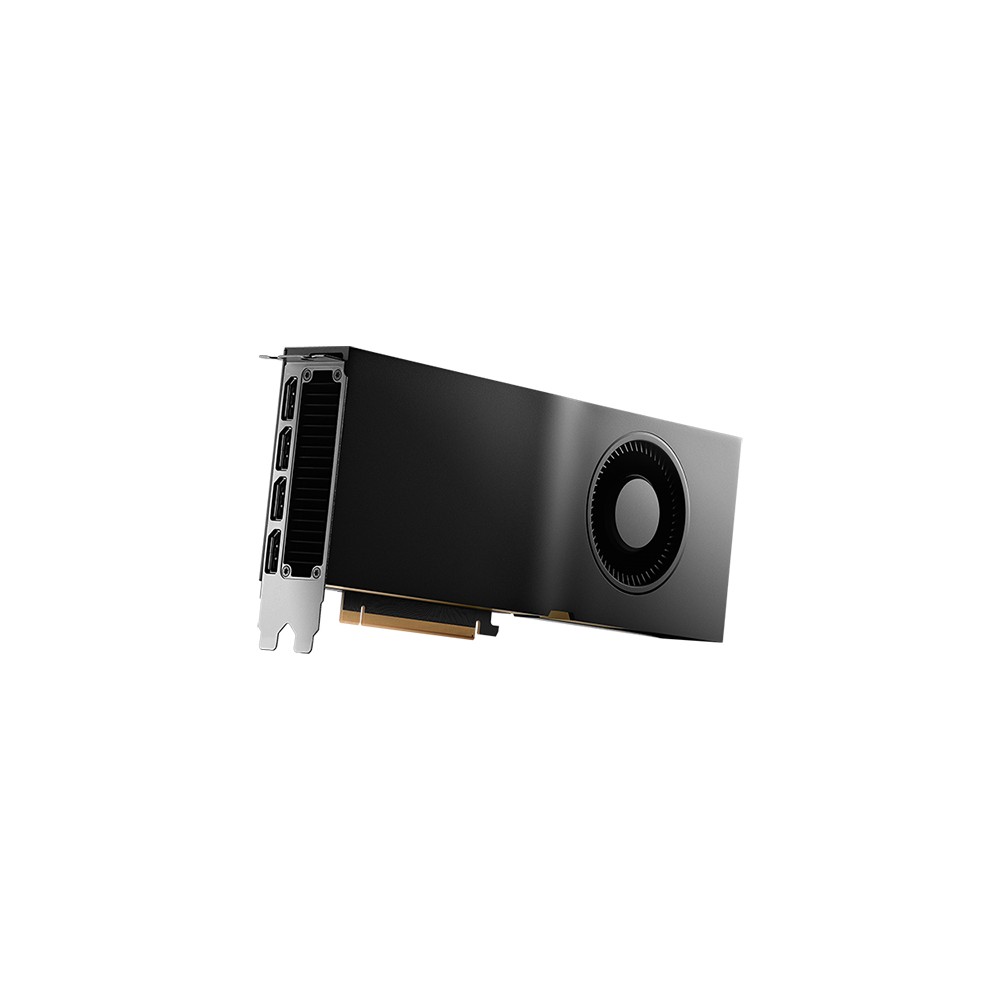
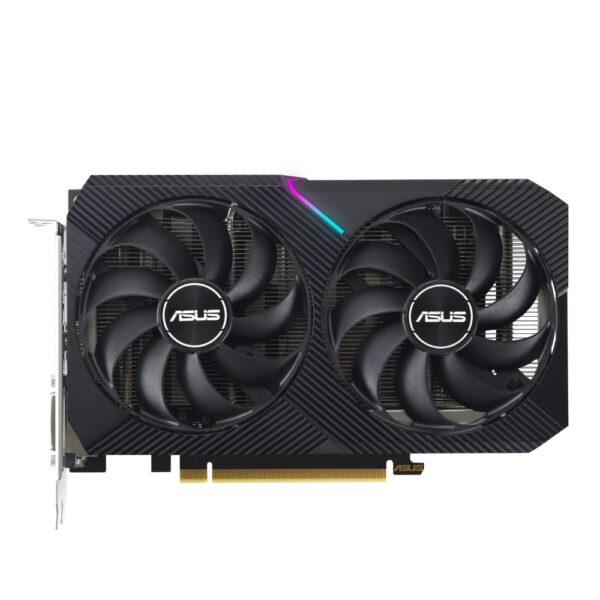
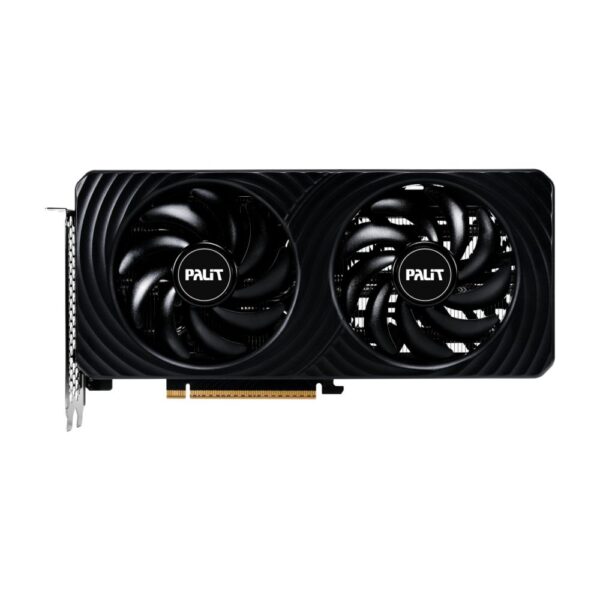
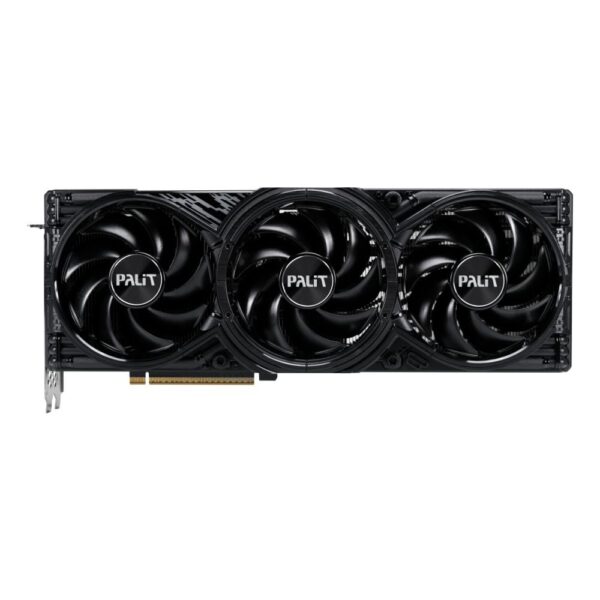
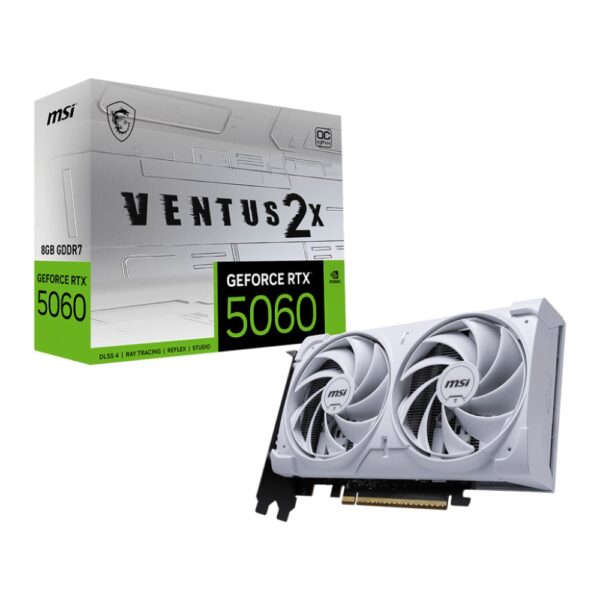
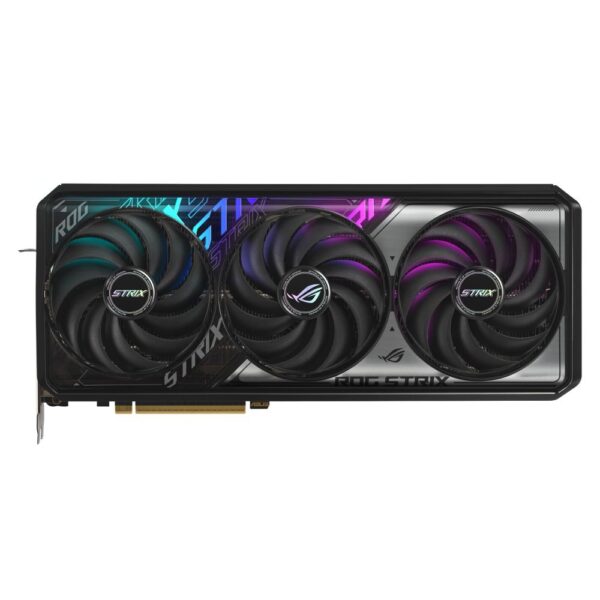
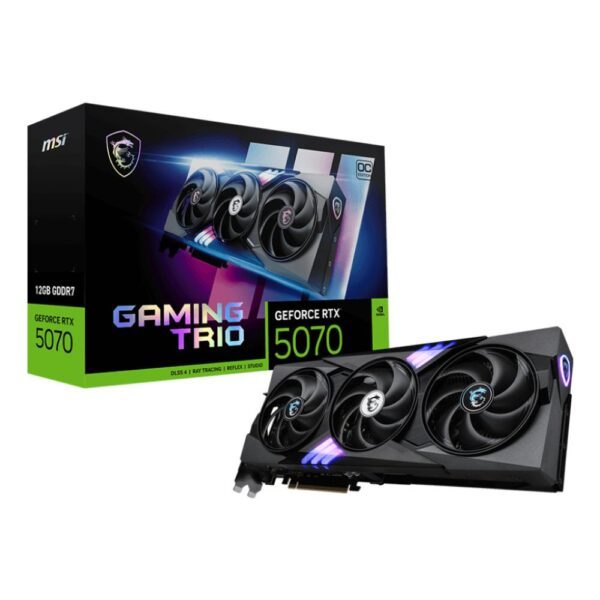
For a gaming build the graphics card is usually the single most important purchase, and the right one depends on your monitor. Aim a card at the resolution and refresh rate you actually play at: a strong 1080p or 1440p card for most people, and a top-tier card only if you game at 4K or chase very high frame rates. Pay attention to VRAM as well, because 8GB now limits some new titles at higher settings, and 12GB to 16GB is the safer buy for the next few years.
MSI RTX 5060 VENTUS 2X OC 8GB GDDR7
In stock
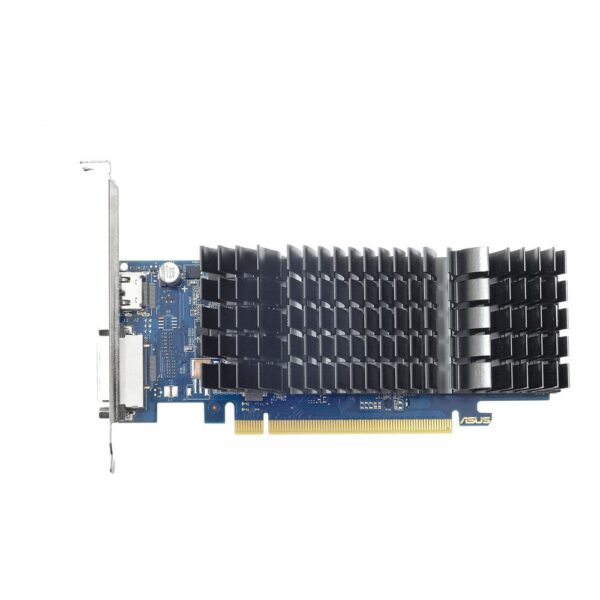
ASUS GeForce GT 1030 2GB Graphics Card
In stock
MSI GeForce RTX 5060 Ti 16GB Shadow 2X OC Plus
In stock
GIGABYTE GeForce GT 1030 2GB Graphics Card
In stock
Palit GeForce RTX 3050 6GB GDDR6
In stock
Palit RTX 5060 Dual OC 8GB
In stock
MSI GeForce RTX 5070 Ti VENTUS 3X OC 16GB GDDR7
In stock
MSI RTX 5060 8G GAMING OC 8GB
In stock
Storage and SSDs
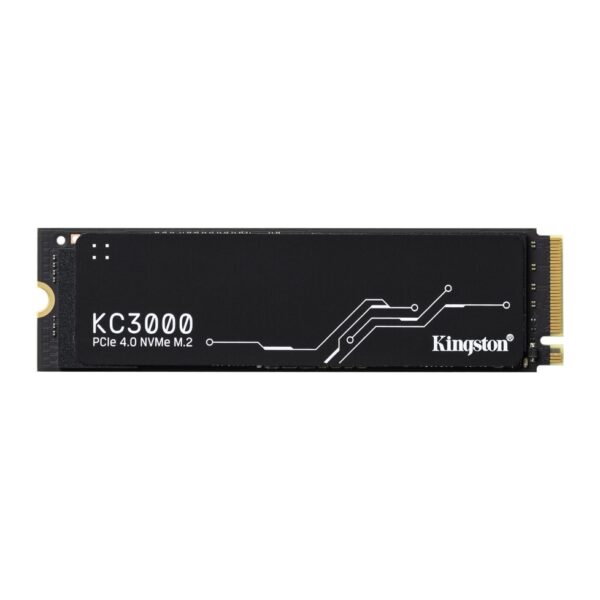
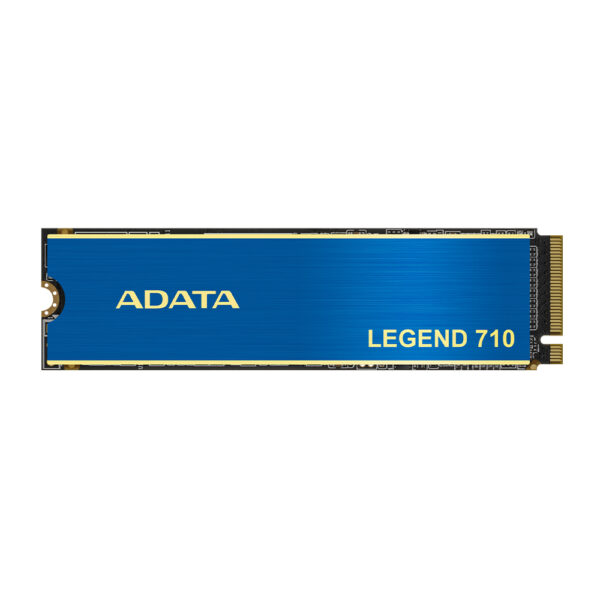
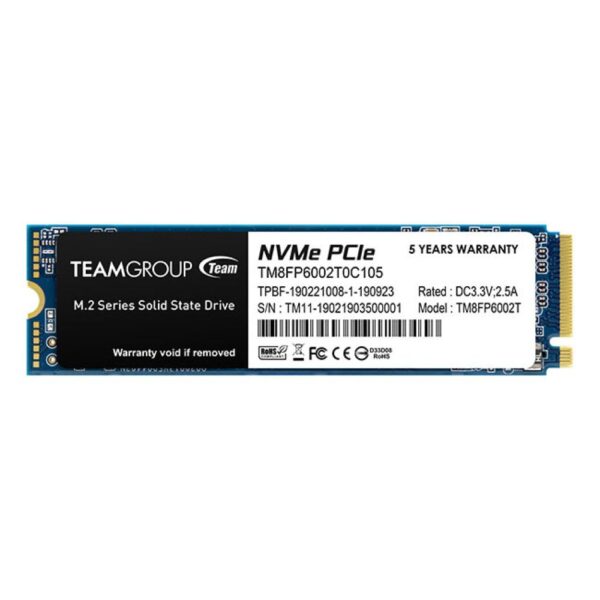
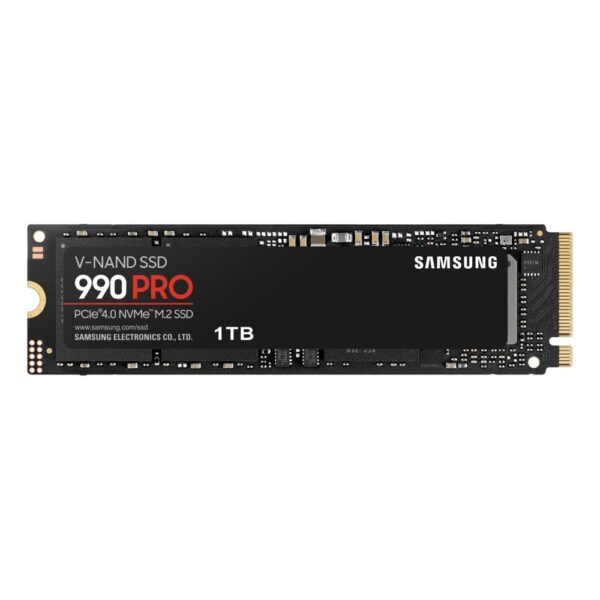
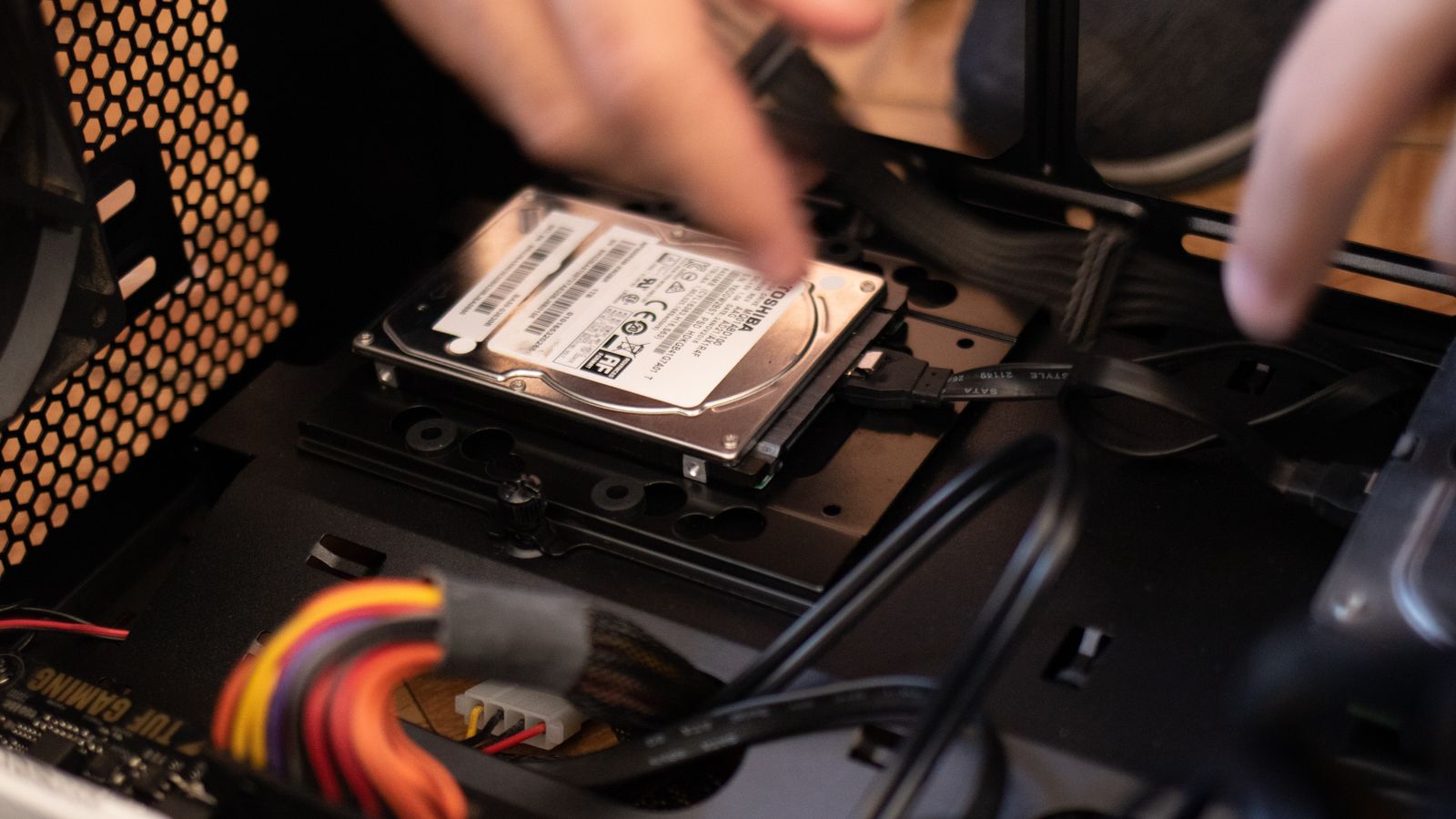
An NVMe SSD is no longer optional. It is the upgrade that makes the whole machine feel quick, from boot to game loads. A PCIe 4.0 NVMe drive is the value pick for 2026 and is plenty fast for almost everyone, while PCIe 5.0 drives cost more for gains you will rarely notice outside of large file transfers. A 1TB drive is a sensible starting size, and 2TB is worth it if you keep a large game library. Add a second drive later rather than filling the boot drive to the brim.
Kingston NVMe M.2 2280 SSD
In stock
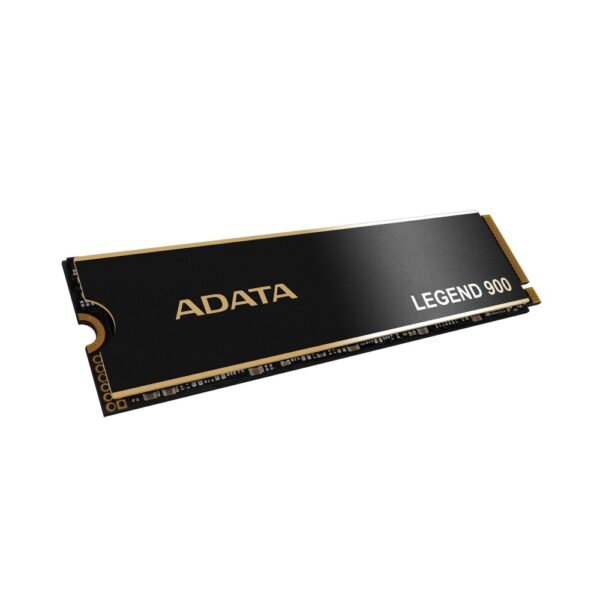
ADATA LEGEND 710 1 TB NVMe SSD
In stock
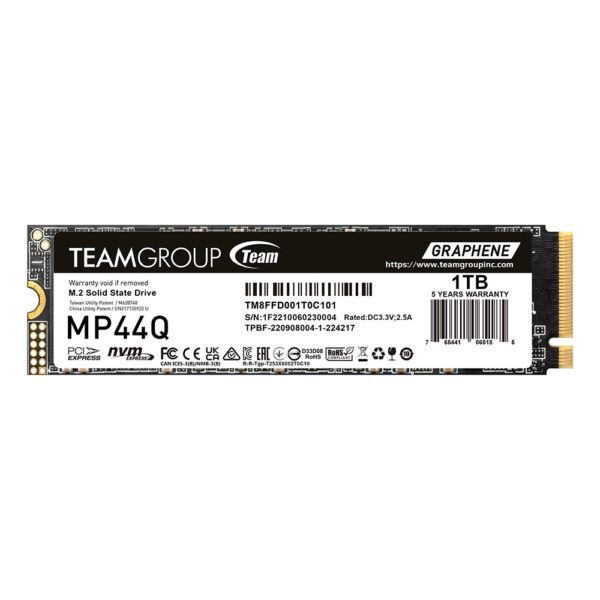
Team Group MP44Q 2 TB NVMe SSD
In stock
ADATA LEGEND 710 512GB M.2 NVMe PCIe 3.0 3D NAND
In stock
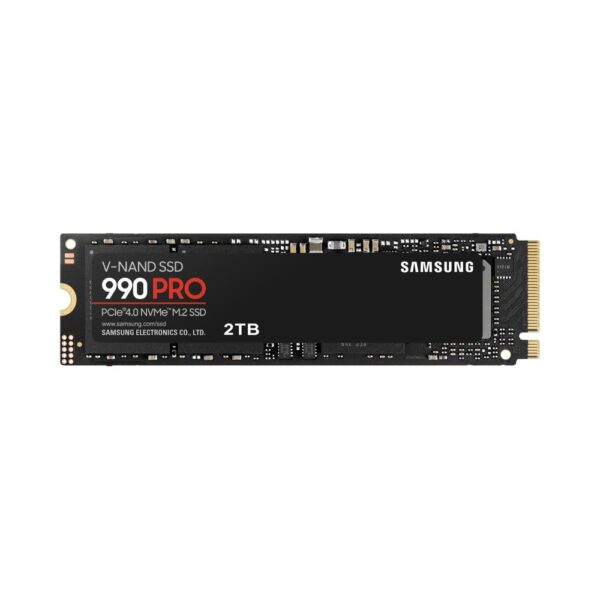
Samsung 990 PRO 4TB PCIe NVMe SSD
In stock
Dell 1TB NVMe SSD PCIe 3.0 M.2
In stock
ADATA ALEG-700-1TB M.2 NVMe PCIe 3.0 SSD
In stock
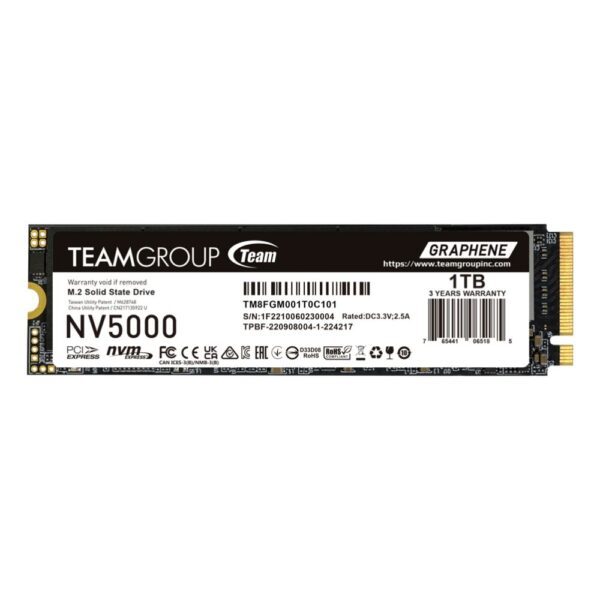
Team Group NV5000 1TB NVMe SSD
In stock
The power supply
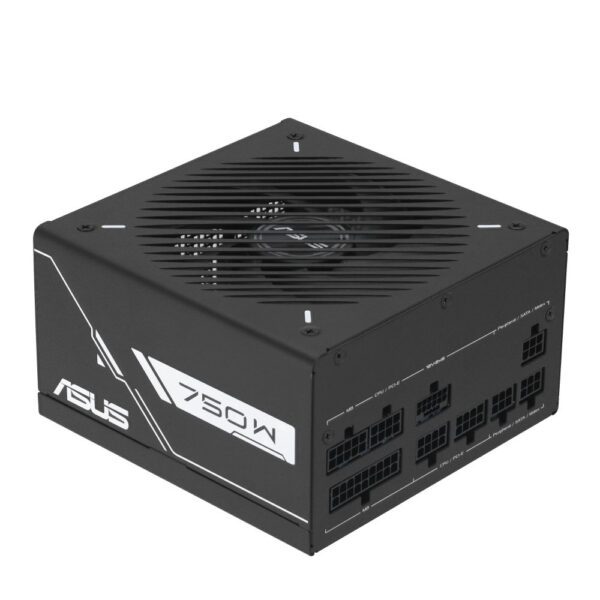
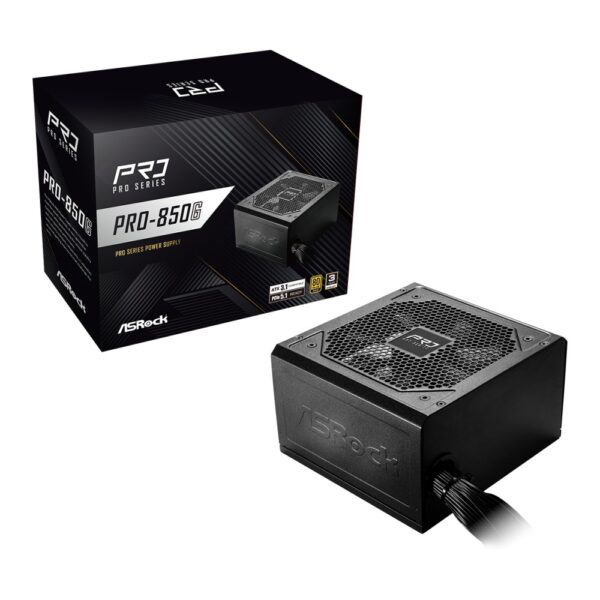
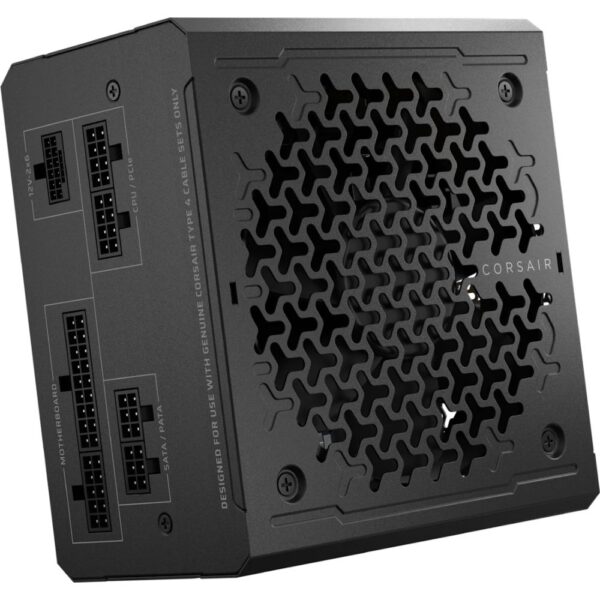
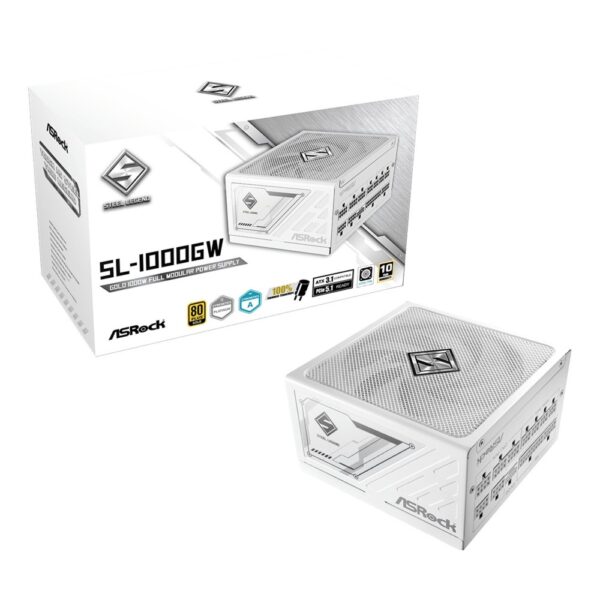
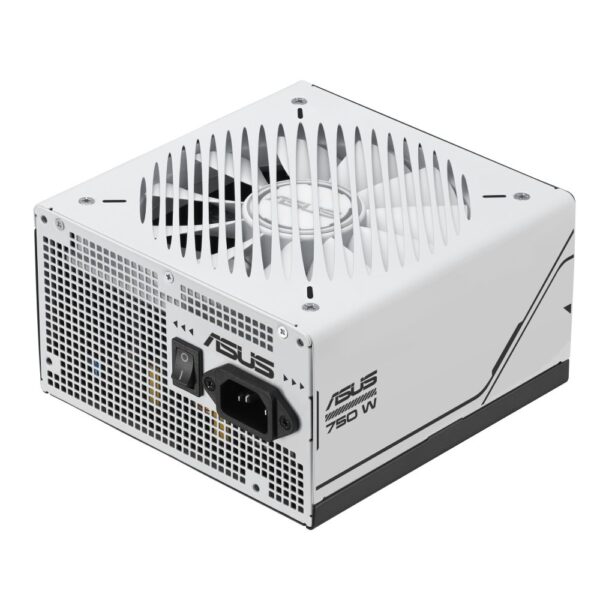
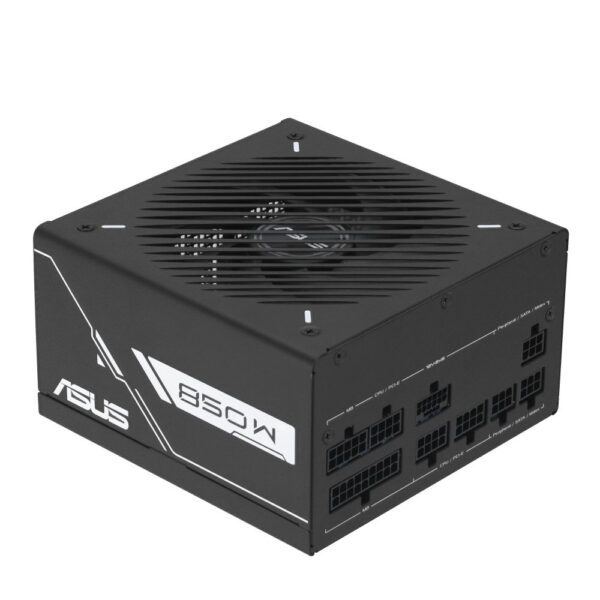
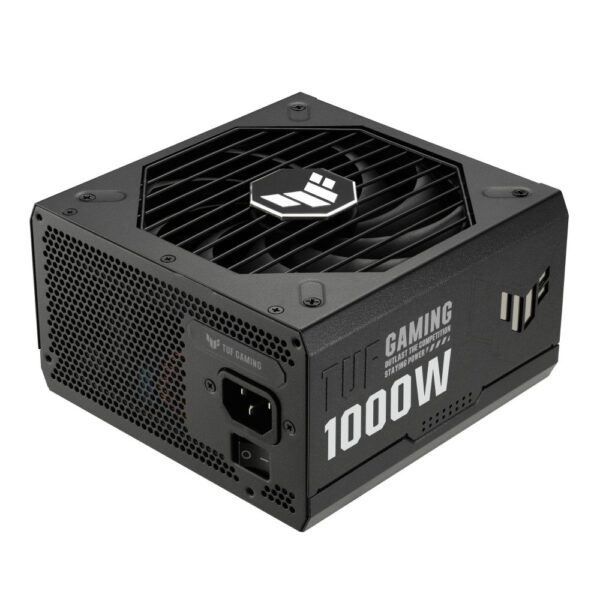
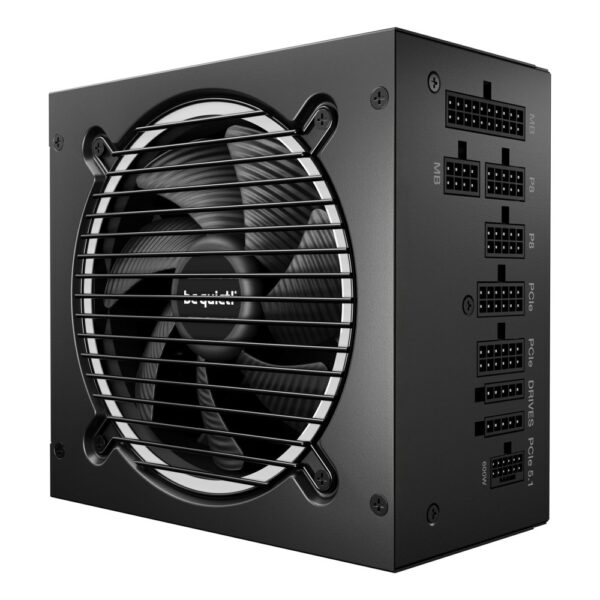
The power supply is not the place to save a few pounds. A quality unit protects every other part and runs quietly for years. Size it to your components with some headroom, usually 650W to 850W for a mainstream gaming build, and more if you run a high-end graphics card. Look for an 80 Plus Gold rating, a modern ATX 3.1 unit with a native 12V-2×6 connector for current GPUs, and full modular cables to keep the build tidy.
ASUS TUF Gaming 1000W Gold PSU
In stock
Cooler Master MWE Gold 1050 V2 ATX 3.1 1050W PSU Black
In stock
Asrock PG-850G 850W ATX PSU 80 Plus Gold
In stock
ASUS TUF Gaming 1000W Gold PSU
In stock
Asrock Challenger CL-850G 850W ATX PSU Black
In stock
Asrock PRO-750G 750W ATX PSU Black
In stock
Cooling
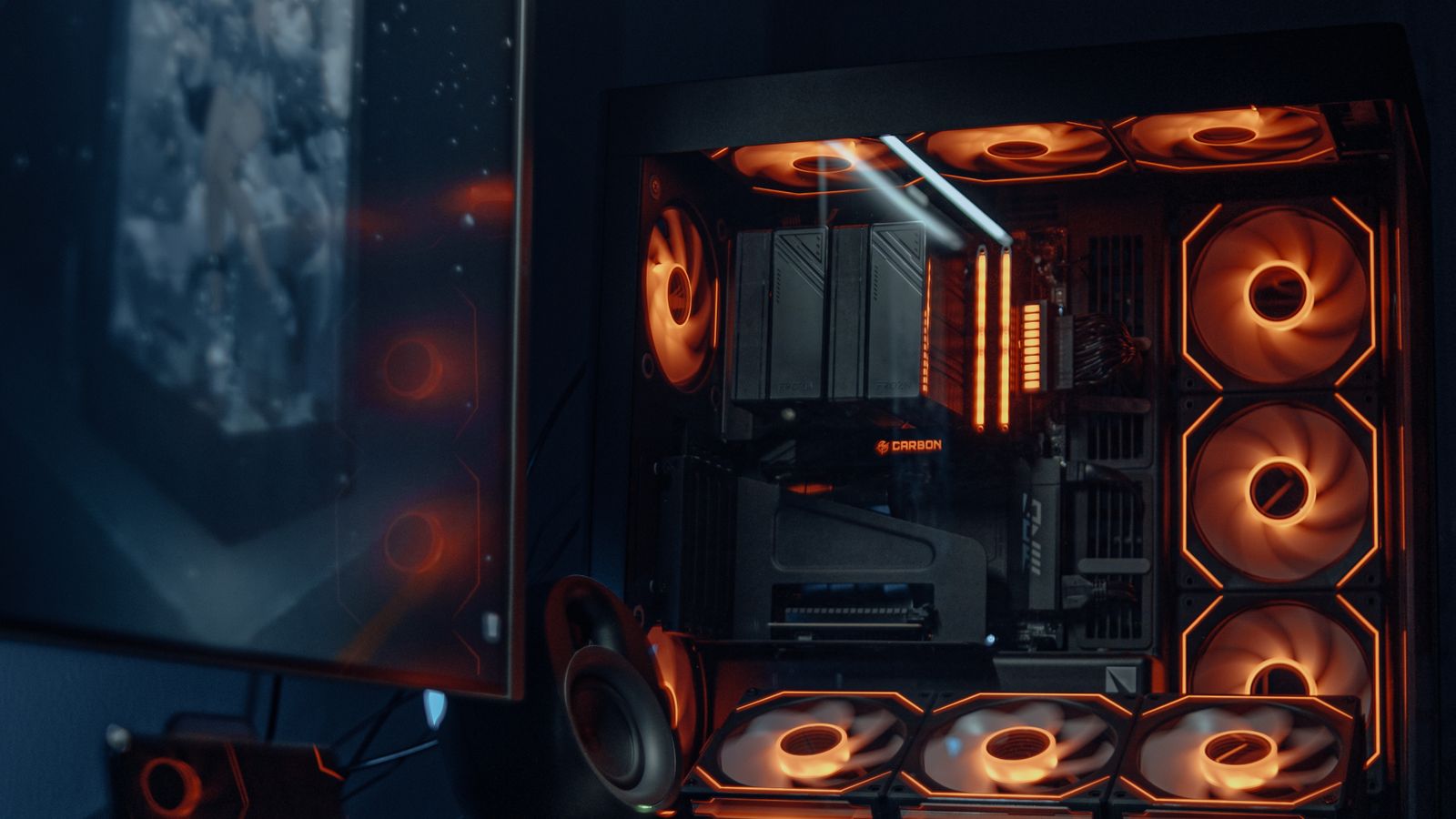
Your cooler needs to match the heat your processor puts out, not just fit the socket. A good air cooler handles most mainstream chips quietly and cheaply, while a 240mm or 360mm all-in-one liquid cooler suits higher-power processors and small cases where a tall air cooler will not fit. Check the cooler’s height against your case and make sure it clears tall memory. Often a set of case fans arranged for steady airflow matters more than an exotic cooler.
Browse air coolers or AIO liquid coolers.
The case
The case ties the build together and quietly affects temperatures and noise. Start with the form factor your motherboard needs, then check the boring but vital clearances: graphics card length, cooler height, and power supply size. A mid-tower with good airflow and a mesh front suits most builds, while a Mini-ITX case makes a neat small machine but asks for more careful part choices. Tool-free panels and decent cable routing make the build and any future upgrade far less painful.
The monitor
The monitor is half of how your PC feels, yet it is the part people leave to last. Match it to your graphics card: a 1440p high-refresh panel is the current smart middle ground for gaming, while 4K asks a lot more from the GPU. The panel type matters as much as the numbers, with OLED offering the best contrast and motion clarity and fast IPS giving a brighter, lower-cost all-rounder. We compare both in detail.
Make sure it all fits together
Most build problems are compatibility problems, and they are easy to avoid with a quick checklist before you buy. Run through these and you will rarely be caught out:
- Socket and chipset: the processor and motherboard must share a socket, and the chipset should support the chip and the features you want.
- Memory type: match DDR5 or DDR4 to the board, and check the supported speeds on the board’s memory list.
- Power: add up your parts and give the power supply some headroom, with the right connectors for your graphics card.
- Clearances: graphics card length, cooler height, and radiator size all need to fit the case.
- Storage slots: confirm the board has enough M.2 and SATA connections for your drives.
- Form factor: the motherboard size must match the case.
Build by use case
1440p gaming: put the budget into a strong graphics card and a current six- or eight-core processor, with 32GB of DDR5 and a fast 1TB NVMe drive. This is the build most people should aim for.
4K and high refresh: step up to a top-tier graphics card with plenty of VRAM, a capable processor so it is not held back, and a higher-wattage 80 Plus Gold power supply.
Creator and workstation: favour core count, 32GB to 64GB of memory, and extra fast storage, with a graphics card chosen for the software you use.
Budget and everyday: a modern six-core chip with integrated or entry graphics, 16GB of memory, and a single NVMe drive covers office work, browsing, and light gaming without fuss.
Small form factor: a Mini-ITX board and case make a tidy machine, but plan cooling and clearances carefully and pick an SFX power supply.
Pro tip: buy the platform with a little headroom. A motherboard with a spare M.2 slot, a power supply with 100W to 150W of spare capacity, and a case with room for a larger cooler all turn your next upgrade into a five-minute job instead of a full rebuild.
Frequently asked questions
Decide what the PC is for, then pick the part that matters most for that job. For gaming that is usually the graphics card, which then guides your processor, power supply, and monitor. For creative work, start with the processor and memory.
As a rough split for a gaming build, the graphics card takes the largest share, followed by the processor, then the motherboard, memory, storage, power supply, cooling, and case. Shift more towards the processor, memory, and storage for a creator or workstation build.
Yes. The processor and motherboard must use the same socket, and the chipset needs to support the chip. Always check the board's support list, since a BIOS update is sometimes needed for the newest processors.
32GB of DDR5 is the comfortable choice for gaming and general use. 16GB is the minimum, and 64GB only pays off for heavy creative work, large projects, or virtual machines.
Add up your components and leave some headroom. A mainstream gaming build is usually happy with 650W to 850W, while a high-end graphics card may want more. Choose an 80 Plus Gold, ATX 3.1 unit with the right GPU connector.
Some processors include a cooler, many higher-power ones do not. Check the box, and budget for a good air or liquid cooler if there is none or if you want lower temperatures and noise.
Why you can trust this guide: Hardvance sells and supports the full range of PC parts every day, and standing behind them with returns and warranty service teaches us which components are genuinely reliable and good value. We are a retailer rather than a benchmarking lab, so we combine that day-to-day familiarity with manufacturer specs and independent reviews. We keep this guide current as hardware and prices change.
Related buying guides
- Best Gaming CPU in 2026: Why Ryzen X3D Still Wins
- Best Graphics Card in 2026: How Much VRAM (and GPU) You Actually Need
- Best Motherboard in 2026: How to Choose the Right Board for Your CPU
- Best RAM for Ryzen X3D in 2026: Is DDR5-6000 CL30 Really the Sweet Spot?
- Best Power Supply in 2026: How to Choose the Right PSU for Your PC
- QHD vs 4K Gaming Monitors in 2026
- Why You Should Own an OLED Monitor in 2026
- Best SSD for Gaming in 2026: Is PCIe 5.0 Worth It?
- Best PC Case in 2026: Airflow vs Looks
- RAM and SSD Prices in 2026: Should You Buy Now or Wait?
- Which MacBook Should You Buy in 2026? Air, Pro and the New MacBook Neo
- How to Fix a Slow Computer in 2026: The Real Causes and Fixes
- How to Get Strong WiFi in Every Room (2026): Mesh vs Powerline vs Access Points
- Why Your PC Stutters While a Game Downloads (It's Your SSD)
- SSD Not Detected? The Complete 2026 Fix Guide
- Parts chosen? Here is how to put them together: our step-by-step PC build guide
- External SSD vs external hard drive explained
About Hardvance Team
The Hardvance Team is the editorial team at Hardvance, a UK computer and electronics retailer based in Mildenhall, Suffolk. We build and upgrade PCs and sell laptops, phones, networking gear, monitors and printers, and our guides cover the same ground. Every guide names its sources and explains how we checked the figures, and we say plainly when something is our opinion rather than a tested result.
View all posts by Hardvance Team