Landline Switch-Off 2027: Your Digital Landline on BT Digital Voice Works, Until the Power Goes

0
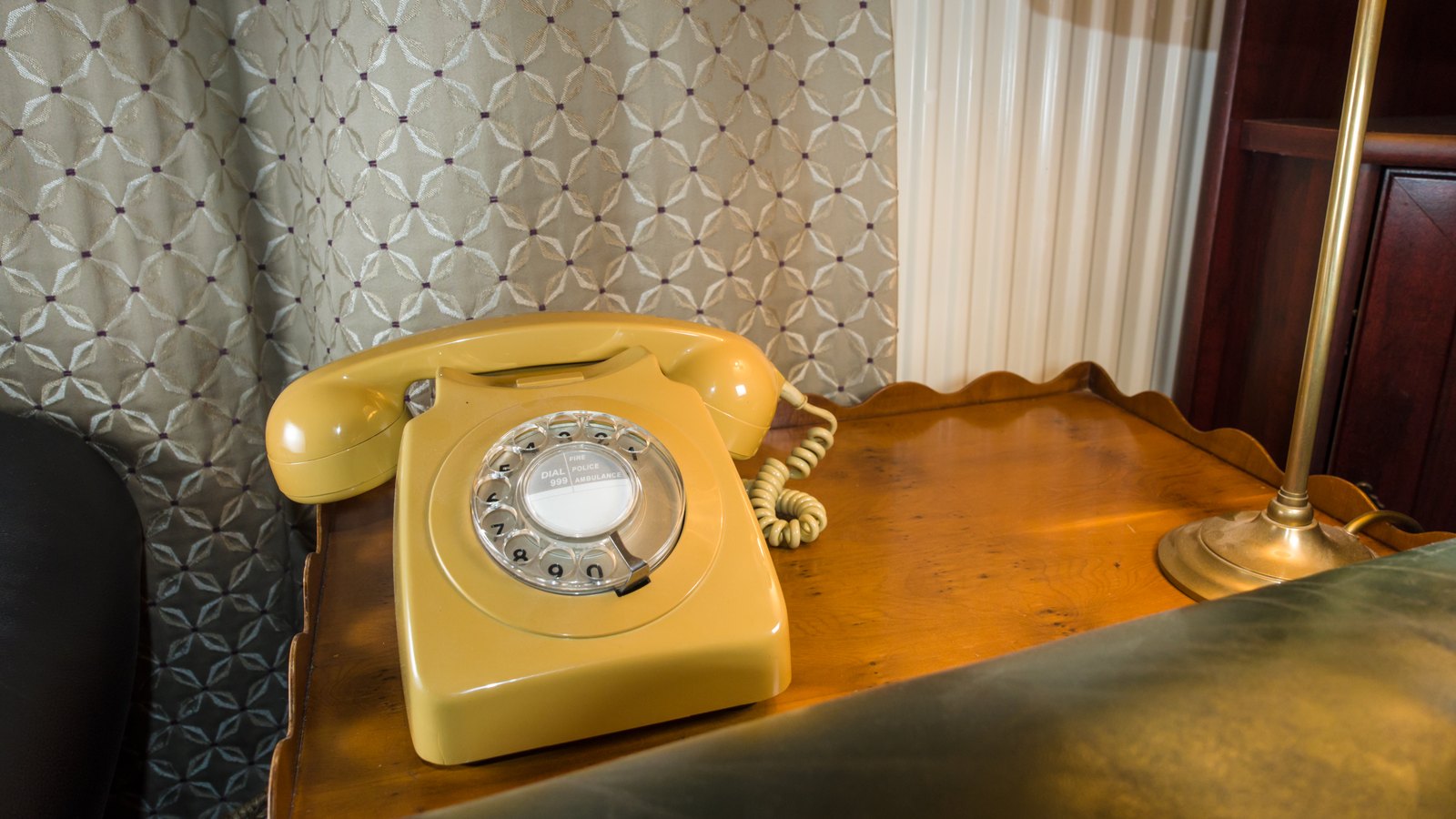
A mustard-yellow GPO 746 rotary-dial telephone with a coiled cord on a wooden side table, its dial card reading Dial 999 fire, police, ambulance

Top: a GPO 746 rotary-dial phone. Phones like this send pulses, not tones, so they can’t dial out through a BT Smart Hub on Digital Voice. Most push-button phones carry on as before. Photo: James Petts, CC BY-SA 2.0, cropped.

On 31 January 2027 the old copper landline network in the UK switches off, and every home phone moves to a digital service. For most homes the phone keeps working: it plugs into the broadband router instead of the wall socket. The catch is power. On a digital line through your router, the phone goes dead in a power cut or a broadband fault, 999 calls included, unless the router has battery back-up. Homes without broadband are different: BT’s landline-only service keeps working in a power cut if the phone does today.

Find your situation:

  • You have broadband and one phonePlug it into the router. Will it work?
  • You use extension socketsThey stop working. Three fixes
  • You rely on the landline in a power cutAsk for a battery back-up. Who gets one
  • Someone uses a care alarmTell your provider now. What to do
  • You don’t have broadbandSame socket, different service. How
  • A caller wants bank details for "the switch"Hang up. It’s a scam
  • It stopped working after the switchCheck these first. Fixes

Landline switch-off on 31 January 2027: what the PSTN switch-off means

The UK’s traditional phone network, the Public Switched Telephone Network or PSTN, is closing. It is the copper network that has carried analogue landline calls for decades. Openreach, which runs most of it, says all traditional phone lines go digital on 31 January 2027. In a letter to phone companies at the end of October, it said the date won’t be postponed.

The reason is age. The government says the network is failing for lack of spare parts and is increasingly hit by storms and heat-related faults. Repairs now rely on parts recycled from sections that have already closed.

You don’t have to wait for the date, and nothing happens to everyone at once. Your phone company moves you before then, and BT contacts its customers about four weeks before their move. Moving to Digital Voice is free: BT says it won’t change your contract length or raise your price because of the switch.

If a line still hasn’t moved by the deadline, Openreach says it may be put on a temporary emergency service called EVAc, for Emergency Voice and Access Continuity. It keeps basic calls working for a limited time and may not support the calling features you use today. So if you’ve had a letter about switching, act on it.

What is Digital Voice? The digital landline explained

A digital landline carries your calls over a broadband connection instead of the copper line, using the same internet technology as WhatsApp or FaceTime calls. Digital Voice is BT’s name for it. Other companies use their own names, such as Sky Voice or TalkTalk Voice, but the idea is the same.

For most people, the only visible change is where the phone plugs in. The cable goes into the phone port on the back of the broadband router, not the socket on the wall. You keep your number in most cases, you still hear a dial tone, and you pay for calls much as before. BT’s version includes caller display, call waiting, a call blocker it calls Call Protect, and basic voicemail on 1571 at no extra cost.

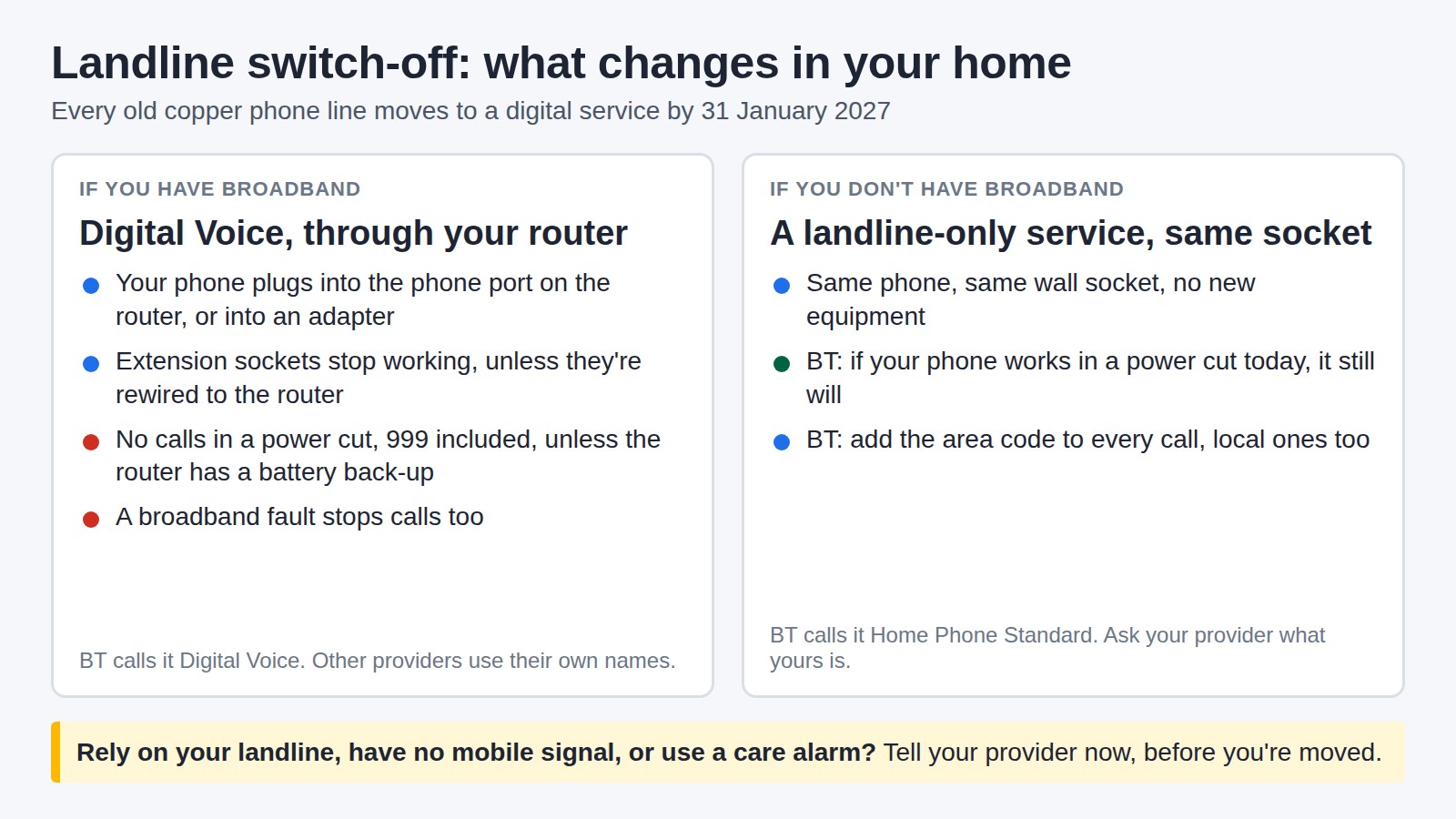
Diagram comparing two routes. With broadband: Digital Voice through the router, extension sockets stop working, no calls in a power cut without a battery back-up, and a broadband fault stops calls too. Without broadband: a landline-only service on the same socket that BT says works in a power cut if the phone does today, with the area code needed on every call.
The two routes. Which one you get depends on whether you have broadband.

Two things change for good. A digital phone line needs power in your home, and it needs your broadband to be working. The rest of this guide is about those two points, and about the things plugged into your phone line besides the phone.

When will my landline switch to digital? The postcode checker question

There’s no need to look up a date for your street. Every line has to move by 31 January, and BT says it is now moving all of its remaining customers. The company on your phone bill tells you when it’s your turn. The government’s advice is to look out for that message and not to confuse it with marketing.

The postcode checker on Openreach’s switch-off pages answers a different question. It shows whether Full Fibre broadband is available at your address, not when your landline switches. Openreach’s advice is not to wait for the deadline: call your provider now, so there is time to check anything else plugged into the line.

Will my existing phone work with BT Digital Voice?

Very likely. BT says any tone-dialling phone works with Digital Voice, plugged into the green phone port on its Smart Hub or into a Digital Voice adapter. BT told Which? that 99% of current phones work with it. Cordless DECT phones, the kind with a charging base and handsets, usually carry on working once the base is plugged into the router.

The exceptions are the oldest phones. A rotary-dial phone like the one at the top of this page dials with pulses, and BT’s hub only takes tone dialling, so it can’t make calls. Some very old phones that use a separate bell wire also need a different adapter, which BT supplies.

Do you get a free phone with BT Digital Voice? Not as standard. You get a free adapter if you need one. If your old phone won’t work, BT can sell you one of its digital home phones at a discount. You don’t need a new phone just because of the switch, so ask your provider what you need before you buy anything.

Digital Voice adapter: when you need one, and how to get it free

If your phone lives in another room, you don’t have to move it next to the router. A Digital Voice adapter does the job of the old wall socket. BT’s adapter plugs into any mains socket and has a phone socket on top for your existing cord. To pair it with the Smart Hub, you press the WPS button on the hub, then on the adapter. BT’s help page says you can order one free online, or by texting ADAPTER to 61998.

TalkTalk’s adapter works differently. It connects to the TalkTalk router with an Ethernet cable, needs its own power supply, and takes one phone or one cordless base. Virgin Media sends its customers an adaptor before their switchover date.

Digital Voice and extension sockets: why the other phones go quiet

This is the change that catches most homes out. Extension sockets aren’t supported on Digital Voice, BT says. The wiring that runs from your master socket to the other rooms isn’t connected to the router, so phones plugged into those sockets go dead after the switch.

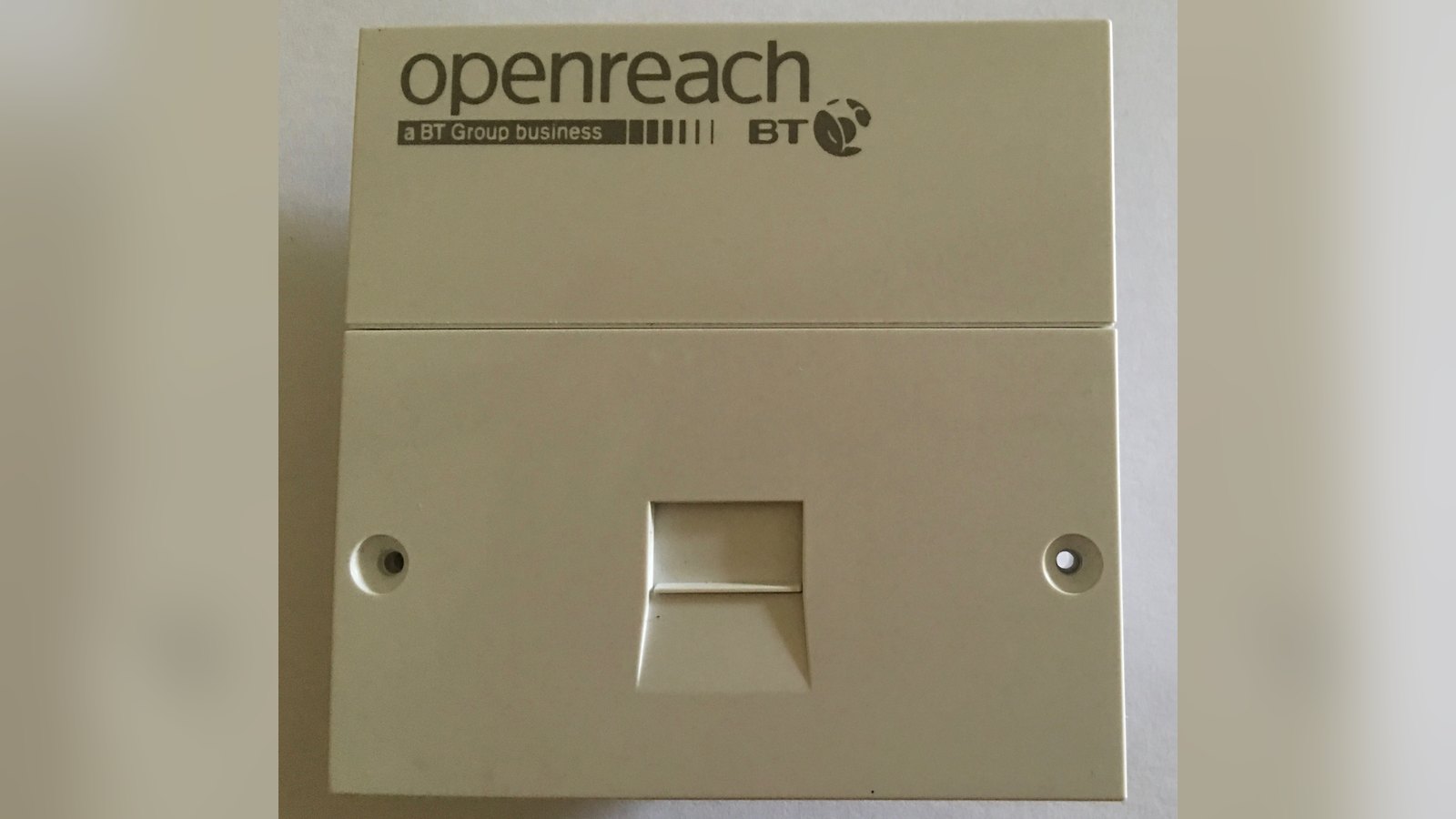
A cream Openreach NTE5A master socket with the Openreach and BT logos on the top half and a single phone socket on the removable lower faceplate
An Openreach master socket. On Digital Voice, the phone moves from here to the router, and the extension wiring behind it stops carrying calls. Photo: Landlineman, CC BY 4.0, background extended.

One BT customer described a common layout on BT’s community forum in 2024. The router was in the hall, with two wired extensions and a four-handset cordless set whose base sat on one of them. The question was how to keep it without going back to one phone in the hall. You have three ways to do it:

  1. Put the cordless base next to the router. Plug the base into the router’s phone port. The extra handsets only need a mains socket for their chargers, so they still work anywhere in the house. This is the simplest fix.
  2. Use an adapter in each room that needs a wired phone. Each adapter plugs into a mains socket and pairs with the router, as described above.
  3. Rewire the extensions to the router. It can be done, but the house wiring has to be disconnected from the master socket first. Bob’s Telephone File, a long-running guide to British phone wiring, warns never to run a cord from the front of the master socket into the router’s phone port. You are responsible for the wiring inside your home, so if you’re not confident, ask BT about your options on 0330 123 4150 or use an engineer.

On BT’s landline-only service for homes without broadband, extension sockets keep working as normal. See no broadband.

Digital Voice in a power cut: what still works on a digital phone line

Here is the catch in the reassurance. The old copper line was powered from the telephone exchange, so a corded phone kept working when the lights went out. A digital line through your router can’t. BT’s help pages say that if there’s a power cut or your broadband fails, you can’t make calls on Digital Voice, including calls to 999. A cordless phone goes dead too, because its base needs mains power.

In a power cutCan you call?Why
Corded phone in the router (Digital Voice)NoThe router needs mains power
Cordless phone (any line)NoThe base station needs mains power
Router on a battery back-upYes, while the battery lastsBT’s back-up runs the router for at least an hour
Mobile phoneYes, if there is signalA 999 call uses any network that is available
Corded phone on BT’s landline-only serviceYes, if it works todayBT says the upgrade doesn’t change that

“Router” includes the Openreach box on the wall if you have Full Fibre. Both need power.

If you rely on your landline, you can get a battery back-up free. Ofcom requires phone companies to identify customers who rely on their landline and give them a free back-up option. That includes people with no mobile phone, no mobile signal at home or a care alarm. BT’s battery back-up powers the Smart Hub and the Openreach modem for at least an hour. BT recommends one if you use a health alarm or don’t have a mobile. BT also has an emergency hybrid home phone with its own battery and SIM card, which switches to the mobile network in a power cut or broadband fault. BT quotes up to 8 hours on standby and an hour of talk time. Ask your provider which one suits you. Virgin Media says it gives a free emergency back-up line to people who rely on a landline or don’t have a mobile. It lets them reach the emergency services, friends or family.

If you don’t qualify, you can keep the router running yourself. A UPS, or uninterruptible power supply, is a battery box that sits between the wall socket and your equipment and takes over the moment the power drops. A regular on BT’s community forum gave that advice to a rural customer with no mobile signal who didn’t qualify for BT’s battery. Plug the router into one of its battery-backed sockets. Add the Openreach box if you have Full Fibre (see what the ONT box does). If you want the cordless handsets to work, add the phone’s base too. Or keep a cheap corded phone in a drawer and plug it into the router when the power goes.

For a router, a small UPS with UK three-pin sockets is the easiest, because the plugs go straight in. The APC Back-UPS BE650G2-UK is one: 650VA and 400W, with eight UK sockets and a battery you can replace yourself. A router and an Openreach box draw far less power than the computers these units are sized for, so they run much longer than the full-load rating. More options are under UPS battery backup.

APC Back-UPS BE650G2 UPS 650VA 400W 8 Outlets 6 Backup Surge Protection USB Port User Replaceable Battery 230V UK

  • 400 W continuous output power for demanding devices like PCs and televisions
  • 8 total outlets provide 6 backed up with surge protection and 2 surge only
  • 310 J surge energy rating defends against electrical spikes and power surges

A UPS only keeps your end alive. In a long or widespread power cut, the network beyond your home can fail too, and Which? points out that mobile networks may also be affected. Keep your mobile charged, and agree a back-up plan with family or neighbours if someone in your home is vulnerable.

Telecare, personal alarms and burglar alarms on a digital landline

About 1.8 million people in the UK use telecare devices. These are the personal alarms and fall detectors that call for help over the phone line. These need the most care in the switch, and the rules now protect them. Under a charter agreed with the government, the network operators won’t move a known telecare user to a digital line until a working, compatible telecare service is confirmed. The confirmation can come from the customer, their phone company or the telecare provider. Ofcom fined Virgin Media after an investigation found it had disconnected customers with telecare devices early in its migration.

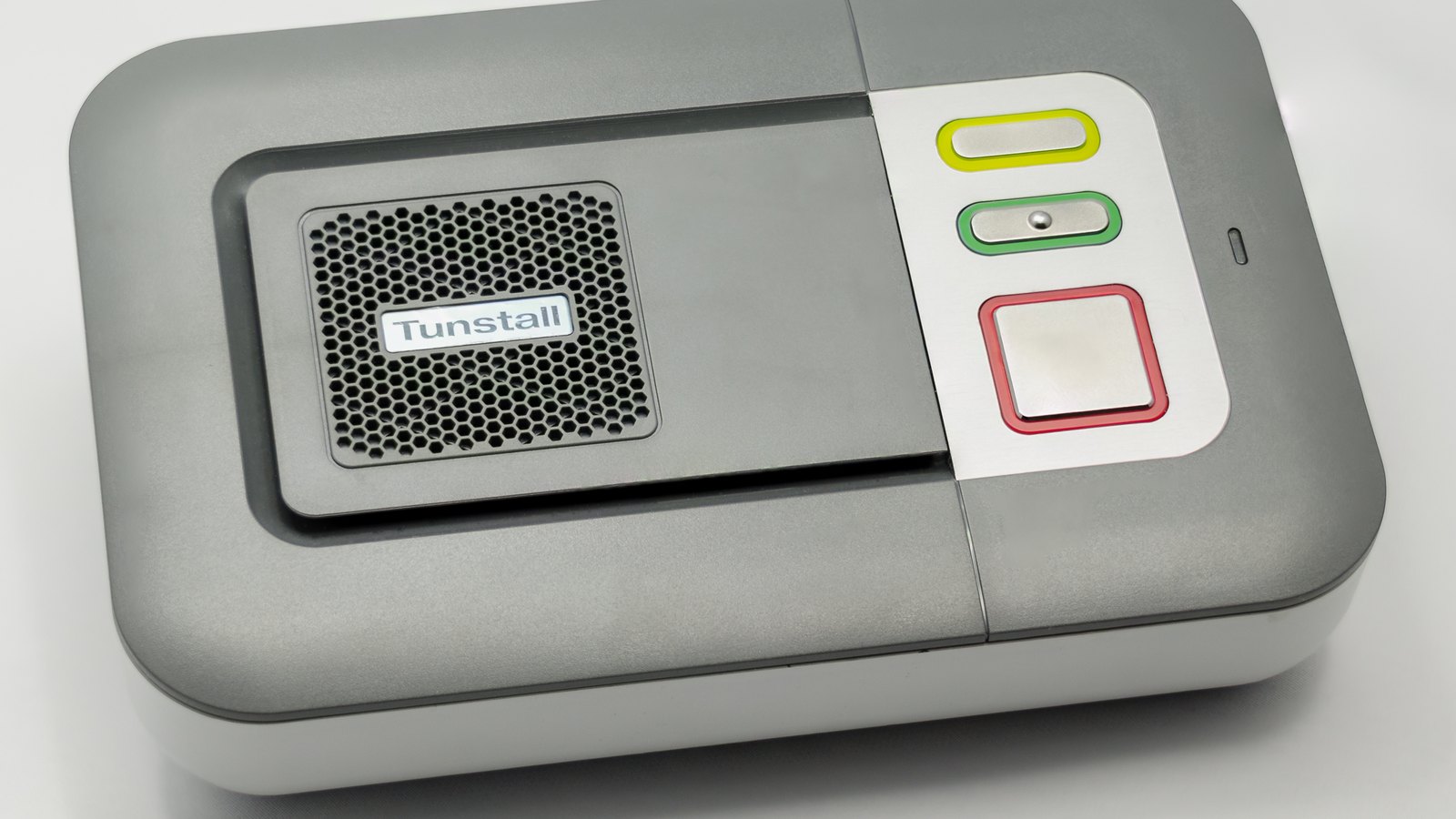
A grey Tunstall Lifeline VI home alarm unit with a speaker grille and yellow, green and red buttons
A home alarm unit of the kind many councils supply. Tell your phone company and the alarm provider before the switch. Photo: Florian Fuchs, CC BY 3.0, cropped.

What to do:

  1. Tell your phone company that someone in your home uses a care alarm, before you’re moved. They will hold the move until the alarm is confirmed to work, and many offer a free engineer visit and battery back-up.
  2. Contact the alarm provider, usually the council or a private company, and ask whether your unit works on a digital line. Some do. Others need replacing, and newer ones often have their own battery or a SIM card.
  3. Make a test call after the switch. BT asks customers to call their telecare provider once the new service is active. If the alarm doesn’t work on Digital Voice, plug its base unit into the phone port on the router for now. Then press the red button to reach the provider and explain.

Burglar alarms vary. Some work through the router and an adapter, some need an upgrade. BT keeps a list of alarm companies that have tested their equipment with Digital Voice, including Chubb and Yale. Ask your alarm company, and don’t let anyone rush you into an expensive replacement: Which? says you should be given time to weigh up the options.

No broadband? How the landline switch-off works for landline-only homes

You won’t be forced to pay for broadband you don’t want. The government says some providers offer customers without broadband an interim, dedicated landline service. It lets them keep using the landline as they do today, until a digital solution is available or until 2030, whichever comes first.

BT calls its version Home Phone Standard, and lists these points:

  • It costs nothing extra. Your call package and line rental stay the same, and you keep your number.
  • You don’t need new equipment, new phones or broadband.
  • An engineer does the work remotely on the day, in about an hour, and you get a voice message on your phone when it’s done. Keep a mobile handy that day, because the phone is disrupted while the work happens.
  • You must dial the area code for every call, local ones too, so update any numbers saved in your phone.
  • If your phone works in a power cut today, it still will. Extension sockets and telecare carry on as normal.

Virgin Media says its voice-only customers get the Hub they need at no additional cost. Once you’re switched, the old wall socket stops working, so the phone has to go into the Hub.

TalkTalk, Sky and Virgin Media: the landline switch-off by provider

The deadline is the same whoever you’re with, and the move is run by the company on your bill. The government lists BT, Sky, Virgin Media O2, Vodafone and KCOM as examples. They all contact their own customers, and the rules on telecare, power cuts and free switching apply to all of them.

  • BT and EE: Digital Voice through the Smart Hub. Phones plug into the green port, or into a free adapter elsewhere in the house.
  • Virgin Media: the phone plugs directly into the Hub. If you still have one of Virgin’s older hubs, it replaces it free, because those can’t carry calls. The phone still works if the Hub is in modem mode, but not if it’s switched off, and restarting the Hub ends any call in progress.
  • TalkTalk: the TalkTalk landline switch-off works through a Digital Voice adapter connected to the router by Ethernet. TalkTalk says not to plug your phone into the old master socket.
  • Sky and others: the phone usually moves from the wall socket to the provider’s router, as Openreach describes it. Your switchover letter says what to plug in where.

Landline switch-off scams: what your provider will never ask

Fraudsters use the switch as cover. The Local Government Association has warned about calls telling people their bank details are needed for the switchover or their service will be cut off. People with care alarms are a particular target. In November 2023, Flintshire Council warned that callers were telling owners of its Carelink alarms they had to pay for the “digital upgrade”. The council said it never calls to ask for money.

  • Switching is free. You should never be charged just to move to a digital line.
  • Be wary of calls out of the blue, especially with a tight deadline or a request for bank details. Hang up and call your provider on the number on your bill.
  • Report it. Text the word “call” and the caller’s number to 7726. Forward suspicious emails to [email protected]. Report fraud to Action Fraud on 0300 123 2040, or to the police on 101 in Scotland.

BT Digital Voice problems after the switch: quick fixes

  1. No dial tone at all. Check the phone is plugged into the phone port on the router or adapter, not the wall socket. The wall socket no longer carries calls on Digital Voice.
  2. It stopped after a power cut. Give the router a few minutes to reconnect. Virgin Media says it can take that long. Check the broadband works, then restart the router if it doesn’t, but not while someone is on a call.
  3. Phones in other rooms are dead. The extension wiring isn’t connected. See the three fixes.
  4. The phone won’t dial out. If it’s a rotary-dial phone, the hub can’t use it. Use a push-button phone.
  5. The care alarm has gone offline. Plug its base into the router’s phone port and contact the alarm provider straight away, as in the telecare section.
  6. Still dead? Call your provider from a mobile. BT’s number for Digital Voice help is 0330 1234 150.

Landline switch-off: your questions

Will my landline stop working in January 2027?

The old analogue service ends on 31 January 2027, but your phone service doesn’t: your provider moves it to a digital line, usually keeping your number. If a line hasn’t moved by then, Openreach says it may go onto a temporary emergency service for basic calls, so act on any letter about the switch.

Can BT force me to go digital?

The analogue network closes for everyone, so your landline moves to a digital service either way. You won’t be forced to take broadband: homes without it get a landline-only service. You can also drop the landline altogether and choose a broadband-only deal.

What are the disadvantages of Digital Voice?

It needs mains power and working broadband, so a power cut or broadband fault stops calls, 999 included, unless you have a battery back-up or a mobile. Extension sockets stop working, rotary-dial phones can’t dial out, and some older alarms need replacing.

Do I get a free phone with BT Digital Voice?

Not as standard. Most phones keep working, and BT supplies a free adapter if you need one. If your phone isn’t compatible, BT sells its digital home phones at a discount. If you rely on your landline and have no mobile, ask BT about its emergency hybrid phone.

Do I have to pay to switch to Digital Voice?

No. BT says there’s no charge, and it won’t change your contract length or raise your price because of the switch. Anyone who asks you to pay for the switch over the phone is likely to be a scammer.

Are landline phones being phased out?

No. The analogue network behind them is closing, but landline numbers and home phones carry on over digital lines, and you keep your number in most cases. Most phones keep working once they’re plugged into the router, and homes without broadband keep a landline-only service.

Why can't I get a dialling tone on my landline?

If you’ve been moved to a digital line, the phone has to be plugged into the phone port on the router or an adapter, not the wall socket. Check that the router is on and the broadband works. After a power cut, give the router a few minutes to reconnect. If there’s still no tone, call your provider from a mobile.

Will my landline work in a power cut?

On a digital line through your router, no, unless the router has a battery back-up. BT’s back-up keeps it running for at least an hour. On BT’s landline-only service for homes without broadband, a phone that works in a power cut today still will.

Sources

Leave a Reply

Your email address will not be published. Required fields are marked *