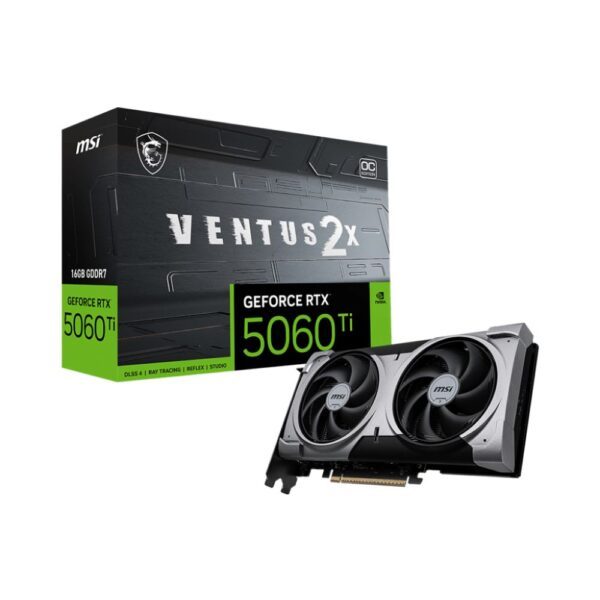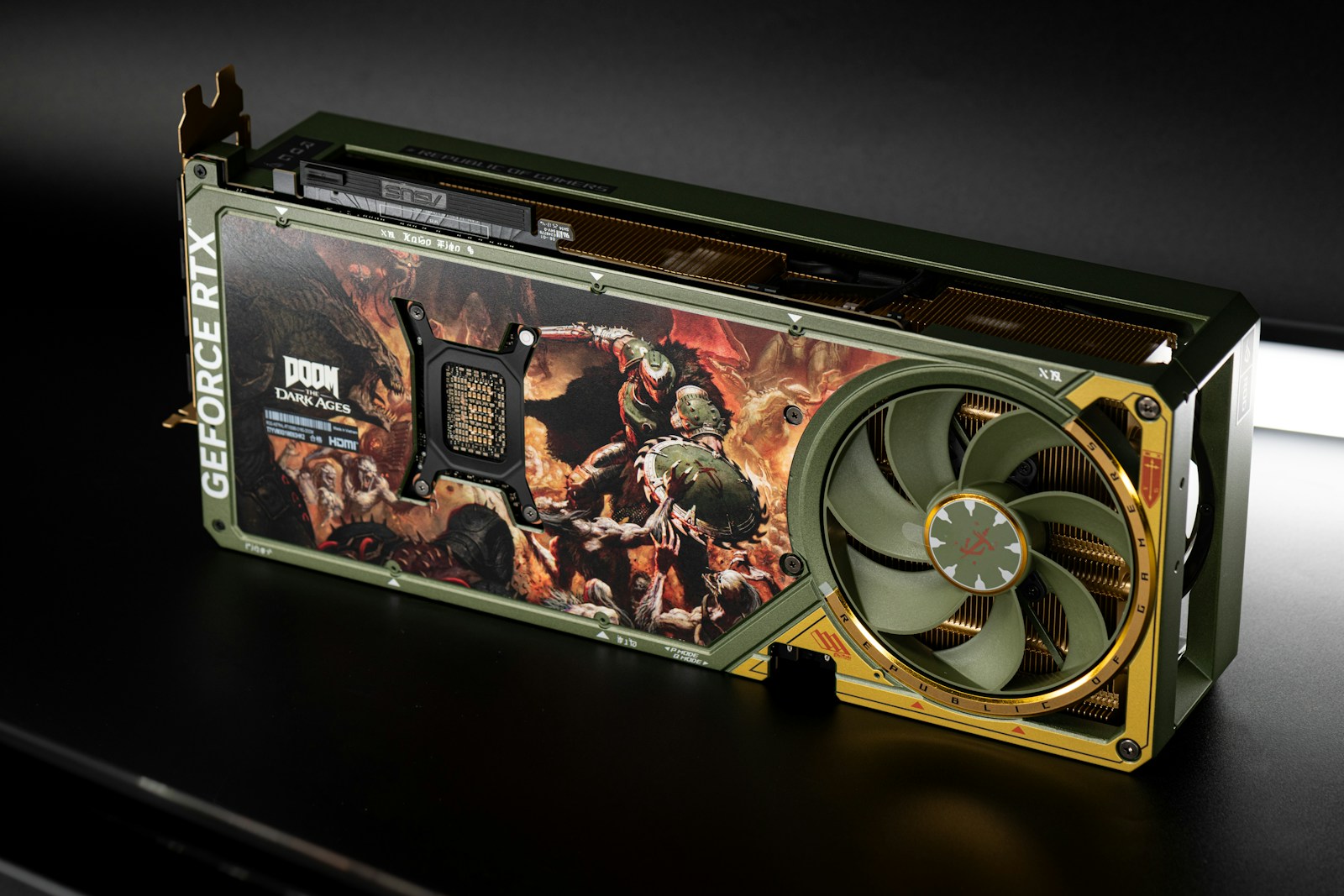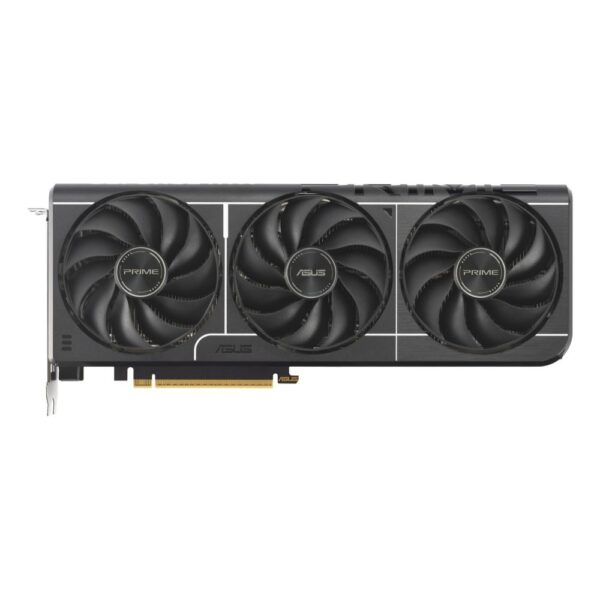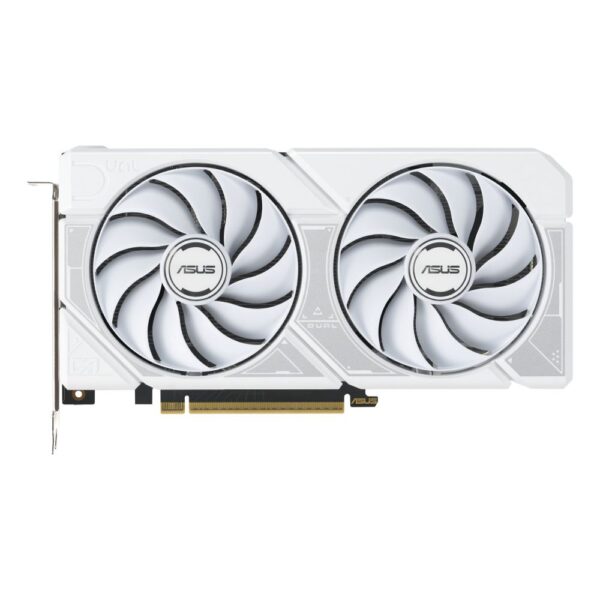
RTX 5060 vs RTX 5060 Ti: The Memory Matters More Than the Ti
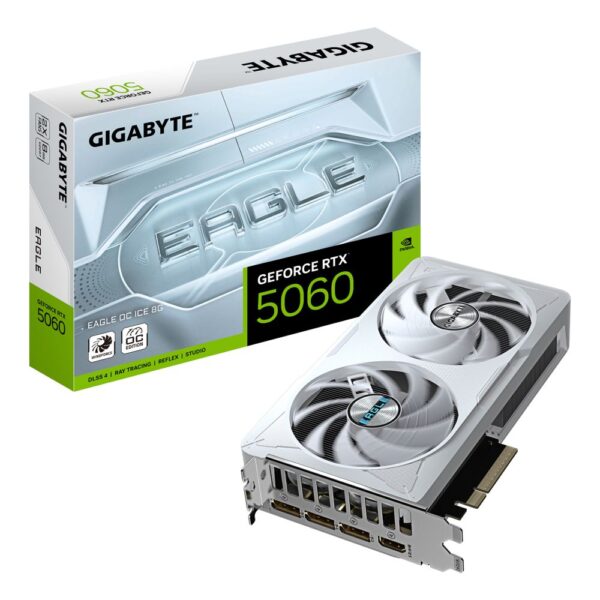
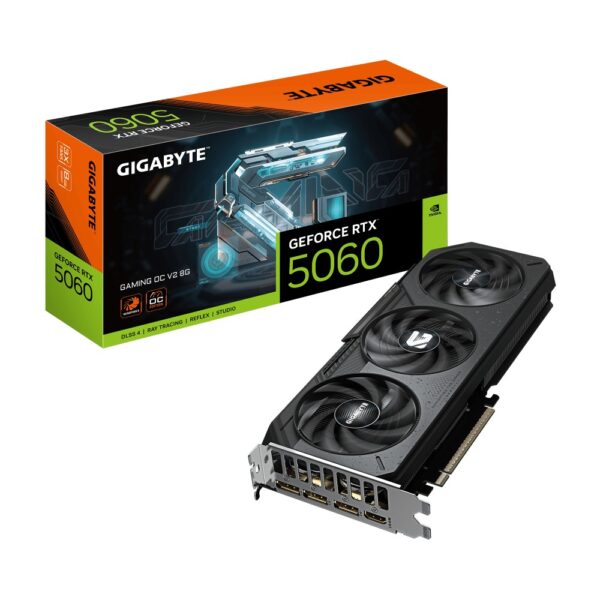
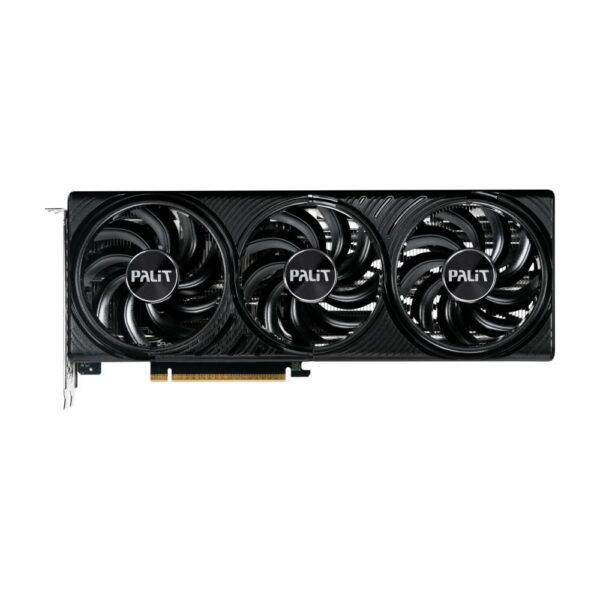
If you can stretch to it, buy the 16GB card and be done: the Palit RTX 5060 Ti White OC 16GB is £495.38 inc VAT in our store today. At 1080p the plain RTX 5060 at £303.84 inc VAT does the job and saves you £200. The card sitting between them, the 8GB 5060 Ti, is the one we talk more customers out of than into. The test numbers further down explain why.
Came here with one question? Short answers:
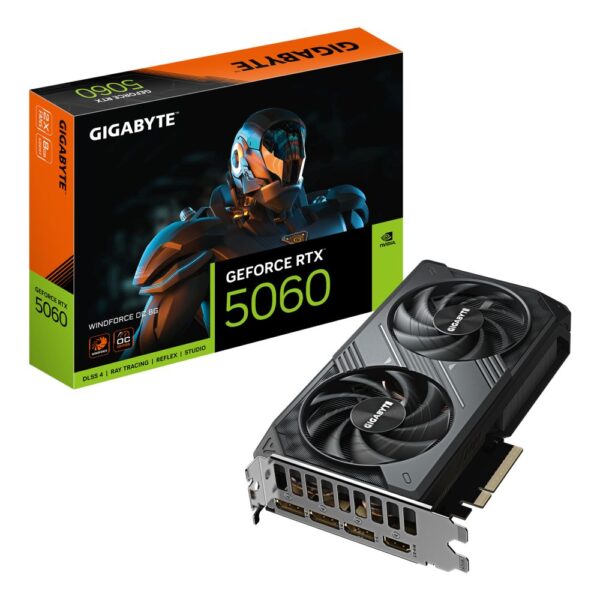
- 1080p gaming todayGigabyte RTX 5060 Windforce OC, £303.84 inc VAT. Our best selling graphics card, and for a reason
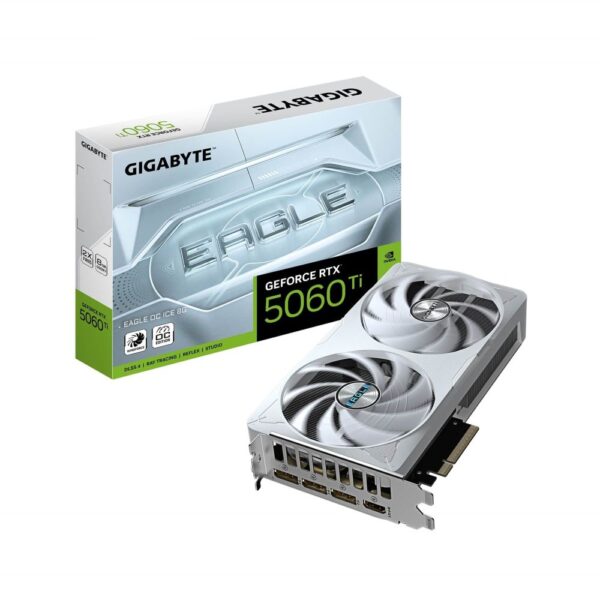
- 1440p, or keeping it yearsPalit 5060 Ti White OC 16GB, £495.38 inc VAT. The memory is the whole point, see the 8GB section
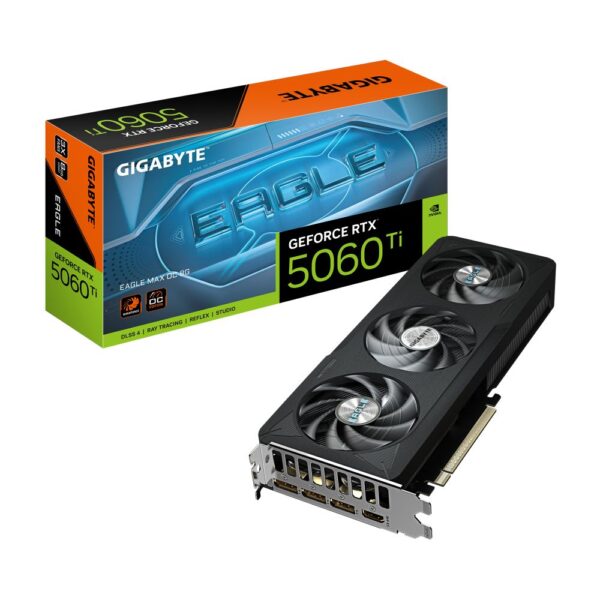
- The 8GB TiOnly if you play esports titles on a current PCIe 5.0 board. The catch is here
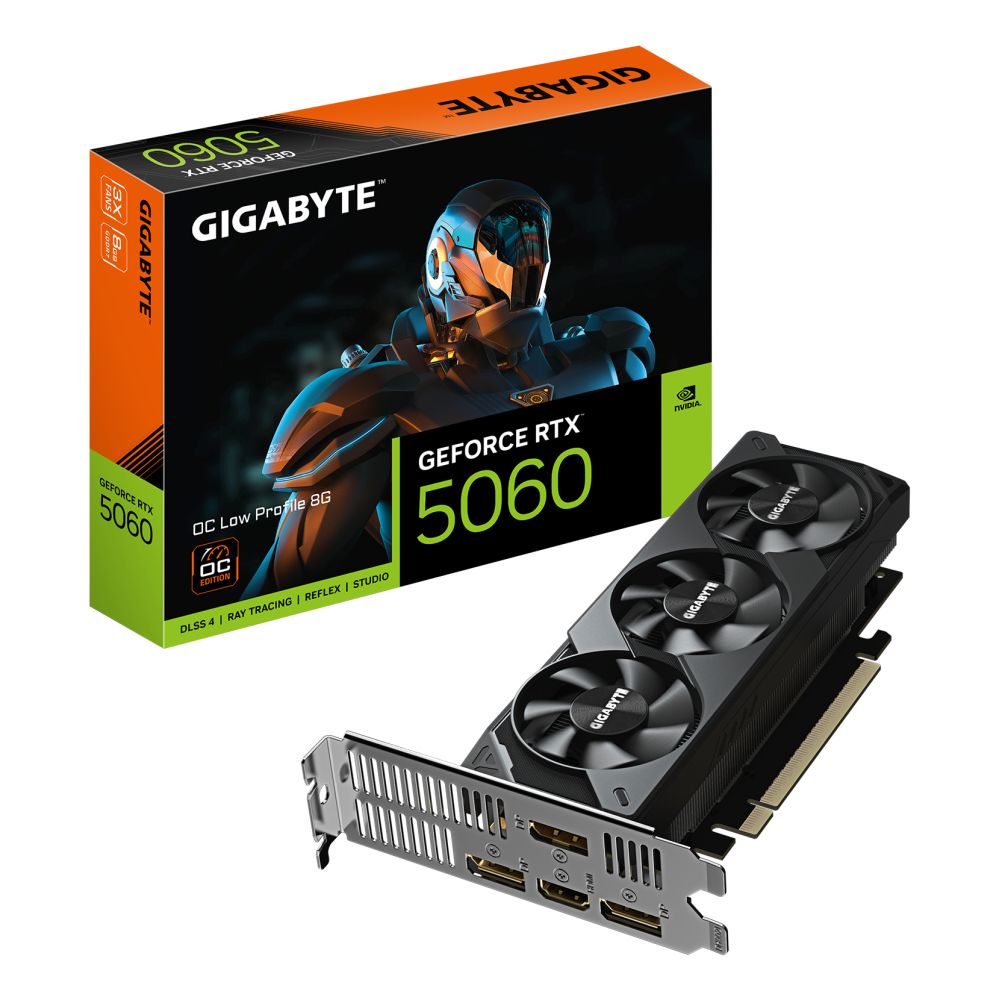
- A small or office caseThe half-height Gigabyte RTX 5060 Low Profile, £326.59 inc VAT. Details in the small-case section
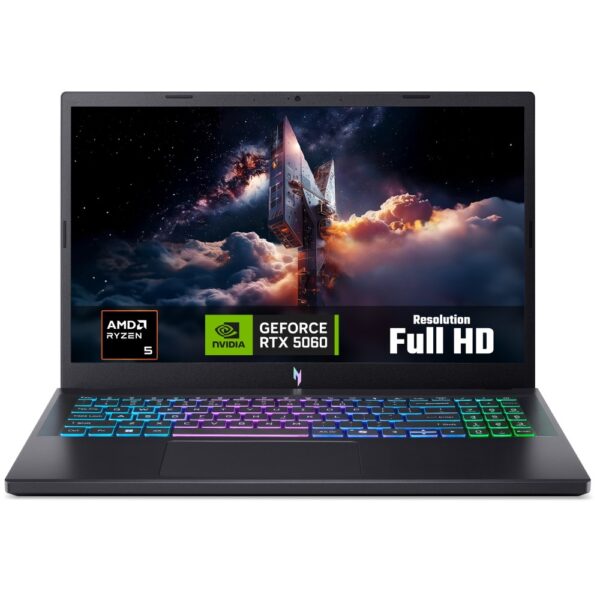
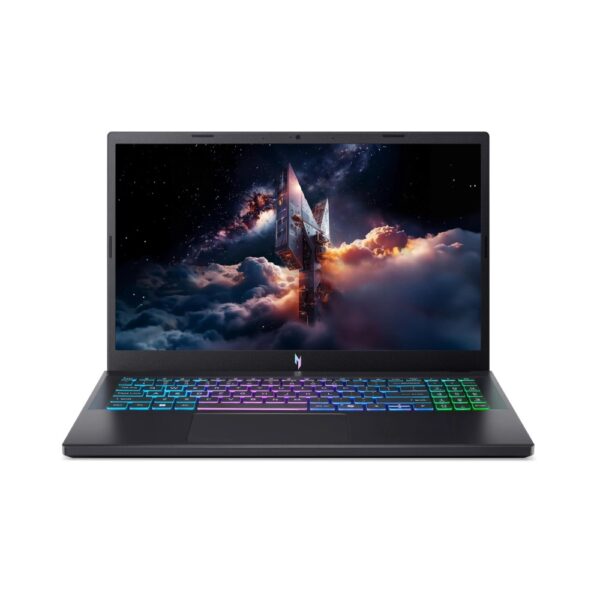
- A gaming laptopFrom £1,190 with the ASUS V16, but read the laptop section first: the laptop 5060 is a different chip
- The $80 Walmart thingOne shopper, one mispriced clearance sticker, one time. What actually happened
- Just the numbersFull spec table and comparisons against 4060, 3060, 2080 Ti and AMD
Keep scrolling for the lane trick Nvidia pulled on the connector, the test where the 16GB card was 130 percent faster than its 8GB twin, and the AMD card that undercuts both.
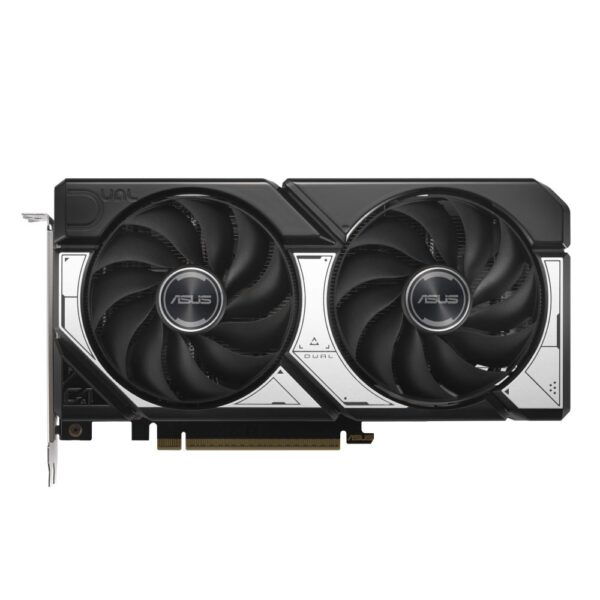
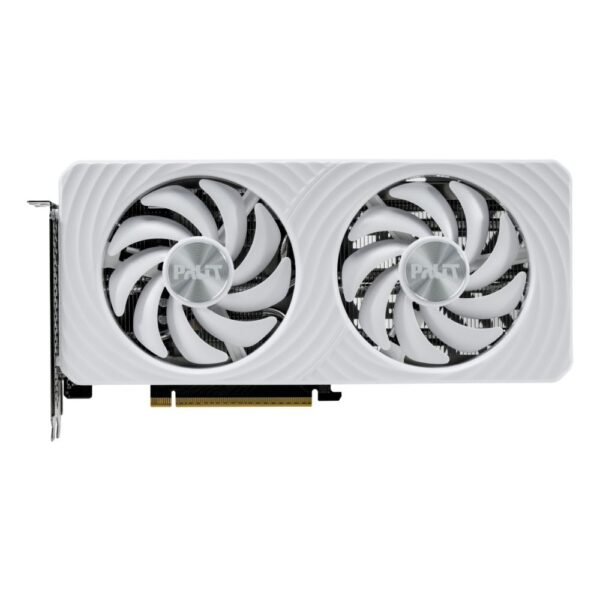
Palit GeForce RTX 5060 Ti White OC 16GB
In stock
£495.38 inc VAT- GeForce RTX 5060 Ti with 16GB GDDR7 memory
- 2407 MHz base, 2602 MHz boost clock speeds
- 4608 CUDA cores for parallel processing
- PCI Express 5.0 interface for maximum bandwidth
- White 2-slot design with dual 95mm fans
The whole family on one table
Nvidia sells three different products under these two names, and the naming does its best to hide that. The RTX 5060 Ti launched first, on 16 April 2025, in 8GB and 16GB versions. The plain RTX 5060 followed on 19 May 2025 with 8GB only. All three use the same GB206 chip and the same GDDR7 memory running at 448GB per second, which is a fancy way of saying the card can read its own memory very, very quickly.
| Spec | RTX 5060 | RTX 5060 Ti 8GB | RTX 5060 Ti 16GB |
|---|---|---|---|
| CUDA cores | 3,840 | 4,608 | 4,608 |
| Memory | 8GB GDDR7 | 8GB GDDR7 | 16GB GDDR7 |
| Memory bandwidth | 448GB/s, 128-bit | 448GB/s, 128-bit | 448GB/s, 128-bit |
| Board power (TGP) | 145W | 180W | 180W |
| Slot connection | PCIe 5.0 x8 | PCIe 5.0 x8 | PCIe 5.0 x8 |
| Launched | 19 May 2025 at $299 | 16 April 2025 at $379 | 16 April 2025 at $429 |
| In our store today | from £312 | from £355 | from £512 |
Two of those rows deserve a second look. Board power, or TGP, is simply how much electricity the card is allowed to pull: 145W is modest and 180W is still nothing that needs an exotic power supply. The slot connection row is the quiet one. Every card here wires up only 8 of the 16 data lanes in your motherboard slot. On a current board that never matters. On an older one it can, and the memory section shows exactly when.
These two are the cheapest routes into each name on our shelves right now:
What the Ti badge actually adds
4,608 working cores instead of 3,840. That single line is the entire difference between a 5060 and a 5060 Ti with the same memory. No extra bandwidth, no extra features, nothing else. In games it comes out at roughly 15 to 25 percent more frames at 1080p depending on the title.
People ask us most weeks whether that jump is worth it, usually while holding a basket with the £355 PNY 5060 Ti 8GB in it. Our answer has not changed since April 2025: if the extra money ends at the 8GB Ti, put it back and keep the £330.88 inc VAT 5060, because you are paying a Ti premium and keeping the exact bottleneck that will retire the card. The Ti earns its badge when the same silicon carries 16GB. Then you get the speed bump and the card stops having an expiry date at the same time.
A price note, since search results are full of American numbers: the $299, $379 and $429 launch prices never survived the boat trip to Britain. With VAT and 2026 street pricing, expect the gaps you see in our store: about £40 from 5060 to 8GB Ti, and about £150 more to the 16GB Ti.
8GB against 16GB, settled with numbers
VRAM is the memory soldered onto the card, where the game keeps its textures, its geometry and, these days, the working data for frame generation. When a game fits inside it, an 8GB card and a 16GB card of the same model run at identical speed. Nobody disputes that, including us, and we sell plenty of 8GB cards to people it genuinely suits.
The argument starts when the game does not fit. TechSpot ran the two 5060 Ti twins through the same scenes and found the polite version of a disaster: in VRAM-heavy titles the 16GB card averaged 130 percent more frames, and its worst moments, the stutters you actually feel, were over four times better. GamersNexus reviewed the 8GB 5060 and answered the should-you-buy question with a flat no. Those are not our numbers, and the sources are listed at the bottom, but they match what customers describe when they ring us: textures popping in late, frame times hitching, one game fine and the next a mess.
Here is the part most spec sheets skip. These cards connect through 8 lanes instead of 16, so when 8GB overflows, the overflow has to travel down a corridor that gets narrower the older your motherboard is:
Once the 8GB fills, spill-over data crawls through the slot instead. On a PCIe 3.0 board, the kind many people are upgrading from, that corridor is 28 times slower than the card’s own memory. In TechSpot’s PCIe 3.0 test the 8GB card fell to 27fps averages with 9fps lows while the 16GB card carried on.
Notice the trap in who this hurts. The person dropping a 5060 Ti into a fresh PCIe 5.0 build has the widest escape corridor and feels the 8GB limit least. The person reviving a 2019 machine, exactly the buyer an affordable card should serve, gets the narrowest one. If your motherboard is PCIe 3.0 and the budget only reaches an 8GB card, the plain 5060 is the honest buy, not the 8GB Ti.
One more VRAM eater worth knowing about: DLSS 4 frame generation, the headline trick of this generation, has the card invent extra frames between the real ones. It is genuinely impressive and it works on every card on this page. It also costs memory to run, so the feature that makes the card feel faster leans hardest on the resource the 8GB versions are short of. For Fortnite, CS2, Valorant or League at 1080p none of this will ever bite you, and the 8GB cards are fine. For everything else, this is what the 16GB shelf looks like:
Against AMD and the card you own now
Half the 5060 questions we get are really comparison questions in disguise, so here is the counter version of each one. Longer treatment of the whole market lives in our graphics card guide.
| You are comparing | Short version | The numbers that matter |
|---|---|---|
| RTX 5060 vs RTX 4060 | Newer wins, but not by enough to upgrade | 20 to 25 percent faster at 1080p, same 8GB. Buying new, take the 5060. Owning a 4060, sit tight |
| RTX 5060 vs RTX 3060 | A real upgrade | Roughly half as fast again, far better upscaling, and frame generation the 3060 never gets |
| RTX 5060 vs RTX 2080 Ti | 2018’s £1,000 flagship, matched for £312 | Near identical raw speed. The 5060 draws around 100W less and adds DLSS 4; the 2080 Ti keeps an 11GB consolation prize |
| RTX 5060 vs RTX 5050 | Spend the extra | The 5050 is roughly a quarter slower for the same 8GB. The 5060 is the floor we actually recommend |
| RTX 5060 Ti vs RTX 5070 | The 5070 is the next real tier | Around 25 percent faster again, though it carries 12GB, not 16 |
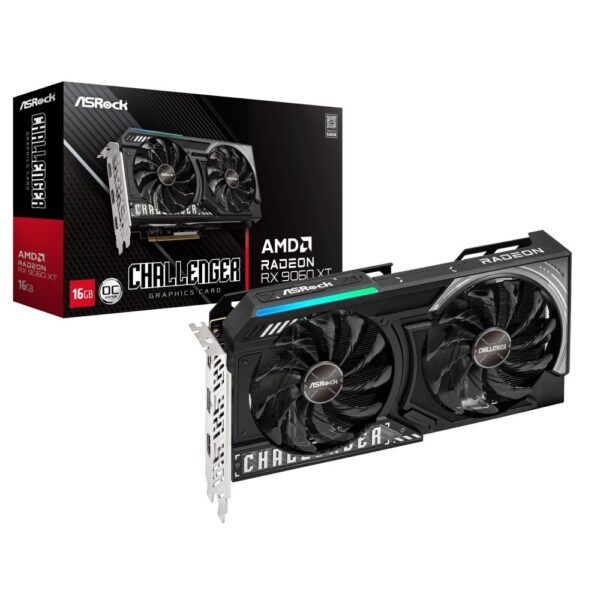
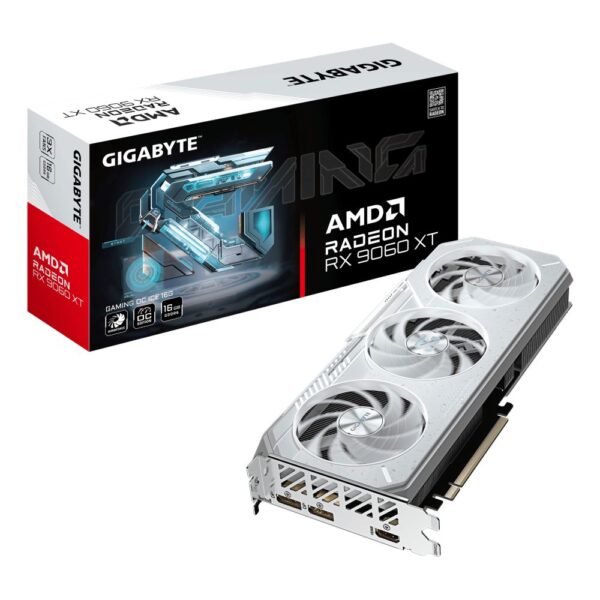
| 5060 Ti 16GB vs RX 9060 XT 16GB | Coin toss on speed | Within a few percent of each other across big test suites. AMD is cheaper, from £446 here; Nvidia counters with stronger ray tracing and DLSS 4 |
| 5060 Ti vs RX 6800 XT | The used-market rival | Similar raw speed and 16GB, but no DLSS, much higher power draw, and no new stock anywhere. A fair used buy, not a fair new one |
Credit where due: the Radeon RX 9060 XT 16GB is the best argument against the 16GB Ti, and we say that as a shop holding both. Skip ray tracing and the AMD card is simply better value. Care about ray tracing, or use apps that lean on Nvidia’s ecosystem, and the Ti justifies its premium. Intel’s Arc B580 also deserves an honest mention as the budget benchmark the press loves: 12GB for less money, and a genuinely good card. We do not stock it; the closest thing we sell is the plain 5060.
Coming from a GTX 1650, an RX 580 or anything of that vintage, stop comparing and pick by budget. Any card on this page is two to three times what you have, plus features your card has never heard of.
That $80 Walmart 5060 Ti
Twenty-two thousand people a month search for it, so let us kill the mystery. An American shopper found an RTX 5060 Ti in a Walmart clearance cabinet with an $80 sticker on it, took it to the till half expecting to be laughed at, and it scanned at exactly $80. Receipt, photos, Reddit thread, worldwide coverage. It was a store pricing mistake on one card, in one shop, one time. It was never a promotion, and there is no aisle in any Walmart, or any British shop, where 5060 Tis sit at $80.
We mention it because the story has a nasty little afterlife. Search interest like that breeds marketplace listings priced just believably above the myth, and those are scams or worse. Tom’s Hardware documented a buyer who paid for an RTX 5080 on Amazon and opened the box to find a relabelled 5060 Ti, most likely a return switcheroo that slipped through. A new 5060 Ti costs what it costs, around £355 to £650 depending on memory and cooler. Anything dramatically below that, from a seller you have never heard of, is not a bargain. It is bait. Buy from a VAT-registered UK retailer with a returns address you can find, ours or anyone else’s.
Small cases and office builds
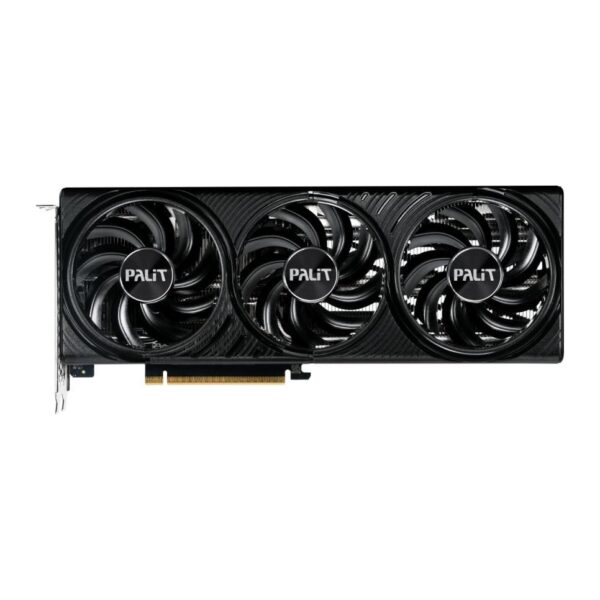
A question that comes up more than you would think: something like an old office Dell or a slim media PC, one half-height slot free, can it game? This generation the answer is properly yes. Gigabyte builds the RTX 5060 OC Low Profile, a half-height, triple-fan card with the full desktop chip, nothing cut down, for £326.59 inc VAT. Full 5060 performance out of a case that was built for spreadsheets.
The one thing to check before you order it is the power supply. The card still wants 145W and an 8-pin power connector, and slim office machines usually ship with small units that have neither the headroom nor the plug. Our power supply guide covers the swap; a decent 550W unit clears it with room to spare.
GIGABYTE RTX 5060 Low Profile 8GB Graphics Card
Out of stock
£326.59 inc VAT- NVIDIA GeForce RTX 5060 graphics processor
- 8GB GDDR7 discrete graphics card memory
- 2512 MHz core clock speed
- PCI Express 5.0 interface
- 3840 CUDA cores
- GIGABYTE WINDFORCE 3X cooling technology
- Overclocked OC edition
RTX 5060 laptops: same badge, smaller chip
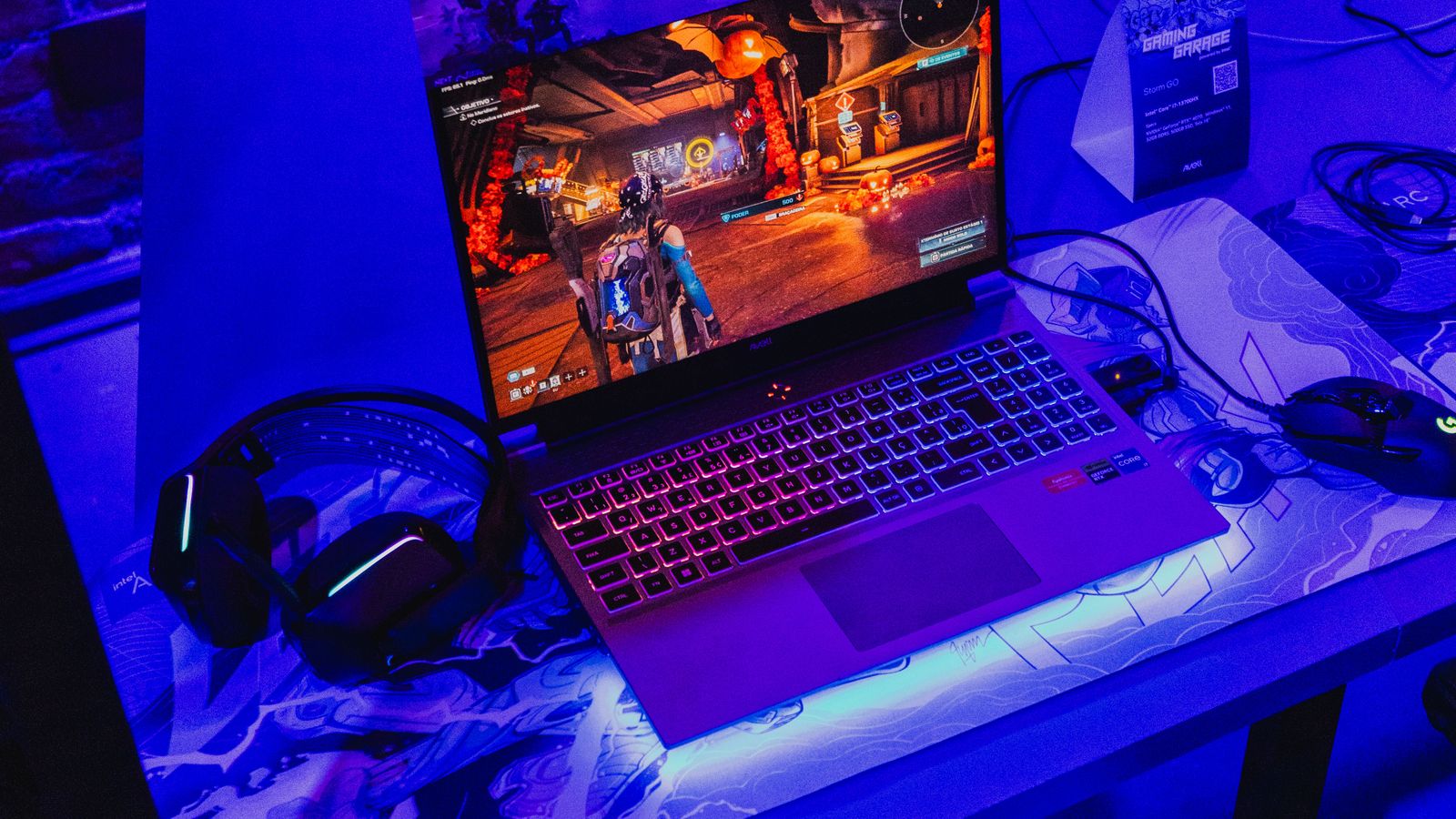
The sticker on the laptop lid says RTX 5060. The chip inside is not the desktop card. The laptop version carries 3,328 cores against the desktop’s 3,840, and its power limit is set by the laptop maker anywhere between 45W and about 100W, against a fixed 145W on the desktop card. That spread is why two laptops with identical spec sheets can differ by 30 percent in games: one feeds the chip 100W, the other squeezes it into a thin chassis at 45W and hopes nobody benchmarks it.
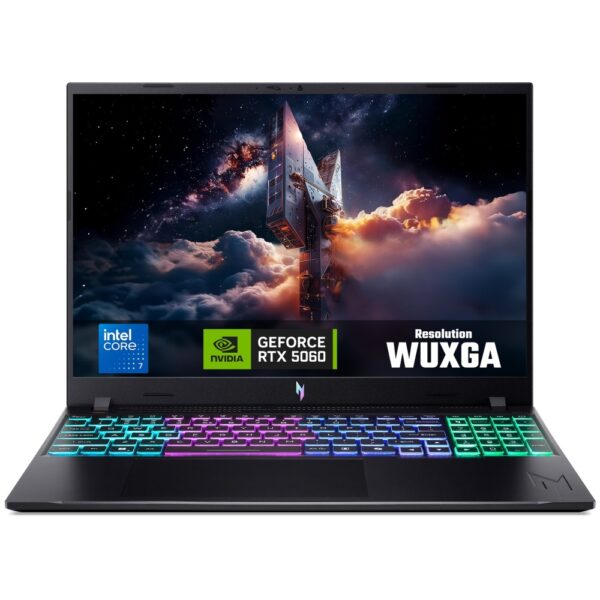
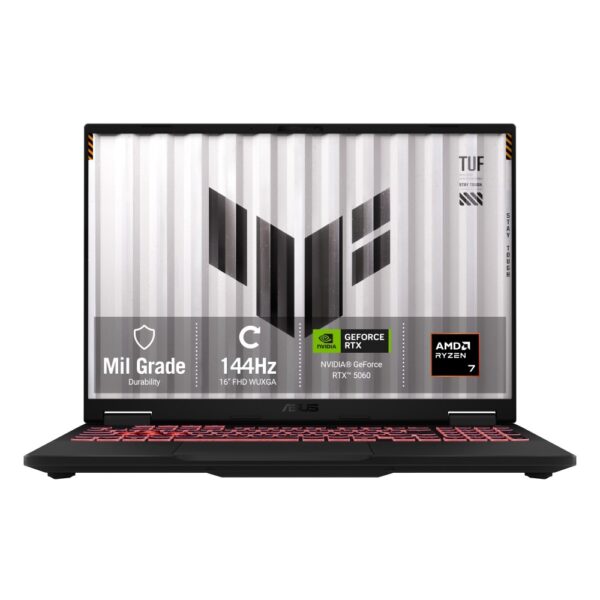
So when you shop, hunt for the GPU wattage in the fine print, and treat a thin-and-light 5060 with suspicion the spec sheet does not earn. A thicker machine with proper cooling, like the Acer Nitro and ASUS TUF models below, keeps the chip fed. Our range starts at £1,190 with the ASUS V16, and the full shelf is at RTX 5060 laptops. Weighing a laptop against a desktop build instead? That maths is in our gaming PC guide.
Every card we have in stock
Live stock, live prices, cheapest first. The RTX 5060 shelf:
And the RTX 5060 Ti shelf, 8GB and 16GB together:
Quick answers
At 1080p, yes, and it is the graphics card we sell more of than any other. For £312 you get roughly the speed of 2018’s £1,000 RTX 2080 Ti, plus DLSS 4, at 145W. Its only real weakness is the 8GB of memory, which matters more at 1440p and in the newest big-budget games.
For esports titles like Fortnite, CS2 and Valorant at 1080p, comfortably. For the latest AAA games at high texture settings it is already marginal, and independent testing shows severe stutter once the memory fills, especially on older PCIe 3.0 motherboards. If you keep cards for years, 16GB is the safer money.
The two are identical in speed until the memory runs out, and then the 16GB card is in a different league. In our store the gap is about £150. For 1440p, for modern AAA games, or for anyone planning to keep the card three years or more, we think that is the best-spent £150 on this page.
The 5060 Ti launched on 16 April 2025 at $379 for 8GB and $429 for 16GB. The RTX 5060 followed on 19 May 2025 at $299. UK street prices in 2026 run from about £312 for a 5060, £355 for an 8GB Ti and £512 for a 16GB Ti.
From a 4060, no. The 20 to 25 percent gain is not worth a whole new card. From a 3060 the case is real: about half as fast again, plus frame generation the 3060 never gets. From anything older than that, the difference is night and day.
Yes, once. One American shopper found a mispriced clearance card and it scanned at $80. It was a store error, not a deal that exists anywhere. Any listing priced far below roughly £355 for a new 5060 Ti should be treated as a scam.
The RTX 5060 draws up to 145W and is happy on a quality 550W unit. The 5060 Ti draws 180W and we suggest 600W for headroom. Neither needs the new 12-pin connector on most partner cards, but check your unit has an 8-pin PCIe cable. Our power supply guide covers the details.
Yes. Gigabyte makes a half-height triple-fan RTX 5060 with the full desktop chip, and we stock it at £335. It fits slim office machines and small media cases, as long as the power supply can feed it 145W through an 8-pin connector.
No. The laptop version has 3,328 cores instead of 3,840 and runs at 45W to about 100W depending on the laptop, against 145W on desktop. Two 5060 laptops can differ by 30 percent in games purely on power limit, so always check the GPU wattage before buying.
We sell every desktop card in this article and the laptops beside them, which is exactly why you should watch us closely when we praise the expensive one. So, our books: the £312 RTX 5060 is our volume seller and we recommend it daily without hesitation. The 8GB Ti is the card we most often suggest trading down, or up, from. The benchmark figures are not ours: they come from the independent outlets below, and we linked the ugly results, not just the flattering ones.
- NVIDIA: GeForce RTX 5060 family specifications
- TechSpot: RTX 5060 Ti 8GB vs 16GB across PCIe 3.0, 4.0 and 5.0
- GamersNexus: RTX 5060 review and benchmarks
- TechPowerUp: RTX 5060 Ti 8GB review
- PCWorld: the $80 Walmart RTX 5060 Ti find
- Tom’s Hardware: relabelled 5060 Ti sold as an RTX 5080
- Notebookcheck: RTX 5060 Laptop GPU specs and benchmarks
- Best Graphics Card in 2026: The 8GB Trap and What to Buy Instead
- Buying a Gaming PC in 2026: How Much to Spend, What to Avoid
- Best Gaming CPU in 2026: Why Ryzen X3D Still Wins
- Best Power Supply in 2026: One Wrong Choice Can Kill the Whole PC
- How to Choose PC Components in 2026: Where Your Money Actually Matters
About Hardvance Team
The Hardvance hardware team builds, upgrades and troubleshoots custom PCs every day. Our buying guides are practical and free of hype, drawn from hands-on experience across AMD and Intel platforms, and focused on the parts that genuinely matter for your build and your budget.
View all posts by Hardvance Team