Save £6.06
be quiet! Pure Power 13 M 650W ATX Black PSU
In stock
Original price was: £100.79.£94.73Current price is: £94.73.
Save £7.21
ASUS TUF-GAMING-850G-EVO 850W ATX PSU Black
In stock
Original price was: £142.79.£135.58Current price is: £135.58.
Save £9.93
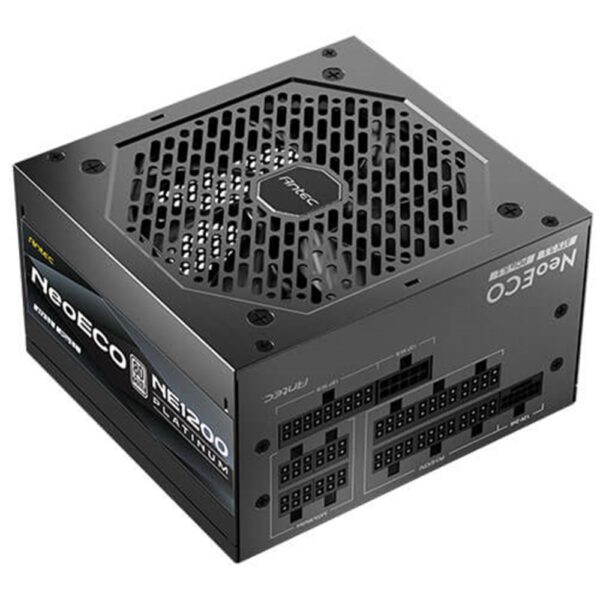
Antec NE1200 Platinum NeoEco 1200W ATX 3.1 PSU, PCIe 5.1, 80 Plus Platinum, 10-Year Warranty
In stock
Original price was: £153.59.£143.66Current price is: £143.66.
Save £9.30
be quiet! POWER ZONE 2 1000W ATX Black PSU
In stock
Original price was: £177.59.£168.29Current price is: £168.29.
Save £7.21
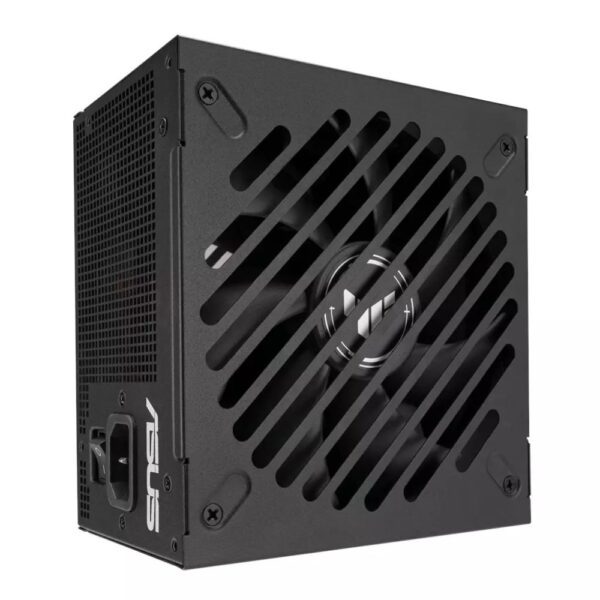
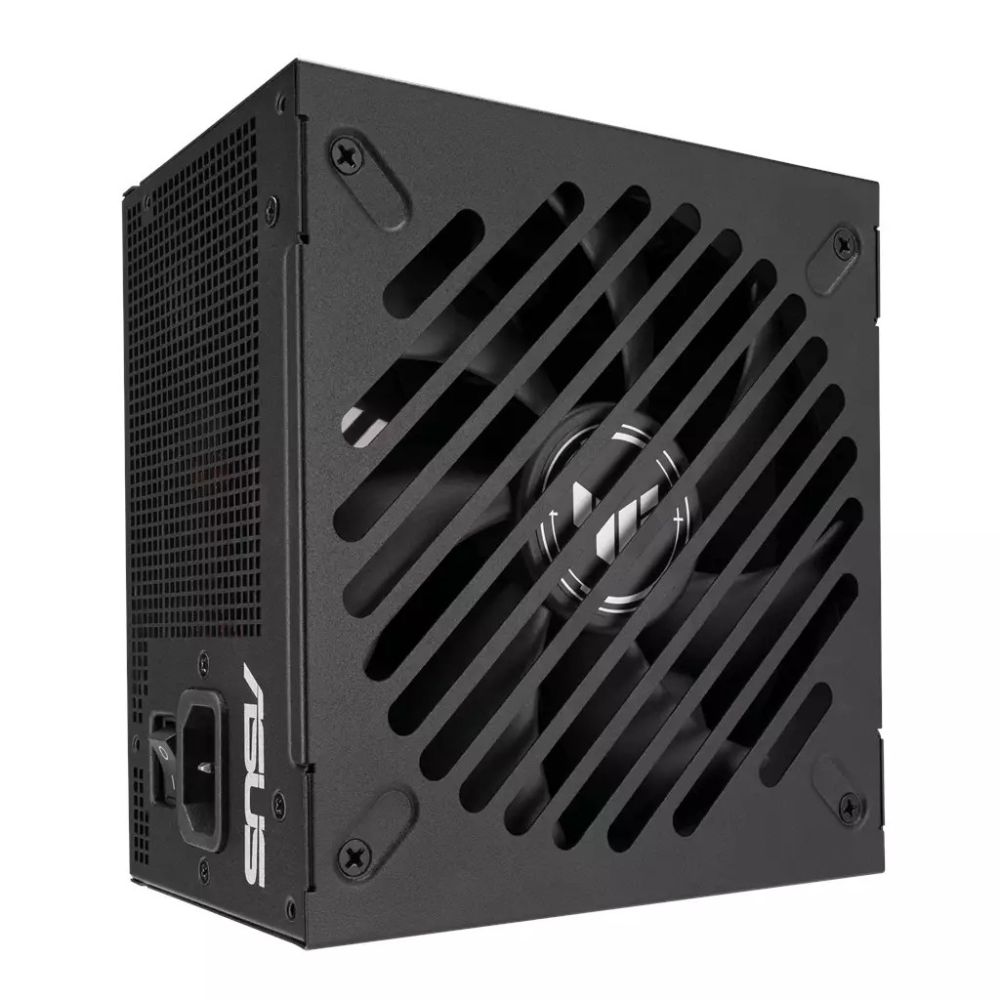
ASUS TUF-GAMING-850G-EVO 850W ATX PSU Black
In stock
Original price was: £142.79.£135.58Current price is: £135.58.- ASUS TUF-GAMING-850G-EVO 850 W PSU with 90YE00SA-B0NA00 MPN
- ATX 3.1 compatible with PCIe Gen 5.1 support
- 80 PLUS Gold certification for high power efficiency
- Fully-modular cabling with 16-pin, 6+2 pin, and 4+4 pin connectors
- Active cooling with 1 fan and protective PCB coating
- Check motherboard and GPU power requirements before purchase
Save £6.06
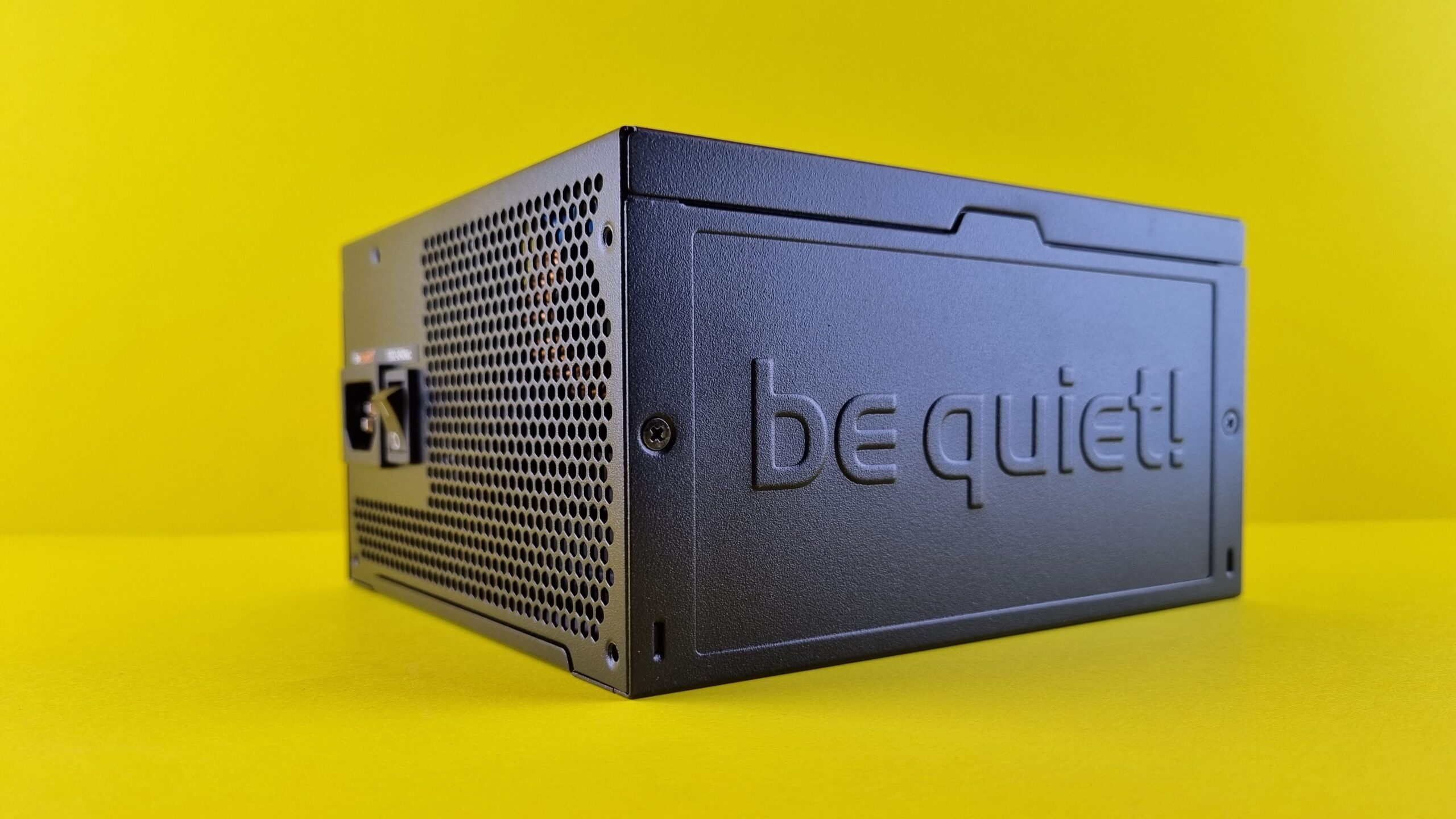
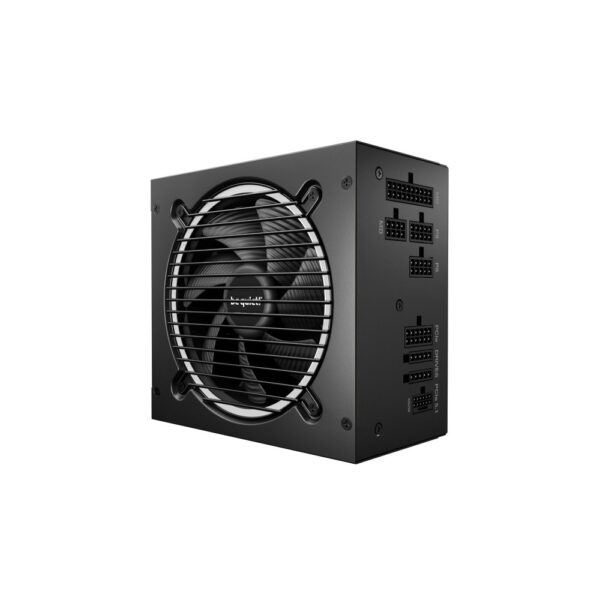
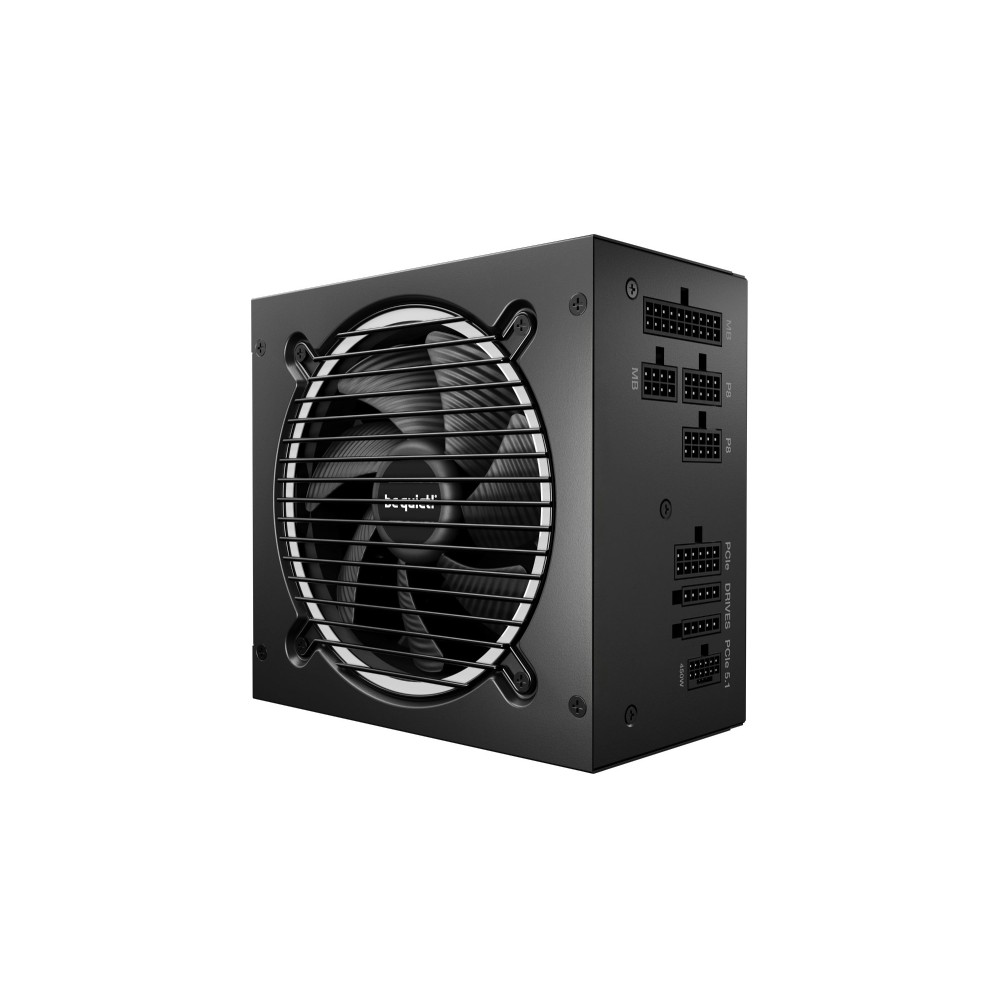
be quiet! Pure Power 13 M 650W ATX Black PSU
In stock
Original price was: £100.79.£94.73Current price is: £94.73.- 650W ATX 3.1 and PCIe 5.1 compliant power supply for PC builds
- 80 PLUS Gold efficiency with 92.8% rating and active PFC
- 12 cm fan with 0–1800 RPM speed and 30.2 dB noise level
- Fully-modular cabling with PCIe 12-pin and 6+2 pin connectors
- Comprehensive protection including over current, over voltage and surge
- 100,000 h MTBF with rifle bearing and semi-passive cooling
Save £9.30
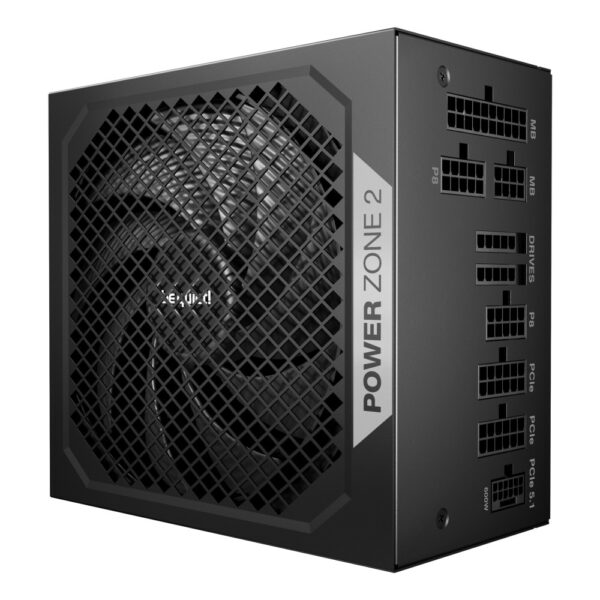
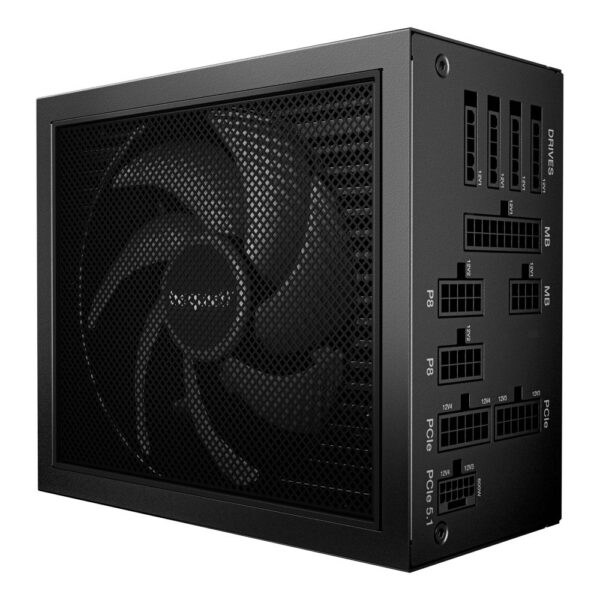
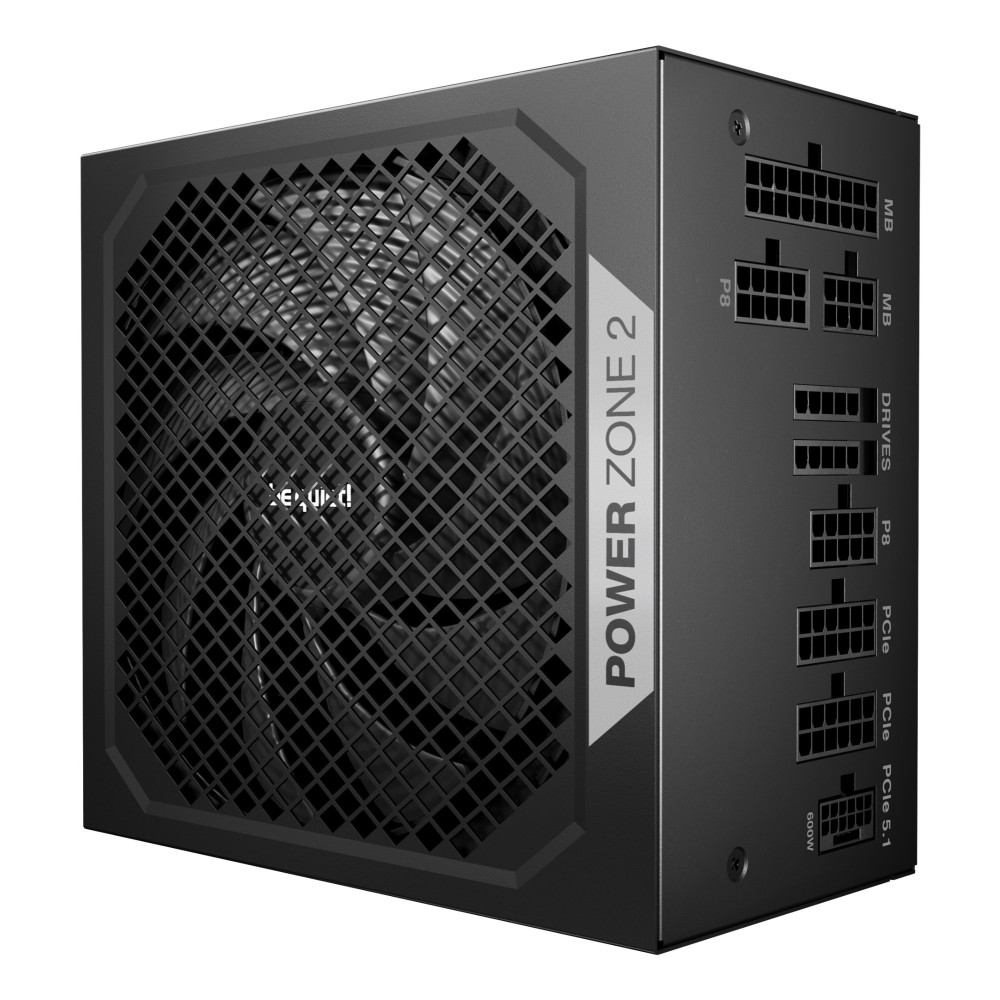
be quiet! POWER ZONE 2 1000W ATX Black PSU
In stock
Original price was: £177.59.£168.29Current price is: £168.29.- 1000 W ATX 3.1 power supply unit with 80 PLUS Platinum efficiency
- 14 cm Pure Wings 3 fan with rifle bearing and 27.2 dB noise level
- Fully-modular cabling with 1x 12V-2×6 and 3x 6+2-pin PCIe connectors
- Single +12V rail delivering 83.3 A with 1070 W peak power
- Comprehensive protection features including over current, over voltage and overheating
- Key specs check: MTBF 100,000 h, hold time 22.7 ms, operating temp 0–40 °C
Save £9.93
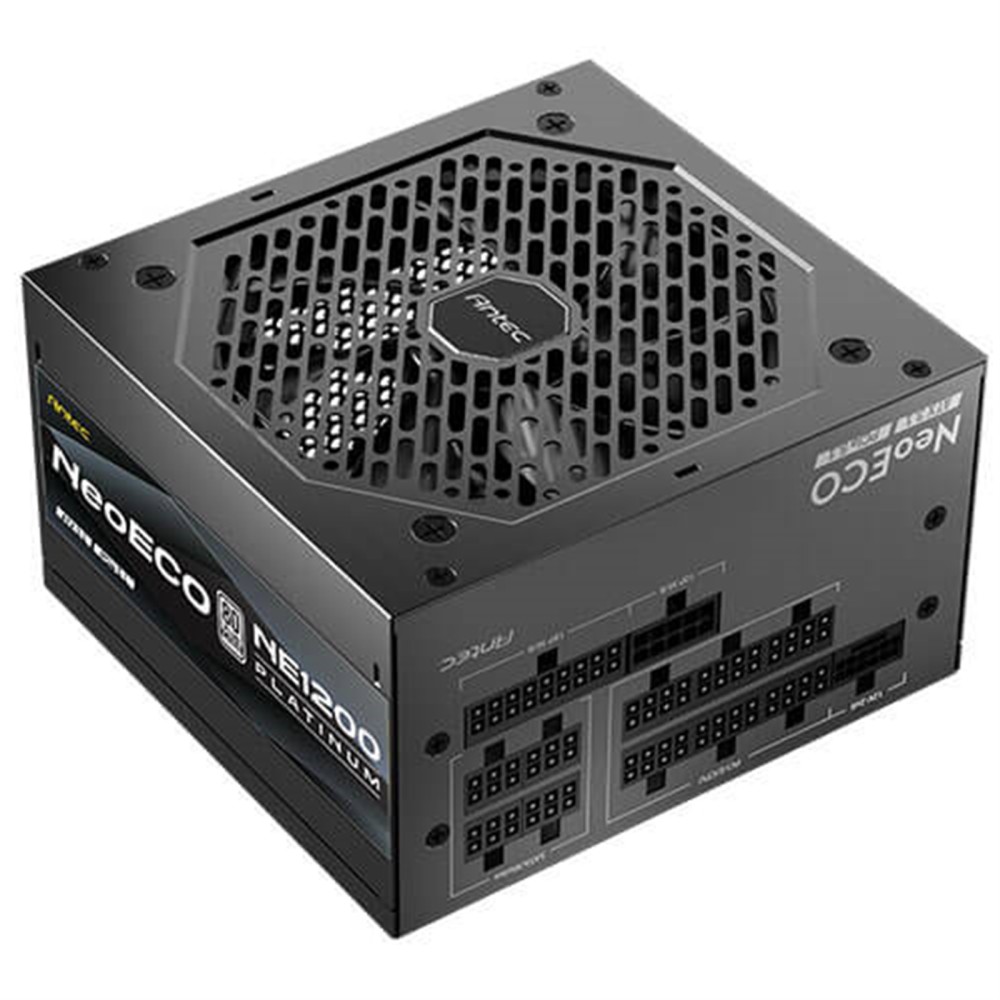
Antec NE1200 Platinum NeoEco 1200W ATX 3.1 PSU, PCIe 5.1, 80 Plus Platinum, 10-Year Warranty
In stock
Original price was: £153.59.£143.66Current price is: £143.66.- 1200W ATX 3.1 & PCIe 5.1 compatibility with 12V-2×6 connector
- 80 PLUS Platinum efficiency with high-quality Japanese capacitors
- PhaseWave server-class DC-DC design for stable power delivery
- Full modular cable management for improved airflow
- 120mm FDB silent fan with Zero RPM Manager for quiet cooling
- 10-year warranty with comprehensive industrial-grade protection suite
- Compact 140mm x 150mm x 86mm size fits wider case compatibility
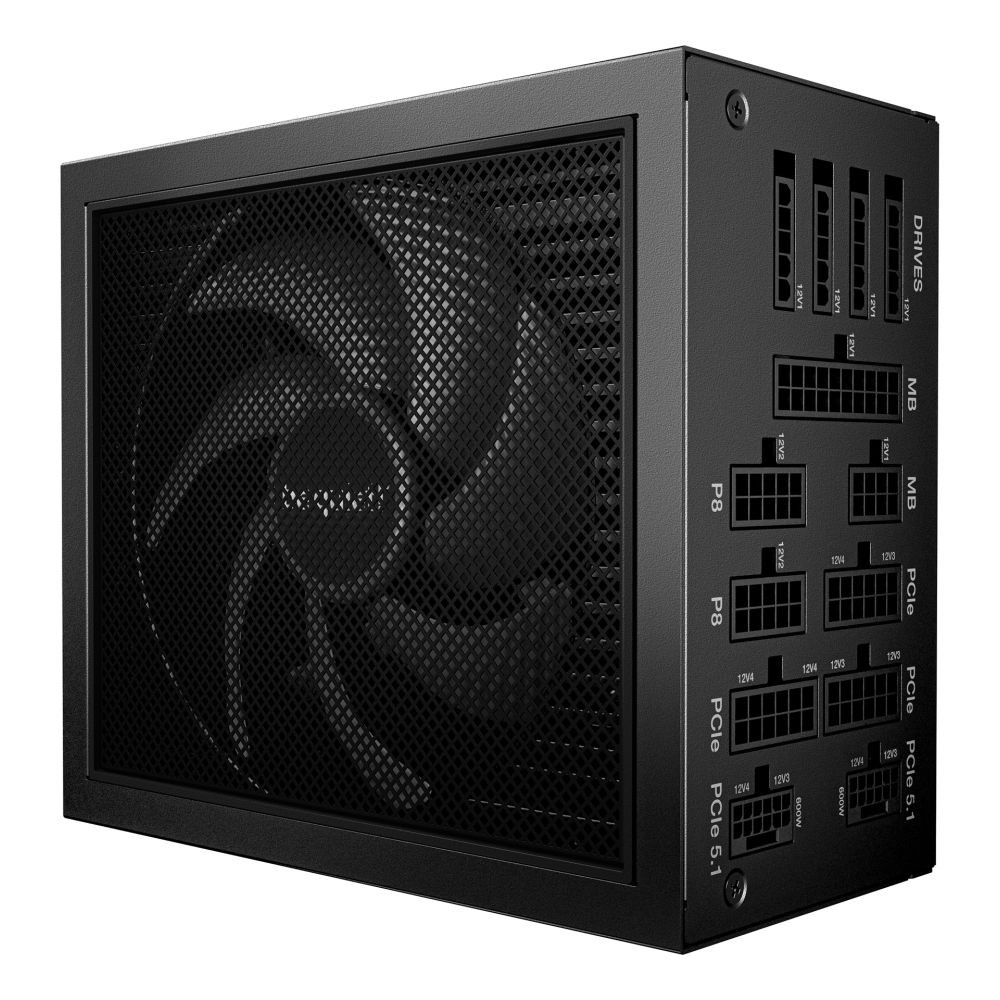
be quiet! Dark Power 14 1200W PSU
In stock
£228.54- 1200 W 80 Plus Titanium power supply
- 13.5 cm FDB fan with 0-2100 RPM range
- Active cooling with semi-passive mode option
- ATX 3.1, EPS 2.92 compliant
- Fully modular cabling design
- 100000 h MTBF for long-term reliability
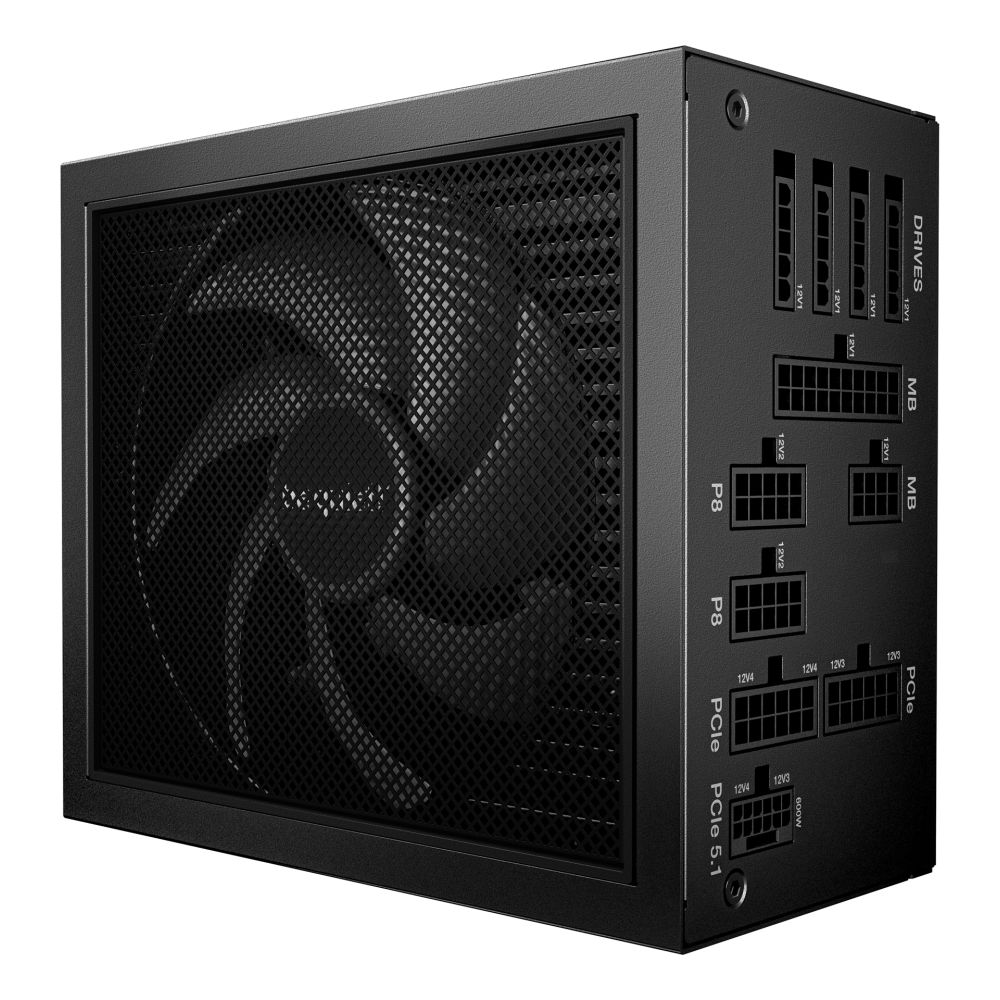
be quiet! DARK POWER 14 850W PSU
In stock
£192.91- 850 W ATX 3.1 power supply with 80 PLUS Titanium certification
- Active cooling with 13.5 cm fan and FDB bearing technology
- Four +12V rails delivering 850 W total output power
- Fully modular cabling for clean build and easy installation
- Comprehensive protection: over current, over voltage, overheating, overload, short circuit, surge & inrush protection
- MTBF of 100,000 hours with 93.8% efficiency

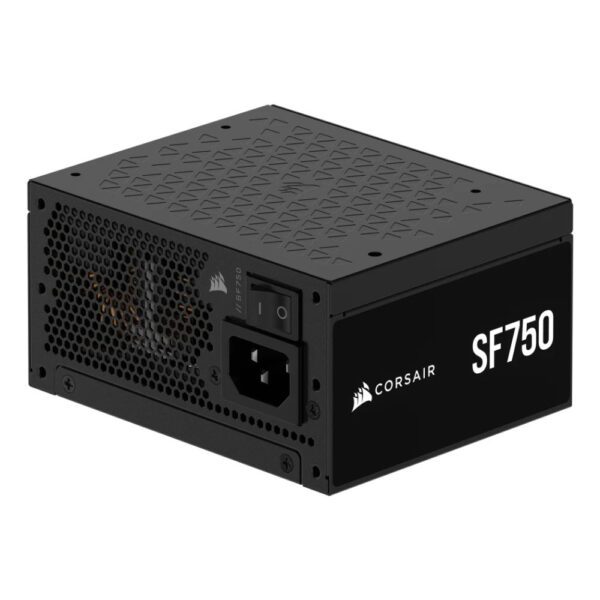
Corsair SF750 750W Power Supply
In stock
£160.24- 750 W ATX 3.1 fully modular SFX power supply
- 80 PLUS Platinum efficiency certification
- Active cooling with 9.2 cm fan
- Compact dimensions: 125 x 100 x 63.5 mm
- FDB bearing technology for quiet operation
- Comprehensive protection: overheating, over current, over power, over voltage, short circuit
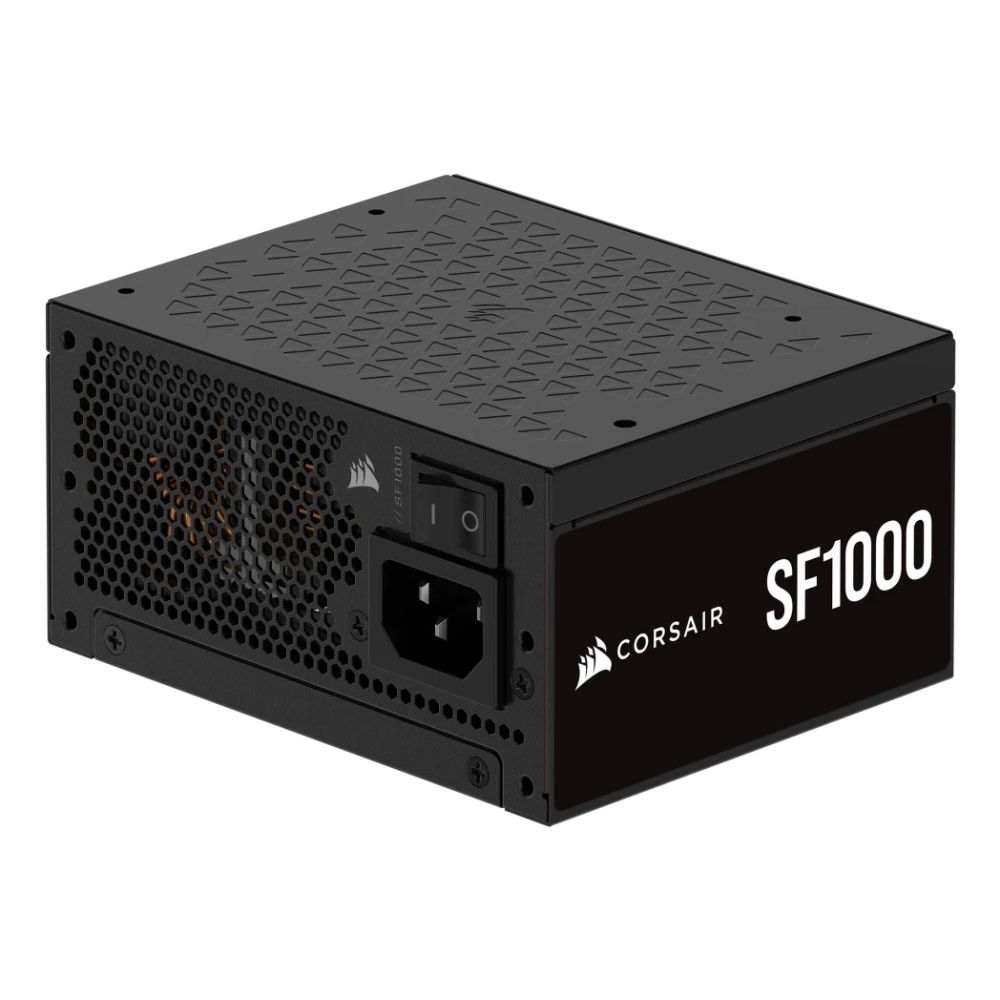
Corsair SF1000 1000W Power Supply
In stock
£202.27- 1000W SFX power supply for SFF PC builds
- 80 PLUS Platinum certification for high efficiency
- ATX 3.1 compliant with fully modular cabling
- 9.2 cm top-mounted fan with FDB bearing technology
- Compact dimensions: 125 x 100 x 63.5 mm
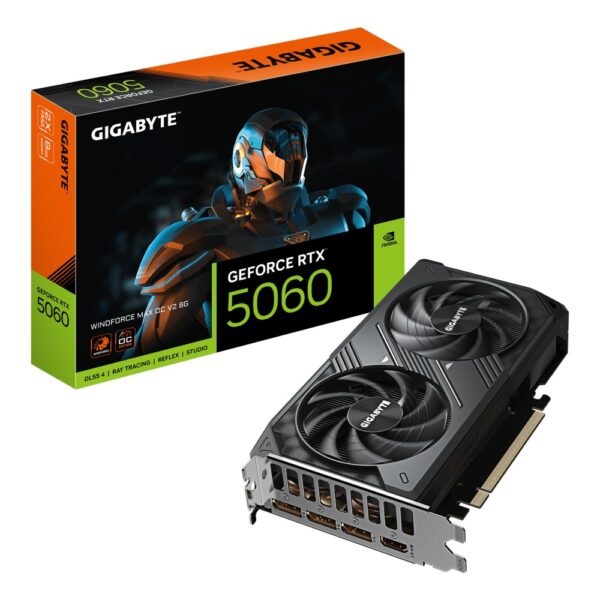
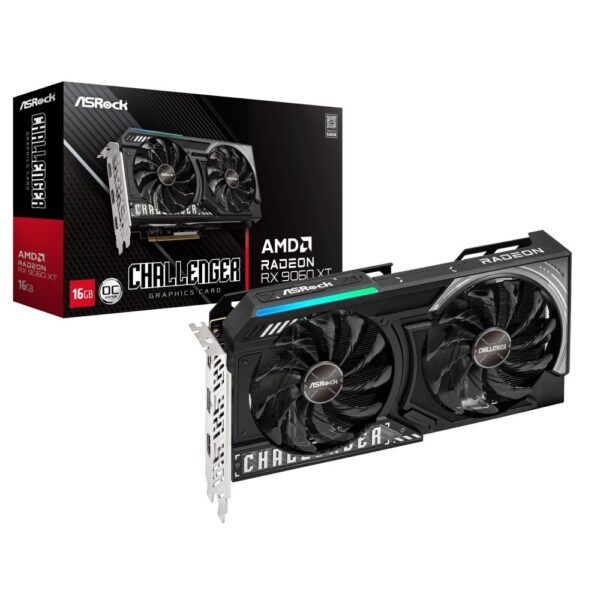
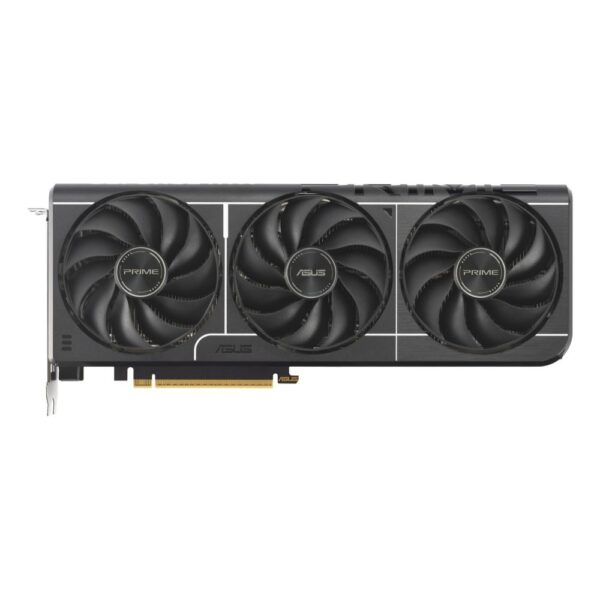
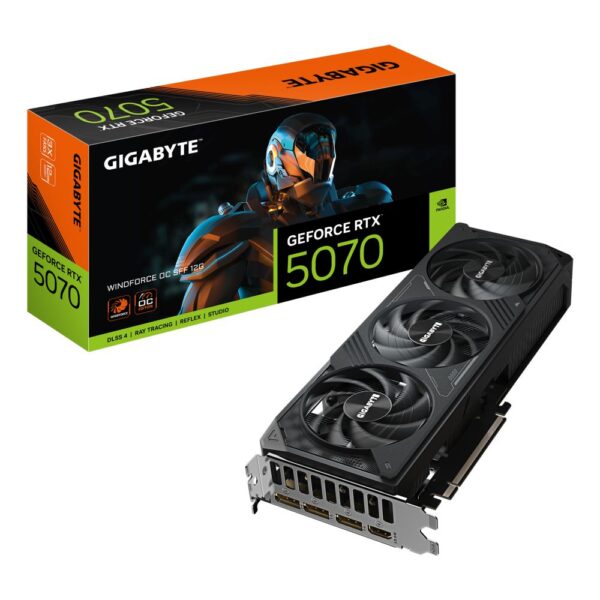
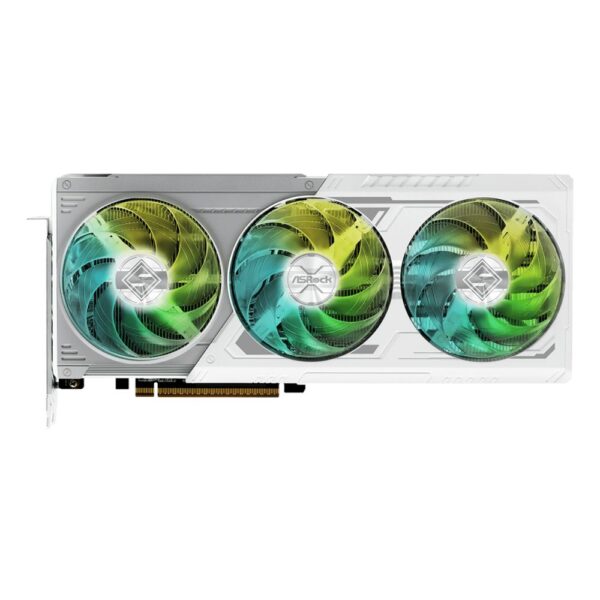
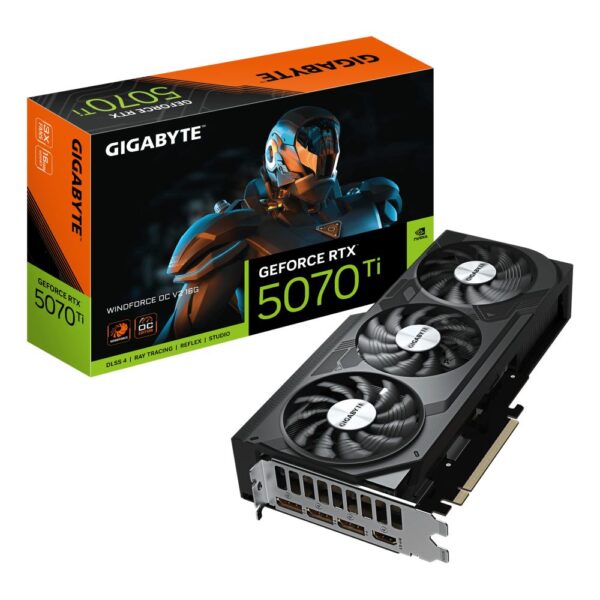
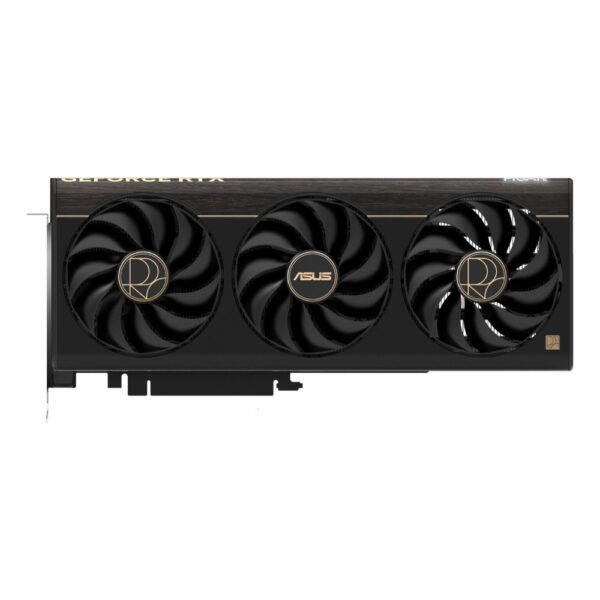
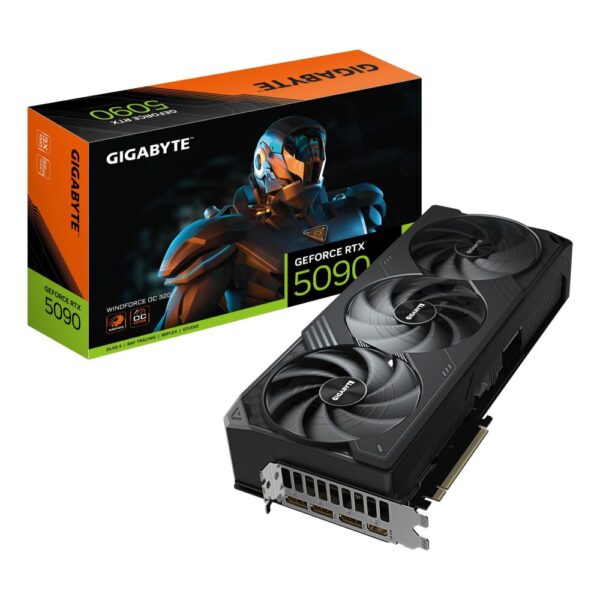
GIGABYTE GeForce RTX 5060 WINDFORCE MAX OC V2 8GB GDDR7 Graphics Card PCIe 5.0 Black
Out of stock
£529.75
Save £6.81
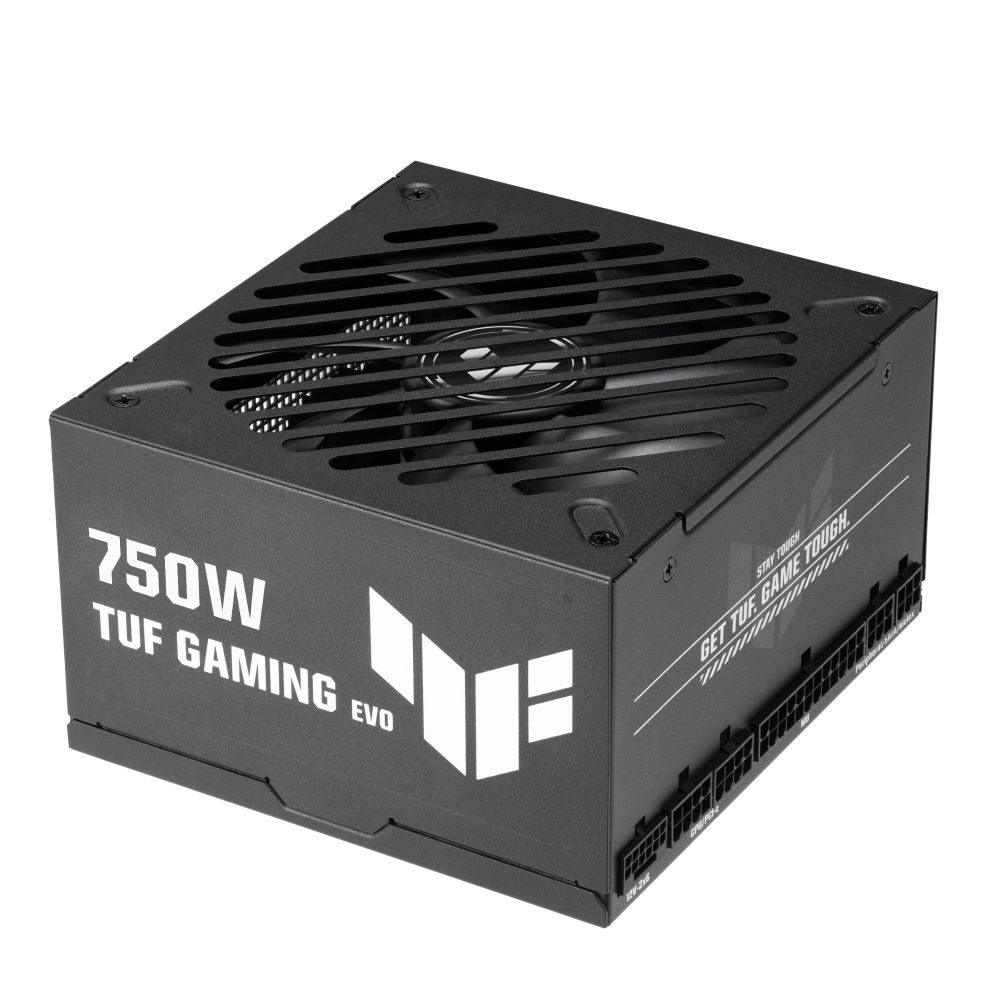
ASUS TUF-GAMING 750G-EVO 750W ATX PSU Black
In stock
Original price was: £130.79.£123.98Current price is: £123.98.- 750W ATX 3.1 power supply with 80 PLUS Gold efficiency
- Fully-modular cabling for custom builds
- Active cooling with 1 top fan and DBB bearing
- Comprehensive protection against overheating, over current, over power, under voltage, over voltage and short circuit
- High-power +12V rail at 62.5 A for demanding components
- What to check: motherboard and GPU power connector requirements
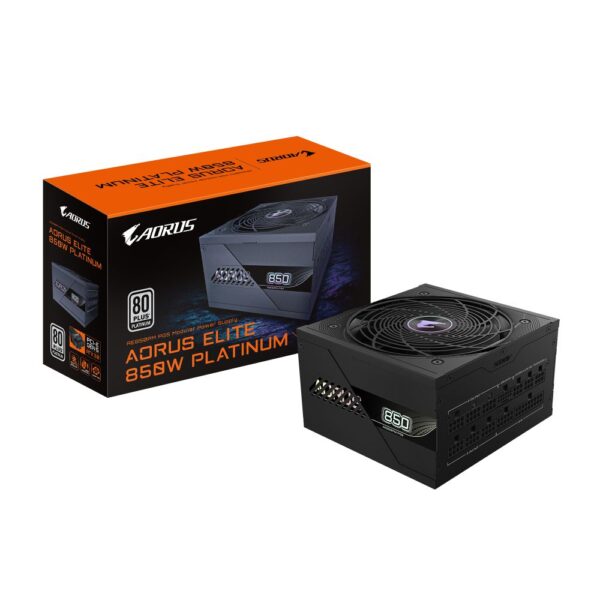
Save £9.27
GIGABYTE AORUS P850W 80 PLUS Platinum PSU
In stock
Original price was: £136.79.£127.52Current price is: £127.52.
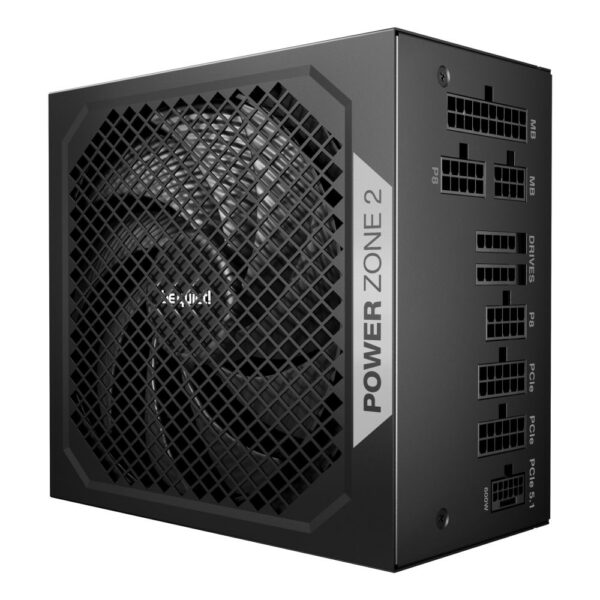
Save £8.57
be quiet! POWER ZONE 750W PSU
In stock
Original price was: £141.59.£133.02Current price is: £133.02.
Save £9.93
Antec NE1200 Platinum NeoEco 1200W ATX 3.1 PSU, PCIe 5.1, 80 Plus Platinum, 10-Year Warranty
In stock
Original price was: £153.59.£143.66Current price is: £143.66.
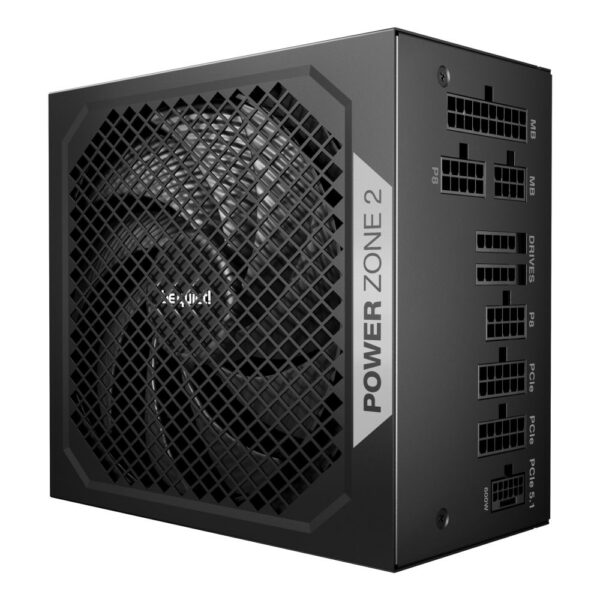
Save £8.62
Be quiet! POWER ZONE 850W PSU
In stock
Original price was: £154.79.£146.17Current price is: £146.17.
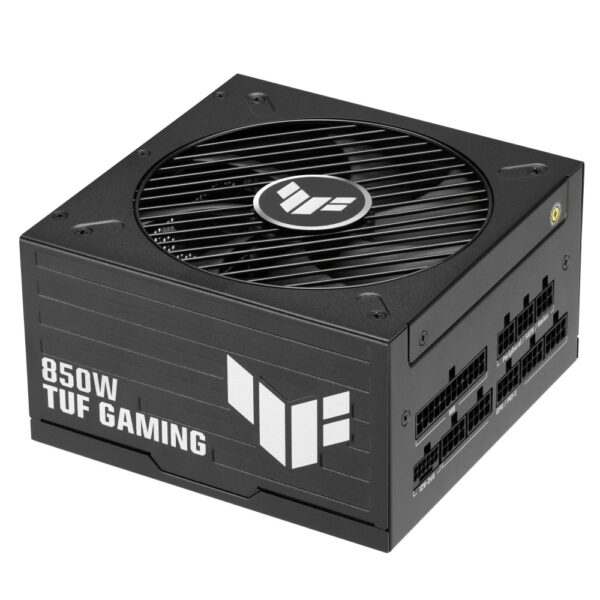
Save £11
ASUS TUF Gaming 850W 80 PLUS Platinum Power Supply Fully Modular ATX 3.1 Black
In stock
Original price was: £160.79.£150.10Current price is: £150.10.
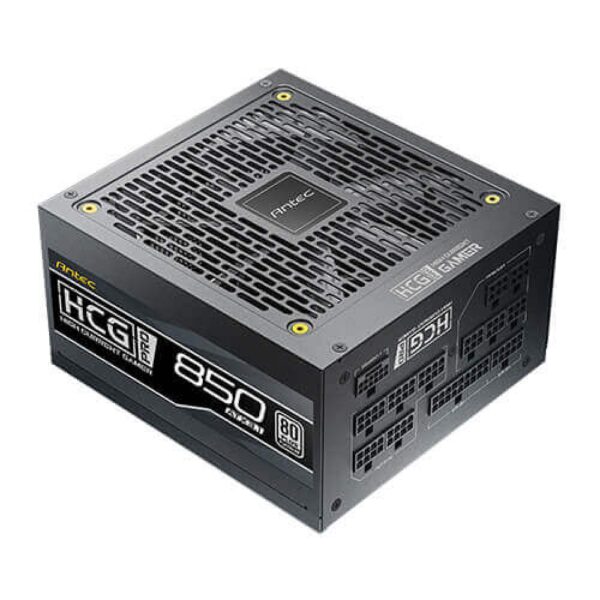
Save £9.42
Antec HCG850 PRO 850W Power Supply
In stock
Original price was: £164.39.£154.97Current price is: £154.97.
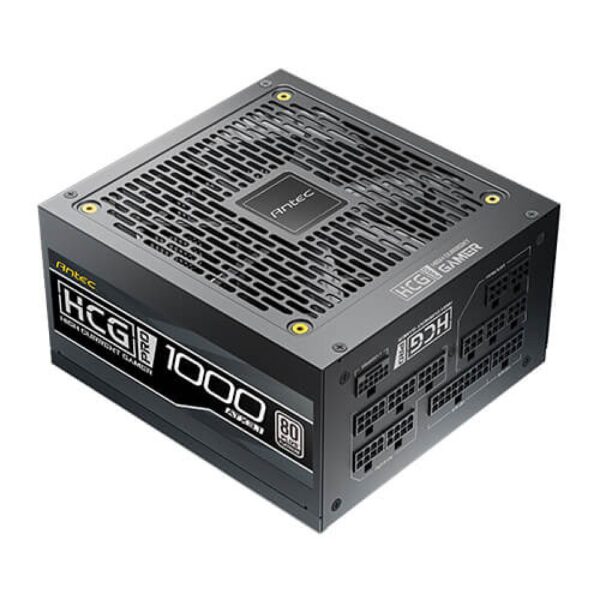
Save £9.59
Antec HCG1000 PRO 1000W Power Supply
In stock
Original price was: £173.99.£164.40Current price is: £164.40.
Save £21
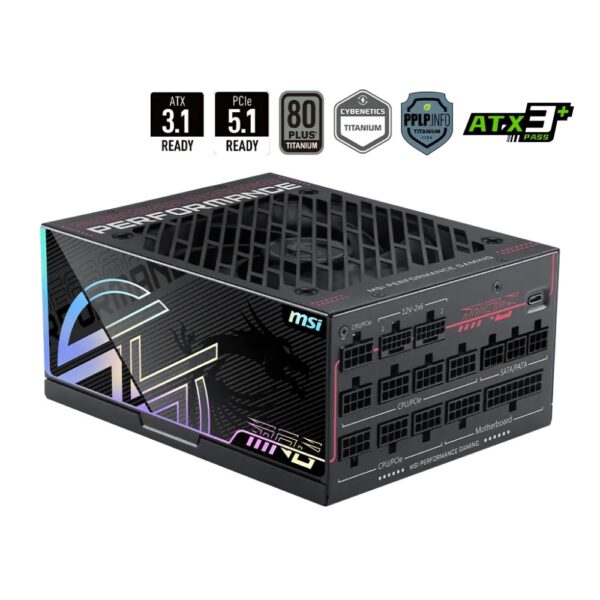
MSI MPG Ai1300TS Power Supply Unit 1300 W ATX 3.1 80 Plus Titanium Fully Modular Black
In stock
Original price was: £393.59.£372.13Current price is: £372.13.