You May Already Have One: Satellite Phone vs a Phone With Satellite Messaging, Explained
Search for a satellite phone and you will be sold a rugged handset with a stubby aerial for the price of a decent laptop. For most people that is now the wrong answer. The phone already in your pocket can very likely send a message with no mobile signal at all, and on 24 July Amazon asked the American regulator for permission to launch 5,105 satellites to make that work almost anywhere.
Start where you are:
- You want to text from a hill with no barsYour phone may already do it, free. How to check
- You have a recent iPhoneIt is built in and Apple does not charge for it. What it covers
- You have a recent Samsung or PixelBuilt in too, but your network decides. The catch
- You work somewhere with no coverage at allThen yes, buy the real thing. Which sort
- You are wondering if this is legalIn most countries yes, in a few it is a criminal offence. The list matters
- You just want to know what changedAmazon, Apple and the 5,105 satellites
This is what your phone can and cannot do once the towers run out.
- What is a satellite phone?
- Can you turn your phone into one?
- iPhone: what Emergency SOS really does
- Android and Samsung satellite texting
- Starlink direct to cell
- Which networks actually support it
- Amazon's 5,105 satellites
- Do you still need a real satellite phone?
- Is owning one legal?
- What it cannot do
- The bill nobody sends you
- Quick answers
What is a satellite phone, and how is it different from a phone with satellite?
A satellite phone talks straight to a spacecraft instead of a mast. A normal phone with satellite features does the same thing, but only for small jobs like a text message, and only when it has nothing better to use. Those two sentences cover most of the confusion around this subject.
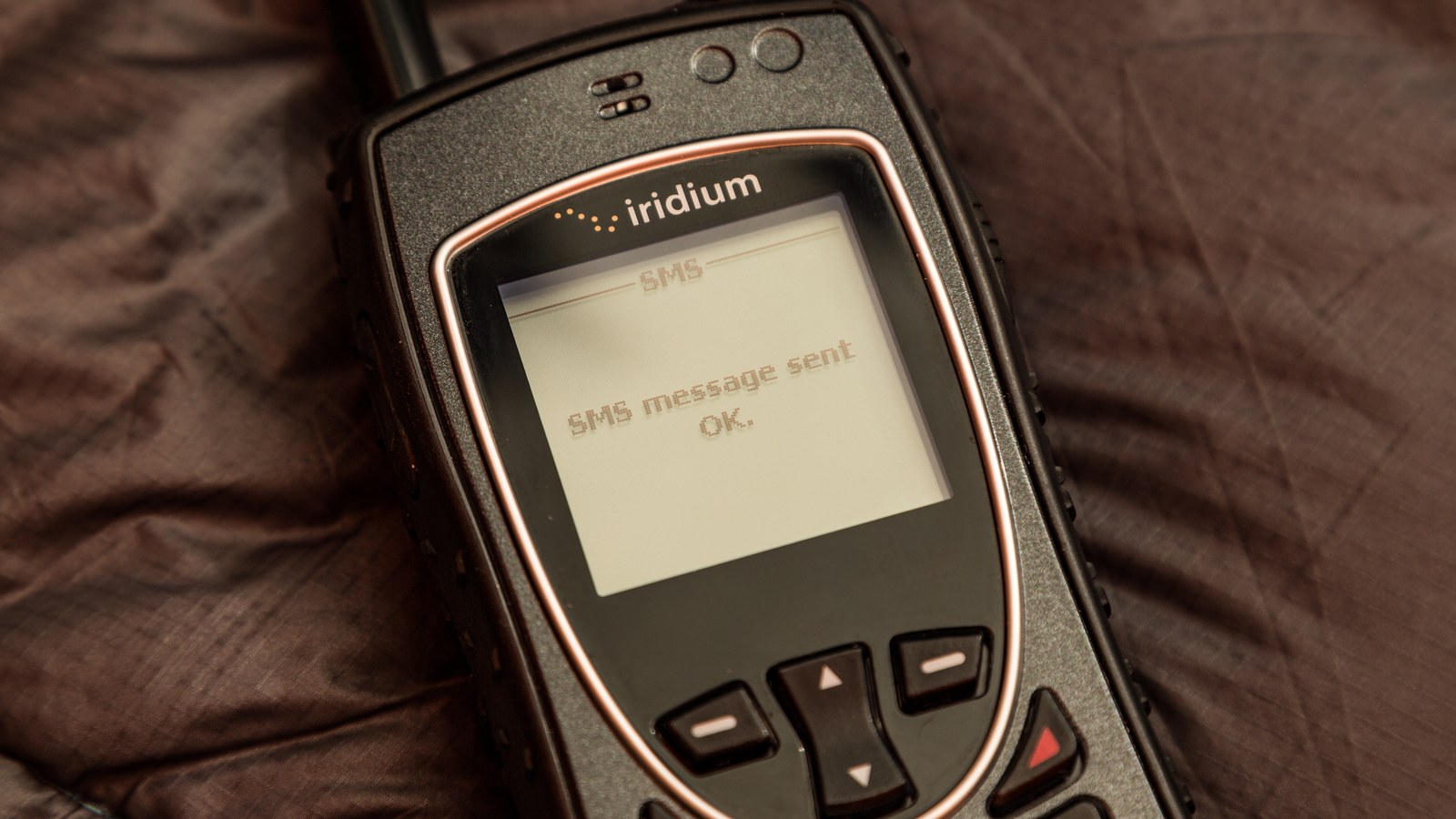
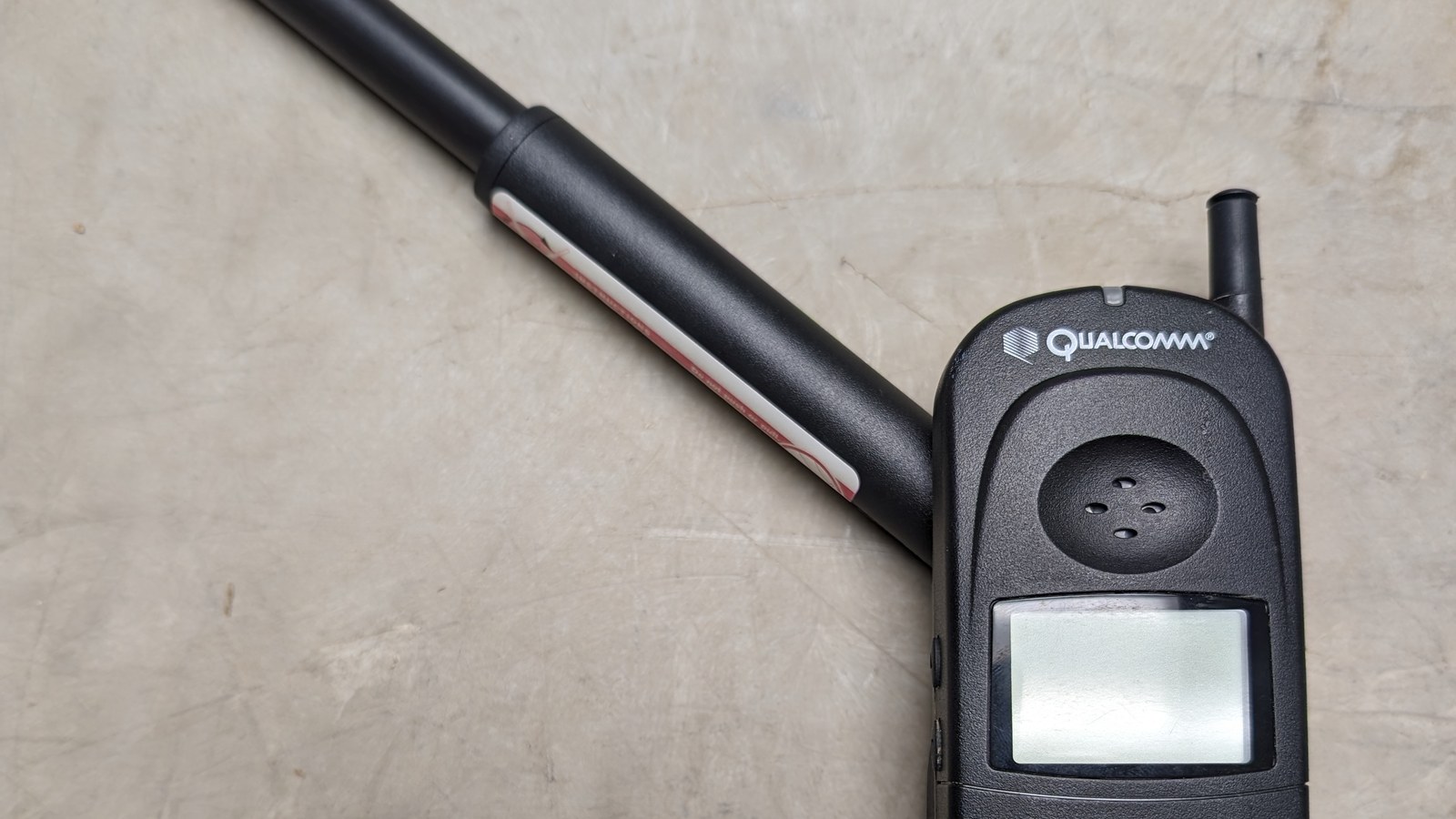
The traditional sort is a dedicated handset from Iridium, Inmarsat, Thuraya or Globalstar. It has a thick aerial you fold out, it costs about as much as a good laptop, and its airtime is billed by the minute. It works in the middle of an ocean. It is also, by phone standards, ancient to use.
What changed is that the ordinary phone caught up for the one job most people actually need. If you are hurt on a hill, you do not want a phone call. You want a short message to reach somebody. That is a tiny amount of data, and a tiny amount of data is exactly what a modern phone can push to a passing satellite.
So when you search for a satellite phone and land on a shop selling a rugged handset, ask yourself first whether you need voice from a shipping lane, or a text from a footpath. Those are different products, and the second one you may already own.
Can you turn your mobile phone into a satellite phone?
Not into a true one, no. But you may not need to, because the ability to message by satellite is built into the hardware of most phones sold in the last couple of years. There is no adapter that upgrades an old handset, and any app promising otherwise is selling you a subscription to something your phone cannot do.
Here is the test, and it takes a minute:
- Check the age of your phone. Roughly, an iPhone 14 or newer, or a flagship Android from the last two years or so, has the radio for it.
- Look in the settings. On Android, look under Connections for a Satellite entry. On iPhone, look in Settings under Emergency SOS and Satellite.
- Ask your network, not the phone shop. This is where most people come unstuck. The hardware being capable and the service being switched on are two different things, and your mobile network decides the second one.
That last point is the whole story in miniature. One Samsung owner posting about a new handset described the feature as under-marketed, and another was so unsure what a satellite notification on their screen even meant that they asked an AI chatbot to explain it. A third quoted the message their network shows them word for word: satellite messaging is included with the account, use it when a mobile network is not available, and keep a clear view of the sky. Nobody had told any of them.
So before you spend anything, go and look. A surprising number of people are carrying this and have no idea.
Satellite texting on iPhone: what Emergency SOS via satellite actually does
On a recent iPhone it is built in, Apple has not charged for it, and it does considerably more than dial 999. The feature people know about is the emergency one, but the family has grown.
What it covers, broadly:
- Emergency messaging. The phone walks you through a short questionnaire, then sends a compressed summary to a relay centre that passes it to the local emergency service.
- Messages to normal people. Newer iPhones can send an ordinary text over satellite, not only an emergency one, so you can tell somebody you are late rather than that you are dying.
- Roadside assistance. In supported countries, breakdown help through the same route.
- Location sharing. Your position pushed out to Find My even with no signal.
The experience is unlike anything else on a phone. You go outside, hold the handset up, and an on-screen arrow tells you where to point it. You physically aim your phone at a satellite you cannot see, then hold still while a few hundred characters crawl upwards. It feels primitive, and that is the point: it is working with a sliver of bandwidth from something moving very fast, a long way up.
One thing worth knowing before you rely on it. This runs over Globalstar’s network, and Globalstar is the company Amazon has agreed to buy. More on what that means below, because it is the most interesting part of this week’s news and almost nobody has spelled it out.
Android and Samsung satellite texting: built in, but your network decides
Recent flagship Androids have the same capability. The difference is that on Android it is far more obviously gated by your mobile network, and the phone often will not tell you which side you are on.
Samsung’s newest Ultra models ship with satellite messaging ready to go, and Pixels have carried a version of it for a while. But whether it lights up depends on whether your operator has done a deal. Owners in the same country, on the same handset, get different answers, which is why the forum threads on this are so confused.
Two practical notes from people actually using it. First, it usually appears inside the messaging app you already use rather than as a separate satellite app, so there is nothing obvious to open. Second, several owners only discovered they had it when a notification appeared in a low-signal area, which is a strange way to learn about a safety feature.
If you are shopping and this matters to you, check the network before the handset. A mid-range phone on a network that supports satellite messaging will serve you better on a mountain than a flagship on one that does not.
Starlink direct to cell, and what it is for
Starlink’s direct-to-cell service went live with T-Mobile last July and is the most complete version of this idea currently running. It is also the clearest picture of where the technology is heading, so it is worth understanding even if you are nowhere near it. It is a separate product from Starlink home broadband, the dish you rent on a monthly plan, which needs no mobile network at all.
The trick SpaceX pulled off is that it needs no new phone. The satellites behave like a mast in the sky that your ordinary handset can already talk to. Coverage is not about signal bars any more, it is about whether a satellite is overhead at that moment.
What it carries today is texts, voice chat through apps like WhatsApp, a handful of low-bandwidth apps such as maps, and emergency calls. Not video, not browsing. It is priced as a modest monthly add-on rather than the old satellite model of billing by the minute, and it is available beyond a single network.
The reason this matters to everyone else is competitive. Once one network can say your phone works in the middle of nowhere, the others have to answer. That is precisely what Amazon has just done.
Which networks actually support satellite texting
This is the question with the least satisfying answer, because it changes every few months and it is not the same in any two countries.
The pattern, though, is consistent enough to be useful:
- Apple’s route is the least network-dependent. Because Apple built its service on Globalstar directly, iPhone owners in supported countries get it without their network agreeing to anything. That is unusual and it is why iPhone satellite messaging spread faster.
- Android’s route is network-dependent. Google and Samsung supply the capability, your operator supplies the service. Some include it at no extra cost, some sell it, some have not launched it.
- Starlink’s route is a partnership. It arrives through your existing operator, as an add-on to a normal plan. In the United States that started with T-Mobile satellite texting and has since reached Verizon and AT&T customers as well, which is why American coverage of this subject is further ahead than ours.
If you are searching for Verizon satellite texting, AT&T satellite texting or T-Mobile satellite texting and finding conflicting answers, that is because all three arrived at different times by different routes. The operator’s own support page is the only version worth trusting.
So the reliable way to find out is to search your own operator’s site for satellite messaging, or to look in your phone’s settings for a satellite entry and see whether it says you are subscribed. Do not take a general article’s word for it, including this one, because the list moves.
And check before you need it, not on the day. A feature you have never opened is not a plan.
Amazon’s 5,105 satellites, and the detail almost nobody reported
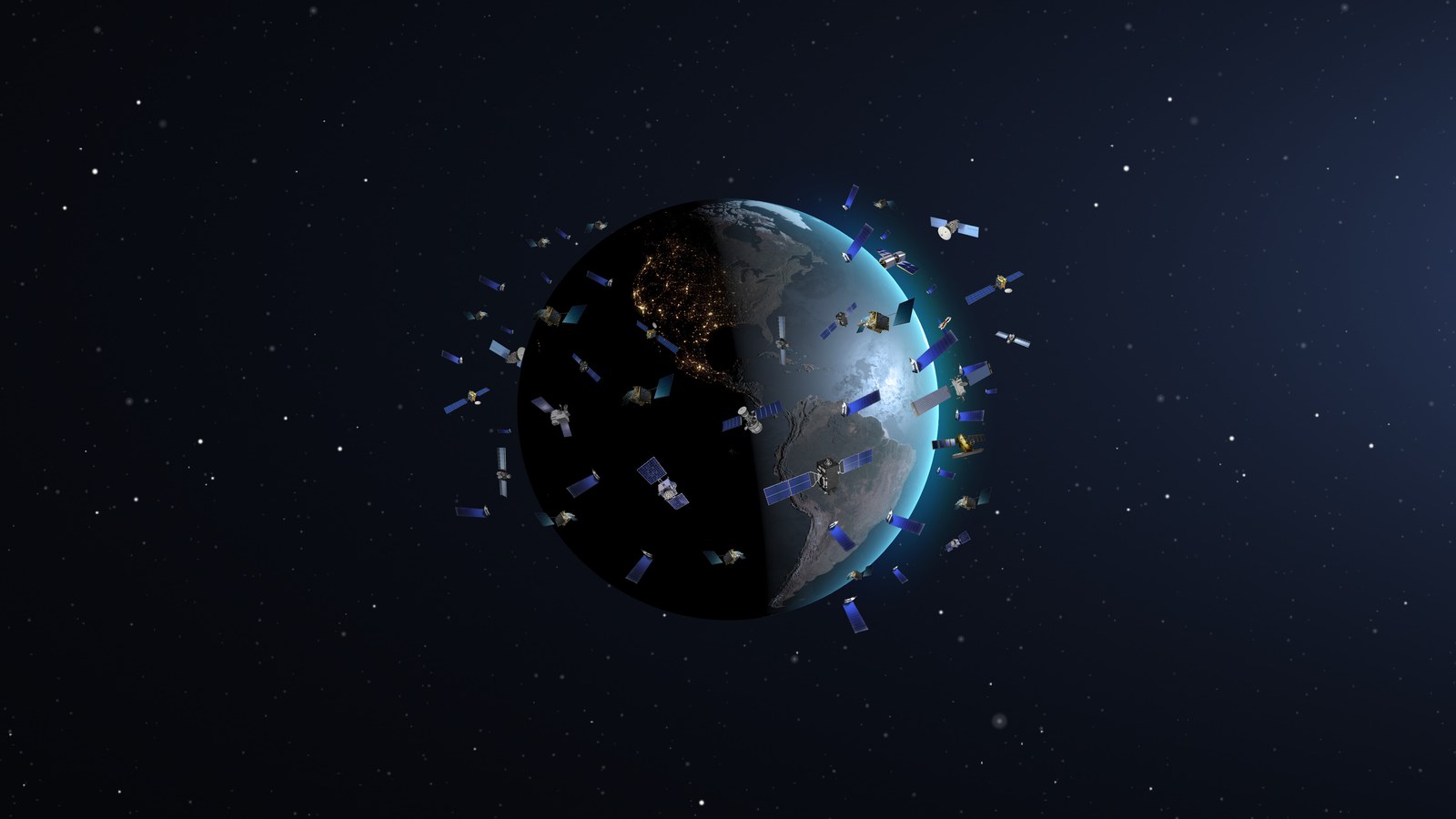
Late on 24 July, Amazon filed an application with the American communications regulator for a constellation of 5,105 low-orbit satellites built to talk directly to ordinary phones. It wants the service running in early 2028. That alone would be a big story. The interesting part is buried in how it plans to do it.
The filing’s technical outline: the satellites would sit between about 510 and 580 kilometres up, spread across five orbital shells, and use radio bands at 1.6 and 2.4 gigahertz. Each spacecraft is designed for six to eight years of life, and is meant to lower itself to around 360 kilometres at the end so that it burns up naturally within a couple of months. Amazon asked for orbital slots for more than 11,000 satellites but told the regulator the constellation will not exceed 5,105.
Now the part that matters to you. That 1.6 and 2.4 gigahertz spectrum belongs to Globalstar, and Amazon agreed in April to buy Globalstar for about eleven billion dollars, a deal expected to close in 2027. Globalstar is the network behind Apple’s satellite features, and the arrangement includes a long-term agreement with Apple covering iPhone and Apple Watch emergency texting, messaging and roadside assistance.
Read that again, because it reframes the whole story. This is not simply Amazon building a rival to Starlink. If the deal completes, the emergency message an iPhone owner sends from a mountainside travels over a network owned by Amazon, under a contract with Apple. Two of the largest companies on earth, quietly wired together through a satellite operator most people have never heard of.
Whether that is good for you depends on what you value. A company with Amazon’s money behind the network that carries emergency texts should mean more satellites and better coverage. It also means one more piece of everyday infrastructure moving under one roof, in a market where there were already only a handful of players.
Do you still need a real satellite phone? Iridium, Garmin and the rest
Yes, if the connection is part of your safety plan rather than a nice extra. The built-in features are genuinely useful and genuinely limited, and there are people for whom the limits are the whole problem.
Buy the dedicated kit if you are in one of these situations:
- You need voice, not text. Everything built into phones today is messaging first. If you must speak to someone, you need a satellite phone.
- You need it to work every minute, not when a satellite passes. Networks like Iridium are built for continuous global coverage, poles included.
- You are responsible for other people. Expedition leaders, remote site managers, offshore crews. A phone feature is not a duty-of-care plan.
- You want a device whose only job is this. A dedicated satellite messenger has a battery that lasts days, not hours, and it does not die because you were taking photographs.
There is a useful middle option too. Satellite messengers, the kind walkers and sailors clip to a rucksack, do texts and an SOS with a battery measured in days, at a fraction of the cost of a full satellite phone. For most people who genuinely go out of coverage for fun rather than for work, that is the sensible buy rather than a handset.
What has changed is the size of the group that needs any of this. Five years ago, anyone who wanted a message to reach home from a remote valley had to buy hardware. Today most of them can simply check their phone settings.
Is it legal to own a satellite phone?
In most of the world, yes, and you can buy one over the counter. In a small number of countries it is restricted or outright illegal, and the penalties are not trivial. This is the question the search results answer worst, usually with a shrug.
The reason for the restrictions is straightforward. A satellite phone bypasses the national network, so it cannot be monitored or cut off by the country you are standing in. Governments that care about that tend to require a permit, or ban them.
The countries that have restricted or banned them at various points include India, China, North Korea, Cuba, Myanmar, Bangladesh, Chad, Libya, Nigeria, Russia, Sudan and Vietnam. That list is not stable and it is not a legal opinion, so if you are travelling with satellite kit, check the current position with that country’s embassy before you fly. People have been detained at customs over this.
One nuance worth knowing: the satellite feature built into a normal phone occupies a grey area, because you are carrying a phone rather than satellite equipment. That is not a defence anyone should rely on, but it is why the question is being asked more often now than it used to be.
What satellite messaging cannot do
Everything above is a real improvement, and it is worth being clear about the edges before you plan around it.
You need a clear view of the sky. Not a window, not a tree canopy, not the inside of a car. The signal is weak and the satellite is hundreds of kilometres away. Buildings end it.
It is slow, and you have to hold still. Sending a few hundred characters can take a minute or more while you keep the phone pointed. In genuinely bad weather, standing in the open holding a phone above your head is not a comfortable plan.
It is text, not the internet. No browsing, no photos in most cases, no video. Direct-to-cell services carry a little more, but they are not broadband.
Battery matters more than you think. Reaching a satellite takes more power than reaching a mast. The moment you might need this most is also when your phone is cold and half flat.
It is not private in the way you assume. Researchers made headlines by intercepting unencrypted traffic from geostationary satellites using a few hundred dollars of equipment, and found calls, texts and corporate data travelling in the clear. That work was about a different class of satellite than the ones handling your phone’s emergency messages, but it is a fair reminder that a satellite link is not automatically a secure one.
The bill nobody sends you: 1.7 million satellites and the night sky
An article that only listed the benefits would be doing you a disservice, because there is a cost here and it is not on anyone’s invoice.
Amazon’s 5,105 satellites are one filing among many. Counting the proposals now on the table across all operators, the figure reported is around 1.7 million satellites. Even if only a fraction ever fly, that is a fundamental change to what is above your head.
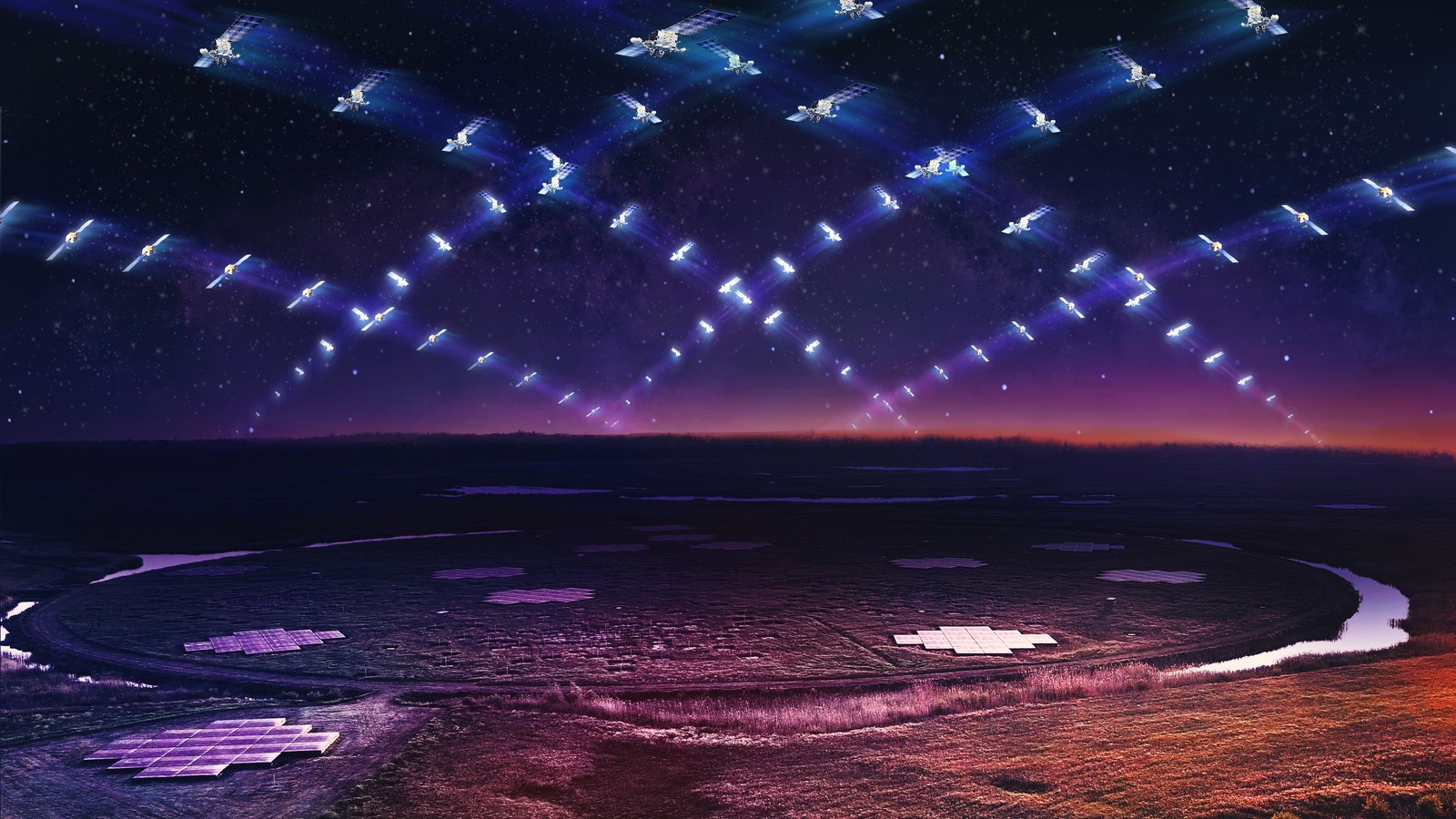
Astronomers have been raising this for years and are largely being talked past. Bright moving objects streak across long exposures, radio emissions interfere with radio telescopes, and the sheer number raises the odds of collisions that create debris which then threatens everything else. There is no international body with the authority to say no.
None of that means the technology is bad. A message from a hillside that reaches a rescue team is worth a great deal. But it is worth knowing that the convenience of a text with no bars is being paid for partly in dark skies, and that nobody asked the people who use them.
Quick answers
A handset that connects directly to a satellite rather than to a mobile mast, so it works where there is no network at all. Traditional models from Iridium, Inmarsat, Thuraya and Globalstar cost roughly as much as a good laptop and are billed by the minute. Most modern smartphones now include a limited version of the same idea for text messages.
Not into a true satellite phone, and no adapter or app will do it. But if your phone is reasonably recent, it may already be able to send messages by satellite without any extra hardware. Check your settings for a satellite entry, and check whether your mobile network has switched the service on.
It depends on whether you need voice or just a message. If you need to speak to someone from a remote place, or you are responsible for other people's safety, a dedicated satellite phone or messenger is worth it. If you only want to send word that you are safe or in trouble, your existing phone may already cover you at no cost.
Yes. They are sold openly in most countries, and there is no licence needed to buy one in the UK. The main barriers are price and airtime cost rather than permission. A satellite messenger is the cheaper route for occasional use.
In most countries yes, but a number restrict or ban them, including India, China, North Korea, Cuba, Myanmar, Bangladesh, Chad, Libya, Nigeria, Russia, Sudan and Vietnam at various times. The list changes, so check with the embassy of the country you are visiting before travelling with one.
On iPhone, Apple has provided its satellite features without charging for them. On Android it depends entirely on your mobile network, which may include it, sell it as an add-on, or not offer it at all. Starlink's direct-to-cell service arrives as a monthly add-on to an existing plan.
Yes, and this is not a small detail. The satellite is hundreds of kilometres away and the signal is weak, so it will not work indoors, in a car, under dense tree cover or in a narrow valley. You need to be outside with sky above you, and you usually need to hold the phone still while it sends.
A service where SpaceX's satellites act like a mobile mast in the sky, so an ordinary unmodified phone can use them. It launched with T-Mobile in the United States and carries texts, voice chat through apps, some low-bandwidth apps and emergency calls, rather than full internet access.
Amazon's satellite arm, previously known as Project Kuiper. It already runs a broadband constellation, and in July 2026 it applied to launch a separate constellation of 5,105 satellites that would talk directly to ordinary phones from early 2028, using spectrum from Globalstar, the company Amazon has agreed to buy.
No, and it is not trying to. A satellite link carries a tiny fraction of the data a mast does, and it needs open sky. It fills the gaps where no network reaches, which is a large part of the planet's surface but a small part of where people spend their time.
Sources
- The filing: SpaceNews, 27 July 2026, on Amazon’s FCC application for 5,105 direct-to-device satellites, the 1.6 and 2.4 gigahertz Globalstar spectrum, the orbital altitudes and lifetimes, the eleven billion dollar Globalstar acquisition agreed in April and expected to close in 2027, and the long-term agreement with Apple covering iPhone and Apple Watch satellite services.
- Timing and the competitive picture: New Atlas, 28 July 2026, for the early 2028 target, Amazon’s existing broadband constellation, and what Starlink’s direct-to-cell service with T-Mobile currently carries.
- What owners report: public discussion threads from Samsung and SpaceX communities.
- Images: the Globalstar GSP-1600 photograph by Statikuz via Wikimedia Commons, CC BY-SA 4.0, cropped. The Iridium Extreme photograph by Tony Webster via Wikimedia Commons, CC BY-SA 2.0, cropped. The two constellation images are artist’s impressions rather than photographs: low Earth orbit by NOIRLab/NSF/AURA/P. Marenfeld, CC BY 4.0. Satellite trails above the LOFAR telescope by Daniëlle Futselaar, CC BY 4.0, cropped.
About Hardvance Team
The Hardvance Team is the editorial team at Hardvance, a UK computer and electronics retailer based in Mildenhall, Suffolk. We build and upgrade PCs and sell laptops, phones, networking gear, monitors and printers, and our guides cover the same ground. Every guide names its sources and explains how we checked the figures, and we say plainly when something is our opinion rather than a tested result.
View all posts by Hardvance Team