Never in a Checked Bag: Power Bank on a Plane Rules for 2026, the Two-Pack Limit and Airlines
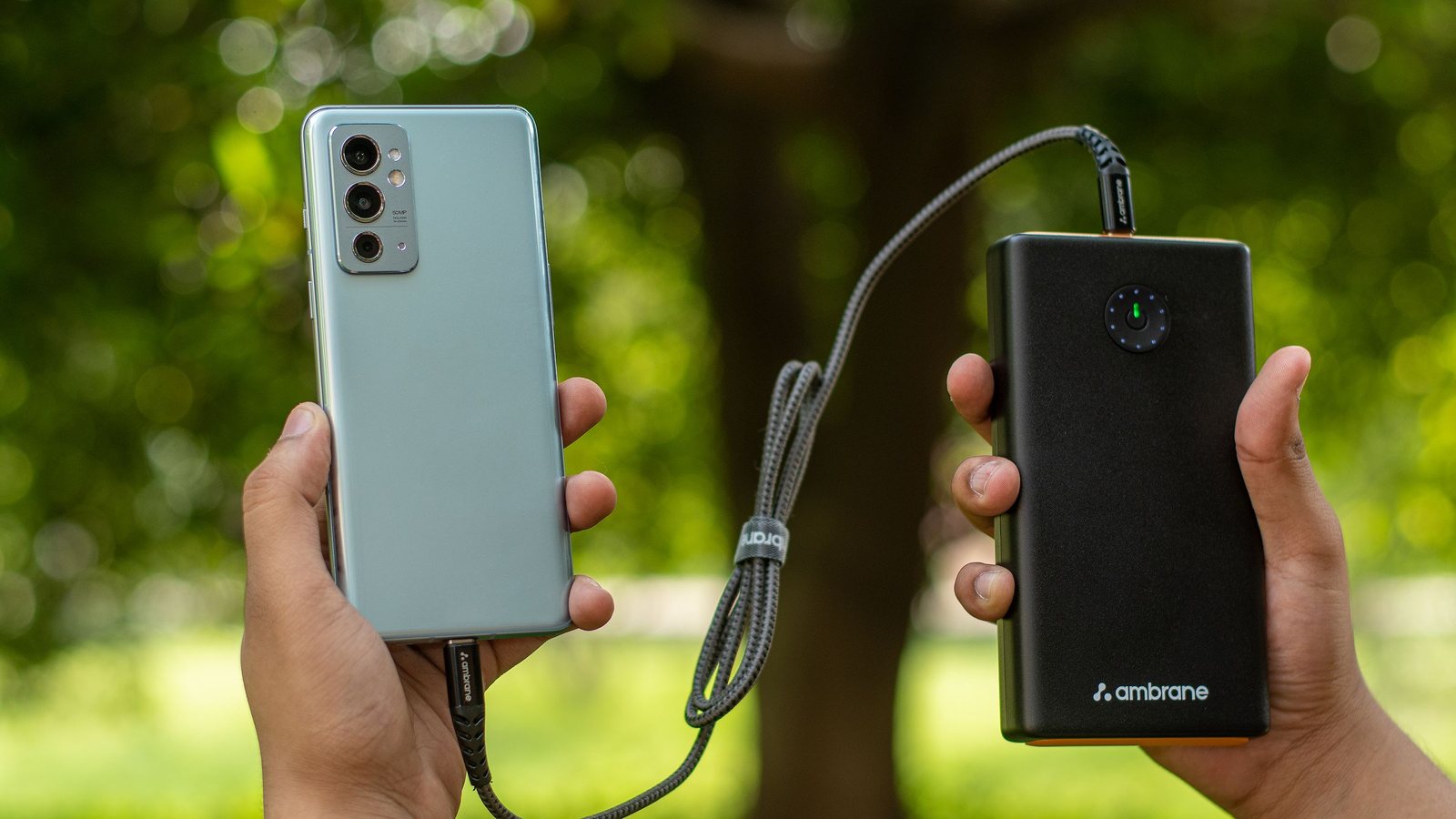
Yes, you can take a power bank on a plane, but only in your hand luggage, never in a checked bag. Since 27 March 2026 the international rules also limit you to two power banks and ban recharging one on board. They say you should not use one to charge your phone, and most of the airlines in our table now forbid it outright. Up to 100Wh needs no approval. That covers a 10,000mAh or 20,000mAh pack easily. From 100Wh to 160Wh you need your airline's approval, and several airlines refuse anything over 100Wh. The airline-by-airline details are below, so you can check yours in a minute.
What do you need to know?
- Is my power bank allowed?Find the Wh figure on the label. A 20,000mAh pack is about 74Wh. mAh to Wh
- I fly easyJet, Ryanair, BA or Jet2They differ on how many, how big and whether you can use it. Airline tables
- I want to charge my phone in flightRyanair allows it outside taxi, take-off and landing. Most others do not. Using one on board
- Mine is 30,000mAh or biggerThat is about 111Wh, over the line on BA, Ryanair, Wizz Air and Emirates. The 100Wh line
- I was going to pack it in my suitcaseDon't. It has to travel in the cabin with you. Hand luggage only
- I am flying in the USTSA and FAA rules, plus American and Southwest. US rules
Airlines change these rules often, so check your airline's page in the week you fly. If you are still choosing one, our best power bank guide compares eight that all fit under 100Wh.
- Are power banks allowed in flight? The 2026 rules for power banks and portable chargers
- Power bank in hand luggage only, never in checked luggage
- Can you use a power bank on a plane to charge your phone?
- Power bank rules by airline: easyJet, Ryanair, British Airways, Jet2, Wizz Air, Virgin Atlantic and Emirates
- What size power bank can you take on a plane? The 100Wh line
- mAh to Wh: is a 20,000mAh power bank allowed in flight?
- How many power banks can you take on a plane?
- Where to keep a power bank on a plane (not the overhead locker)
- Why the power bank rules on planes got stricter: fires, diversions and the Malpensa evacuation
- Can you bring a portable charger on a plane in the US? TSA power bank rules and "TSA approved"
- Can you take a portable charger on a plane through security? Labels and what gets checked
- Power bank on a plane: the check before you fly
- Quick answers
Are power banks allowed in flight? The 2026 rules for power banks and portable chargers
Yes. To an airline, a power bank, a portable charger and a battery pack are the same thing: a spare lithium battery whose job is to charge something else. Emirates puts it this way: a portable, rechargeable device “primarily designed to provide power to other electronic devices”. So whatever you call yours, the rules below apply.
The rules start with the International Civil Aviation Organisation (ICAO), the UN body that writes the dangerous goods instructions airlines follow. It added rules just for power banks, and the UK Civil Aviation Authority (CAA) lists them as in force from 27 March 2026. The CAA lists the rules like this. Power banks:
- must be carried in carry-on baggage
- must be individually protected when not in use (in the original packaging, with tape over bare terminals, or each in its own plastic bag or pouch)
- must not be recharged on board the aircraft
- should not be used to charge other portable electronic devices on board
- are limited to a maximum of two per person
The size limit sits on top of that. A lithium-ion power bank up to 100Wh needs no approval. From 100Wh up to 160Wh, ICAO allows it only with your airline’s approval. Above 160Wh, the passenger rules do not allow it at all, and Virgin Atlantic says so plainly on its page.
Look closely at one word. Recharging the power bank “must not” happen. Using it to charge your phone “should not” happen. That softer wording leaves the final call to each airline, and they have not all made the same call. So the full reply to “are power banks allowed in flight?” has two parts: yes, and then whatever your airline adds. The airline tables show what that means for your trip.
Power bank in hand luggage only, never in checked luggage
This is the one rule every regulator and airline agrees on. Your power bank goes in your cabin bag or your pocket. It never goes in a suitcase you check in.
The reason is simple. If a battery overheats in the cabin, someone sees it and the crew can deal with it. In the hold, nobody can reach it. Giuseppe Capanna, a product safety engineer at the charity Electrical Safety First, told the BBC: “When these products are packed in your baggage, there is no access to them. So if something goes wrong, they can cause a really devastating fire that can have real dangerous consequences.”
People still get this wrong, and more often than before. The BBC reported on 26 June 2026 that 316 cases of lithium battery devices found in hold bags were reported to UK authorities in 2024, and 643 in 2025.
Packing one in the hold can also wreck your trip. In May 2026, easyJet flight EZY2618 from Hurghada to London Luton diverted to Rome after a passenger told the crew there was a power bank in the hold, the BBC reported. Passengers stayed overnight and flew on the next day. The BBC said it understood there was no problem with the power bank itself. Jonathan Nicholson of the CAA told the BBC: “I wouldn’t want to be the passenger who packed it in the wrong place and ended up with all the other passengers in the wrong city because the flight was diverted.”
Watch out at the gate. If your cabin bag is taken off you at the gate and put in the hold, take the power bank out first and keep it with you. British Airways and the US Federal Aviation Administration (FAA) both say this.
A laptop is treated differently. ICAO says devices should travel in the cabin, and if one does go in a checked bag, it must be switched off completely, not asleep. The CAA’s summer reminder was to turn laptops off completely before they go in the hold.
Can you use a power bank on a plane to charge your phone?
It depends on your airline. Two things are true everywhere, though.
- You cannot charge the power bank itself on board. Not from the seat socket, not from another power bank. Every airline in our table says this or bans using power banks at all.
- The international rule says you should not charge your phone from it either. Airlines decide how strictly to apply that.
Here is where the airlines in our table landed, in their own words:
- Ryanair allows it. “Power banks may be used to charge personal electronic devices, except during taxi, take-off, and landing, or when instructed otherwise by the crew.”
- easyJet does not. “Power banks are prohibited from use on easyJet aircraft and must not be used to charge other devices.”
- Jet2 does not. Power banks must “not be used to charge or power any device when onboard”.
- Wizz Air does not. Its page says power banks are not to be used during any phase of the flight.
- Virgin Atlantic does not. “Power banks cannot be used to charge other devices while onboard.”
- Emirates does not. It banned using power banks on board from 1 October 2025.
- British Airways does not say. Its page covers how many, how big and where to keep them, and says seat power is for your devices, not for power banks. It says nothing either way about charging your phone from one. Ask BA or the cabin crew before you plug in.
So what do you do on a long flight? Charge your phone and your power bank before you board. That is the CAA’s advice too. If your seat has a working socket, you can charge your phone from it. You can never charge a power bank from it.
Don’t count on the socket, though. In a thread on r/BritishAirways, several people said seat power was missing, too weak or not working on their flights. One wrote: “Twice the seat power didn’t work, and on three flights there was no seat power at all.” If your phone charges slowly even on the ground, our guide to a phone that is not charging or charging slowly covers the cable and the port.
The CAA gave the reason in plain terms. Nicholson told the BBC: “absolutely do not charge the power bank itself because that’s when they become really hot and most susceptible to having an issue.”
Power bank rules by airline: easyJet, Ryanair, British Airways, Jet2, Wizz Air, Virgin Atlantic and Emirates
All these airlines follow the international rules above, and most add their own. Here is how many you can take, and how big, as of September 2026.
| Airline | Power banks | Largest allowed |
|---|---|---|
| easyJet | 2 | 160Wh. The page names no approval step. |
| Ryanair | 2, within 20 spare batteries in total | 100Wh |
| British Airways | 2, within 4 spare batteries in total | 100Wh |
| Jet2 | 2 | 160Wh. Jet2 approves 100Wh to 160Wh automatically. |
| Wizz Air | 1, within 20 spare batteries in total | 100Wh |
| Virgin Atlantic | 2 | 160Wh, with Virgin’s approval above 100Wh |
| Emirates | 1 | Under 100Wh |
And here is whether you can use it, and where it has to sit.
| Airline | Charge your phone from it? | Where it goes on board |
|---|---|---|
| easyJet | No | Cabin baggage only. easyJet recommends keeping it on you. |
| Ryanair | Yes, except taxi, take-off and landing | On you or in the bag under the seat. Not in the overhead locker. |
| British Airways | Not stated | Seat pocket or a bag under the seat in front |
| Jet2 | No | In hand luggage placed under your seat |
| Wizz Air | No | Under the seat in front or in the seat pocket. Not overhead. |
| Virgin Atlantic | No | Somewhere you can reach. Not in the overhead locker. |
| Emirates | No | Seat pocket or a bag under the seat in front. Not overhead. |
None of them lets you recharge the power bank on board. Dates worth knowing: Virgin Atlantic’s page is dated 27 July 2026, Emirates’ rules took effect on 1 October 2025, and Jet2 repeated its rules in a news release on 26 August 2026.
easyJet power bank rules
easyJet’s dangerous goods page says: “Power banks are accepted on easyJet aircraft with a Wh rating not exceeding 160Wh for lithium batteries.” It sets a maximum of two per customer, each individually protected, “i.e. placing in original retail packaging or a plastic bag”. They must travel in cabin baggage, and easyJet recommends carrying them “where they can be monitored i.e. on your person”. Using them on board is banned. The page states no approval step for a power bank over 100Wh, so if yours is that big, confirm with easyJet before you fly.
Ryanair power bank rules
Ryanair is strict on size and relaxed on use. Power banks must “not exceed 100Wh under any circumstances”, and you can carry two within an overall limit of 20 spare batteries. They must be on you or in the under-seat bag, never in a bag in the overhead locker. You can charge your phone from one, except during taxi, take-off and landing or when the crew say otherwise. You cannot recharge the power bank at any time on board.
British Airways power bank rules
BA allows up to two power banks, each no bigger than 100Wh, and they “must display capacity rating information”. They go in the seat pocket or in a bag under the seat in front. BA also caps spare batteries at four per person, of which up to two can be power banks. Some guides still say BA accepts power banks from 101Wh to 160Wh with approval. BA’s page no longer supports that: its approval form for batteries between 100Wh and 160Wh states that “this form is not for power banks”.
Jet2 power bank rules
Jet2 allows two power banks of up to 160Wh each and gives “automatic operator approval” between 100Wh and 160Wh. They must go in hand luggage placed under your seat, must not be charged on board, and must not charge or power any device. Jet2 is firm about labels: a battery or power bank that doesn’t clearly state its watt-hour rating, or whose rating “cannot easily be otherwise ascertained”, is forbidden. In its August 2026 reminder, Jet2 also asked customers to make sure lithium battery items are turned off.
Wizz Air power bank rules
Wizz Air allows only one power bank, counted within a maximum of 20 spare batteries. Power banks over 100Wh are forbidden, and so is any power bank without clear Wh markings. You cannot use it or charge it in any phase of the flight, and it must sit under the seat in front or in the seat pocket, not overhead.
Virgin Atlantic power bank rules
Virgin Atlantic allows two power banks. Under 100Wh, which Virgin puts at “up to 27,000mAh”, no approval is needed. Between 100Wh and 160Wh, which Virgin puts at 27,000 to 43,000mAh, you need approval from its Customer Centre before you travel. Anything over 160Wh cannot fly. Virgin adds a practical test: power banks must fit inside its onboard Fire Containment Bag, which measures 37 × 28 × 10cm. They cannot be plugged into seat power or used to charge other devices.
Emirates power bank rules
Emirates allows one power bank “under 100 Watt Hours”, with its capacity rating shown. You cannot use it at all on board, and you cannot charge it from the aircraft’s power. It goes in the seat pocket or a bag under the seat in front. Emirates says it still offers in-seat charging on all its aircraft.
TUI and other airlines
TUI’s UK luggage guidelines page does not mention power banks specifically. The CAA rules in the first section are the baseline, so follow those and ask TUI if you plan to use one on board. The same goes for any airline not listed here. If you have a connection, check the rules of every airline you fly with.
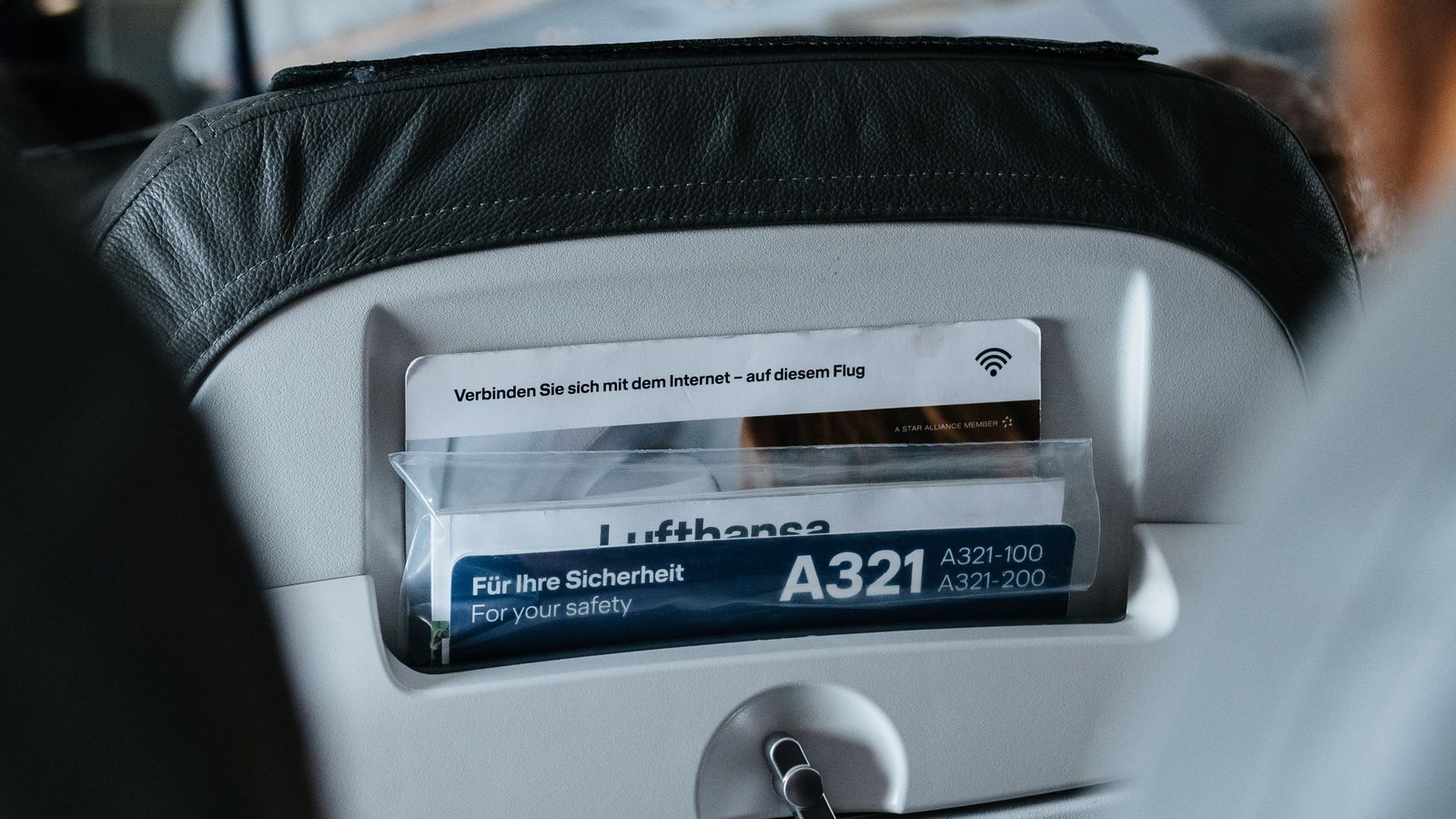
What size power bank can you take on a plane? The 100Wh line
Airlines measure a power bank in watt-hours (Wh). That is the energy it stores. They don’t use milliamp-hours (mAh), the number on the box, and they don’t use watts (W).
There are three bands to know:
- Up to 100Wh: allowed without approval under the international rules. At the usual 3.7V, any power bank of 20,000mAh or less falls in this band. The next section shows the maths.
- Over 100Wh, up to 160Wh: only with your airline’s approval, and BA, Ryanair, Wizz Air and Emirates don’t allow power banks this big at all. Jet2 approves them automatically. Virgin Atlantic needs you to ask first. easyJet’s page accepts up to 160Wh.
- Over 160Wh: not allowed in your luggage on a passenger flight. American Airlines, for example, bans large power banks and battery generators from brands including EcoFlow, Jackery and Bluetti in any bag.
Is a 100Wh power bank allowed? Under the international rules, yes. The limit is “not exceed” 100Wh, so exactly 100Wh is inside it. Emirates is the one to watch. Its wording is “under 100 Watt Hours”, so if your pack is rated exactly 100Wh, check with Emirates before you fly.
Don’t mix up W and Wh. A “100W” power bank is one that can put out 100 watts, enough to charge a laptop quickly. That says nothing about how much it stores. Our USB-C guide explains what the watts mean. Plenty of travellers mix these up. A September 2026 r/Ryanair thread asked about the “wattage” of power banks. In it, one commenter said security in Dublin would “read the lettering to check it’s within the 100W limit”, and another commenter pointed out that the limit is 100Wh, not 100W.
So where is the Wh figure? American Airlines says it is “usually printed on the back or base of the charger”. It matters more than it used to. BA and Emirates require the capacity to be shown, and Jet2 and Wizz Air refuse a power bank whose rating is unclear.
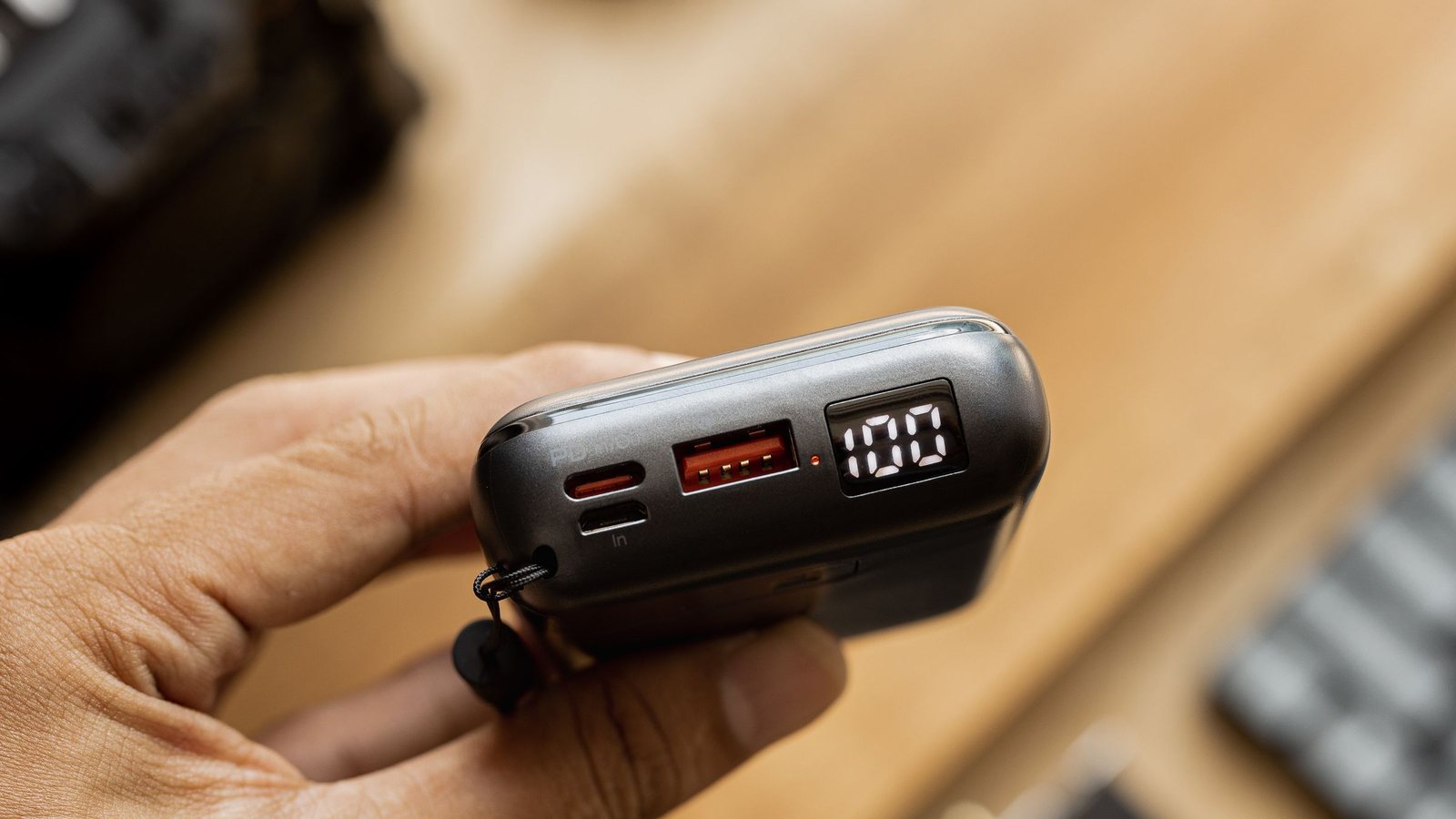
mAh to Wh: is a 20,000mAh power bank allowed in flight?
Yes. A 20,000mAh power bank is about 74Wh, well under the 100Wh line, so it is allowed on every airline in our table. Here is how to check any power bank.
Step 1: use the Wh figure printed on the pack. If it is there, that is the number that counts, and you can stop here.
Step 2: if only mAh is printed, convert it. The formula is:
Wh = mAh × volts ÷ 1,000
Use the battery’s voltage, not the 5V of the USB port. The FAA says to “multiply the battery voltage by the Amp hours”. American Airlines uses 3.7V in its own example: 10,000mAh × 3.7 ÷ 1,000 = 37Wh. Virgin Atlantic’s figure of 27,000mAh for 100Wh works out the same way. If your label shows a different voltage next to the mAh figure, use that voltage instead.
At 3.7V, common sizes work out like this:
| Capacity | Wh at 3.7V | On the seven airlines above |
|---|---|---|
| 5,000mAh | 18.5Wh | Allowed on all seven |
| 10,000mAh | 37Wh | Allowed on all seven |
| 20,000mAh | 74Wh | Allowed on all seven |
| 25,000mAh | 92.5Wh | Allowed on all seven |
| 27,000mAh | 99.9Wh | Allowed on all seven, just under 100Wh |
| 30,000mAh | 111Wh | Over 100Wh. Refused by BA, Ryanair, Wizz Air and Emirates. |
| 40,000mAh | 148Wh | Over 100Wh. Refused by BA, Ryanair, Wizz Air and Emirates. |
| 50,000mAh | 185Wh | Over 160Wh. Not allowed on any of them. |
For the 30,000mAh and 40,000mAh rows, your options are Jet2, which approves 100Wh to 160Wh automatically, Virgin Atlantic, with its approval first, and easyJet, whose page accepts up to 160Wh. Remember the limit is per power bank, and you still can’t use it on board on most of those flights.
Is 100Wh the same as 20,000mAh? No. At 3.7V, 100Wh is about 27,000mAh. A 20,000mAh pack stores about three quarters of that.
If you are buying a power bank for travel, pick one with the Wh rating printed clearly on the case. Our power bank range is a place to start.
How many power banks can you take on a plane?
Two per person under the international rules, in force since 27 March 2026. Some airlines allow fewer:
- One: Emirates and Wizz Air. In the US, Southwest has also allowed only one since 20 April 2026.
- Two: easyJet, Ryanair, British Airways, Jet2 and Virgin Atlantic.
Power banks also count towards your total of spare batteries, such as camera batteries, on some airlines:
- British Airways: four spare batteries at most, of which up to two can be power banks.
- Ryanair: 20 spare batteries at most, including up to two power banks. Its own example is “2 power banks + 18 spare lithium batteries”.
- Wizz Air: 20 spare batteries at most, including one power bank.
- Virgin Atlantic: five spare batteries under 100Wh, with a maximum of two power banks.
Jet2 sets its power bank limit separately from its limit of 20 spare batteries. For batteries between 100Wh and 160Wh, ICAO allows no more than two per person, and only with your airline’s approval.
The limits are per person, so check them for everyone in your group.
Where to keep a power bank on a plane (not the overhead locker)
This rule comes from the airlines rather than from ICAO’s text, so the wording varies, but the direction is the same. Most of the airlines in our table now say your power bank must not sit in a bag in the overhead locker. It belongs in the seat pocket, in a bag under the seat in front, or on you.
The reason is that a fire in a closed overhead locker is hard to spot and hard to reach. The best-known case is Air Busan in January 2025. A fire started in the overhead compartment of an Airbus A321 at Gimhae airport in South Korea, and all 176 passengers were evacuated. South Korea’s transport ministry said in its interim findings that a faulty power bank was the likely cause, ABC News reported in March 2025. Several Asian airlines tightened their power bank rules after the fire, the same report said.
Passengers are hearing about it now. In a May 2026 r/BritishAirways thread, one traveller said a new line in the welcome announcement on a domestic flight “asked that no one keeps power banks or batteries in their bags in the overhead storage”. A reply pointed to ICAO’s March 2026 update, although ICAO’s text itself does not mention overhead lockers.
What to do on board:
- Take the power bank out of the bag you put overhead before you sit down.
- Put it in the seat pocket or your under-seat bag, or keep it on you. easyJet and Wizz Air both say to keep it where it can be monitored, on your person.
- On Virgin Atlantic, make sure it would fit the 37 × 28 × 10cm Fire Containment Bag the crew carry.
- If it gets hot, swells, smokes or smells, tell the crew straight away. The FAA asks passengers to do exactly that.
Leave the rest to the crew. David Wroth of the safety non-profit UL Standards & Engagement told a pilots’ safety forum in September 2026 that passengers who try to help, by throwing water or filming, “can easily make the situation worse”. Cabin crew are trained to put the fire out and cool the device.
A commenter on r/Ryanair who says they work as cabin crew put it this way: at least when power banks are not in the overhead lockers and are used only when the seatbelt sign is off, “we can do something abt it and rush in with extinguishers to your aid”.
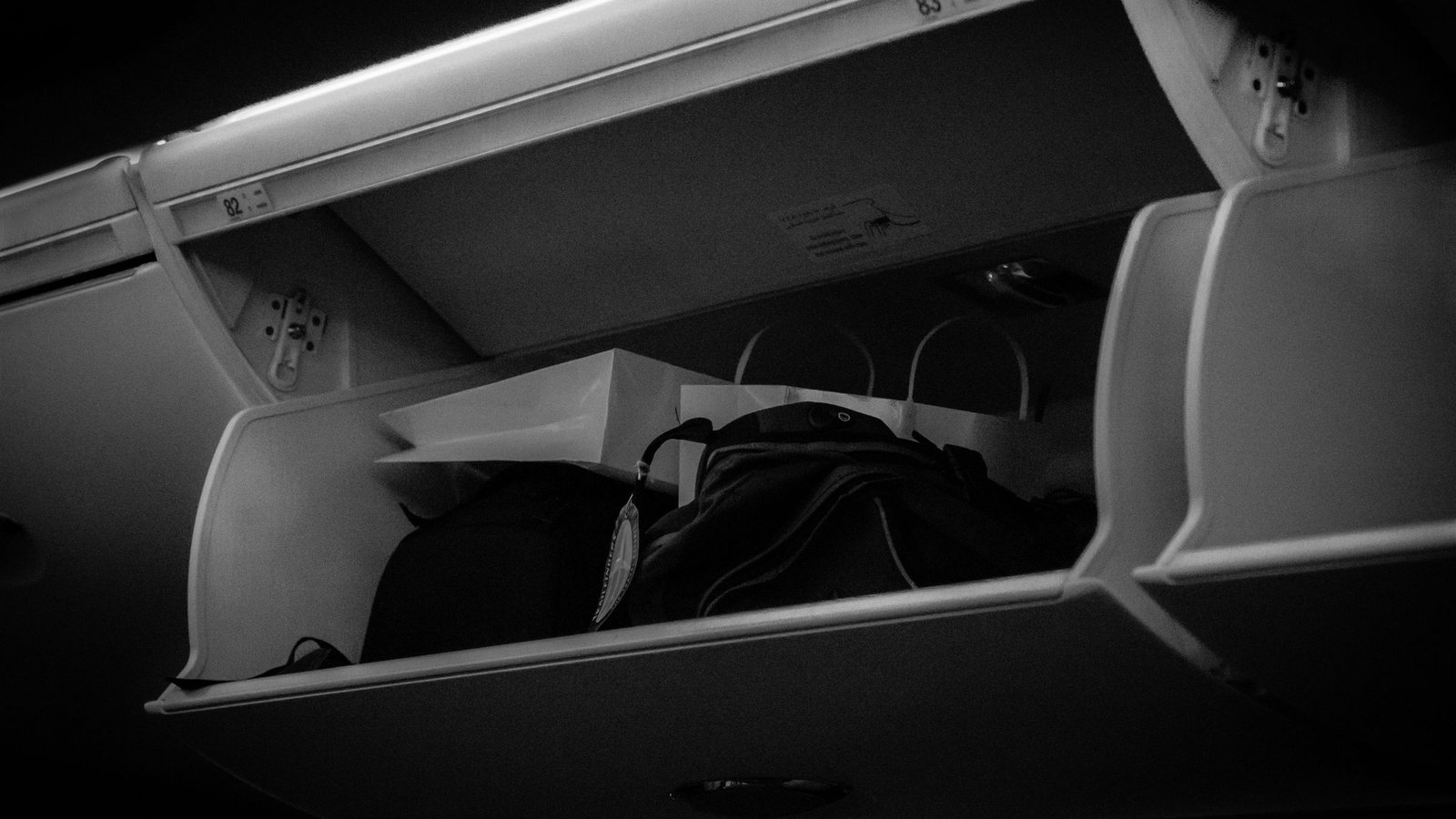
Why the power bank rules on planes got stricter: fires, diversions and the Malpensa evacuation
If the new rules feel fussy, the numbers explain them.
- UK figures. The fire risk from lithium batteries is now the number one safety risk to aircraft, according to the CAA, and reports of devices overheating or malfunctioning rose from 123 to 206 in a year. The CAA also says around two lithium battery incidents now happen each week, and the average passenger takes four lithium-powered devices on a flight.
- Worldwide figures. Aviation International News, republished by Leeham News on 16 September 2026, reported David Wroth of UL Standards & Engagement as saying that power banks were the top cause of battery overheating events on aircraft in 2025. He said about 90% happen in the cabin, and nearly one in five ends with a return to the gate, a diversion or an unplanned deplaning.
On Thursday 10 September 2026, easyJet flight U23905 from Milan Malpensa to Prague was still taxiing when crew spotted smoke in the cabin. All 146 passengers left the aircraft by the emergency slides, and two had minor injuries. Early findings pointed to a lithium power bank overheating in a trolley bag in an overhead locker, and that Italy’s air accident agency, ANSV, has opened a safety inquiry. Treat the cause as provisional until ANSV reports.
Then there are the diversions. The Rome diversion in May 2026 was over a power bank that had apparently done nothing wrong. It was simply in the wrong place.
Quality matters too. The CAA’s Nicholson told the BBC it is worth “getting the best power bank that you can afford in terms of the quality”, because “there are a lot of not so good products around”. Electrical Safety First’s Capanna said it was usually “substandard versions” bought through third-party sellers that caused problems. If your power bank is swollen, damaged or has no clear rating, don’t fly with it. Jet2 and British Airways both say damaged batteries are not allowed on board.
Can you bring a portable charger on a plane in the US? TSA power bank rules and “TSA approved”
Yes, in your carry-on only. The Transportation Security Administration (TSA) page for power banks says carry-on bags “Yes”, checked bags “No”, and that spare lithium batteries, “which include both power banks and phone chargers”, are prohibited in checked luggage. It adds that “the final decision rests with the TSA officer”.
The size limit comes from the FAA. Its PackSafe page, updated on 11 August 2026, limits lithium-ion batteries to 100Wh each. With airline approval, you can also carry up to two larger spare batteries between 101Wh and 160Wh. The FAA counts phone battery cases as spare batteries too. If your bag is checked at the gate, power banks come out and stay with you.
US airlines add their own rules, and they differ from the UK ones on use:
- American Airlines: two portable chargers, each up to 100Wh. Keep them “within reach and visible while in use”, store them under the seat or in the seatback pocket, and never in overhead bins. You can’t recharge them from seat power. ABC News reported the visibility rule started on 1 May 2026.
- Southwest: one power bank per customer since 20 April 2026, up to 100Wh. It must not go in the overhead bin, can’t be charged from in-seat power, and “when in use it must be visible”.
So on those two airlines you can use a power bank, as long as it is out in the open.
What “TSA approved” means
You will see power banks sold as “TSA approved”. The TSA page sets a packing rule. It does not list approved models or brands, and neither does the FAA page. In practice, “TSA approved” is the seller’s way of saying the pack is under 100Wh and fine in a carry-on bag. Check the Wh figure yourself.
The confusion is common. In an r/onebag thread, a traveller asked whether a power bank “advertised as TSA approved” really was. The first reply summed it up: “The limit is 100Wh, or 27,000mAh.”
Can you take a portable charger on a plane through security? Labels and what gets checked
Yes, in your hand luggage. Security staff and airline staff check different things, but a readable label helps with both.
Charge everything before you go. GOV.UK says to make sure your electronic devices are charged before you travel: “If your device does not switch on when requested, you will not be allowed to take it onto the aircraft.” TUI gives the same advice for anything in your hand luggage that can hold a charge.
A worn label is a risk. In a September 2026 thread on r/Ryanair, a traveller asked whether power banks with rubbed-off labels would be thrown out. The replies were split:
- Several people said their power banks had never been checked.
- One said their 25,000mAh pack “usually gets checked” at security while their 10,000mAh one never does. They guessed staff can judge the size on the scanner.
- Another said that in Dublin, their large power bank always sends the bag for inspection, and staff read the rating on it.
Those are individual experiences, not rules. The airline rules are clearer. Jet2 and Wizz Air forbid a power bank whose rating is unclear. BA and Emirates require the capacity to be shown. If your label has worn away, don’t count on getting it through.
Bring the paperwork if you have it. Jet2 says lithium batteries must meet the UN’s standard safety tests, known as UN 38.3. It recommends carrying the battery test summary from the maker, and says it “may be requested at the airport”.
Don’t try your luck on size. When someone asked on r/BritishAirways whether they could bring a 222Wh power bank, the replies said no, one with a link to BA’s page. At 222Wh it is over the 160Wh limit, so no airline in our table will take it.
Power bank on a plane: the check before you fly
- Find the Wh rating on the label. No Wh figure? Work it out: mAh × 3.7 ÷ 1,000, or use the voltage printed on the label.
- Check your airline’s limits for how many, how big and whether you can use it. The airline tables cover seven.
- Pack it in your hand luggage, protected: in its original packaging, with tape over any bare terminals, or in its own pouch.
- Charge it, and your phone, before you leave. You can’t recharge a power bank on board.
- On board, move it out of the overhead locker. Put it in the seat pocket, under the seat in front, or keep it on you.
- If your bag is taken at the gate, take the power bank out first.
- If it gets hot or swells, tell the crew straight away.
Quick answers
Up to 100Wh with no approval. That covers any 10,000mAh or 20,000mAh power bank. From 100Wh to 160Wh you need your airline's approval, and BA, Ryanair, Wizz Air and Emirates don't accept power banks over 100Wh at all. Over 160Wh, no airline in our table allows it.
Yes, and that is the only place they can go. Power banks are banned from checked luggage. Keep them individually protected, and on board, move them to the seat pocket, under the seat or your pocket rather than the overhead locker.
Yes. At 3.7V a 20,000mAh power bank is about 74Wh, under the 100Wh limit, so all seven airlines in our table accept it. You can take two on most airlines, or one on Emirates and Wizz Air.
It depends on the airline. At 3.7V, 30,000mAh is about 111Wh, which is over 100Wh. BA, Ryanair, Wizz Air and Emirates refuse power banks that size. Jet2 approves 100Wh to 160Wh automatically, Virgin Atlantic needs you to get approval first, and easyJet's page accepts up to 160Wh. Check the Wh figure on your label, because the real number may differ.
Any power bank over 160Wh, any over 100Wh without your airline's approval, and damaged ones. Jet2 and Wizz Air also refuse power banks without a clear Wh rating. And you can't take more than two, or more than one on Emirates and Wizz Air.
On easyJet, Jet2, Wizz Air, Virgin Atlantic and Emirates, you would be breaking the airline's rules, because they ban using power banks on board. Ryanair lets you charge your phone from one, except during taxi, take-off and landing. BA's page doesn't say. Charging the power bank itself is banned on every airline we checked.
None of the seven airlines we checked bans carrying a power bank in the cabin. What they limit is size, number and use. Emirates and Wizz Air allow only one and ban using it on board, and easyJet, Jet2 and Virgin Atlantic ban using one to charge devices.
No. At 3.7V, 100Wh is about 27,000mAh, which is the figure Virgin Atlantic gives. A 20,000mAh power bank is about 74Wh.
About 37Wh, using the 3.7V figure American Airlines uses: 10,000 × 3.7 ÷ 1,000 = 37Wh. If your label prints a Wh figure, use that.
The TSA doesn't list approved models. Its rule is that power banks go in carry-on bags only, and the FAA limit is 100Wh per battery. If your power bank is 100Wh or less and travels in your carry-on, it meets those rules. Your airline may add more.
Two per person under the international rules. Emirates, Wizz Air and, in the US, Southwest allow one. BA also counts them in a limit of four spare batteries, and Ryanair and Wizz Air in a limit of 20.
Sources
- Technical Instructions for the Safe Transport of Dangerous Goods by Air, Doc 9284, 2025 to 2026 edition, Addendum No. 1, ICAO (PDF), for the power bank rules, the 100Wh and 160Wh limits and the switched-off rule for devices in checked bags.
- Changes to rules on the carriage of lithium cells, batteries and power banks, UK Civil Aviation Authority, for the 27 March 2026 date and the passenger rules as the CAA lists them.
- Hand luggage restrictions: electronic devices and electrical items, GOV.UK, for the charged-device rule.
- Dangerous goods, easyJet, for the 160Wh limit, the two power bank limit, protection, the ban on use and the advice to keep them on you.
- What items are permitted on board, Ryanair, for the 100Wh limit, the 20 spare battery total, the overhead locker ban and the rule on charging devices.
- Restricted and prohibited items, British Airways, for the power bank limits, seat power, storage, the gate bag rule, the four spare battery limit, damaged batteries and the approval form that “is not for power banks”.
- Restricted items, Jet2holidays, for Jet2.com’s power bank rules, automatic approval up to 160Wh, the unclear rating ban, the Wh formula and the UN 38.3 test summary.
- Jet2 issues important reminder to customers travelling with these items, Jet2, 26 August 2026, for storage under the seat, turning items off and the damaged battery rule.
- Restricted items on board, Wizz Air, for the one power bank limit, the 100Wh limit, the ban on use and storage.
- Power banks and spare batteries, Virgin Atlantic, 27 July 2026, for its limits, the mAh equivalents, approval and the Fire Containment Bag size.
- Emirates safety rules for customer usage of power banks onboard, Emirates, 30 September 2025, for the one power bank rule, the ban on use and the definition of a power bank.
- Luggage guidelines, TUI UK, for its charged-device advice. The page has no power bank section.
- Power banks, TSA, updated 14 May 2025, for the carry-on rule and the officer’s final decision.
- PackSafe: lithium batteries, FAA, updated 11 August 2026, for the 100Wh and 160Wh limits, phone battery cases, gate-checked bags, telling the crew and the Wh calculation.
- Restricted items, American Airlines, for its power bank rules, the 3.7V formula and the large power bank ban.
- American Airlines updates portable charger, battery policy, ABC News, 27 April 2026, for the 1 May 2026 start date.
- Travelling with lithium batteries, portable chargers and power banks, Southwest Airlines, for the one power bank rule from 20 April 2026 and the visible-in-use rule.
- Power banks and vapes now biggest fire risk on planes, BBC News, 26 June 2026, for the CAA figures and the Electrical Safety First quotes.
- Portable charger problems on flights ‘on the rise’, watchdog warns, BBC News, 25 May 2026, for the CAA’s Jonathan Nicholson quotes and the EZY2618 diversion.
- EasyJet flight diverts to Rome over power bank in luggage, BBC News, 25 May 2026, for the diversion details.
- Passengers evacuated after power bank fire scare on easyJet flight, Metro, 12 September 2026, for the Malpensa evacuation.
- Passengers evacuated from easyJet flight after powerbank catches fire, WalesOnline, 14 September 2026, for the early findings and the ANSV inquiry.
- 146 slide off easyJet flight after powerbank fire at Milan airport, Euro Weekly News, 12 September 2026, which also reports the overhead locker.
- Onboard battery events surging as power bank use grows, Aviation International News via Leeham News, 16 September 2026, for the UL Standards & Engagement figures and David Wroth’s quotes.
- Airlines change rules after South Korean plane fire, ABC News (Australia), 18 March 2025, for the Air Busan interim findings.
- Power banks forbidden in overhead storage, r/BritishAirways, May 2026, for the cabin announcement and the seat power replies.
- Does the wattage of power banks need to be visible, r/Ryanair, September 2026, for the worn label replies, the W and Wh mix-up and the cabin crew comment.
- Can we bring a power bank 222 watt hours, r/BritishAirways, for the 222Wh question.
- Powerbank advertised as TSA approved, but is it?, r/onebag, for the TSA approved question.
Photographs from Pexels: DEBRAJ ROY (top), Oleksiy Yeshtokyn, Kai Pilger, I’m Zion, Magda Ehlers and K. All cropped by us.
About Hardvance Team
The Hardvance Team is the editorial team at Hardvance, a UK computer and electronics retailer based in Mildenhall, Suffolk. We build and upgrade PCs and sell laptops, phones, networking gear, monitors and printers, and our guides cover the same ground. Every guide names its sources and explains how we checked the figures, and we say plainly when something is our opinion rather than a tested result.
View all posts by Hardvance Team