
Save £4.30
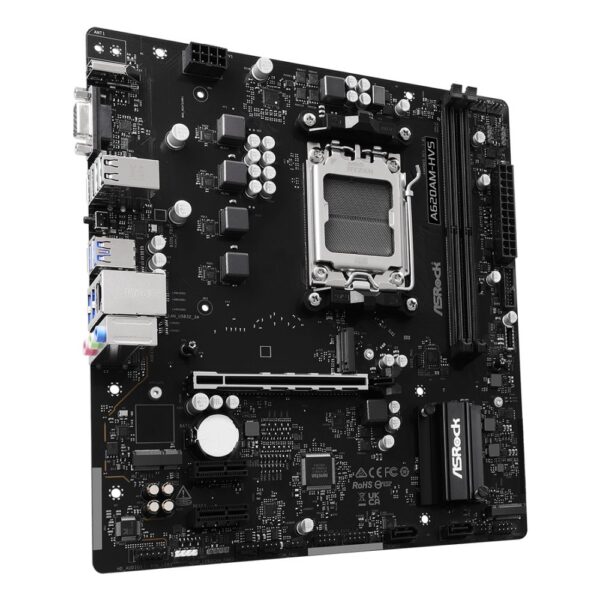
Asrock A620AM-HVS AM5 Micro ATX Motherboard
In stock
Original price was: £82.79.£78.49Current price is: £78.49.
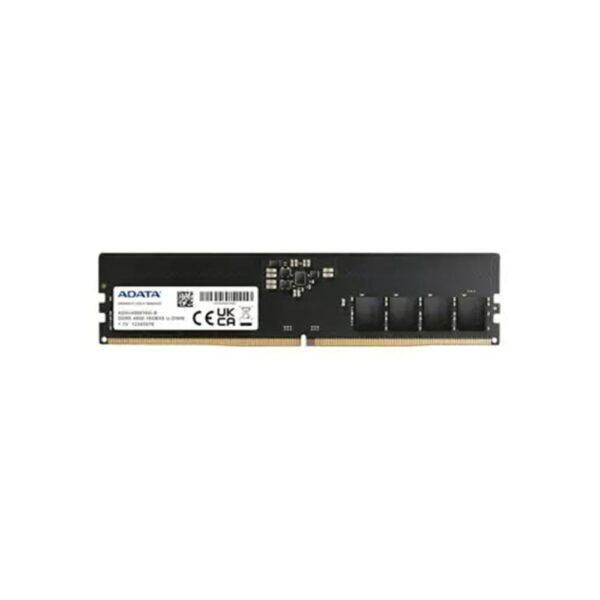
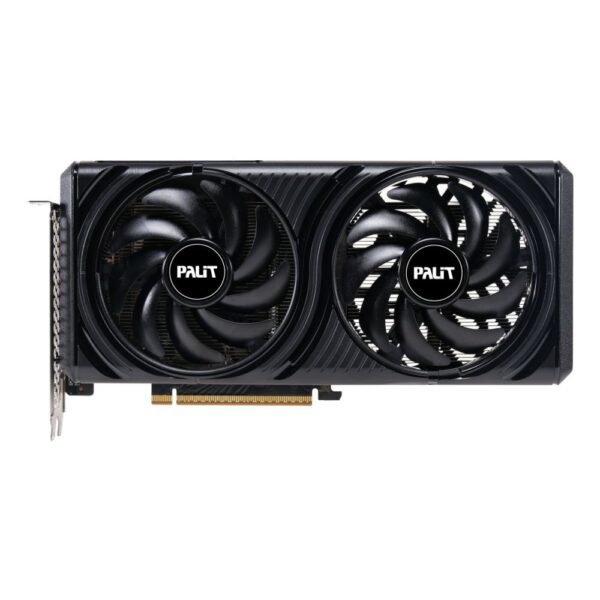
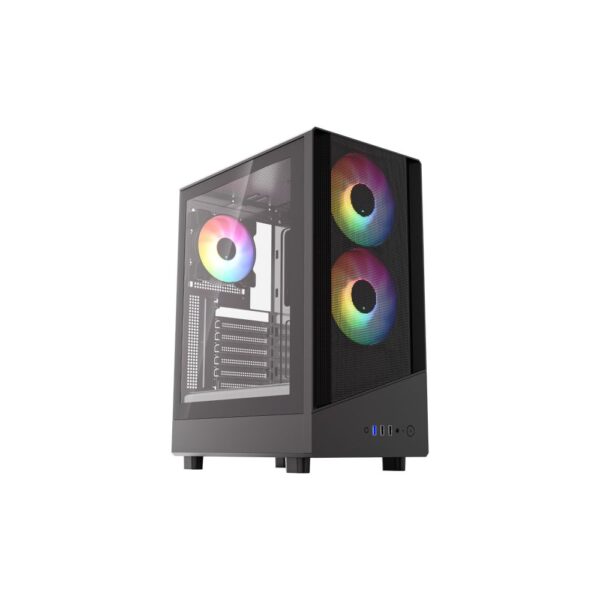
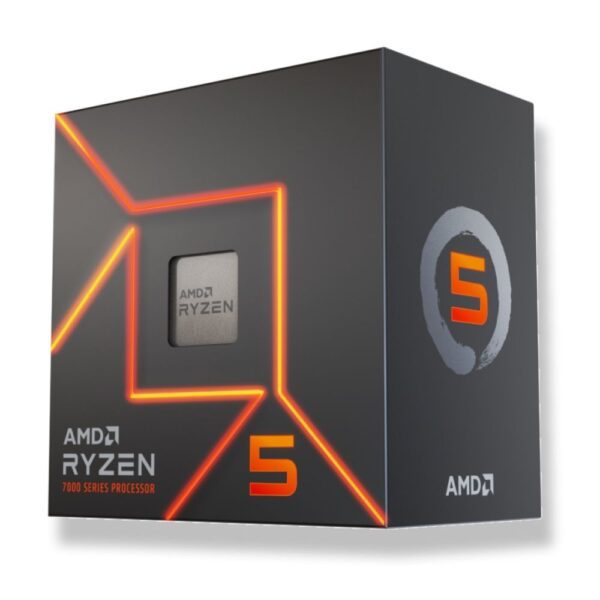
We priced the same machine again on 18 October 2026, at the cheapest in-stock UK prices on PriceSpy: £956.22 in parts, or £1,076.21 once you add a Windows licence, against £879 for a Steam Machine that arrives finished with an operating system on it. So the parts alone cost about £77 more than the console, and the working computer about £197 more. In July the parts still came in under it. The reason is the memory shortage: Valve set this price when it could, and RAM and SSD prices have kept climbing since.
Where you land depends on one question more than price:
Every price in the right column is the cheapest new, in-stock offer from a named UK retailer on PriceSpy on 18 October 2026, including VAT and before delivery. We picked the cheapest part in each category that beats or matches what is inside the Steam Machine, because that is the fair test.
| Part | Steam Machine, £879 | Built from parts, UK prices on 18 October 2026 |
|---|---|---|
| Processor | Semi-custom AMD Zen 4, 6 cores, 12 threads, 30W | Ryzen 5 7400, 6 cores, 12 threads, desktop: £119.99 at Scan |
| Motherboard | Built in | ASRock A620AM-HVS AM5: £68.20 at Box |
| Graphics | Semi-custom RDNA 3, 28 CUs, 8GB GDDR6, 110W | RTX 5060 8GB GDDR7 (Inno3D Twin X2 OC): £329.99 at Overclockers |
| Memory | 16GB DDR5, single channel | 16GB DDR5-5600 (Adata XPG Lancer Blade): £239.12 at Box |
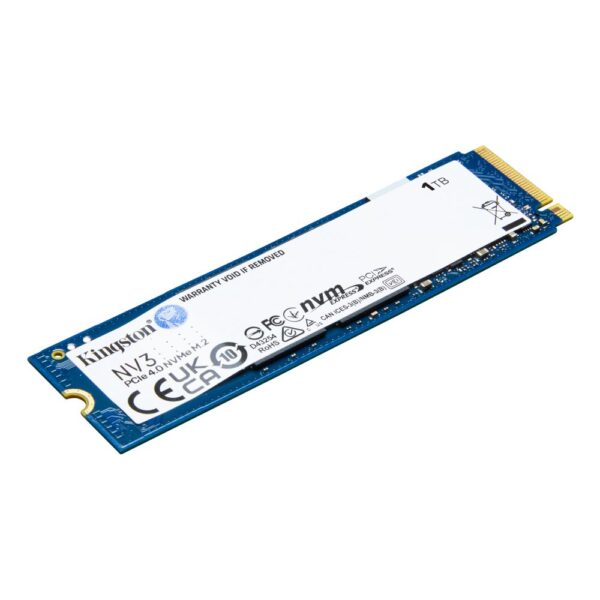
| Storage | 512GB M.2 2230 | 1TB M.2 NVMe, PCIe 4.0 (Kingston NV3): £129.98 at Scan |
| Case | Included, roughly a 5 litre cube | Micro ATX tower (Kolink Observatory HF Mesh): £23.99 at Overclockers |
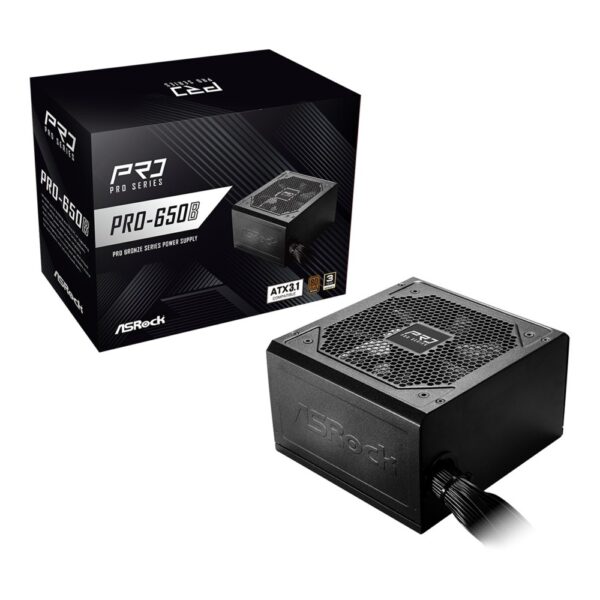
| Power supply | Internal | 650W 80 Plus Bronze (MSI MAG A650BN): £44.95 at Box |
| Operating system | SteamOS, free | Windows 11 Home: £119.99 at the Microsoft Store |
| Total | £879 | £956.22 in parts, £1,076.21 with Windows |
Read that table twice, because it does not say what people expect. The build still wins on raw hardware: a desktop Ryzen 5 instead of a 30W mobile-class chip, a desktop RTX 5060 instead of a part Valve compares to a laptop Radeon, and double the storage. But it now loses on price before you even add Windows: the parts alone cost more than the finished console, and the Steam Machine also comes with a case, a power supply, one warranty and an operating system that costs nothing.
The uncomfortable line in that table is the memory. The cheapest in-stock 16GB stick of DDR5 we could find on 18 October was £239.12, and PriceSpy marks its three-month price trend as rising. The single biggest reason building no longer undercuts a console is sitting in that one row.
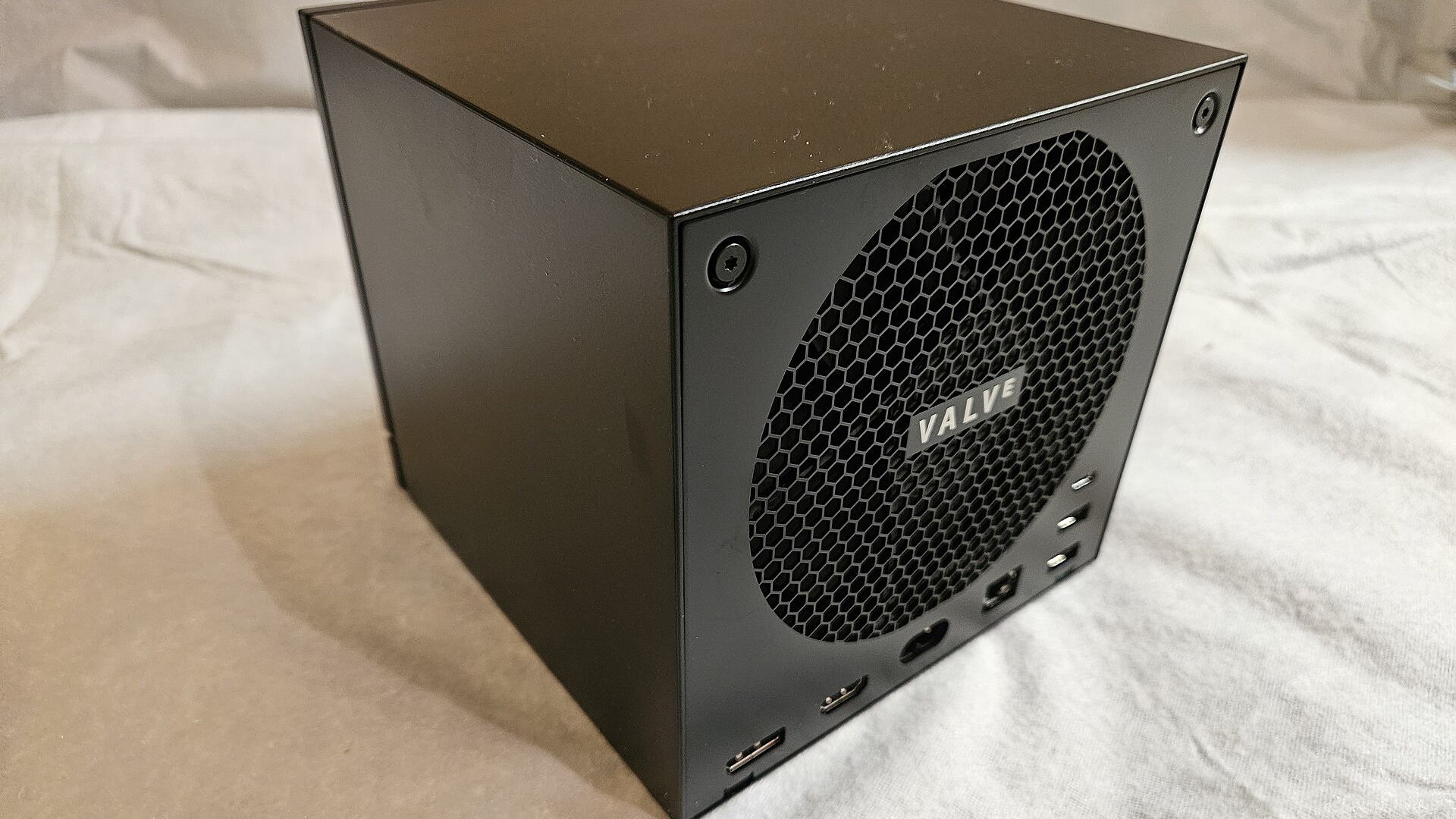
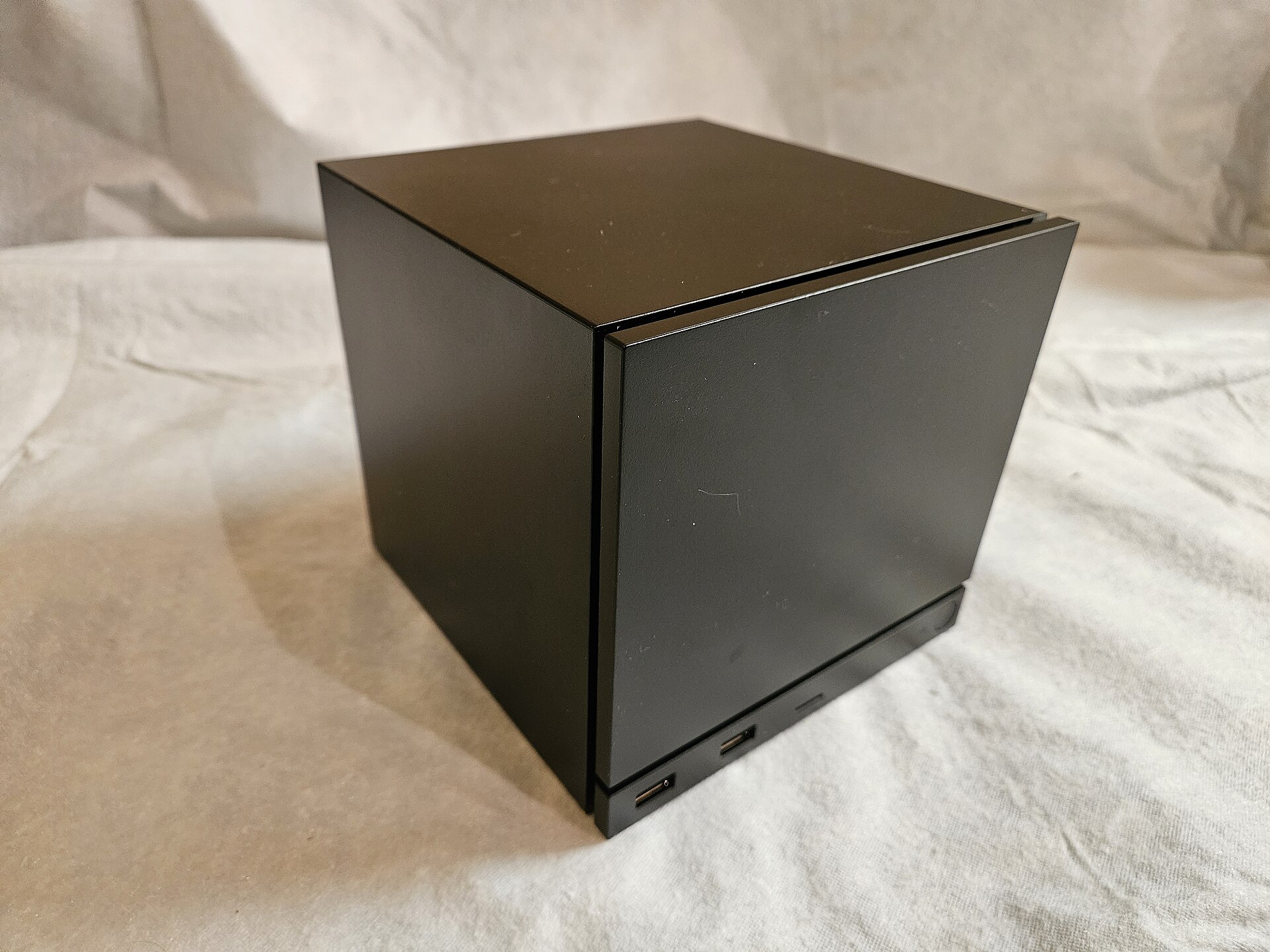
Valve does not publish part numbers, but the specification is public and it is more modest than the price suggests.
The Steam Machine went on sale on 29 June 2026, so the release date question is settled: it is out now, in the UK at £879. Valve does not simply put it on a shelf, though, which is the part that catches people out. Access runs through a randomised waitlist, so ordering is closer to entering a queue than clicking buy.
The processor is a semi-custom AMD Zen 4 with six cores and twelve threads, boosting to 4.8GHz inside a 30W power budget. Valve compares it to a Ryzen 5 7540U, which is a thin-and-light laptop chip. The graphics side is a semi-custom RDNA 3 part with 28 compute units at up to 2.45GHz, 110W, and its own 8GB of GDDR6, compared by Valve to a Radeon RX 7600M. Again: a laptop class.
Memory is 16GB of DDR5 running single channel, in two SO-DIMM slots. Storage is 512GB or 2TB on an M.2 2230 card, and there is a spare M.2 2280 slot and a microSD reader. Output is HDMI and DisplayPort, up to 4K.
That last paragraph matters more than it looks. This is not a sealed console. Two memory slots and a free full-length M.2 slot mean the two things most likely to annoy you, capacity and single-channel memory, are both fixable by the owner. A 1TB NVMe drive or a 512GB microSD card goes in without voiding anything.
One note on performance claims. Valve originally said the machine would do 4K at 60fps with FSR and ray tracing enabled, and called it six times more powerful than a Steam Deck. Shortly before release that line was quietly softened to “up to 4K gaming with FSR 4.1”. Treat 4K60 as a best case in friendly titles, not a floor.
This is the part of the story that explains the whole article, and it is not really about Valve.
Reporting on the launch says Valve’s internal target for this machine was closer to $750, and that the global memory shortage pushed the final figure past $1,000, a rise of roughly 30 per cent before anyone bought one. Valve has also said the price sits close to what the components cost it, which is not something hardware companies usually admit.
Then there is the quote that should shape your buying decision. Asked about the memory market, Valve hardware engineer Yazan Aldehayyat said, “Honestly, it’s getting worse.” Valve’s reading is that retail pricing lags actual supply by at least three to six months, and its engineers do not expect memory prices to fall before the end of the year at the earliest.
You can see the same force in our own shelves. Even DDR4, the older and cheaper standard, costs far more than anyone who built a PC in 2023 remembers, and we are not marking it up unusually: that is what memory costs now. We wrote about the underlying cause in our piece on why RAM and SSD prices keep climbing.
Our reading is that the Steam Machine is priced like a machine designed in a cheaper world and sold in this one. That is precisely why the build comparison now goes the console’s way. Valve locked its price in; component buyers pay today’s.
If you skim one section, make it this one, because it overrides everything above for a lot of buyers.
The Steam Machine runs SteamOS, which is Linux. Most single-player games work through Proton, often flawlessly. Competitive multiplayer is a different story, because the big shooters use kernel-level anti-cheat, which runs at ring 0 inside Windows and cannot be reproduced by a translation layer.
In practice that means the following do not work: Fortnite, where Easy Anti-Cheat has a Linux path but Epic has chosen not to enable it. Call of Duty, because RICOCHET blocks it, which covers Black Ops 6 and 7, Modern Warfare and Warzone. Battlefield 6 and Battlefield 2042, plus EA Sports titles including FC 26, Madden and F1, all of which use EA Javelin. Valorant, Destiny 2, Rust and Escape from Tarkov are in the same position.
This is not a bug Valve can patch. The publishers would have to enable Linux support, and the commercial case is thin while Linux is around 1.5 per cent of Steam users against more than 96 per cent on Windows. The Steam Deck has had the same problem for four years and it has not moved.
So the decision rule is simple. Open your Steam library, look at what you have actually played in the last three months, and check it. If any of the above is on that list, the £879 question never arises, because a Windows machine is the only answer.
Three cases, and they are all real.
You want more frames and can spend a little more. Our costed build puts a desktop RTX 5060 and a desktop Ryzen 5 in the box. Both have far more thermal headroom than a 30W chip and a 110W mobile-class GPU in a five litre cube. If your target is high refresh at 1440p rather than a controller on a sofa, the tower will do it and the cube will not.
You already own the expensive bits. This is the one that flips the maths hardest. If you have a working PC with a case, power supply, drive and Windows licence already, then upgrading is a graphics card and possibly a processor, about £330 and £120 at October prices, not £879. Nobody who owns a five-year-old tower should be reading a console comparison; they should be reading our components guide.
You need Windows anyway. For work software, for Game Pass, for anti-cheat titles, for VR beyond Valve’s own ecosystem. Buying the Steam Machine and then wishing it ran Windows is the most expensive mistake available here.
And the case against building, stated fairly: our column above is seven boxes, an afternoon, a Windows install, driver hunting and no single warranty. If none of that sounds like fun, the Steam Machine is now the cheaper way in as well as the simpler one. Our building guide is upfront about the time it takes.
The machine has been out since the end of June, so there is real owner feedback.
An overheating warning that fires too early. The single most upvoted Steam Machine thread on r/pcmasterrace, with over four thousand points, covers Valve confirming that the red warning light appears sooner than it should. A BIOS update is on the way that raises the warning threshold to 100 degrees. Worth knowing so you do not panic, and worth knowing that Valve responded quickly.
At least one hardware failure. A separate thread with over a thousand points documents a unit showing what owners have already nicknamed the Red Line of Death twenty minutes in, apparently a graphics failure. One unit is not a pattern, and any new hardware has early casualties, but it is on the record.
Valve appears happy. Another well-read thread reports that a month after launch Valve reportedly sees the Steam Machine as a success.
And builders are answering it with builds. r/buildapc is full of threads asking whether a small-form-factor build can beat it, including people specifically asking for UK parts lists. On r/pcmasterrace one of the most popular posts of the month is simply someone’s home-built answer to it. The comparison in this article is a question thousands of people are asking each other right now, which is part of why we costed it properly.
The mood in those threads is worth reporting too, because it is not really about Valve. The most upvoted sentiment we found was someone saying the list of PC things they cannot even get excited about any more keeps growing, because of cost. That is the 2026 hardware market in one sentence.
Normally we tell people to wait. New hardware gets cheaper, and impatience is expensive. Here the advice inverts.
On buying one: there is no conventional pre order. Valve allocates units through a randomised waitlist, and stock has been arriving in waves since launch. That matters for this decision, because you cannot simply wait for a sale that may never come and then buy on impulse, and you cannot jump a queue by paying more.
Valve has said the Steam Machine’s price is close to its component cost, and its own engineer says the memory market is still getting worse rather than better. Valve’s stated view is that retail memory pricing lags supply by three to six months and will not improve before the end of the year. If that holds, once current stock sells through the realistic options are a higher price or no machine, not a discount.
There is a precedent, and it is Valve’s own. In May the company raised Steam Deck prices by up to $300, taking the 512GB OLED model to $789. Independent analysis since then estimates weekly Steam Deck sales fell by about 82 per cent, with the handheld sliding from fourth or fifth in Steam’s weekly top sellers to around fourteenth by mid-July. That figure is an outside estimate, napkin maths in its author’s words, not a Valve number. But the direction is not in dispute, and it shows what happens when the price of a Valve machine moves.
The pressure has not stopped either. Valve’s VR headset launched on 14 September, and the Steam Frame price of £889 in the UK is higher than Valve planned, because, in its engineers’ own words, the RAM shortage moved the target.
So: if you want a Steam Machine and the anti-cheat list does not affect you, the case for buying at £879 is stronger today than the case for waiting. If you are on the fence, being on the fence is free, but do not expect the fence to get cheaper.
£879 in the UK for the 512GB model, which is $1,049 or €1,039. The 2TB version is $1,349 or €1,359. Bundles that include a Steam Controller cost roughly $79 more. Valve sells it through a randomised waitlist rather than open stock.
If you want a small, quiet, simple gaming box under a television and you do not play the big anti-cheat shooters, yes. On 18 October 2026 an equivalent build cost £956.22 in parts and £1,076.21 with a Windows licence at the cheapest in-stock UK prices, so at £879 with SteamOS included the Steam Machine is the cheaper option. If you play Fortnite, Call of Duty, Battlefield or EA Sports games, no, because those do not run on SteamOS at all.
Not on hardware. A build gets you a desktop processor and a desktop graphics card rather than the laptop-class parts Valve uses, plus double the storage. It is better on everything else: it is finished, it is tiny, it is quiet, it has one warranty, its operating system is free, and in October 2026 it is also cheaper than the parts. A build only comes out cheaper if you are upgrading a PC you already own.
Valve's comparisons point at a Ryzen 5 7540U class processor and a Radeon RX 7600M class graphics part, which is roughly current-console territory rather than beyond it. Valve initially advertised 4K60 with FSR and ray tracing, then softened that to "up to 4K gaming with FSR 4.1" shortly before launch, so treat 4K as a best case in well-optimised games.
Yes, within limits. SteamOS is Linux with a desktop mode, so browsing, media and Linux software all work. Windows applications do not, except through compatibility layers, and Windows-only games with kernel anti-cheat will not run at all. If you need Windows software, buy a Windows PC.
More than most people assume. There are two SO-DIMM memory slots and a spare M.2 2280 slot alongside the 2230 drive it ships with, plus a microSD reader. So storage and memory are both owner-upgradeable. The processor and graphics are soldered semi-custom parts and are not.
The memory shortage. Reporting on the launch says Valve's internal target was nearer $750, and that RAM and storage costs pushed the launch price about 30 per cent higher. Valve has said the price sits close to its component cost, and its hardware engineer described the memory market as "getting worse" in July, with no improvement expected before the end of the year.
By Valve's account, probably not soon. It says the price is close to component cost and that memory pricing is still rising, so once current stock clears the likelier outcomes are a price increase or a pause. Valve raised Steam Deck prices by up to $300 in May, so a rise is not hypothetical.
An equivalent build no longer fits in £879. On 18 October 2026 the cheapest in-stock UK parts that beat it, a Ryzen 5 7400, an A620 AM5 motherboard, 16GB of DDR5, a 1TB NVMe drive, an RTX 5060 8GB, a micro ATX case and a 650W 80 Plus Bronze power supply, came to £956.22. That is a faster processor and a faster graphics card than the Steam Machine has, with twice the storage, but you would also need a Windows licence at £119.99 and an afternoon to assemble it.
If the table sent you towards building, these are the equivalent parts.
In stock
The Hardvance Team is the editorial team at Hardvance, a UK computer and electronics retailer based in Mildenhall, Suffolk. We build and upgrade PCs and sell laptops, phones, networking gear, monitors and printers, and our guides cover the same ground. Every guide names its sources and explains how we checked the figures, and we say plainly when something is our opinion rather than a tested result.
View all posts by Hardvance Team


No account yet?
Create an Account