
If you only game, buy AMD: a Ryzen 7 9800X3D was 20% faster than Intel’s Core Ultra 5 250K Plus at 1080p in TechPowerUp’s testing, and nothing Intel sells catches the X3D chips. If you work on your PC as well as play, Intel is the better value right now: the Core Ultra 7 270K Plus beat every AMD chip except the Ryzen 9 9950X and 9950X3D in applications, for less money. The tie-breaker is the socket. AMD has promised to support AM5 until 2029, while Intel’s current LGA 1851 is being replaced by a new socket for its next chips.
Find your situation:
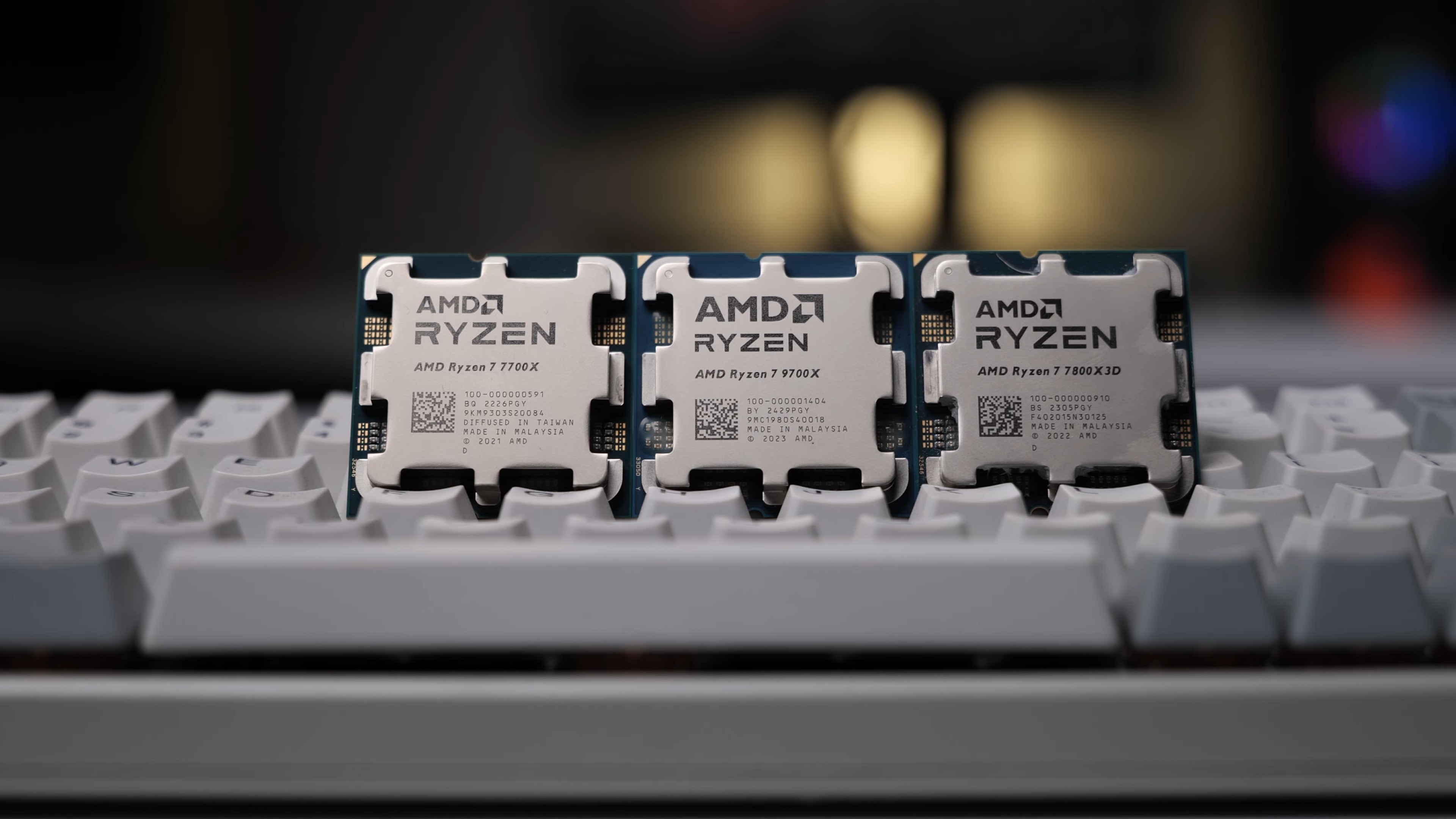
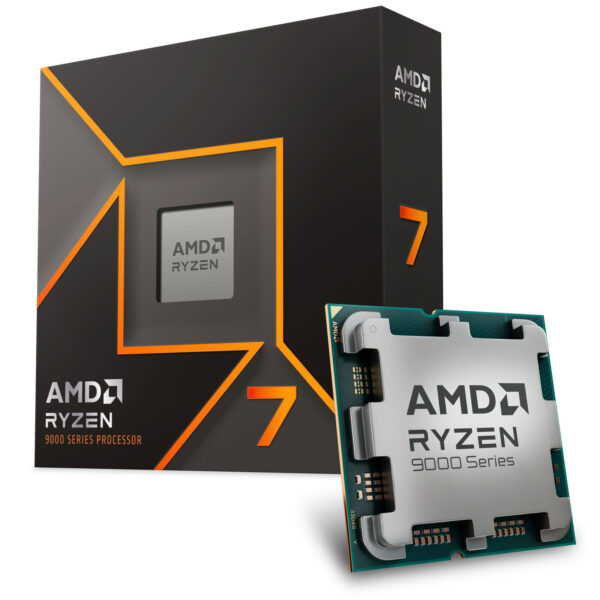
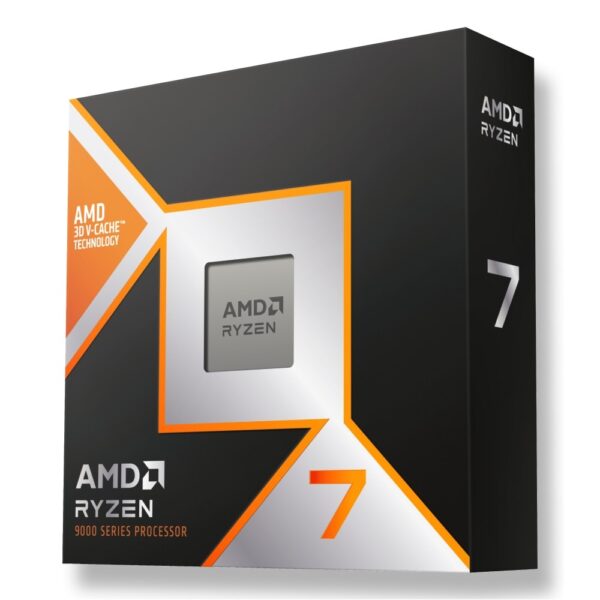
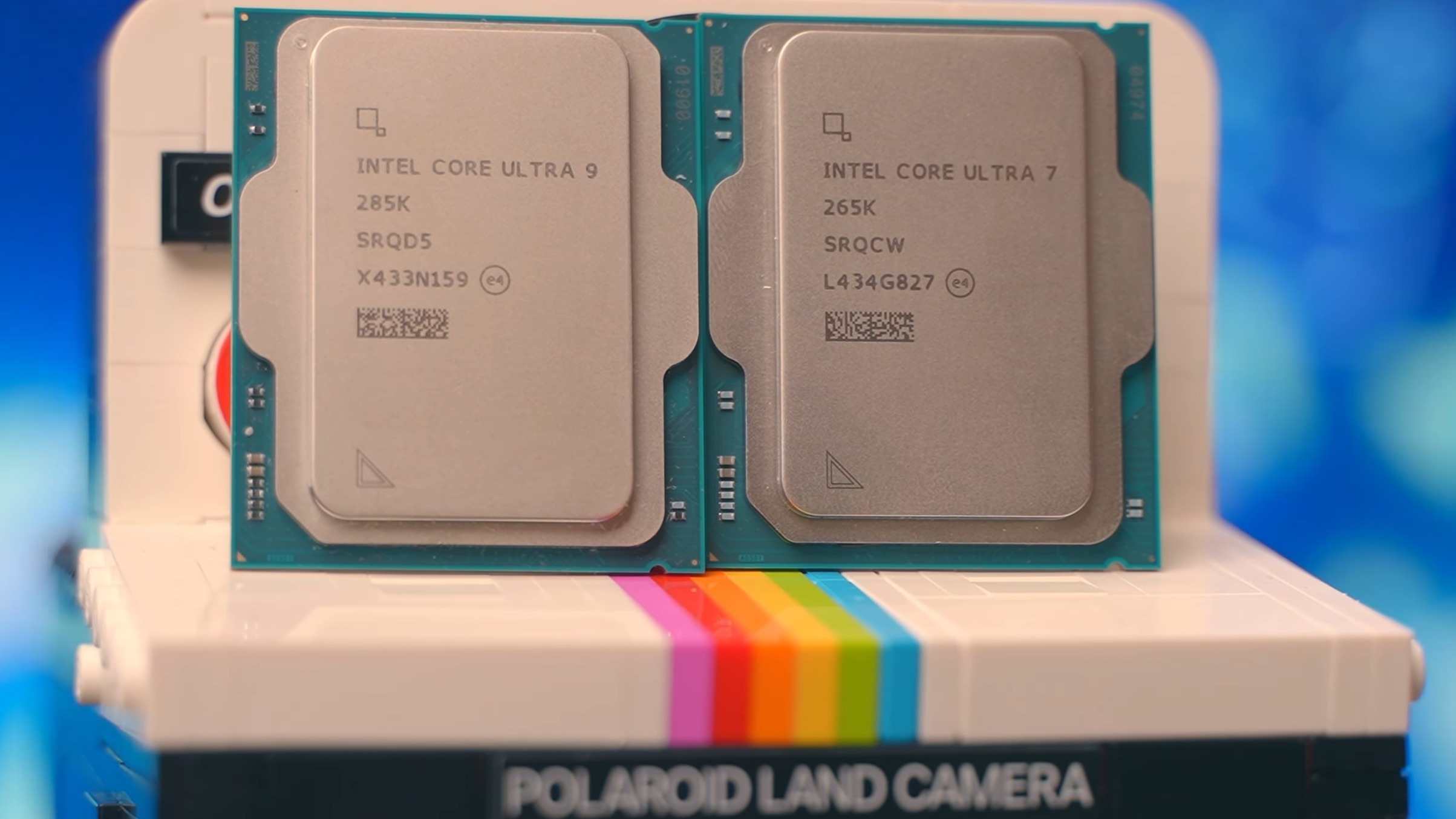
Four processors from our rangeTwo AMD and two Intel, one for each answer on this page: the gaming pick, the work pick and the two budget chips.
Neither, across the board. For years the usual answer to “is AMD or Intel better” was AMD, and buyers followed: AMD’s share of desktop processors reached a record 34.9% in the second quarter of 2026, according to Mercury Research (TechPowerUp). That still leaves Intel selling almost two desktop chips in every three.
What changed this year is Intel’s “Plus” refresh of its Core Ultra desktop chips in March 2026. It moved Intel from behind to level in most things, and ahead in some. So the useful question is no longer which brand is better. It is which one is better for what you do:
| What matters to you | Winner | By how much |
|---|---|---|
| Gaming frame rates | AMD (X3D chips) | 15 to 20% at 1080p |
| Work apps, rendering, compiling | Intel | 30% or more at the budget end |
| Upgrading the CPU later | AMD | AM5 supported to 2029 |
| Overclocking on a cheap board | AMD | Intel needs a Z890 board |
| Built-in AI chip (NPU) | Intel | Ryzen AM5 desktop chips have none |
| Budget gaming | Draw | About 2% apart |
Every row is explained below with its source. The rest of this page is the detail behind that table, so you can check it against what you actually do with your PC.
In AMD vs Intel gaming tests, AMD wins, but only with an X3D chip. Those carry a large extra slab of cache on top of the processor, and games love it. Tested with an RTX 5090 at 1080p, where the processor matters most, the X3D gap was the only big one on the chart (TechPowerUp).
Take the X3D chip away and it is a draw. The Ryzen 5 9600X was 2% slower than the Core Ultra 5 250K Plus, which TechPowerUp called “close enough to call it equal”. The Ryzen 7 9700X was only 1.5% faster. The Core Ultra 7 270K Plus beat every AMD processor in games except the X3D models, with the 9800X3D 15% ahead (TechPowerUp).
Two things shrink the X3D lead in real use. First, resolution: at 1440p and 4K your graphics card sets the limit, not the processor. One r/buildapc commenter put it simply: at 4K and 60 frames a second, almost any modern processor will do, and the X3D advantage shows up when you chase very high frame rates at 1080p (r/buildapc). Second, memory: on a 9800X3D, basic and tuned memory were only about 1.5% apart at 1080p (TechPowerUp).
So for a gaming-only PC, the X3D chip is the one to buy if you can afford it. Our best gaming CPU guide goes through the X3D range in more depth.
This is where the March refresh changed the answer. Intel’s chips mix fast performance cores with many smaller efficiency cores, and the Plus models got more of the small ones. For applications that use every core, that adds up:
This is also the part of the argument owners fight about most. A thread on r/buildapc about the 270K Plus ran for months. One side pointed out the X3D chips still win games. The other side, in one commenter’s words, said you trade over 50% of multi-threaded performance for a few more frames, and only in games where the processor is the limit (r/buildapc). Both are right about their own use.
If you edit video, compile code, run virtual machines or work with large spreadsheets as well as game, Intel gives you more for the money in 2026. If a Ryzen 9 9950X is in your budget, AMD’s top 16-core chip is still the fastest of all in applications.
When you line up AMD vs Intel processors, the model names do not match. A Ryzen 7 is not the same as a Core Ultra 7, and core counts are counted differently, because most Intel cores are the smaller efficiency type and Intel’s current desktop chips do not run two threads per core. Here is how the current chips pair up by price and job:
| AMD | Intel rival | Cores and threads | What decides it |
|---|---|---|---|
| Ryzen 5 9600X | Core Ultra 5 250K Plus | 6 / 12 vs 18 (6P + 12E) / 18 | Games equal, Intel 30% faster at work |
| Ryzen 7 9700X | Core Ultra 5 250K Plus | 8 / 16 vs 18 / 18 | Games within 1.5%, Intel faster at work |
| Ryzen 7 9800X3D | Core Ultra 7 270K Plus | 8 / 16 vs 24 (8P + 16E) / 24 | AMD 15% faster in games, Intel faster at work |
| Ryzen 9 9950X | Core Ultra 7 270K Plus | 16 / 32 vs 24 / 24 | AMD faster at work, costs more |
So is a Ryzen 7 equal to an i7? Not by name. Compare chips by price and by the job you give them, as above. If the Ryzen names themselves confuse you, our guide to AMD Ryzen names explains the letters after the number.
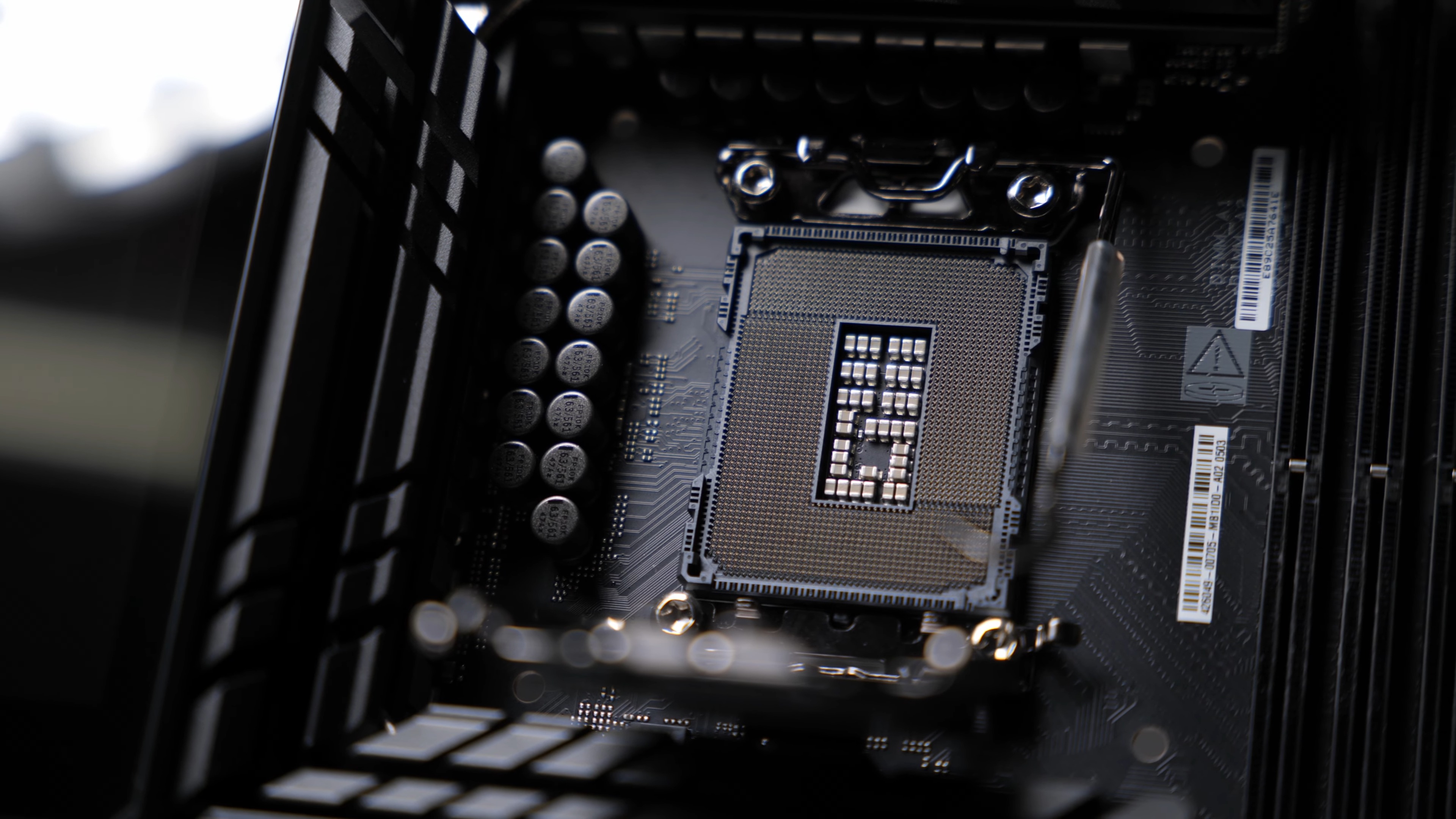
This is the part most AMD vs Intel comparisons skip, and it can decide the whole purchase. When you buy a processor you also buy a socket, and the socket decides whether a future processor will fit your motherboard.
What this means in practice: buy an AM5 board now and a Ryzen processor from 2028 should still drop into it after a BIOS update. Buy an LGA 1851 board and your next processor upgrade means a new motherboard too. If you tend to keep a PC for years and swap only the processor, AMD saves you a motherboard. If you replace the whole PC every few years anyway, the socket matters much less.
Choosing an AM5 board? Our AM5 motherboard guide and X870 vs X870E comparison cover which chipset you actually need.
Both brands have had a reliability scare in the last three years, and both are worth knowing about before you buy, especially second hand.
Intel 13th and 14th generation Core. Chips such as the Core i7-14700K and i9-14900K could become unstable over time, a fault Intel calls Vmin shift. Intel traced it to a clock circuit inside the processor cores that ages under high voltage and temperature, and fixed the cause with microcode updates, the last being 0x12B. Those updates prevent the damage, but they do not repair a processor that is already affected (XDA). Intel added two years to the warranty of boxed 13th and 14th generation chips, taking most to five years (Tom’s Hardware). If you buy or already own one, update the motherboard BIOS before anything else. Intel said the problem affects 13th and 14th generation desktop chips rated 65W and above (Tom’s Hardware).
AMD Ryzen X3D on AM5. In April 2023, some Ryzen 7000 X3D chips swelled and burnt out, taking the socket with them. AMD blamed SoC voltage set too high and capped it at 1.3V in a firmware update (Tom’s Hardware). In September 2026 another 7800X3D swelled, on an ASUS board, though the board’s BIOS version was not confirmed (TechPowerUp). The advice is the same as for Intel: keep the BIOS current.
Voltage matters on the AMD side in one more way. We had a build of our own switch itself off because of an Intel XMP memory profile on an AM5 board, which we wrote up in our XMP vs EXPO shutdown guide. If a PC with either brand crashes under load, our guide to a PC crashing while gaming covers both.
Intel’s reputation for running hot comes from the 13th and 14th generation chips. The current ones are different. The measured averages (270K Plus, 250K Plus):
| Chip | Apps, average | Gaming, average |
|---|---|---|
| Core Ultra 7 270K Plus | 140W | 110W |
| Core Ultra 5 250K Plus | 100W | 83W |
TechPowerUp put the 270K Plus “a bit more than AMD” in applications, and the 250K Plus level with the Ryzen 7 9700X and 9800X3D in games. The Ryzen 5 9600X and 9700X run at a 65W default rating (AMD, AMD), so AMD still uses less power at the low end. Neither needs anything exotic: a good air cooler keeps the 270K Plus cool at stock. Intel allows up to 105°C and AMD 95°C, so an Intel chip reading in the high 90s is working as designed.
Laptops are a different market. Intel still supplied 71.1% of laptop processors in the second quarter of 2026, against AMD’s 28.9%, though AMD grew 8.4 points in a year (TechPowerUp). In practice you rarely choose the chip on its own: you choose a laptop, and the chip comes with it. Battery life, screen and build usually matter more than the brand of processor. Our guide to choosing a laptop covers what to prioritise, and the new Googlebooks, with Intel and Snapdragon chips, are compared in our Googlebook price guide.
A gaming PC and nothing else: a Ryzen 7 9800X3D on an AM5 board. It is the fastest gaming chip in these tests, and the board takes future Ryzens. Pair it with the memory in our Ryzen X3D RAM guide.
Gaming and real work on the same PC: a Core Ultra 7 270K Plus. You give up about 15% in games at 1080p and gain a lot in everything else. Accept that the board will not take Intel’s next processors.
A budget build: a Core Ultra 5 250K Plus or a Ryzen 5 9600X. They are equal in games. Take the Intel for work, or the AMD if you want the upgrade path.
An older Intel 13th or 14th generation PC that works fine: keep it, update the BIOS, and do not rush to replace it.
You can browse the current chips in our AMD processors and Intel processors ranges.
For gaming, yes, if you buy an X3D chip: the Ryzen 7 9800X3D was 15 to 20% faster than Intel’s current chips at 1080p in TechPowerUp’s tests. For work and multitasking, Intel’s 2026 Core Ultra Plus chips are faster for the money.
It depends on the job. AMD X3D for gaming, Intel Core Ultra Plus for mixed work and gaming, and either at the budget end, where the Ryzen 5 9600X and Core Ultra 5 250K Plus are level in games.
Habit and laptops, mostly: Intel supplied about two in three desktop chips and 71% of laptop chips in the second quarter of 2026. In 2026 there is also a performance reason: Intel’s new chips are faster in applications for the price.
Physically, both last many years. As a platform, AMD: its AM5 socket has support promised to 2029, while Intel’s LGA 1851 is being replaced by LGA 1954 for its next chips.
Not by name. Compare by price and job. The Ryzen 7 9700X is level in games with Intel’s Core Ultra 5 250K Plus, while the Ryzen 7 9800X3D beats Intel’s Core Ultra 7 270K Plus in games and loses to it in applications.
AMD, through its X3D chips. Without X3D, it is roughly a draw: the Ryzen 5 9600X, Ryzen 7 9700X and Intel Core Ultra 5 250K Plus finished within about 3.5% of each other at 1080p.
The Vmin shift problem affected 13th and 14th generation Core desktop chips. Intel’s microcode updates prevent it, and boxed chips got two extra years of warranty. They do not repair a chip that is already affected, so update the BIOS early.
Sources
The Hardvance Team is the editorial team at Hardvance, a UK computer and electronics retailer based in Mildenhall, Suffolk. We build and upgrade PCs and sell laptops, phones, networking gear, monitors and printers, and our guides cover the same ground. Every guide names its sources and explains how we checked the figures, and we say plainly when something is our opinion rather than a tested result.
View all posts by Hardvance Team


No account yet?
Create an Account