Best Power Supply in 2026: How to Choose the Right PSU for Your PC

Hardvance Psu 2026

The best power supply 2026 can buy is still nobody’s idea of an exciting purchase, which is exactly why it is the part people cheap out on, usually right after dropping two grand on a graphics card. Efficiency is independently tested by labs such as Cybenetics. Then it trips mid-game, or quietly cooks itself and takes the motherboard with it. Get it right once and you will forget it exists for a decade. Here is how to get it right.

Last updated: June 2026 · Hardvance hardware team

Our pick, in short: For most 2026 builds an 850W, 80 Plus Gold, ATX 3.1 unit with a native 12V-2×6 cable is the safe right balance, with enough headroom for an RTX 5080-class card. Buy fully modular for tidy cabling, and do not pay for wattage you will never use. Step up to 1000W or more only for an RTX 5090 or a heavy workstation.

The best PSU for every build in 2026

Skip the spec sheets for a moment. These are the units we would actually fit, grouped by the kind of PC you are building. Every one is in stock, sold and supported by us with its full UK warranty, and checked against the manufacturer platform notes and independent reviews before it earns a place here.

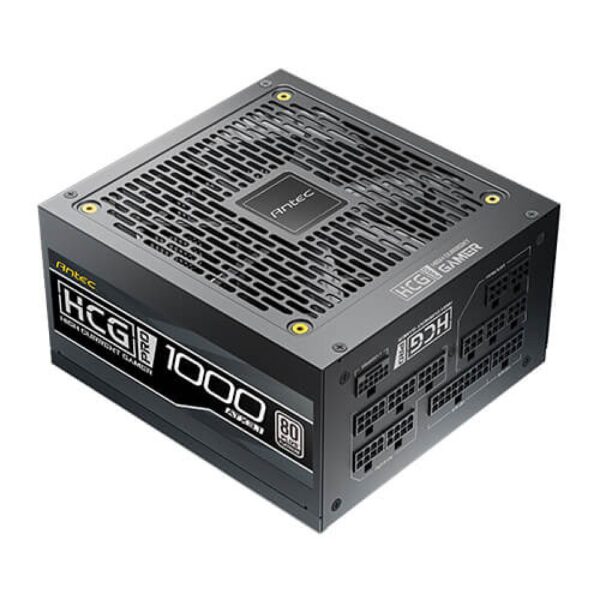
Best value PSU: Antec NeoEco 850W Platinum

Antec NeoEco 850W Platinum Modular ATX 3.1 PSU, PCIe 5.1, 12V-2×6

In stock

£97.46 inc VAT
  • 850W ATX 3.1 Power Supply
  • 80 PLUS Platinum certified efficiency
  • PCIe 5.1 ready with 12V-2×6 connector
  • Fully modular design for clean cable management
  • 120mm FDB silent fan with Zero RPM mode
  • High-

You rarely see 80 Plus Platinum and the newer ATX 3.1 standard at this price. It is fully modular, ships with a native 12V-2×6 cable for current Nvidia cards, and 850W is plenty for an RTX 5070 Ti or 5080 next to a Ryzen 7 or Core i7. If you want the most quality per pound on this page, start here.

Best budget PSU: Corsair RM650e

Corsair RM650e 650W Power Supply Unit

In stock

£74.56 inc VAT
  • 650W ATX 3.1 Gold-certified PSU with PCIe 5.1 support
  • Fully modular cabling for tidy builds
  • 12cm rifle bearing fan with low-noise operation
  • 140mm compact form factor for easy case fit
  • Native 600W 12V-2×6 GPU connector for modern graphics cards
  • Cybenetics Gold efficiency for lower power consumption
  • 100,000-hour MTBF for long-term reliability
650W of fully modular, 80 Plus Gold power from a brand with a long track record. It stays quiet under load and comfortably runs a 60 or 70-class GPU such as an RTX 5060 Ti or RX 9060 XT. It is ATX 3.0 rather than 3.1, so you use the supplied 12VHPWR cable, but for a neat mainstream build it is very hard to beat for the money.

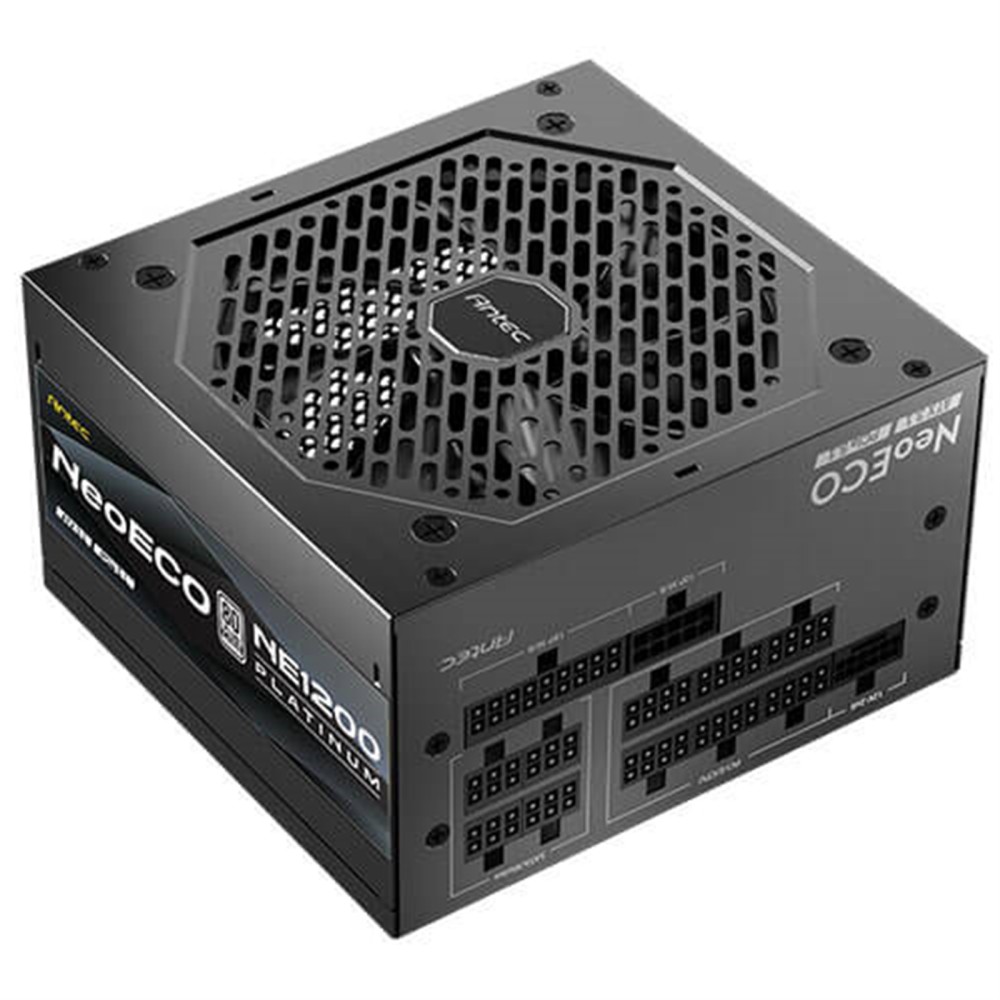
Best high-wattage PSU for an RTX 5090: Antec NeoEco NE1200 Platinum

Antec NE1200 Platinum NeoEco 1200W ATX 3.1 PSU, PCIe 5.1, 80 Plus Platinum, 10-Year Warranty

In stock

£129.95 inc VAT
  • 1200W ATX 3.1 & PCIe 5.1 compatibility with 12V-2×6 connector
  • 80 PLUS Platinum efficiency with high-quality Japanese capacitors
  • PhaseWave server-class DC-DC design for stable power delivery
  • Full modular cable management for improved airflow
  • 120mm FDB silent fan with Zero RPM Manager for quiet cooling
  • 10-year warranty with comprehensive industrial-grade protection suite
  • Compact 140mm x 150mm x 86mm size fits wider case compatibility
A 5090 can spike hard, and pairing one with an overclocked CPU is exactly where 1200W earns its keep. This unit is 80 Plus Platinum, ATX 3.1 with the 12V-2×6 connector, fully modular, and carries a 10-year warranty. Buy it once and it will happily carry your next GPU as well.

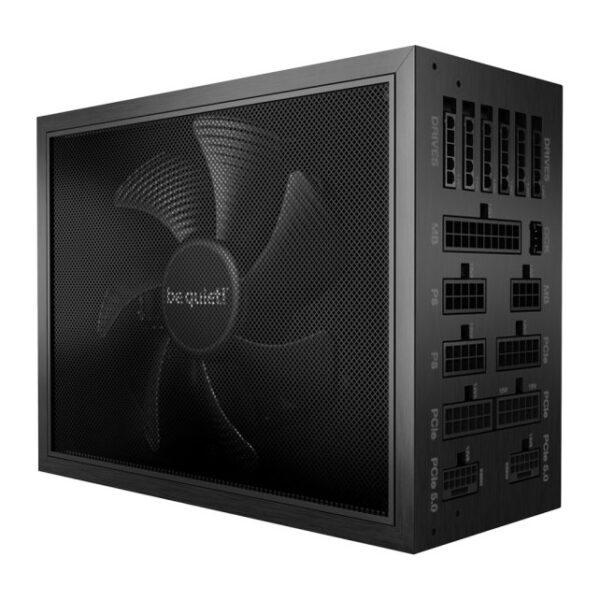
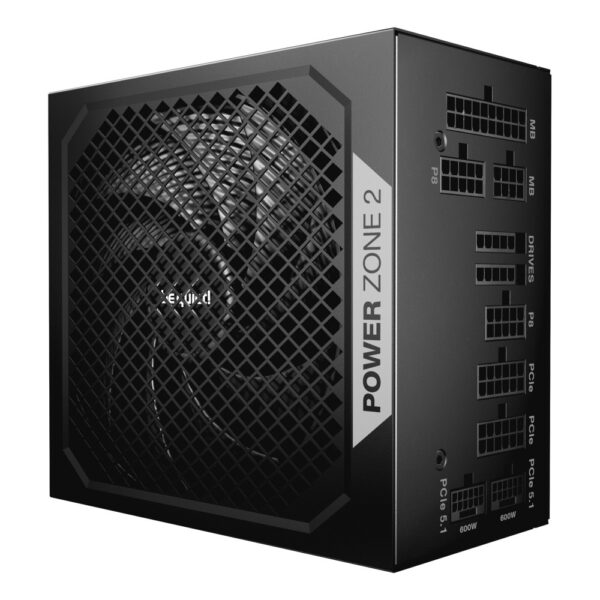
Best premium and quietest PSU: be quiet! Dark Power 14 1000W Titanium

be quiet! Dark Power 14 1000W 80 Plus Titanium ATX PSU

In stock

£200.81 inc VAT
  • 1000 W ATX 3.1 power supply with 1100 W peak for high-end PCs
  • 80 PLUS Titanium efficiency at 93.8% with 0.98 power factor
  • 13.5 cm FDB fan, 0–2100 RPM, 18.2 dB noise, semi-passive mode
  • Fully-modular cabling with 4 × 6+2-pin PCIe, 12-pin, and dual 4+4-pin EPS
  • Four +12V rails (996 W combined) with comprehensive power protection
  • 100–240 V AC input, 20.1 ms hold time, 100,000 h MTBF

This is the showpiece. 80 Plus Titanium is the highest efficiency tier you can buy, the fan is barely audible even under a heavy load, and 1000W handles any single-GPU build including a 5090. You pay for the engineering, but if silence and efficiency matter to you, nothing else here gets close.

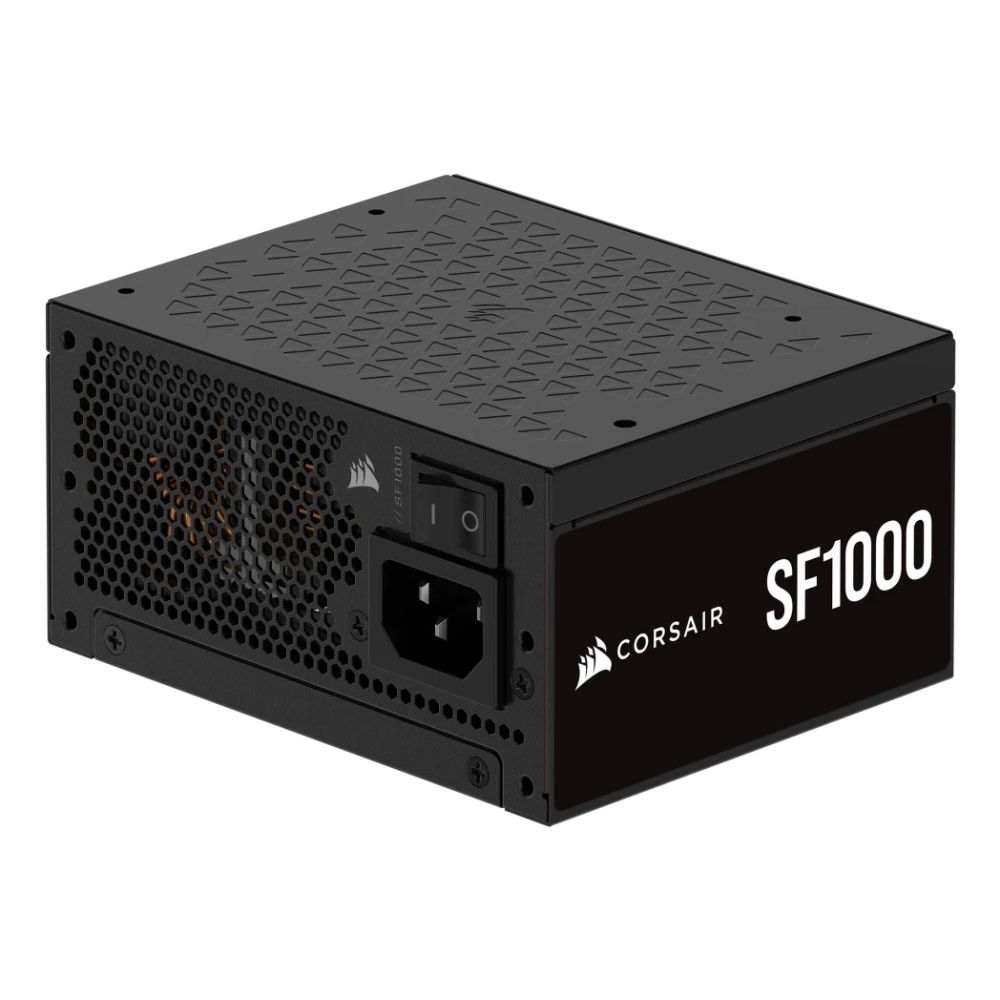
Best SFX PSU for small builds: Corsair SF1000

Corsair SF1000 1000W Power Supply

In stock

£192.77 inc VAT
  • 1000W SFX power supply for SFF PC builds
  • 80 PLUS Platinum certification for high efficiency
  • ATX 3.1 compliant with fully modular cabling
  • 9.2 cm top-mounted fan with FDB bearing technology
  • Compact dimensions: 125 x 100 x 63.5 mm
Small-form-factor builds need a unit that fits the compact SFX bracket without giving up wattage. The SF1000 packs a full 1000W and fully modular cabling into that tiny footprint, so you can run a high-end GPU inside a Mini-ITX case. If your build is not SFX, skip this and save money with one of the ATX picks above.

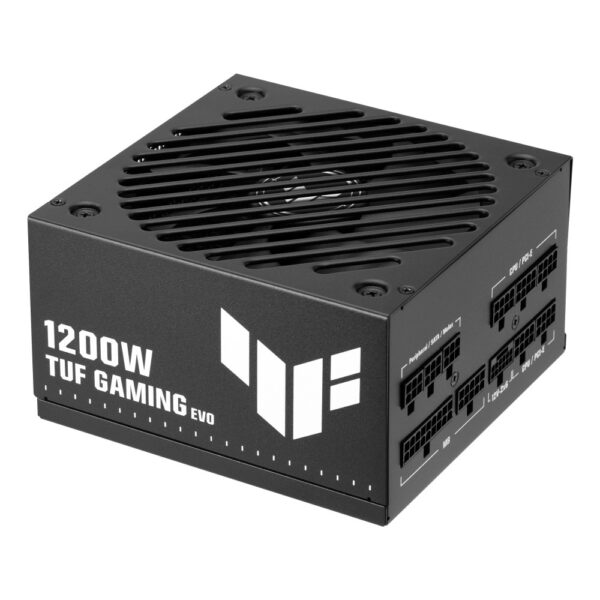
Editor’s Choice: ASUS TUF Gaming 850G EVO

If you want one safe pick, this is it. The ASUS TUF Gaming 850G EVO is an 850W, 80 Plus Gold, fully modular ATX 3.1 supply with the native 12V-2×6 connector, so it drives a current RTX card with no adapters. Strong build, a quiet fan and enough headroom for everything short of an RTX 5090. It is the unit we fit in most mid-range and high-end builds.

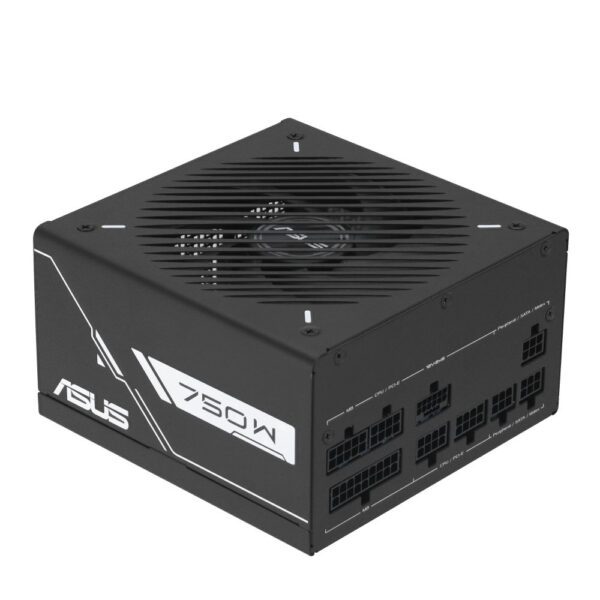
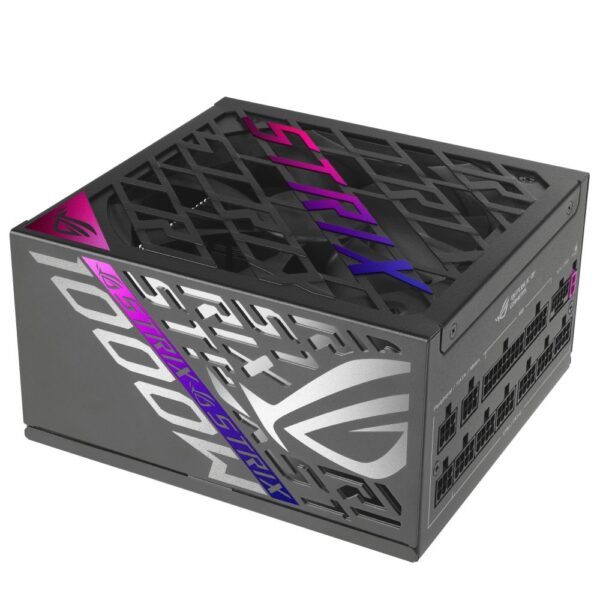
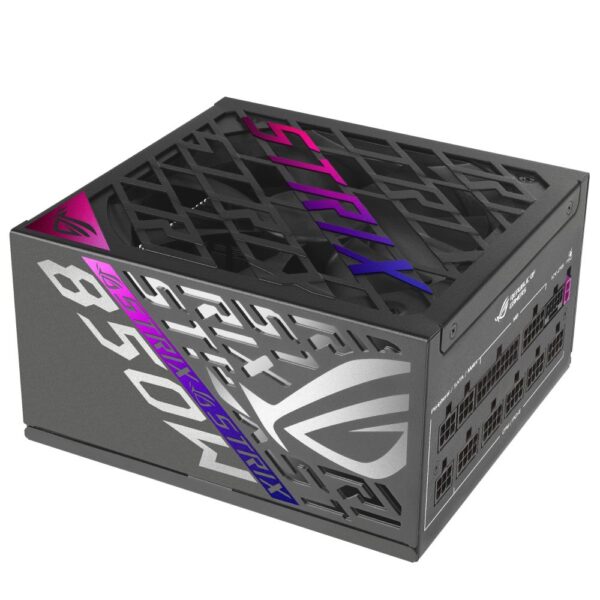
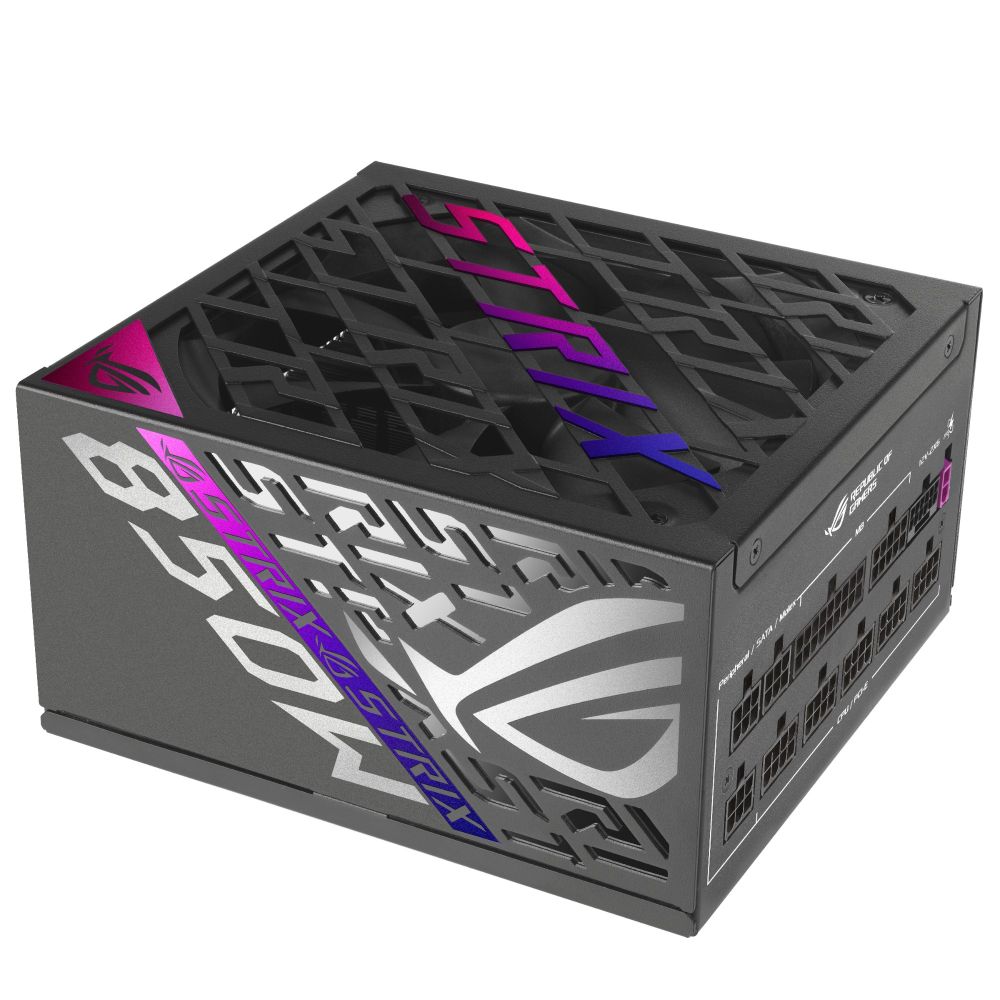
ASUS ROG Strix 850W Gaming PSU

In stock

£167.45 inc VAT
  • 850 W ATX 3.1 power supply with GaN MOSFET technology
  • 80 PLUS Platinum certification for superior energy efficiency
  • Fully-modular design with etched cables for easy installation
  • 1x 120mm top-mounted semi-passive cooling fan
  • 6x SATA, 3x Molex, 3x PCIe, and 1x 12V-2×6 connectors
  • Active PFC and comprehensive protection features
  • Compact 160x150x86 mm form factor, 1.78 kg weight

Best power supply 2026: the Short Answer: Best Power Supply for 2026

Most 2026 gaming PCs want an 850W ATX 3.1 unit, 80 Plus Gold or Platinum, fully modular, with a native 12V-2×6 cable. On a mid-range card, 650-750W is plenty. Chasing an RTX 5090 or pushing a serious overclock? Go 1000W or more. Wattage gets all the attention, but the standard and the build quality are what keep your PC running.

Browse everything under Power Supplies, or jump to ATX 3.1 Power Supplies if you already know the drill.

Top Power Supply Picks for 2026

Best Power Supplies in 2026 by Use Case

Each unit below is in stock and picked for a specific kind of build. Tap through for live pricing and the full spec sheet.

Brands worth trusting, and ones we stock: Corsair, be quiet!, MSI, Antec, ASUS and Cooler Master.

Match the Power Supply to Your Build

Start with the kind of machine you are building, not a wattage number from an old forum thread.

BuildWhat we recommend
Office / no dedicated GPU400-550W, 80 Plus Bronze
Mid-range gaming (RTX 5060 / 5070)650-750W, 80 Plus Gold
High-end gaming (RTX 5070 Ti / 5080)850W ATX 3.1, Gold or Platinum
Flagship (RTX 5090) / creator1000-1200W ATX 3.1, Platinum or Titanium
Small form factorSFX / SFX-L, Gold or better

How Many Watts Do You Need?

Size it around your graphics card and aim to sit near half load when the PC is working hard. That is where a PSU runs most efficiently, coolest and quietest, and where it lasts longest.

Graphics CardCard PowerRecommended PSU
RTX 5060 / 5060 Ti~145-180W650W
RTX 5070~250W700-750W
RTX 5070 Ti~300W750-850W
RTX 5080~360W850W
RTX 5090~575W1000-1200W

Prefer to shop by capacity? Try 700-750W, 800-850W or 900-1000W.

Is 850W Enough for an RTX 5080 or 5090?

For an RTX 5080, yes, comfortably. Around 360W for the card plus a modern CPU leaves an 850W unit with room to spare. For an RTX 5090, not really. A 575W card next to a hungry CPU pushes too close to the ceiling when both spike together, so go 1000-1200W. The extra capacity is not about bragging rights. It keeps the PSU in its efficient zone and rides out those spikes when both parts peak together.

Why ATX 3.1 Matters (and ATX 3.0 vs 3.1)

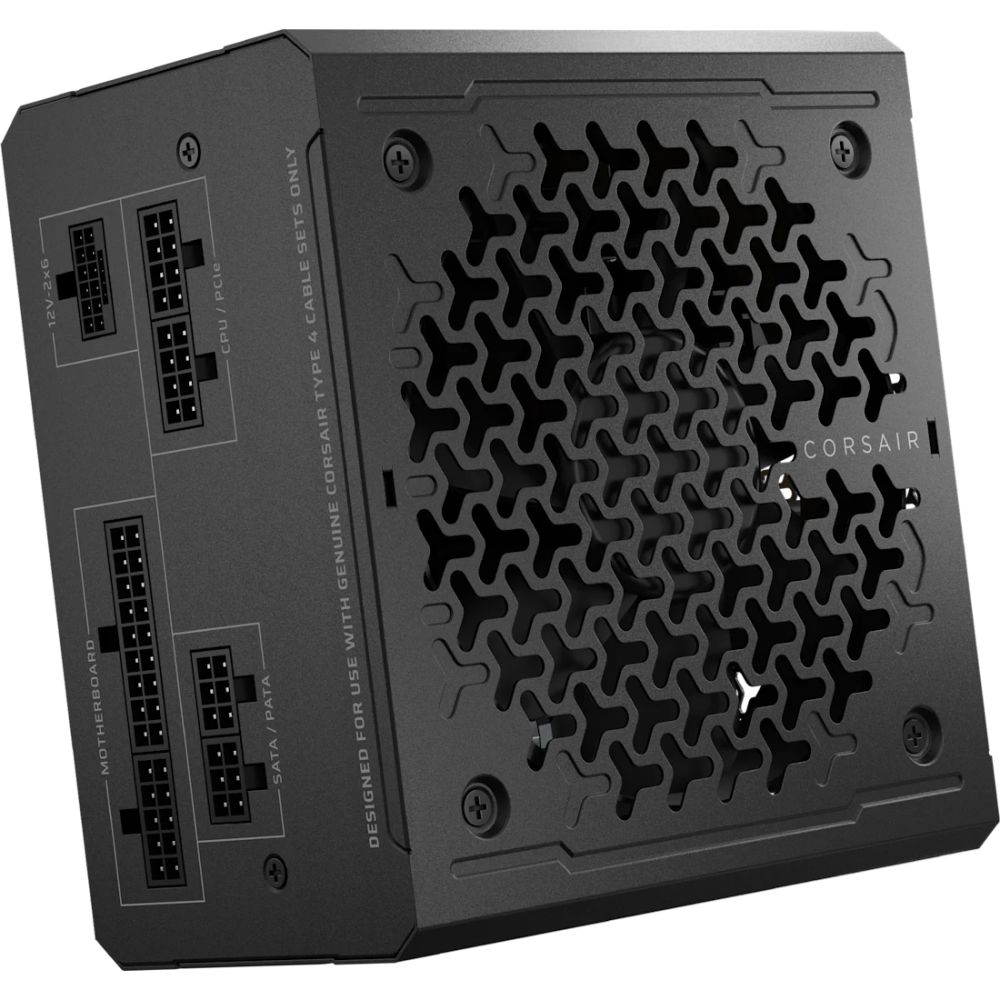
This is the bit people get wrong when they reuse an old PSU. Modern GPUs do not sip power steadily. They spike to two or three times their rated draw for a few milliseconds at a time. An older unit reads that as a fault and shuts the PC down. ATX 3.1 expects those spikes and shrugs them off, and its 12V-2×6 connector carries up to 600W on a single cable with no adapter octopus behind the case. The move from ATX 3.0 to 3.1 mainly tightened that connector so it seats properly and runs cooler, which is why it is the safer pick today. For any current card, treat it as the floor, not a luxury.

See our ATX 3.1 Power Supplies and PCIe 5 Ready PSUs.

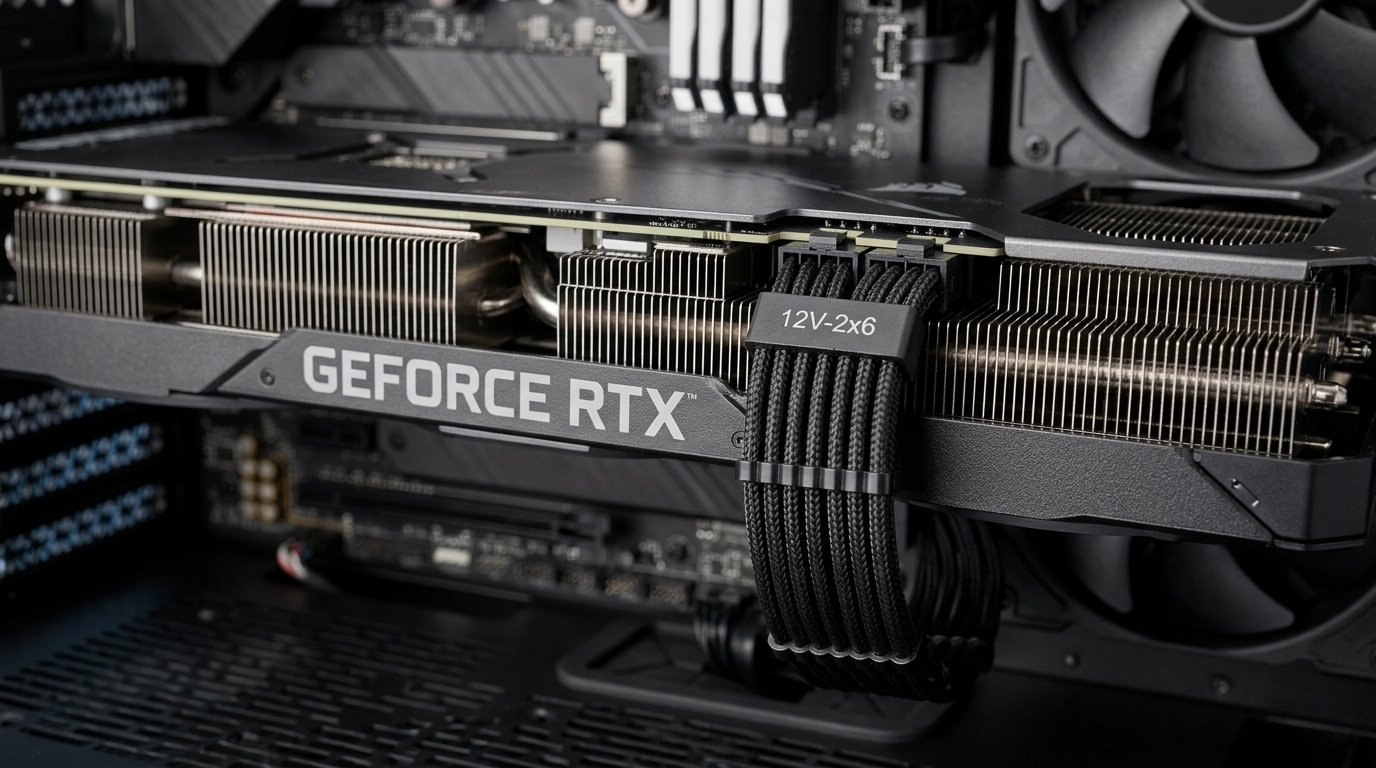
The best power supply 2026 for an RTX build with a 12V-2x6 connector
A 12V-2x6 (12VHPWR) connector feeding a modern RTX card. This is why ATX 3.1 matters.

80 Plus Ratings Explained

The 80 Plus badge just tells you how much of the power from the wall actually reaches your components instead of leaking away as heat. A higher rating means a smaller electricity bill, a cooler case and a quieter fan, and at UK energy prices that gap adds up over a few years.

RatingEfficiency (~50% load)Best for
80 Plus Bronze~85%Budget / office
80 Plus Gold~90%Most gamers (best value)
80 Plus Platinum~92%High-end daily rigs
80 Plus Titanium~94%Flagship, quietest builds

For most people, Gold is the honest take. Compare Gold, Platinum and Titanium units side by side.

Modular vs Non-Modular Power Supplies

  • Fully modular: plug in only the cables you actually use. Cleanest builds, best airflow. Start with Fully Modular PSUs.
  • Semi-modular: the essentials are fixed, the rest detach. A sensible way to save a few pounds.
  • Non-modular: every cable is attached for good. Cheapest, and perfectly fine in a budget box.

Best Premium Platinum & Titanium PSUs

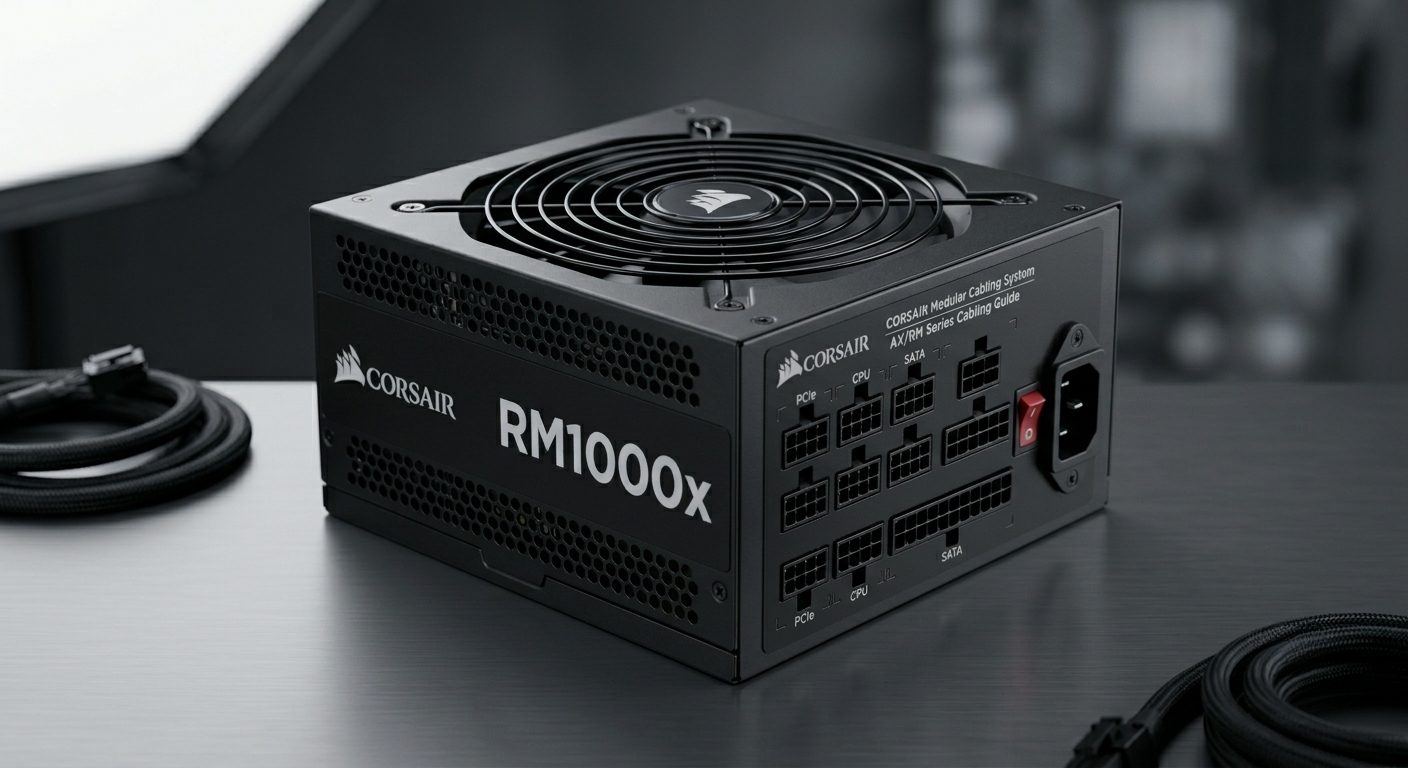
Does a pricier unit make your games faster? No. What it buys is calm: rock-steady voltages, stronger protection if something goes wrong, a fan that stays silent at idle, and a warranty that can run ten years. On a flagship build that is cheap insurance for everything bolted around it. The be quiet! Dark Power 14 Titanium and Corsair RM1000e ATX 3.1 are the two we keep recommending.

Best SFX Power Supplies for Small Builds

A full-size ATX unit simply will not fit a lot of compact cases. SFX and SFX-L power supplies pack the same Gold or Platinum efficiency into a much smaller shell, like the ASUS ROG Loki SFX-L 750W Platinum. Check what your case takes, then browse SFX & SFX-L Power Supplies.

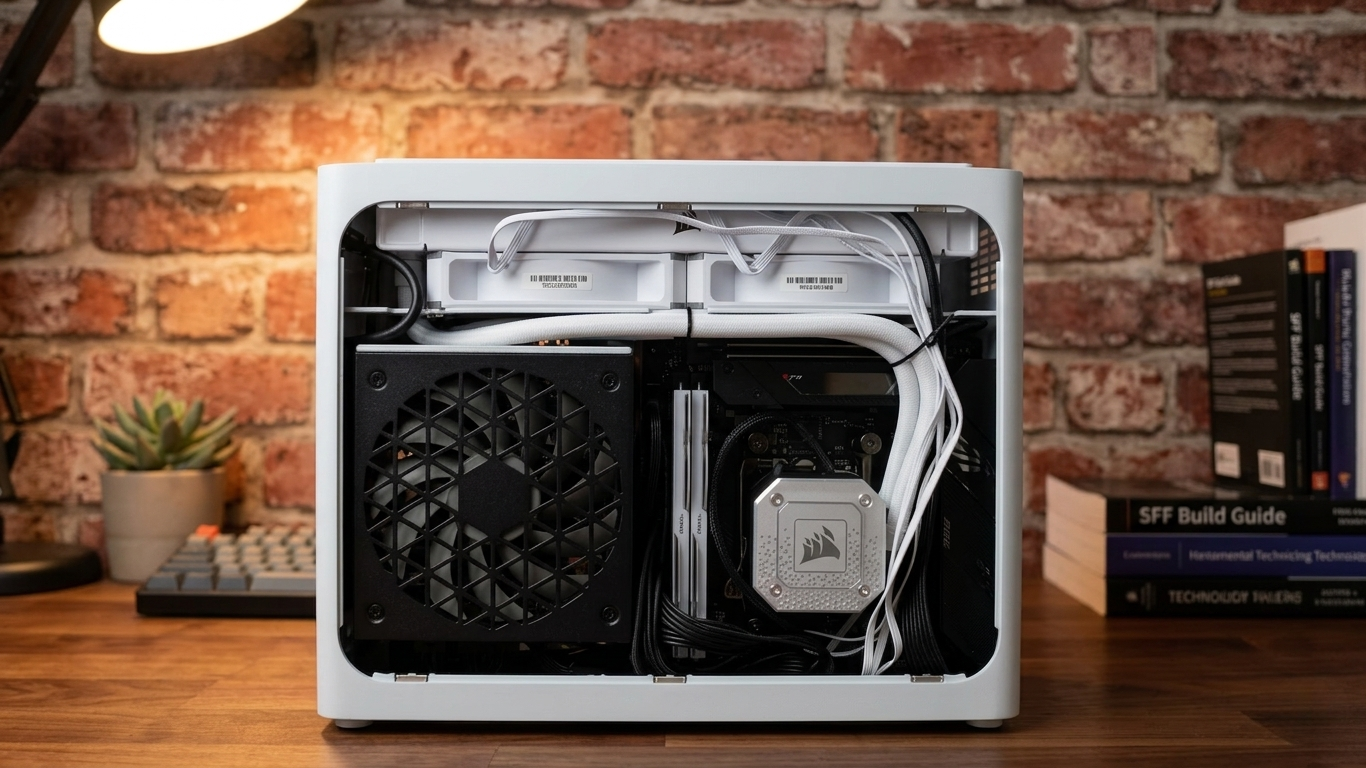
Small-form-factor SFF gaming PC build powered by an SFX power supply
An SFX power supply keeps a small-form-factor build clean where a full ATX unit will not fit.

Power Supply Buying Checklist

  • Wattage sized to your GPU, sitting near half load when pushed.
  • ATX 3.1 with a native 12V-2×6 connector.
  • 80 Plus Gold at minimum, more for a machine that runs all day.
  • Fully modular if you care about airflow and a compact build.
  • Real protections (OVP, OCP, OPP, SCP) and a long warranty.

Power Supply Mistakes to Avoid

  • Buying on watts alone. A cheap 1000W unit is still a cheap unit.
  • Reusing a pre-ATX 3.0 PSU on a new GPU. Expect spikes, shutdowns and adapter clutter.
  • Going overboard. A 1200W unit on a 250W system just burns money you could have spent on the card.
  • Living on adapters instead of a proper native 12V-2×6 cable.

Frequently Asked Questions

Pro tip: size the supply for the GPU’s transient spikes, not just its average draw. A modern graphics card can briefly pull well above its rated power, so a quality ATX 3.1 unit with real headroom stays stable where a cheap, maxed-out supply would trip.

Where our advice comes from: as a UK retailer we stock, sell and support power supplies all the time, and we see which units come back and which quietly do their job for years. That practical view, combined with manufacturer specs and independent reviews, shapes the picks here. We do not fabricate bench tests, and we stay honest about what we actually know. Updated as new PSUs and standards land.

Before you buy a power supply

  • Size with headroom. Add up your parts and leave roughly 100W to 150W spare.
  • 80 Plus Gold is the value efficiency tier for most gaming builds.
  • ATX 3.1. A unit with a native 12V-2×6 connector suits current graphics cards.
  • Full modular cabling keeps the build tidy and airflow clean.
  • Buy a known brand. The power supply protects every other part, so it is not the place to save a few pounds.
What is the best power supply for an RTX 5090?

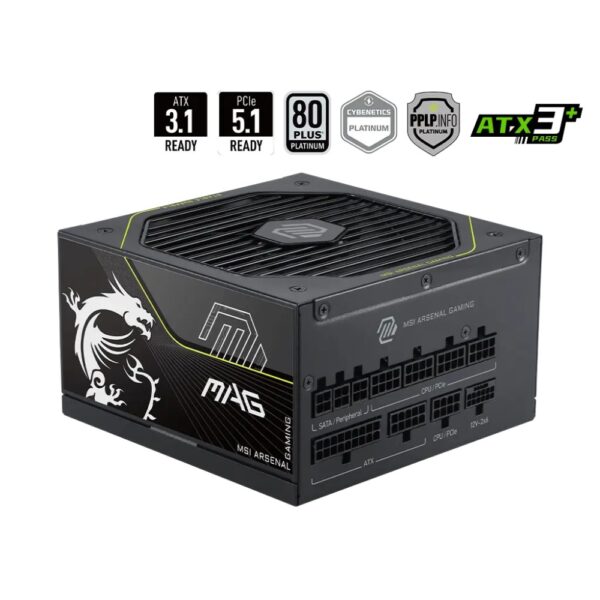
A 1000-1200W ATX 3.1 unit with a native 12V-2x6 cable. We usually point people at the MSI MAG A1000PLS 1000W Platinum or the be quiet! Dark Power 14, since a 575W card really wants the headroom.

What is the difference between ATX 3.0 and ATX 3.1?

Both ride out GPU power spikes. ATX 3.1 just refined the 12V-2x6 connector so it seats better and runs cooler than the original 12VHPWR. On a new build, pick 3.1.

Is 80 Plus Gold enough, or should I pay for Platinum?

Gold is the right shout for most builds. Move up to Platinum or Titanium only if your PC runs hard every day or you are chasing the quietest, coolest possible setup.

Can a faulty power supply damage the rest of my PC?

It can. A cheap unit with weak protection can take other parts down with it when it fails. That is exactly why build quality, protection circuitry and warranty matter more than the number on the box.

How long should a power supply last?

A good one will happily run 7-10 years, which is why a long warranty tells you something. Buy properly and it will outlive several other upgrades.

Leave a Reply

Your email address will not be published. Required fields are marked *