
iPhone Fold: Every Leak That Matters, and the Name Nobody Expected
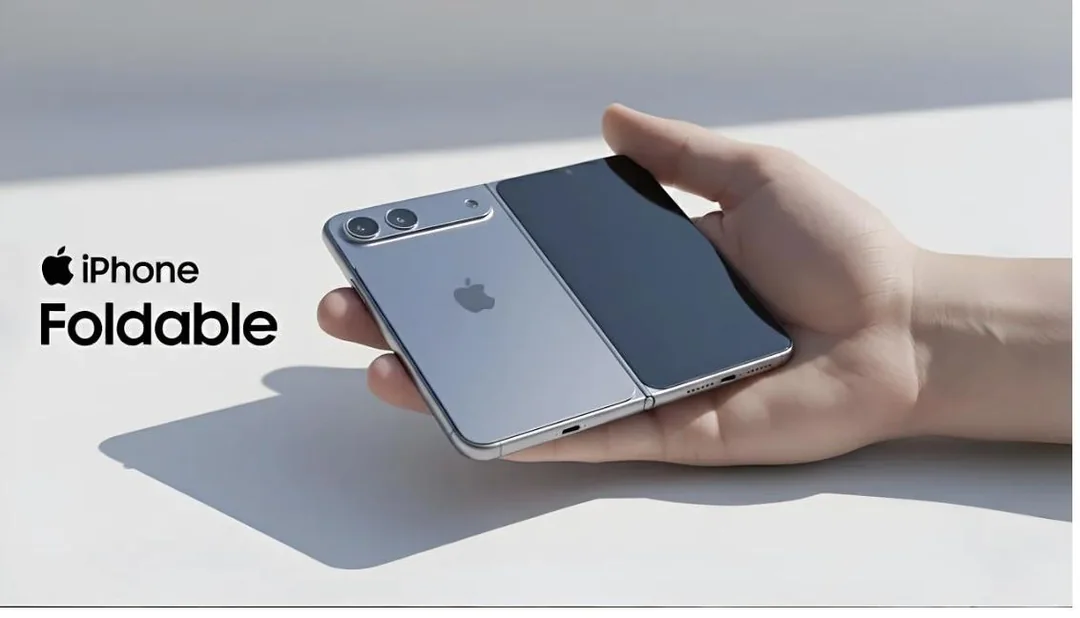
Apple's folding iPhone is real, it is in mass production, and it lands with the iPhone 18 Pros this autumn at around £2,000. That much the supply chain has effectively confirmed. The twist nobody had on their card: it may not be called iPhone Fold at all. The name doing the rounds in July's filings is iPhone Ultra.
You came for something specific. Here it is:
- Release dateSeptember or October 2026, alongside the iPhone 18 Pro line. Production has started
- PriceFrom about $1,999, so expect £2,000 or a bit over in the UK. Big storage could pass £2,500
- The screens7.76in inside that opens like a book, 5.49in outside, and Apple claims no visible crease
- The surpriseNo Face ID. A side-button Touch ID, first time since the 2022 iPhone SE
- Against the Z Fold 8Same price, less experience, one killer claim. Table below
- Cannot wait?The Motorola razr fold is the fold we actually have on the shelf today
Apple has confirmed none of this officially. Where the reporting is thin we say so plainly, rather than dress a rumour up as fact.
When is it coming?
Autumn 2026, on stage next to the iPhone 18 Pro and Pro Max. This is the closest thing to a certainty in the whole story: prototype units have gone out to carriers for network certification, supply-chain reports say mass production kicked off in early July, and the same sources flatly rejected the delay rumours that did the rounds in spring. A September reveal with an October ship date for the fold itself would be very Apple.
We have sold phones through enough Apple Septembers to add one practical note: first-generation Apple hardware sells out instantly and stays scarce until Christmas. If you want one at launch, plan to order in the first hour, not the first week.
Where the fold stands as of mid-July 2026, from public supply-chain reports. Diagram: Hardvance.
The name nobody expected
Everyone, us included, has been calling it the iPhone Fold for two years. Then July’s regulatory and supplier paperwork started saying iPhone Ultra, and the reporting weight has swung behind that name fast.
It makes a certain cold sense. “Fold” describes the hinge, “Ultra” describes the price tag, and Apple already sells an Ultra watch to exactly the customer it wants for this phone. We are keeping “iPhone Fold” in this guide because it is what forty thousand people a month actually type, but do not be surprised when Tim Cook never says the word “fold” on stage.
What it will cost
The consistent number is $1,999 for the 256GB base model, which typically lands in Britain as £1,999 or a shade over once VAT does its thing. Asian supply-chain chatter puts the 512GB and 1TB models anywhere from $2,600 to $2,900, which would be the most expensive iPhone ever sold by a distance.
For scale: that is two iPhone 16 handsets with change, or one very good gaming PC. Apple is not pricing this for everyone, and it knows it. First-gen folds are for the people who buy the future early and forgive its scars.
The screens, and the claim that matters
Open, it is a 7.76-inch panel at 2713 x 1920, nearly square, more small iPad than big phone. Closed, you get a 5.49-inch outer screen in an unusual 4:3-ish shape, wider than every other fold on the market. Apple has reportedly designed the whole thing to be used closed most of the day, opening only when you actually want the big canvas.
The claim that will make or break it: no visible crease. Reports say Apple chased this “regardless of cost” with a new material approach on the folding panel, and Samsung Display, of all companies, is building it to Apple’s spec. Every fold owner knows the crease is the compromise you learn to ignore. If Apple genuinely killed it, that is the headline feature, not the hinge.
Titanium, liquid metal, and the return of Touch ID
The frame is said to be a revised titanium alloy, and the hinge, the part that decides whether a fold lives past year two, is reportedly liquid metal: an amorphous alloy Apple has held consumer-electronics rights to since 2010 and until now used mostly for SIM eject tools. Harder, springier, and less prone to the micro-bends that make old folds wobble. On paper it is the most durable hinge design anyone has attempted.
And then the genuine surprise: no Face ID. The folding body is apparently too thin for the TrueDepth hardware, so unlocking moves to a side-button Touch ID, the first new iPhone without Face ID since the 2022 iPhone SE. Some people will call that a downgrade. The half of our customers who unlock phones with wet hands, gloves, or a face mask may quietly celebrate.
Chip, memory, battery, cameras
The chip is expected to be the A20 Pro on TSMC’s 2-nanometre process, with 12GB of RAM stacked directly onto the package. Translation: the fastest silicon Apple has ever shipped, in its thinnest body.
Battery got its first hard number this week: a supplier filing points to a 4,883mAh dual-cell pack, split across both halves of the fold. That is bigger than the Galaxy Z Fold 8’s cell, and with Apple’s efficiency record it should comfortably outlast it, though nobody outside Cupertino has run the test yet.
Cameras are the compromise corner: dual 48MP on the back and no telephoto, because thinness won the argument. Samsung made the same call on the Z Fold 8, so the whole category has quietly agreed that fold buyers zoom with their feet.
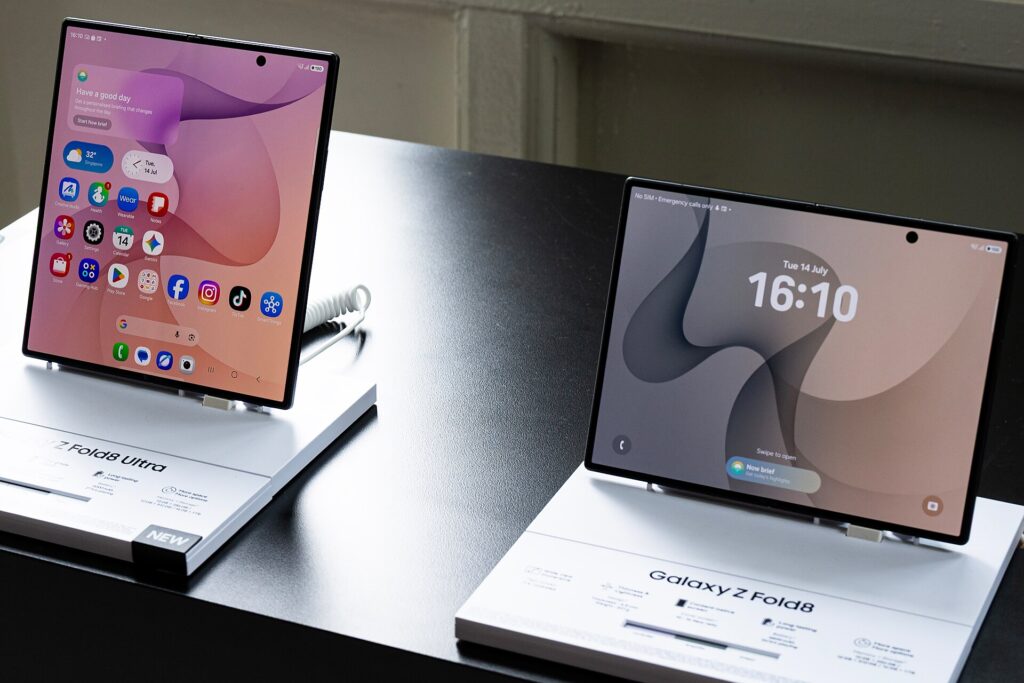
iPhone Fold vs Galaxy Z Fold 8
Samsung shipped its eighth generation in July. Apple is arriving with its first. Same money. Here is the honest scorecard, leaks against shipped product:
| iPhone Fold (leaked) | Galaxy Z Fold 8 | |
|---|---|---|
| Status | Unannounced, mass production reported | On sale (shipped July) |
| Inner screen | 7.76″, 2713 x 1920, “no visible crease” | ~8″, near-invisible crease, ~500ppi rumoured |
| Outer screen | 5.49″, 4:3, wider than tall | Taller, candy-bar shaped |
| Battery | 4,883mAh dual-cell (supplier filing) | ~4,400mAh, 45W charging |
| Unlock | Side Touch ID, no Face ID | Side fingerprint |
| Telephoto camera | No, dual 48MP expected | No |
| Starting price | ~$1,999 / £2,000-ish expected | $1,999 |
| Track record | First attempt | Eighth generation |
Our read: Samsung sells you eight years of lessons learned today; Apple is promising the crease-free screen and a hinge built from a materials patent it has been sitting on for fifteen years. If the no-crease claim survives contact with reviewers, the Z Fold 9 will have a very long year.
Should you wait for it? Our over-the-counter answer
Wait if: £2,000 does not frighten you, you have wanted an iPhone that opens into an iPad since 2019, and you can live with first-generation quirks, because there will be some. There always are.
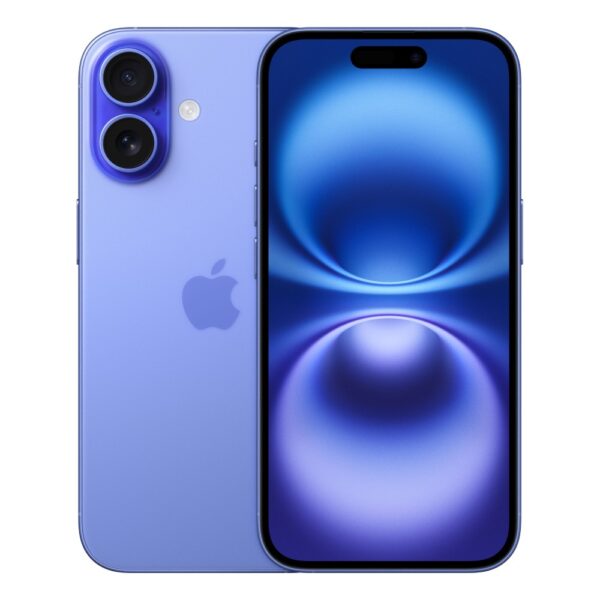
Do not wait if you just need a phone this summer. The iPhone 16 Plus does ninety per cent of what most people do with a phone at less than half the rumoured price, and our iPhone 18 guide covers what the standard 18 line brings this autumn if you would rather stay unfolded.
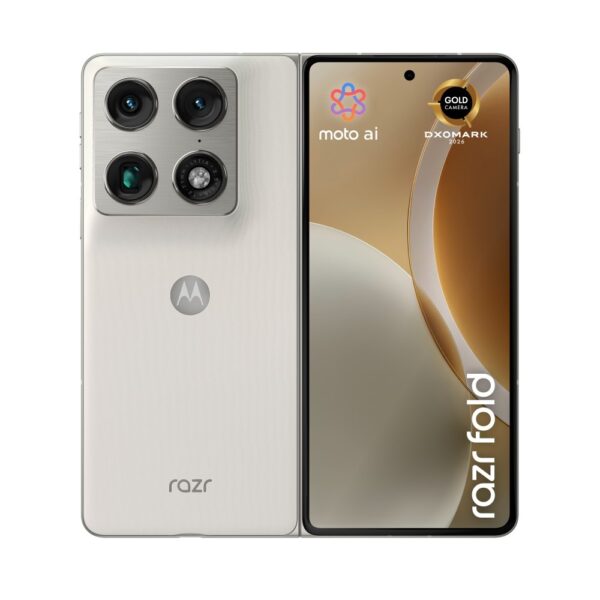
And if the folding itch needs scratching today, this is the part where being a shop is useful: the Motorola razr fold is in stock now, folds the other way, and costs a few hundred less than the iPhone will.
Motorola razr fold 8.09″ Dual SIM 5G 16GB 512GB 6000 mAh White
In stock
£1,645.32 inc VAT- Stunning 8.09″ foldable P-OLED display with 1.07 billion colours and 120 Hz refresh rate
- Powerful Snapdragon 8 Gen 5 processor with 16 GB LPDDR5X RAM and 512 GB internal storage
- Versatile triple 50 MP rear camera system with Optical Image Stabilisation (OIS) and 8K video capture
- Dual SIM 5G connectivity with Wi-Fi 7 (802.11be) and Bluetooth 6.0
- Robust 6000 mAh Silicon-Carbon battery with 50W wireless and 80W wired fast charging
- Durable clamshell design with IP48/IP49 dust and water resistance, featuring Gorilla Glass Ceramic 3
- Android 16.0 with Google Gemini AI integration and a 7-year software support period
And the iPhone Flip?
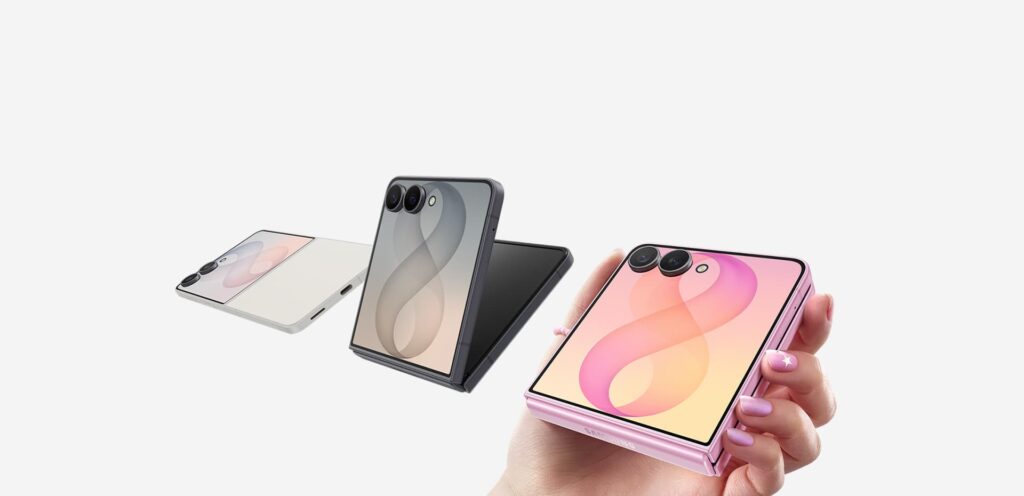
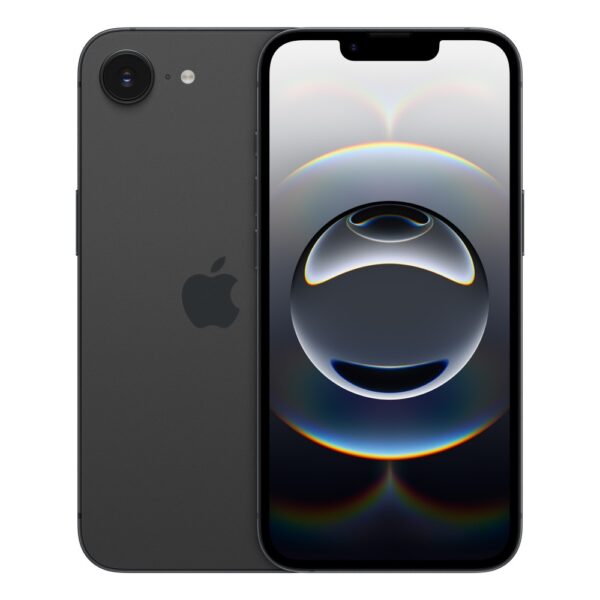
There is a second folding iPhone in Apple’s lab, and it is the one your pocket actually wants: a clamshell, Galaxy Z Flip style, that folds a normal phone in half rather than opening into a tablet. The reporting says Apple tested it internally, originally considered launching it alongside the book-style Fold, then shelved it as not ready.
Current expectation is 2027 at the very earliest, and honestly, the details are thin enough that anyone quoting Flip specs today is guessing. Our read from the shop floor: Apple is letting the £2,000 Fold test how much appetite exists before committing a cheaper clamshell to production. If the Fold sells the way first-gen Apple hardware usually sells, the Flip becomes inevitable. Until then, the flip-style fold you can actually buy is Motorola’s razr, and Samsung’s Z Flip if you lean Android.
Quick answers
September or October 2026, launching alongside the iPhone 18 Pro line. Supply-chain reports say mass production began in early July 2026 and delay rumours have been rejected, so the autumn window looks solid.
Leaks consistently point to $1,999 for the 256GB base model, which typically translates to £2,000 or slightly more in the UK. Higher storage tiers are rumoured at $2,600 to $2,900, which would make it the most expensive iPhone ever.
July 2026 filings and reporting increasingly point to iPhone Ultra rather than iPhone Fold. Nothing is official until Apple says it on stage, but Ultra is currently the better-supported name.
Reportedly not. The folding body is too thin for the TrueDepth camera system, so Apple is expected to use a side-button Touch ID sensor, the first new iPhone without Face ID since the 2022 iPhone SE.
Around 7.76 inches unfolded (2713 x 1920, nearly square) and 5.49 inches folded, in a wider 4:3-style shape. Apple is claiming the inner screen has no visible crease.
Nobody can say until reviewers hold both. On leaks, Apple promises a bigger battery, a crease-free screen and a liquid metal hinge; Samsung counters with eight generations of experience and a product you can already buy at the same $1,999 price.
Wait only if £2,000 is comfortable and you specifically want the folding form factor. If you just need a great phone, the iPhone 16 family costs less than half as much, and first-generation Apple products are usually scarce until Christmas anyway.
Apple has tested a clamshell iPhone Flip internally, but reports say it was shelved as not ready and is unlikely before 2027 at the earliest. The 2026 launch is the book-style Fold only. If you want a flip-style folding phone now, the Motorola razr and Samsung Z Flip are the real options.
Phones we have on the shelf while everyone waits, live prices:
How we know, and how sure we are
Hardvance is a UK phone and hardware shop, not a leak site. Everything above is compiled from the supply-chain reporting listed below, cross-checked in mid-July 2026, cross-checked against how many independent sources agree. Apple has confirmed none of it, and we have deliberately used our own photography rather than leaked renders, which belong to the artists who made them. When this phone is announced for real, this page gets rewritten the same week.
Sources
- MacRumors: iPhone Fold roundup
- MacRumors: battery capacity supplier filing (10 July 2026)
- MacRumors: mass production, no delay (8 July 2026)
- 9to5Mac: battery details leak
- MacRumors: liquid metal hinge
- Tom's Guide: titanium and hinge analysis
- PhoneArena: foldable iPhone hub
- iPhone 17 in 2026: what changed, and should you buy?
- Google Pixel 11: what Google is changing (and removing)
- Galaxy Z Fold8 or Fold8 Ultra: which one to buy
- Galaxy Z Flip8: what Flip owners warn you about
About Hardvance Team
The Hardvance hardware team builds, upgrades and troubleshoots custom PCs every day. Our buying guides are practical and free of hype, drawn from hands-on experience across AMD and Intel platforms, and focused on the parts that genuinely matter for your build and your budget.
View all posts by Hardvance Team