

Server Cases
A server case is chosen on format first.
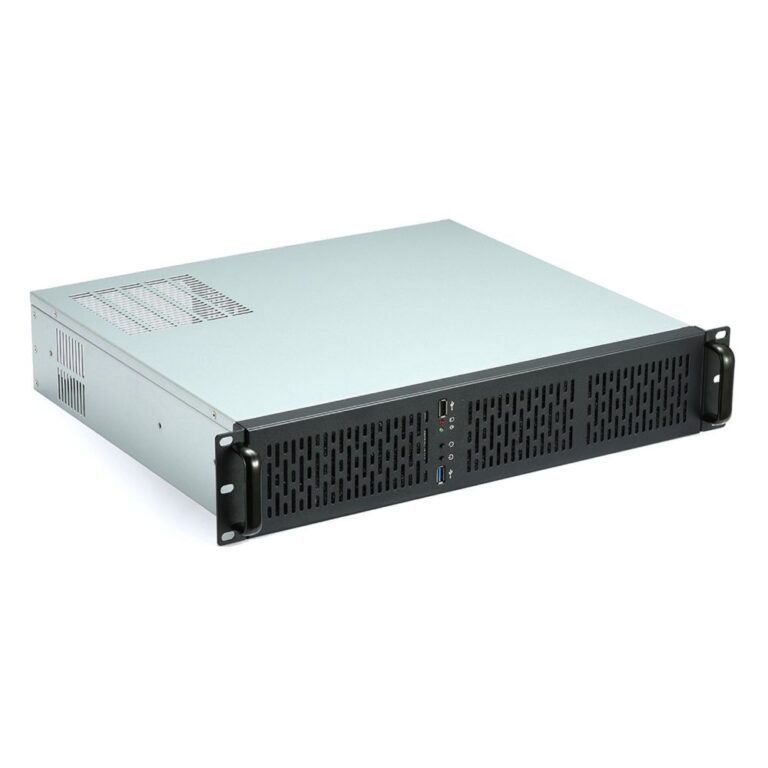
Rackmount chassis mount in a 19in rack and are measured in U — 1U is a single slot, 2U is two, and so on. A 1U case is the densest but limits you to low-profile expansion cards and small, loud fans. 2U and above allow taller heatsinks, full-height cards and larger, quieter fans, which is why most small installations choose them. Check the depth of the case against the rack before ordering; short racks and deep servers is a common mistake.
Tower chassis need no rack and suit a small office or a machine that lives under a desk. They are quieter simply because there is room for bigger, slower fans.
After format, look at drive bays — how many, what size, and whether they are hot-swap, which lets a failed disk be replaced without powering down.
See also PC cases for desktop chassis and case accessories for rack hardware.
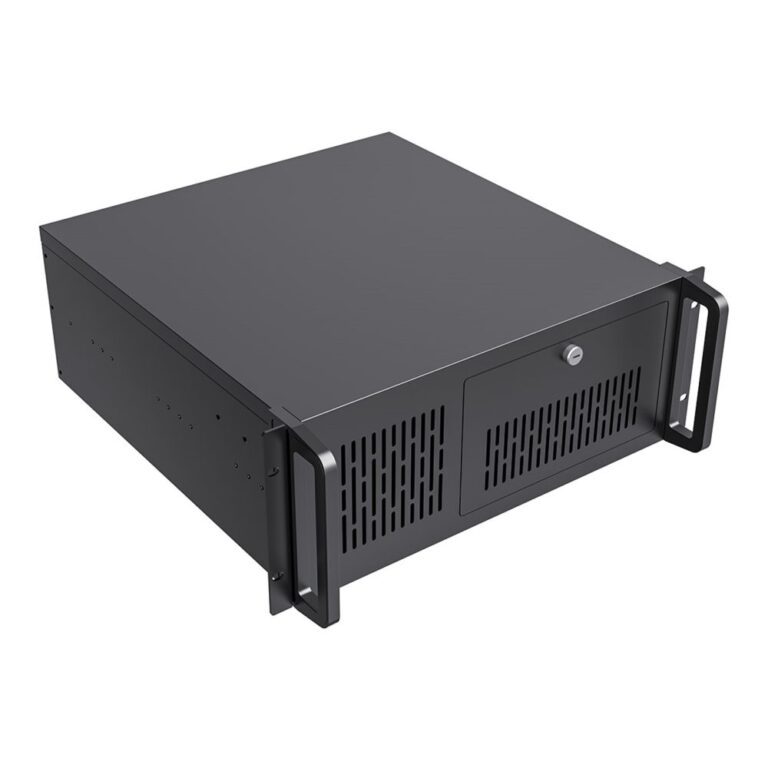
CODEGEN 4U Rackmount Server Case with 8 Slots
In stock
CODEGEN 2U Rackmount Server Chassis
In stock
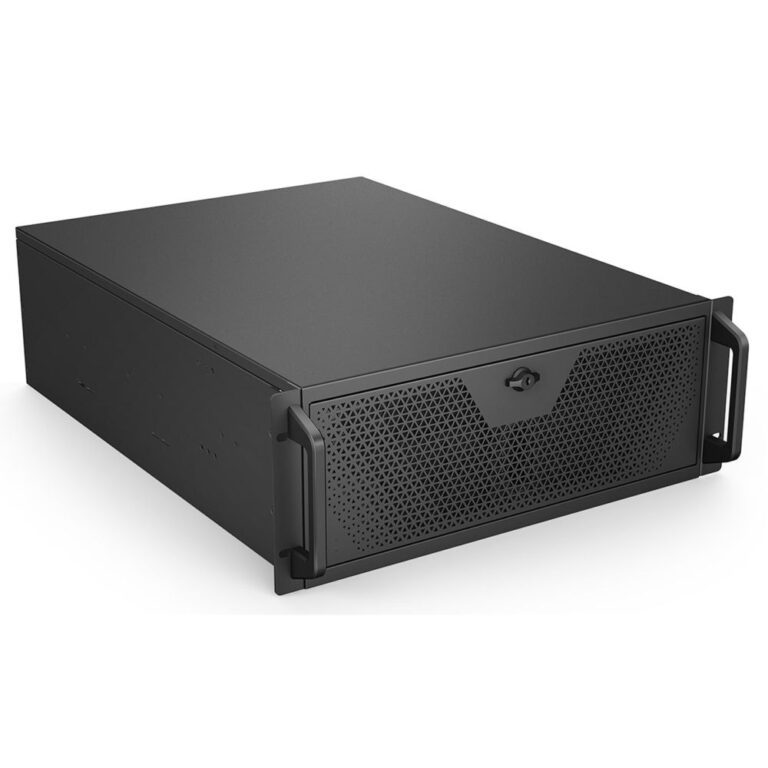
CIT 4U Rackmount Server Case, Heavy-Duty with Lockable Front Door
Out of stock
Server Cases Buying Guide and FAQ
This Server Cases range groups cases by size. Below are the common questions on fit and cooling.
What is a tower case and is it right for me?
A tower case is this size of case. It is a good value choice for compact builds.
Will my graphics card and cooler fit a tower case?
Check three clearances: graphics card length (high-end cards can be over 300mm), CPU air cooler height, and radiator support for an AIO. Most parts fit comfortably, but it is still worth checking the maximums.
Does a tower case have good airflow?
Airflow depends on the design more than the size, so look for a mesh front panel and room for several fans. Many cases pair a mesh intake with a glass side panel for both cooling and looks.