
Xbox, PS5 and Switch 2 Price Increase: The UK Numbers, and the Memory Shortage Behind It

Four platform holders have put their prices up in 2026, and they have all given the same underlying reason: memory. Xbox went up on 1 August, PlayStation went up in April, the Steam Deck went up in May, and the Switch 2 goes up on 1 September. Here is every number in one place, in pounds where a pound figure exists.
Which one are you here for?
- XboxSeries X now £669.99, Series S now £429.99, live since 1 August. The full UK list
- PS5Up £90 in April, to £569.99. What Sony said
- Switch 2Rises on 1 September, and Nintendo has still not published a UK price. Where that leaves you
- Steam DeckThe steepest rise of the lot, at 46%. The numbers
- Macs and iPadsAlmost the whole line moved on 25 June. What Apple raised
- Why is this happeningMemory contract prices nearly doubled in a single quarter. The shortage, explained
- Should I buy now or waitOur read, with the dates that matter
We are a UK tech retailer, so we will say the awkward part out loud: rising prices are not good news for you and we are not going to dress them up as urgency. Every figure below is a manufacturer or market price, with the source named.
- Every 2026 price increase in one table
- The Xbox console price increase: every new UK price
- Xbox Series X price increase vs the Series S
- The PS5 price increase came first
- Nintendo Switch 2 price increase: 1 September
- The Steam Deck price increase was the steepest
- The Apple price increase reached nearly everything
- Why is RAM so expensive? The memory shortage explained
- How a data centre order becomes a GPU price increase
- Waiting for a price drop that is not coming
- What to do if you were about to buy
- Quick answers
Every 2026 price increase in one table
Four companies, four announcements, one cause. Every price change to gaming hardware in 2026 sits in the table below, with the date it took effect and the reason the company itself gave.
Almost everything written about this covers one platform at a time, because that is how the newsrooms are organised. Put them side by side and the pattern is hard to miss.
| Platform | What changed | Effective | Reason given |
|---|---|---|---|
| Xbox Series X | £499.99 to £669.99 | 1 Aug 2026 | Storage and memory costs “more than 2.5x” |
| Xbox Series S | £299.99 to £429.99 | 1 Aug 2026 | As above |
| PS5 | Up £90, to £569.99 | 2 Apr 2026 | “Continued pressures in the global economic landscape” |
| PS5 Pro | Up £90, to £789.99 | 2 Apr 2026 | As above |
| Steam Deck OLED 1TB | $649 to $949 | 27 May 2026 | “Component costs and other global logistical challenges” |
| Switch 2 | $449.99 to $499.99. No UK price published | 1 Sep 2026 | “Changes in market conditions” |
| Macs and iPads | Most of the line, up $100 to $1,300 | 25 Jun 2026 | Tim Cook: “the memory guys are passing along huge price increases” |
| GeForce RTX 50 | Board partners raising up to 30% | Aug 2026 | GDDR7 module costs |
| Radeon | Memory kit costs to partners up ~10% | Jul 2026 | As above |
Two things stand out once it is laid out like this. The first is that nobody undercut anybody. In a normal market, one of these four would have held its price to take share off the others. None of them did, which tells you the cost is real rather than opportunistic.
The second is the direction of travel. These are not launch prices for new hardware. Every one of them is an existing product getting more expensive part-way through its life, which is the opposite of how consoles have behaved for the last twenty years.
The Xbox console price increase: every new UK price
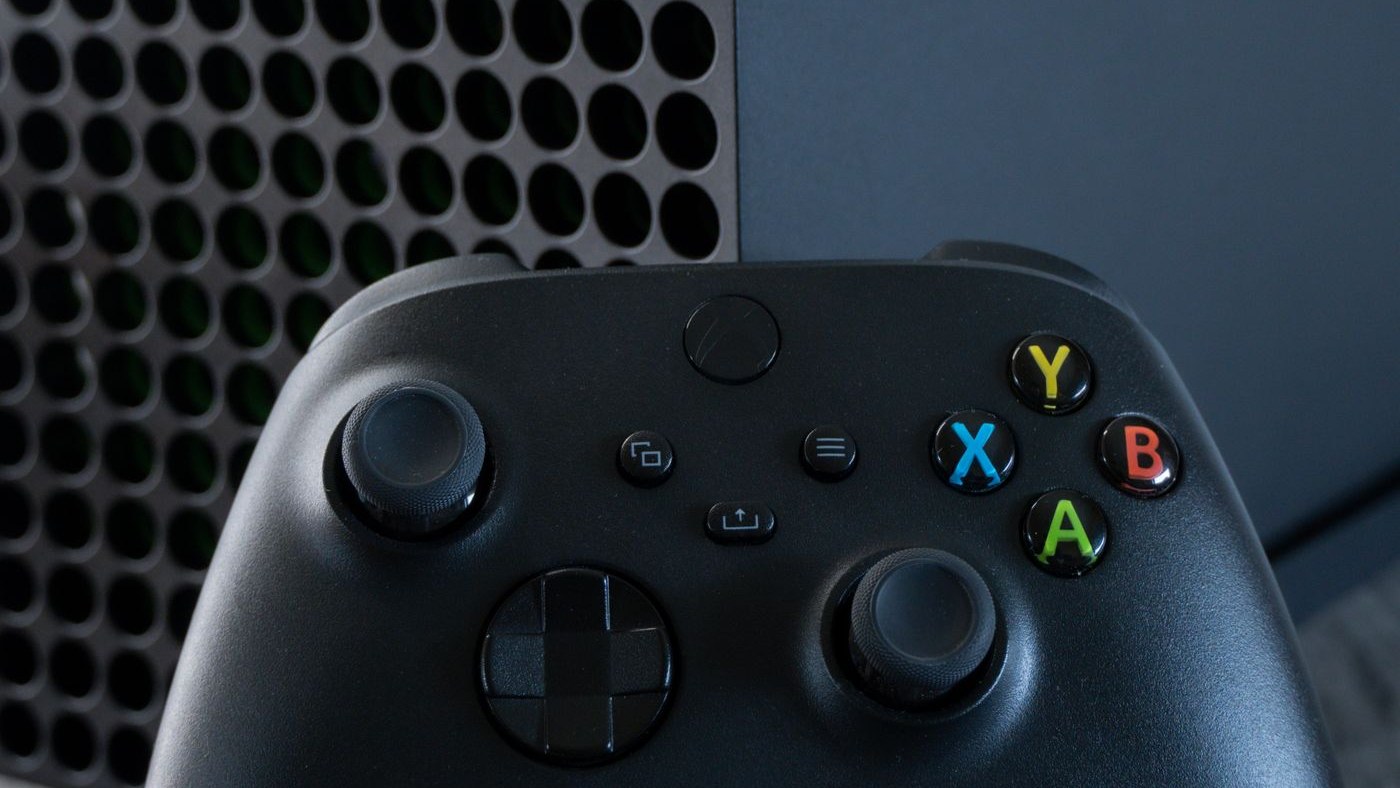
Microsoft announced the Xbox console price increase on 25 June 2026 and it took effect on 1 August. In the UK the Series S went from £299.99 to £429.99 and the Series X from £499.99 to £669.99. The 2TB Galaxy Black edition has been discontinued rather than repriced.
Here is the full Xbox price increase in the UK, model by model, so you can find the one you were actually looking at:
| Model | Was | Now | Change |
|---|---|---|---|
| Xbox Series S 512GB | £299.99 | £429.99 | +£130 (+43%) |
| Xbox Series S 1TB | £349.99 | £519.99 | +£170 (+49%) |
| Xbox Series X 1TB Digital | £449.99 | £619.99 | +£170 (+38%) |
| Xbox Series X 1TB with disc drive | £499.99 | £669.99 | +£170 (+34%) |
Microsoft’s own wording is unusually direct, and it is the only one of the four announcements that puts a number on the cause. Xbox Wire says “console storage and memory prices have increased by more than 2.5x and we expect another doubling by the fall of 2027”, and adds that “consoles are typically not sold at a profit, but instead for less than they cost to make”.
That second sentence is the part worth sitting with. Console makers sell the box cheap and earn it back on games and subscriptions. If that model is producing a price rise this size, the component bill has moved a long way.
Microsoft did put some cushioning alongside it: buy now pay later options, 0% APR financing over up to twelve months, a previously played console programme, and certified refurbished machines at up to $100 off. Those help with cash flow. They do not change what the console costs.
So if you are asking whether Xbox prices are going up in the UK, they already have, and the answer to whether they will go up again in 2026 is that Microsoft has told you its own costs are expected to double again by autumn 2027.
Xbox Series X price increase vs the Series S: the UK got the worse deal
Here is something the single-market coverage misses. Microsoft announced a worldwide rise of $100 on 512GB models and $150 on 1TB models. In percentage terms, the UK and European rises came out much larger than the American one on the same hardware.
Run the arithmetic on the entry model, the 512GB Series S:
- United States: $399.99 to $499.99. That is +25%.
- United Kingdom: £299.99 to £429.99. That is +43%.
- Europe: €349.99 to €499.99. That is +43%.
The pattern holds on every single model. The British percentage rise is larger than the American one every time:
| Model | US rise | UK rise | EU rise |
|---|---|---|---|
| Series S 512GB | +25% | +43% | +43% |
| Series S 1TB | +33% | +49% | +50% |
| Series X Digital | +25% | +38% | +36% |
| Series X with disc drive | +23% | +34% | +33% |
The Xbox Series X price increase in the UK was £170 on a £499.99 console. The equivalent American rise was $150 on a $649.99 one, which is a third less pain on a machine that already cost more.
We are not going to tell you why that is, because Microsoft has not said. Currency movement, VAT and regional retail structures all plausibly contribute. What we can tell you is that the gap is real and it is consistent, and if you read an American article about a 25% rise on the entry console and thought that sounded survivable, that was not the rise you got.
One more number for scale. The Series S launched in the UK at £249.99 as the cheap way into the generation. At £429.99 it is 72% more expensive than it was at launch, and it now costs more in Britain and Europe than a Nintendo Switch 2. The cheapest current Xbox has stopped being cheap.
The PS5 price increase came first, and Sony worded it very differently
Sony got there four months earlier. It announced the PS5 price increase on 27 March 2026, effective 2 April, and put £90 on all three consoles. The standard PS5 went to £569.99, the Digital Edition to £519.99 and the PS5 Pro to £789.99. It was the second PlayStation price rise in under a year.
The current UK PlayStation prices, straight from Sony’s announcement:
| Model | UK | US | Europe |
|---|---|---|---|
| PS5 | £569.99 | $649.99 | €649.99 |
| PS5 Digital Edition | £519.99 | $599.99 | €599.99 |
| PS5 Pro | £789.99 | $899.99 | €899.99 |
| PlayStation Portal | £219.99 | $249.99 | €249.99 |
Now compare the language. Microsoft named the component and gave a multiple. Sony wrote: “With continued pressures in the global economic landscape, we’ve made the decision to increase the prices of PS5, PS5 Pro, and PlayStation Portal remote player globally.”
That is a sentence that could mean almost anything. To be fair to Sony, in March the memory story was not yet the headline it became by August. Sony has been clearer since. Its own commentary has pointed at memory pricing squeezing console margins, and the company has signalled fewer PS5 discounts as a result.
So why has the PS5 price gone up? The same reason as everything else on this page, described in vaguer words and four months earlier. If you own a PS5 already, none of this touches you. If you were waiting for the traditional mid-generation price cut, keep reading, because that part of the plan has a problem.
Nintendo Switch 2 price increase: 1 September, and the UK price is still blank
Nintendo published its price revision notice on 8 May 2026. The Nintendo Switch 2 price increase takes effect on 1 September 2026: $449.99 to $499.99 in the United States, €469.99 to €499.99 in Europe, and C$629.99 to C$679.99 in Canada. There is no UK figure. Nintendo has said some countries, Britain among them, will get their new price later.
This is the one still ahead of you, so it is the one where the detail matters.
- The date is confirmed: 1 September 2026, from Nintendo’s own corporate notice rather than from coverage of it.
- The UK price is not. The Switch 2 launched here at £395.99 and that is still the published figure. Anyone quoting you a specific new British price is estimating.
- Japan went first and went hardest. The Japanese-language Switch 2 rose from ¥49,980 to ¥59,980 on 25 May, which is 20% in one step. The original Switch, the Switch OLED and the Switch Lite all went up there too.
- Nintendo Switch Online prices rose in Japan on 1 July as well, so if you are wondering whether Switch Online prices go up, in one market they already have.
Nintendo’s notice itself is bland: the revision is made “in light of changes in market conditions, and after considering the global business outlook”. Its president Shuntaro Furukawa has been more forthcoming. Nintendo’s May earnings put roughly ¥100 billion of extra operating expense into the year to March 2027 from component costs and tariffs, and Furukawa said plainly that the $50 rise will not cover all of the cost increases. The Switch 2 uses LPDDR5X memory, which is the exact part AI data centres are competing for.
The practical version, if you were planning to buy one: the American and European prices change on 1 September. The British price will change at some point Nintendo has not named. If a Switch 2 was on your list for this year, that is a date worth knowing about, and it is the only one on this page that has not already happened.
The Steam Deck price increase was the steepest of them all
Valve raised Steam Deck prices on 27 May 2026, and in percentage terms it is the biggest rise on this page. The 512GB OLED went from $549 to $789, a 44% jump. The 1TB OLED went from $649 to $949, which is 46%. The hardware did not change at all.
Valve’s explanation is the most quotable of the four, because it says out loud what the others imply: “Steam Deck itself hasn’t changed; these new prices reflect the current state of component costs and other global logistical challenges across the industry as a whole.”
That is a company telling you it is charging 46% more for exactly the same object. It is not a new model, not a spec bump, not a redesign. Same machine, same year, half as much again.
A handheld is unusually exposed to this. It carries both fast memory and fast storage in a small, thermally tight package, so there is nowhere to swap in a cheaper part without the reviews noticing. The Steam Deck OLED with 1TB now costs more than a PS5 Pro does in dollars, which would have read as a typo at the start of the year.
If you have been asking whether a Steam Deck will drop in price, it went the other way in May and Valve has given no sign of reversing it. And if you were waiting for the price to settle before buying, the thing you are waiting on is not Valve’s pricing policy. It is the memory market, which is the subject of the next section.
The Apple price increase reached nearly everything
This is not only a gaming story. On 25 June 2026 Apple raised prices across most of the Mac and iPad lines at once, and it was blunt about why. Chief executive Tim Cook said: “There’s less supply at a time when consumers want devices and the memory guys are passing along huge price increases.” Apple also said it had “never seen a component price increase this much, this quickly”.
The scale of the Apple price increase, in the American figures Apple published:
| Product | Was | Now |
|---|---|---|
| MacBook Air 13in | $1,099 | $1,299 |
| MacBook Air 15in | $1,299 | $1,499 |
| MacBook Pro (M5) | $1,699 | $1,999 |
| iMac | $1,299 | $1,499 |
| Mac Studio (M3 Ultra) | $3,999 | $5,299 |
| iPad | $349 | $449 |
| iPad Air 11in | $599 | $749 |
| Apple TV 4K | $129 | $199 |
The 13in MacBook Air is the one to watch, because it moved twice. It started 2026 at $999, went to $1,099 when the M5 models arrived in March, and reached $1,299 in June. That is 30% in about four months on Apple’s most ordinary laptop.
What happened next is the part that tells you this is supply and not strategy. Reports since have described Apple struggling to keep up with MacBook Air demand after raising its price by $200. Putting the price up normally cools demand. When a shortage persists through a price rise that big, the constraint is on the factory side, not the shop floor.
Apple is not alone here either. Dell, Lenovo, HP and Microsoft have all made similar moves on their own machines this year. If you have been asking whether Apple has increased prices in the UK, the figures published on 25 June were US dollar ones, and we have not verified a matching sterling list. What we can say is that Apple prices every region off the same component bill, and that bill is what moved.
Why is RAM so expensive? The memory shortage explained
One answer covers every row in every table above. Memory chip makers have redirected their production lines towards AI data centres, and consumer hardware is losing the bidding war. Conventional DRAM contract prices rose by roughly 93% to 98% in the first quarter of 2026 alone, according to the analyst firm TrendForce, and by a further 58% to 63% in the second.
Read those two numbers together for a moment. DRAM contract prices nearly doubled in one quarter, then went up by another 60% in the next. NAND flash, which is what your SSD and your console’s storage are made of, rose 55% to 60% and then 70% to 75% over the same two quarters. That is not inflation. That is a market that has come apart.
The mechanism is simpler than it sounds:
- AI servers need enormous amounts of memory, particularly the high bandwidth kind stacked next to accelerators.
- The same factories make both. A production line making memory for a graphics card can make memory for a server instead, and the server version sells for far more.
- So the lines got switched. Suppliers moved capacity towards high bandwidth memory and server parts, which left less for everything else.
- Cloud companies then locked in what was left through long term supply agreements, taking the bulk of available output off the open market before anyone else could bid.
- New factories take years. TrendForce expects no meaningful new capacity until late 2027 at the earliest.
That last point is the one that matters for your planning. This is not a queue that clears when a ship arrives. Building memory fabrication capacity is a multi year, multi billion dollar undertaking, and the decisions that would ease 2028 needed making in 2025. Samsung has already signalled that shortages may run into 2028.
So when you ask why RAM is so expensive, the reason has nothing to do with your PC. You are buying from the same supply that a data centre is buying from, and it can outbid you without noticing. We track what that has done to component prices specifically in our RAM and SSD price guide.
How a data centre order becomes a GPU price increase on a shop shelf
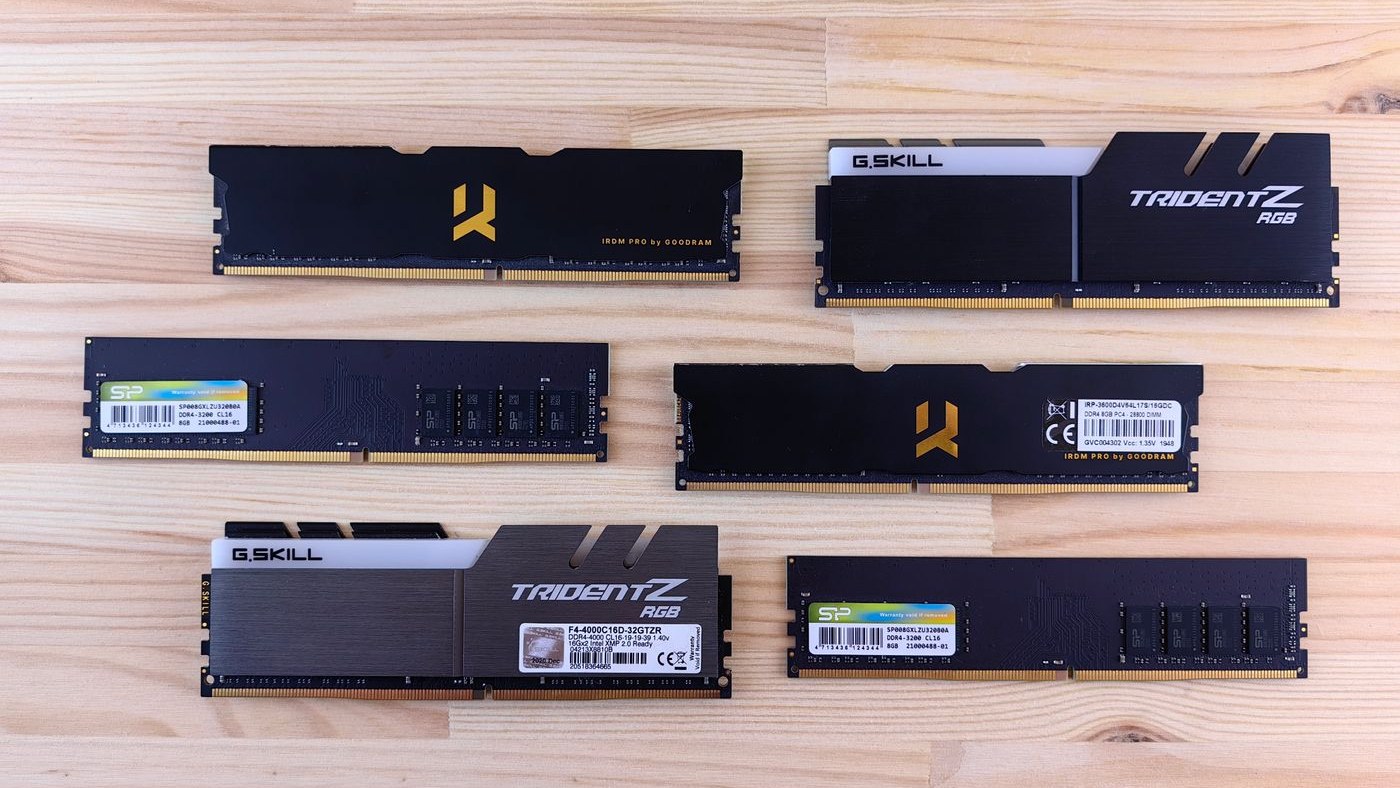
The step most coverage skips is the middle one. A memory shortage in a chip factory does not obviously make a games console in a British living room more expensive. Here is the chain, with the actual numbers at each link, because once you can see it you can predict the next thing to move.
Link one: the contract price. A cloud provider signs a long term agreement for server memory. Suppliers move capacity to fill it. Contract prices for ordinary DRAM rise 93% to 98% in a quarter.
Link two: the module. Those chips get soldered onto modules. A 2GB GDDR7 module, the type used across the current GeForce range, is now reported at around $20 each. The 3GB modules used on higher capacity cards run $60 to $70, roughly three times the price of a 2GB part.
Link three: the bill of materials. A graphics card carries eight, twelve or sixteen of those modules, so every dollar added to a module gets multiplied by twelve or sixteen before the card has even been assembled. At $20 a part, the memory alone is a significant slice of what a card costs to build. That is why Nvidia has raised the kit prices it charges its board partners across the whole GeForce line, and why AMD raised its memory kit prices to partners by around 10% in July, its second increase in six months.
Link four: the shelf. Board partners are reported to be raising RTX 50 series prices by up to 30% from August. In South Korea, Tom’s Hardware reported RTX 50 prices jumping up to 30%, pushing the RTX 5090 past $5,100. A GPU price increase is not a decision somebody made about you. It is arithmetic arriving from three links upstream.
A console is the same chain with fewer choices. It has a fixed memory configuration that cannot be quietly reduced, a fixed storage size, and a price printed on a million boxes. When memory doubles, the maker can absorb it, redesign the machine, or reprice it. Microsoft told you which one it picked, and put a number on why.
Here is the useful part of understanding this. Anything with a lot of memory or storage in it is exposed. Anything without is not. Cases, coolers, power supplies, keyboards, mice and cables carry no meaningful amount of either, and are not where this cost is landing. If you are upgrading and want to know what is safe to put off and what is not, that split is the whole answer, and it is the logic behind our component choosing guide.
Waiting for a price drop that is not coming
Consoles have always got cheaper. That is the deal buyers have relied on for twenty years: wait two or three years, let the manufacturing mature, and pick the machine up for less than the early adopters paid. This generation has broken that pattern, and it is worth saying plainly rather than leaving people to wait for something that is not on its way.
Look at what has actually happened to the current generation:
- The Xbox Series S launched at £249.99 and now sells for £429.99.
- The PS5 has gone up twice in under a year rather than down once.
- The Steam Deck OLED costs 46% more than it did before 27 May, for identical hardware.
- Sony has been reported as planning fewer PS5 discounts, because memory costs have taken the margin that funded them.
We looked at how players are reacting to this, and the reaction is not outrage so much as withdrawal. The largest discussion thread about the Xbox rise, with over a thousand replies, is dominated by people saying they will simply keep what they own, work through a back catalogue, and stop buying new hardware. One reply put the commercial risk more clearly than most analysts have: the people who do not already own a console were the ones waiting for the usual mid cycle discount, and that discount is now the thing that is not coming.
Will the PlayStation 5 go down in price? Not while memory contract prices are where they are, and the supply analysis points at late 2027 before new capacity arrives. Will RAM prices go down in 2026? Nothing in the published forecasts suggests it. The most positive signal available is that the rate of increase is expected to slow in the third quarter as consumer demand weakens, which is a smaller rise, not a fall.
This is the part of the story we would rather not be writing. We would prefer to be telling you to hold on for a better price in the autumn. The evidence does not support it.
What to do if you were about to buy
Prices have gone up and are not falling back this year. That changes the calculation but it does not make everything a bad purchase, and it certainly does not mean you should rush at anything. Here is how we would think about it.
If you were buying a Switch 2 anyway, the American and European prices change on 1 September and the British one changes on a date Nintendo has not published. That is a real deadline rather than a manufactured one. It only matters if you had already decided to buy.
If you were buying an Xbox or a PlayStation, those rises have already happened. There is nothing to beat, so take your time. Second hand and manufacturer refurbished machines make far more sense at these prices than they did a year ago, and Microsoft’s own refurbished programme exists partly for that reason.
If you are building or upgrading a PC, split your list in two. Memory, storage and graphics cards are in the middle of the storm. Cases, power supplies, coolers and peripherals are not. Buy the calm half whenever suits you and think harder about the exposed half. Our gaming PC buying guide and graphics card guide both work through where the money actually goes.
If you already own the thing, this is a story about you, not to you. A console that was good in January is exactly as good now. The temptation in a rising market is to upgrade early in case it gets worse, and that is how people end up spending more than they meant to on something they did not need yet.
And if you can wait a year, wait. Not because prices will fall, but because the products arriving in 2027 will have been designed with these component costs already in them, rather than repriced after the fact. That usually produces better value than buying a machine whose sticker no longer matches its original design brief.
Quick answers
They already have. Microsoft announced the increase on 25 June 2026 and it took effect on 1 August. The Series S 512GB went from £299.99 to £429.99, the Series S 1TB from £349.99 to £519.99, the Series X Digital from £449.99 to £619.99 and the Series X with a disc drive from £499.99 to £669.99. The 2TB Galaxy Black edition was discontinued rather than repriced.
Microsoft said it directly on Xbox Wire: console storage and memory prices have increased by more than 2.5 times, and it expects another doubling by autumn 2027. It also noted that consoles are normally sold for less than they cost to make, which is why a component rise of that size shows up on the shelf rather than being absorbed.
Microsoft has not announced a second rise. What it has said is that it expects its own storage and memory costs to double again by the autumn of 2027, which does not commit it to anything but does tell you the pressure has not passed. Treat any specific claim about a further increase as speculation until Xbox publishes one.
Yes, on 1 September 2026. Nintendo's own notice of 8 May 2026 confirms $449.99 to $499.99 in the United States, €469.99 to €499.99 in Europe and C$629.99 to C$679.99 in Canada. The Japanese-language model already rose from ¥49,980 to ¥59,980 on 25 May.
Nintendo has not said. Its notice lists the United States, Canada, Europe and Japan, and the company has indicated that some countries including the UK will announce their revised prices later. The Switch 2 launched in Britain at £395.99 and that remains the published figure until Nintendo replaces it. Any specific new British price you see quoted today is an estimate.
In Japan they already did, on 1 July 2026, across the individual and family plans and the Expansion Pack tiers. Nintendo's May notice covered Japanese subscription pricing only. Nothing equivalent has been announced for the UK.
Sony announced the rise on 27 March 2026, effective 2 April, citing "continued pressures in the global economic landscape". It added £90 to the PS5, the PS5 Digital Edition and the PS5 Pro. The underlying cause is the same memory and storage cost surge that Microsoft, Nintendo and Valve have all named, and it was Sony's second price rise in under a year.
Since 2 April 2026 the standard PS5 is £569.99, the PS5 Digital Edition is £519.99, the PS5 Pro is £789.99 and the PlayStation Portal is £219.99. Those are Sony's own recommended prices from its announcement.
Not on current evidence. Memory contract prices rose sharply through the first half of 2026 and analysts expect no meaningful new manufacturing capacity until late 2027 at the earliest. Sony has also been reported as planning fewer PS5 discounts because memory costs have eaten the margin that funded them. The traditional mid-generation price cut looks unlikely this cycle.
Nothing in the published forecasts suggests a fall. Conventional DRAM contract prices rose roughly 93% to 98% in the first quarter of 2026 and a further 58% to 63% in the second, with NAND flash rising 55% to 60% and then 70% to 75%. The most positive signal is that increases are expected to moderate later in the year as consumer demand weakens, which means smaller rises rather than reductions.
Apple raised prices across most of the Mac and iPad lines on 25 June 2026. Tim Cook attributed it to component supply, saying there is less supply at a time when consumers want devices and that the memory suppliers are passing along large increases. Apple also said it had never seen a component price increase this large this quickly.
It went the other way. Valve raised Steam Deck OLED prices on 27 May 2026, from $549 to $789 for the 512GB model and from $649 to $949 for the 1TB, with no change to the hardware. Valve described the new prices as reflecting current component costs and global logistical challenges, and has given no indication of reversing them.
How we know
We are a UK technology retailer. We sell PC components, and rising component prices are bad for our customers and bad for us, so there is no version of this page we benefit from talking up.
Every price on this page comes from the company that set it or from its published announcement: Microsoft's Xbox Wire post of 25 June 2026, Sony's PlayStation Blog post of 27 March 2026, Nintendo's corporate price revision notice of 8 May 2026, and Valve's statement of 27 May 2026. Two figures are a step removed from that and we are flagging both: the UK model-by-model Xbox table is the regional pricing that went live on 1 August, which Microsoft's own announcement did not itemise by market, and the £90 PlayStation delta comes from coverage, because Sony's blog published the new prices without the old ones. The memory contract price movements are TrendForce's published quarterly figures. The GDDR7 module costs and the board partner increases are reported figures from Tom's Hardware and TechPowerUp, and are labelled as reported rather than confirmed by the vendors.
The percentage comparisons between the UK, US and European Xbox rises are our own arithmetic on those published prices, and you can check them.
Where a number does not exist, we have said so instead of estimating. That applies to the UK Switch 2 price, which Nintendo has not published, and to UK figures for the June Apple increases, where the announcement we read was in US dollars.
We have not stated what anything costs in our own shop anywhere on this page, and we have not linked a single product to it.
Sources
- Xbox Wire, “Updated Xbox Console Prices”, 25 June 2026: the $100 and $150 increases, the 2TB model being retired, and the “more than 2.5x” storage and memory figure.
- PlayStation Blog, “New price changes for PS5, PS5 Pro and PlayStation Portal”, 27 March 2026: the UK, US, European and Japanese figures and Sony’s stated reason.
- Nintendo, “Notice Regarding Price Revisions for Nintendo Products and Services”, 8 May 2026: the 1 September date, the US, Canadian, European and Japanese figures, and the absence of any UK price.
- Pure Xbox, “A breakdown of the new prices for Xbox Series X|S consoles”, 3 August 2026: the model-by-model old and new prices in GBP, USD, EUR, CAD and AUD.
- TrendForce, “AI server demand to drive memory contract price increases in 2Q26”, and its related quarterly releases, for the DRAM and NAND contract price movements.
- Tom’s Hardware on RTX 50 pricing in South Korea, for the $20 GDDR7 module figure and the regional increases.
- 9to5Mac, “Apple announces significant price increases for MacBooks, iPads, more”, 25 June 2026, for the product-by-product figures and Tim Cook’s remarks.
- The r/gaming discussion of the Xbox increase, 2 August 2026, which we read rather than characterised from its title.
Photographs are from Pexels, used under the Pexels License.
About Hardvance Team
The Hardvance Team is the editorial team at Hardvance, a UK computer and electronics retailer based in Mildenhall, Suffolk. We build and upgrade PCs and sell laptops, phones, networking gear, monitors and printers, and our guides cover the same ground. Every guide names its sources and explains how we checked the figures, and we say plainly when something is our opinion rather than a tested result.
View all posts by Hardvance Team